
Criminal Defense
Vehicular Homicide Defense Attorney in Miami Beach
Aggressive representation for serious traffic charges across South Florida. Patrick Wilson Law defends your rights when your freedom is at stake.
By Patrick David Wilson · Published October 02, 2026
Vehicular Homicide Defense in Miami Beach & South Florida
A fatal car accident can change everything in seconds. If you’re facing vehicular homicide charges in Miami Beach, Miami-Dade County, or anywhere in South Florida, you’re confronting a serious felony that threatens your freedom, your career, and your future. Patrick Wilson Law has defended people against these charges for years—first-time offenders, licensed professionals, non-citizens, and everyday drivers whose lives hung in the balance. This guide explains what vehicular homicide means under Florida law, what your defense will involve, and how to move forward immediately.
If a fatal accident has left you facing vehicular homicide charges in Miami Beach or South Florida, you're not alone—people in your situation can contact us. Talk it through with our team — the first consultation is free, confidential, and carries no obligation.
What Is Vehicular Homicide and Who Faces These Charges?
Vehicular homicide in Florida is a felony charge that arises when a death results from the operation of a motor vehicle. The key distinction is negligence—careless or reckless operation that causes a death—rather than intent to harm.
Florida law separates vehicular homicide from other fatal-accident charges. Vehicular homicide focuses on negligent operation of a vehicle, while DUI manslaughter adds the element of impairment or intoxication. Both are serious felonies, but the defenses and evidence differ significantly. A charge of vehicular homicide doesn’t require proof that you were drunk—only that your operation of the vehicle was negligent and caused the death.
Who faces these charges? Anyone involved in a fatal accident can. First-time offenders often find themselves charged after an accident they never expected. Licensed professionals—physicians, nurses, attorneys, engineers—face not only criminal prosecution but also professional license review and potential discipline. Non-citizens confront the added threat of deportation proceedings. The common thread: a moment of inattention, a mechanical failure, poor road conditions, or shared fault can result in a felony charge that upends your life.
The severity is real. Vehicular homicide convictions carry potential prison sentences, mandatory license suspension, substantial fines, and civil liability to the victim’s family. For licensed professionals and non-citizens, the collateral consequences are often as serious as the criminal penalty itself.
What Vehicular Homicide Defense Covers
When you hire Patrick Wilson Law to defend you against vehicular homicide charges, your defense includes a thorough investigation and strategic challenge to the prosecution’s case. Here’s what that covers:
Scene and Vehicle Investigation
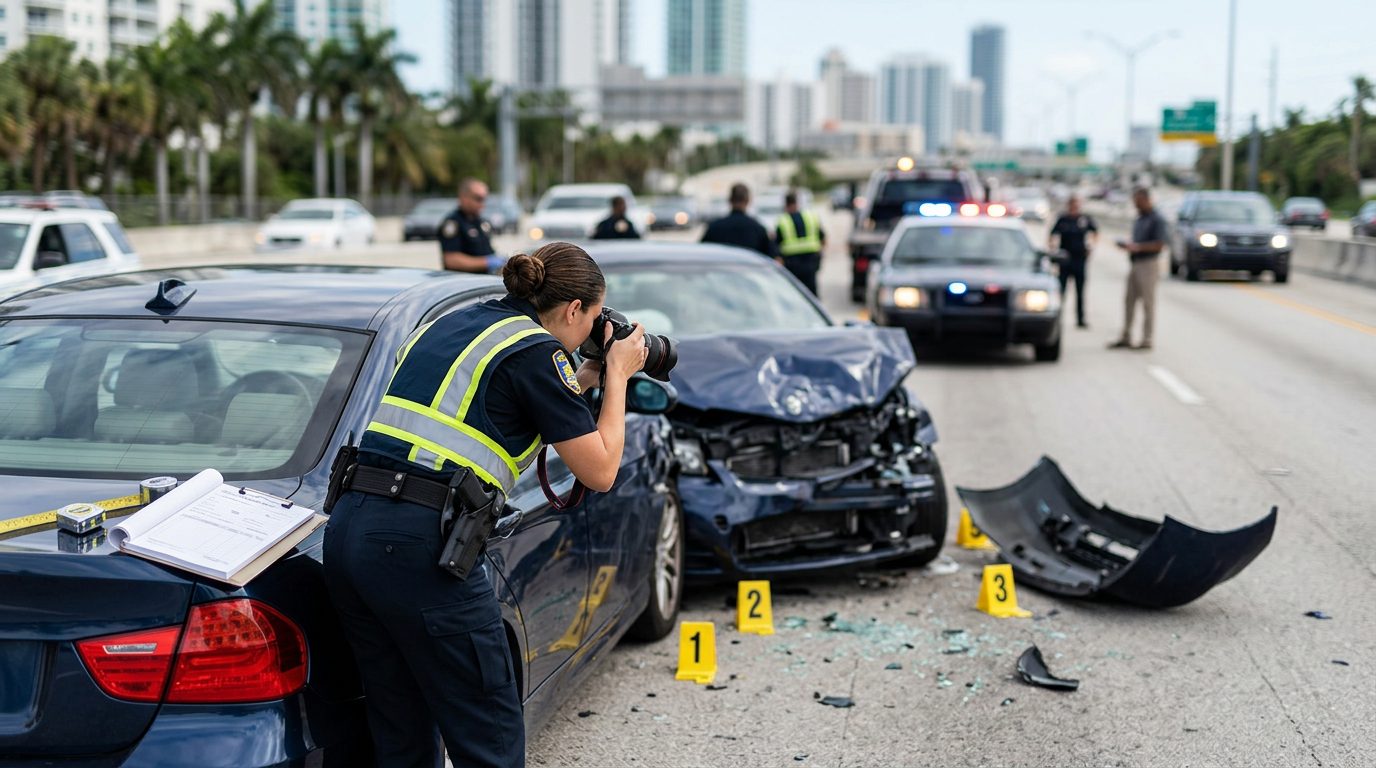
We obtain and analyze the accident scene—road conditions, traffic signals, sight lines, weather, and debris patterns. We examine your vehicle’s condition, mechanical systems, brakes, tires, and steering to identify whether mechanical failure contributed to the accident.
Police Reports and Evidence Review
We obtain all police reports, witness statements, photographs, and video evidence. We examine the officer’s investigation for completeness, bias, and procedural errors. We review the chain of custody (the documented handling of evidence) to identify breaks or contamination that could undermine prosecution evidence.
Toxicology and Medical Analysis
If alcohol or drugs are alleged, we scrutinize breathalyzer or blood test procedures, calibration records, and the qualifications of the technician who performed the test. We review the medical examiner’s findings regarding cause of death and whether the victim’s condition or other factors contributed.
Causation and Negligence
We challenge the prosecution’s theory of causation—the claim that your negligence caused the death. Shared fault, third-party conduct, mechanical failure, or road hazards may reduce or eliminate your liability. We identify weaknesses in the negligence standard the prosecution must prove.
Expert Analysis
Depending on the case, we retain independent accident reconstruction experts or medical specialists to analyze the scene, vehicle dynamics, and medical findings. These experts can provide testimony that contradicts the prosecution’s narrative.
Negotiation and Resolution
We communicate with the State Attorney’s office throughout the investigation. We present evidence of weaknesses in their case, explore charge reductions, and negotiate alternative resolutions—including dismissal, reduction to a lesser felony, or misdemeanor charges—that protect your rights and future.
Trial Preparation
If your case proceeds to trial, we prepare a comprehensive courtroom defense, cross-examine prosecution witnesses, and present evidence and expert testimony that supports your defense.
We represent clients across Miami Beach, Miami-Dade County, Broward County, Fort Lauderdale, the Florida Keys, and all of South Florida.
How the Vehicular Homicide Defense Process Works
Understanding what to expect helps you make informed decisions and move forward with confidence.
Step 1: Immediate Consultation
You contact us or we meet with you within days. We listen to your account of the accident, the charges you face, and your specific concerns—career impact, immigration status, family, finances. We explain the charges, potential penalties, and your options in plain language.
Step 2: Obtain and Review Evidence
We file discovery requests with the State Attorney’s office and obtain all police reports, witness statements, toxicology results, medical examiner findings, photographs, video, and other evidence. We review this material carefully to identify strengths and weaknesses in the prosecution’s case.
Step 3: Independent Investigation
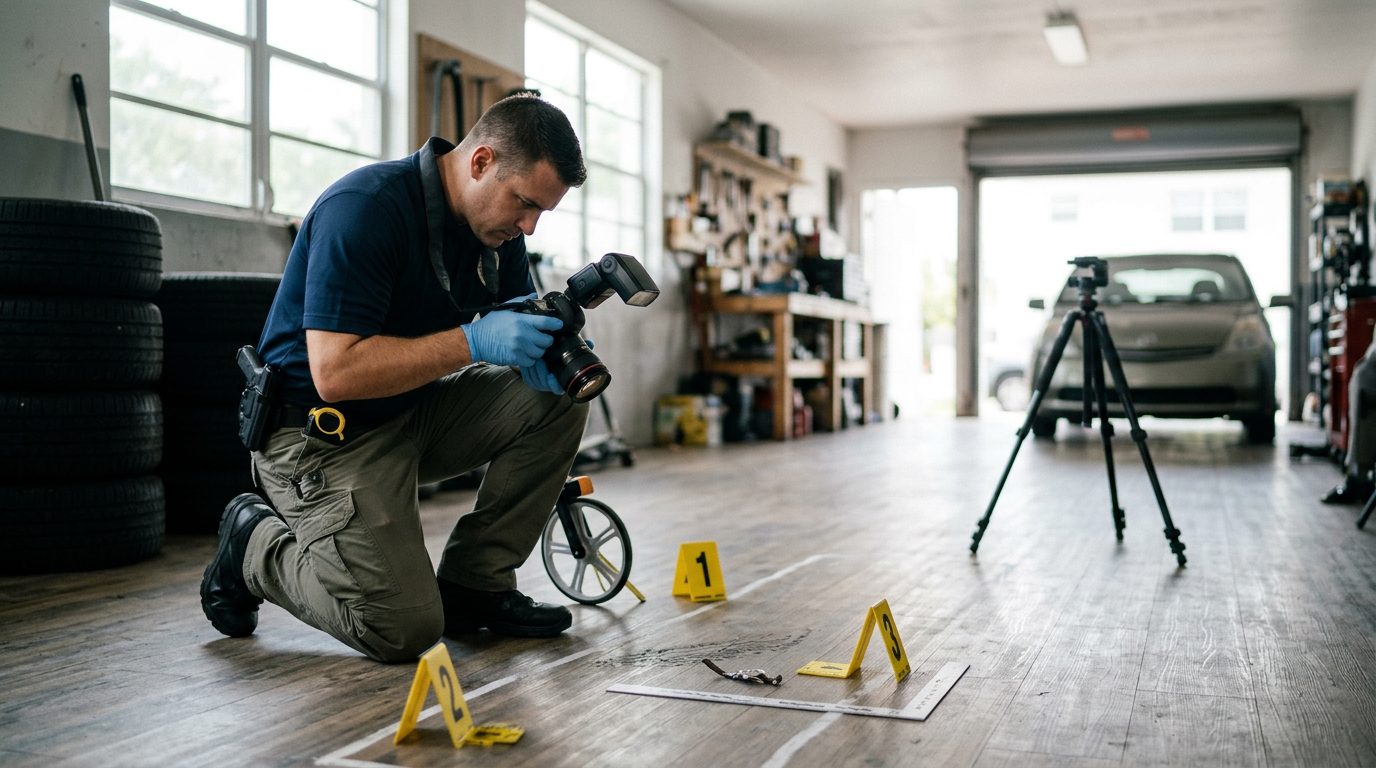
We visit the accident scene, photograph current conditions, and interview witnesses. We retain accident reconstruction or medical experts if the case warrants it. We investigate your vehicle’s maintenance history and mechanical condition.
Step 4: Identify Defense Strategies
Based on the evidence, we identify viable defenses. Did the prosecution fail to prove negligence? Was there shared fault? Did a mechanical failure contribute? Was the victim’s own conduct a factor? We develop a clear defense theory and communicate it to you.
Step 5: Negotiate with Prosecutors
We present our findings to the State Attorney’s office. We highlight weaknesses in their evidence, discuss alternative charges, and explore negotiated resolutions. Many cases resolve through negotiation without trial.
Step 6: Trial or Resolution
If negotiation succeeds, we finalize a resolution that protects your rights. If the case proceeds to trial, we prepare thoroughly and defend you in court.
Timeline
An initial consultation typically occurs within days of your call. Investigation continues over weeks and months. Simple cases may resolve within three to six months; complex cases involving multiple experts or extensive evidence may take a year or longer. Court schedules and prosecutor workload also affect timing. Early investigation and negotiation often accelerate resolution.
Why Patrick Wilson Law
Years of Criminal Defense Experience in South Florida
We’ve defended people against serious felony charges in Miami-Dade, Broward, and South Florida courts for years. We know the judges, prosecutors, court procedures, and local practices that affect your case.
Focused Practice in Vehicular Homicide and Related Charges
We concentrate on DUI defense, vehicular homicide, leaving the scene of an accident, and other serious driving-related felonies. This focus means we understand the science (toxicology, accident reconstruction), the law, and the strategies that work.
Representation of First-Time Offenders, Licensed Professionals, and Non-Citizens
We understand the stakes for people whose careers or immigration status are on the line. A conviction isn’t just a criminal record—it’s a threat to your license, your job, and your future in the country. We build defense strategies with these consequences in mind from day one.
Direct Attorney Representation
You work directly with an attorney, not a junior associate or paralegal. We handle your case personally and make the decisions that affect your outcome.
Local Experience
We practice in Miami Beach, Miami-Dade County, and South Florida. We understand the Eleventh Judicial Circuit, its judges, and its prosecutors. Generic statewide or national content can’t replicate this local knowledge.
Track Record of Negotiating Favorable Outcomes
Within the bounds of each case, we negotiate charge reductions, alternative resolutions, and dismissals. We don’t guarantee outcomes—no attorney can—but we pursue every avenue to protect your rights and minimize the impact on your life.
Frequently Asked Questions About Vehicular Homicide Defense
What’s the difference between vehicular homicide and DUI manslaughter?
Vehicular homicide focuses on negligent operation of a vehicle. DUI manslaughter adds the element of impairment or intoxication. Both are serious, but the defenses and evidence differ. If you’re charged with vehicular homicide, the prosecution must prove negligence; if DUI manslaughter, they must also prove impairment.
Can I lose my driver’s license?
Yes. License suspension is a standard consequence of vehicular homicide convictions in Florida. Early legal intervention may help preserve certain limited driving privileges, such as a hardship license for work or medical appointments.
What if I’m a licensed professional—a doctor, lawyer, or nurse?
Vehicular homicide convictions can trigger professional license review or disciplinary action by your licensing board. Early, aggressive defense is critical to protect your career. We understand these stakes and build your defense accordingly.
What if I’m not a U.S. citizen?
A vehicular homicide conviction can trigger deportation proceedings. Immigration consequences require specialized defense strategy from the outset. We address both the criminal charge and the immigration risk in your representation.
How long does a vehicular homicide case take?
Timeline varies. Simple cases may resolve in three to six months; complex cases with multiple experts or extensive evidence may take a year or more. Early investigation and negotiation can accelerate resolution.
Can I be convicted if the accident wasn’t entirely my fault?
Negligence standards vary. Shared fault, mechanical failure, or third-party conduct may reduce or eliminate your liability. This is why thorough investigation is essential—we identify all factors that contributed to the accident and build your defense around them.
Not sure what your next step is?
Talk it through with our team — the first consultation is free, confidential, and carries no obligation.
Take Action Now
If a fatal accident has left you facing vehicular homicide charges in Miami Beach or anywhere in South Florida, the decisions you make in the first days matter enormously. Early investigation, evidence preservation, and strategic negotiation can change the outcome. Contact Patrick Wilson Law today for a free, confidential consultation. Bring any police reports, accident scene photos, or witness information you have. We’ll listen to your specific circumstances, explain your options, and outline a defense strategy tailored to your case. People facing vehicular homicide charges can reach out to us—and we’re ready to help you protect your freedom, your career, and your future.
Call 786-761-1719 or schedule a free consultation online.
Act quickly
Vehicular homicide charges carry severe penalties including lengthy prison sentences and permanent license suspension. The decisions you make in the first hours and days after an arrest can shape the entire course of your case. Contact Patrick Wilson Law immediately to protect your rights.
What we handle
Vehicular homicide defense
Challenging the prosecution's evidence of negligence, causation, and the circumstances surrounding the death.
DUI-related fatality charges
Defending against allegations of impairment or intoxication in fatal accident cases.
Leaving the scene charges
Representation when you're accused of fleeing an accident scene where someone died.
License defense
Fighting administrative suspension and seeking reinstatement of driving privileges.
Why choose Patrick Wilson Law
Focused criminal defense
We focus exclusively on criminal defense across South Florida, from Broward County to the Keys. We know the local courts, prosecutors, and judges.
Licensed professionals and first-time offenders
We understand the unique pressures facing people whose careers and futures hang in the balance. We fight to minimize collateral damage to your professional life.
Thorough case investigation
We examine accident reconstruction reports, toxicology results, witness statements, and vehicle data to identify weaknesses in the state's case.
Serving Miami Beach and South Florida
Based in Miami, we defend clients throughout Miami-Dade County, Broward County, Fort Lauderdale, Kendall, Hialeah, Homestead, and the Florida Keys.
Common questions
What's the difference between vehicular homicide and DUI manslaughter?
Vehicular homicide focuses on negligent operation of a vehicle. DUI manslaughter adds the element of impairment or intoxication. Both are serious, but the defenses and evidence differ. The prosecution must prove negligence in vehicular homicide cases; in DUI manslaughter, they must also prove impairment.
Can I lose my driver's license?
A conviction typically results in mandatory license suspension or revocation. An administrative hearing may be available to challenge suspension before trial. Patrick Wilson Law can represent you in both the criminal case and the administrative process.
What happens if I'm a non-citizen?
A vehicular homicide conviction can trigger deportation proceedings. We handle criminal defense for non-citizens and work to minimize immigration consequences.
What defenses are available?
Defenses may include challenging causation (whether your actions caused the death), questioning negligence findings, attacking accident reconstruction evidence, and examining police investigation procedures. Every case is unique.

