
Criminal Defense
Vehicular Homicide Defense Attorney in Fort Lauderdale
Aggressive representation for serious felony charges across South Florida. Patrick Wilson Law defends your rights when the stakes are highest.
By Patrick David Wilson · Published October 02, 2026
Vehicular Homicide Defense Attorney in Fort Lauderdale
A vehicular homicide charge in Florida means you’re accused of causing someone’s death through culpable negligence (reckless or grossly negligent operation of a motor vehicle). It’s a second-degree felony with mandatory minimum prison sentences, automatic license suspension, and devastating consequences for your career, immigration status, and freedom.
Patrick Wilson Law defends people across Fort Lauderdale, Broward County, and South Florida against vehicular homicide charges—especially first-time offenders and licensed professionals whose entire future hangs in the balance. We investigate the accident, challenge the prosecution’s evidence, negotiate with the state attorney, and prepare for trial if necessary. This page explains what vehicular homicide charges mean under Florida law, what the defense process looks like, and why early legal representation matters.
Not sure what your next step is?
Talk it through with our team — the first consultation is free, confidential, and carries no obligation.
What Is Vehicular Homicide in Florida?
Vehicular homicide occurs when a person causes the death of another through culpable negligence while operating a motor vehicle. It doesn’t require impaired driving, recklessness, or any illegal substance—only negligent or reckless conduct that results in a fatal accident.
Under Florida Statute § 782.071, vehicular homicide applies to deaths caused by:
- Excessive speed or racing
- Distracted driving (texting, phone use)
- Failure to obey traffic signals or stop signs
- Reckless lane changes or unsafe passing
- Driving with a suspended or revoked license
- Mechanical negligence or failure to maintain a vehicle
Vehicular homicide differs from DUI manslaughter. DUI manslaughter requires proof of impaired driving and carries harsher penalties (up to 15 years, often with higher mandatory minimums). Vehicular homicide requires only culpable negligence—a lower threshold. Both are serious, but the distinction matters for defense strategy and sentencing exposure.
Charges and Penalties for Vehicular Homicide in Fort Lauderdale
Vehicular homicide is a second-degree felony in Florida. Penalties depend on your prior criminal history and the circumstances of the accident.
Prison sentences: – Up to 15 years imprisonment – Mandatory minimum sentences apply if you have prior felony convictions or if the accident involved certain aggravating factors – First-time offenders may face 3–10 years, depending on the prosecutor’s recommendation and the judge’s discretion
Additional consequences: – Fines up to $10,000 – Restitution to the victim’s family (medical bills, funeral costs, lost wages) – Permanent criminal record – Automatic driver’s license suspension; permanent revocation is possible – Civil liability: the victim’s family can sue for wrongful death damages
Professional license impact: If you hold a medical, nursing, legal, accounting, or commercial driver’s license, a vehicular homicide conviction triggers separate license revocation or suspension proceedings. Even if your criminal sentence is reduced or negotiated, the licensing board may still revoke your credentials.
Immigration consequences: Non-citizens convicted of vehicular homicide face deportation proceedings. The offense qualifies as a crime of violence under federal immigration law, making deportation likely even if you’ve lived in the U.S. for decades or have family here.
Who Is Affected by Vehicular Homicide Charges?
Vehicular homicide charges devastate multiple groups:
First-time offenders: One accident—one moment of inattention or poor judgment—can result in decades in prison and a permanent felony record that destroys employment, housing, and educational opportunities.
Licensed professionals: Doctors, nurses, lawyers, accountants, and other licensed professionals face not only criminal prosecution but also license revocation. Your career may end before your criminal case is resolved.
Non-citizens: Criminal conviction triggers federal deportation proceedings. You may be detained by Immigration and Customs Enforcement (ICE), separated from your family, and deported to a country you haven’t lived in for years.
Commercial drivers: CDL holders face permanent disqualification, eliminating truck driving, delivery, and transportation careers.
Young drivers: A vehicular homicide conviction at age 18 or 20 can derail education, employment, and the entire trajectory of your life.
What Vehicular Homicide Defense Covers
A thorough vehicular homicide defense investigates every aspect of the accident and challenges the prosecution’s evidence.
Investigation and evidence review: – Accident scene reconstruction: road conditions, visibility, weather, traffic signals, and sight lines – Vehicle inspection: mechanical failure, brake condition, tire defects, or maintenance issues that may have contributed to the accident – Police report analysis: examining procedures, witness statements, and investigative conclusions for errors or bias – Traffic camera footage: reviewing surveillance video from nearby businesses, traffic lights, or government cameras – Cell phone records: determining if distracted driving was a factor (or proving it wasn’t) – Toxicology results: if the prosecution claims impairment, we challenge testing procedures and accuracy – Witness interviews: identifying and deposing eyewitnesses to establish what actually happened
Legal analysis: – Culpable negligence standard: was the defendant’s conduct truly reckless, or merely negligent? This distinction is critical—ordinary negligence doesn’t support vehicular homicide. – Causation: did the defendant’s conduct actually cause the death? If the victim had a pre-existing medical condition or another factor contributed to the death, causation may be weak. – DUI manslaughter enhancement: if alcohol or drugs are involved, we evaluate whether the evidence supports DUI manslaughter charges (which carry harsher penalties) or only vehicular homicide.
Negotiation and resolution: – Plea alternatives: discussing charge reductions (from vehicular homicide to reckless driving, for example) or lesser felonies – Sentencing recommendations: working with the prosecution to recommend probation, reduced prison time, or alternative sentences – Diversion programs: exploring drug court, mental health court, or other diversionary options if applicable
Trial preparation: – Motion practice: filing motions to suppress evidence, challenge procedures, or dismiss charges – Witness preparation: coaching defense witnesses and cross-examining prosecution witnesses – Expert witnesses: retaining accident reconstructionists, medical experts, or engineers to testify about mechanical failure or causation – Jury strategy: selecting jurors and presenting a coherent defense narrative
How the Vehicular Homicide Defense Process Works
Understanding what to expect removes uncertainty and helps you make informed decisions.
Step 1: Initial consultation (free) You meet with Patrick Wilson Law to discuss your arrest, the charges, and your circumstances. We review police reports, arrest documents, and any court correspondence. We listen to your account of the accident and answer your questions about penalties, license suspension, and professional license consequences. This consultation is confidential and free.
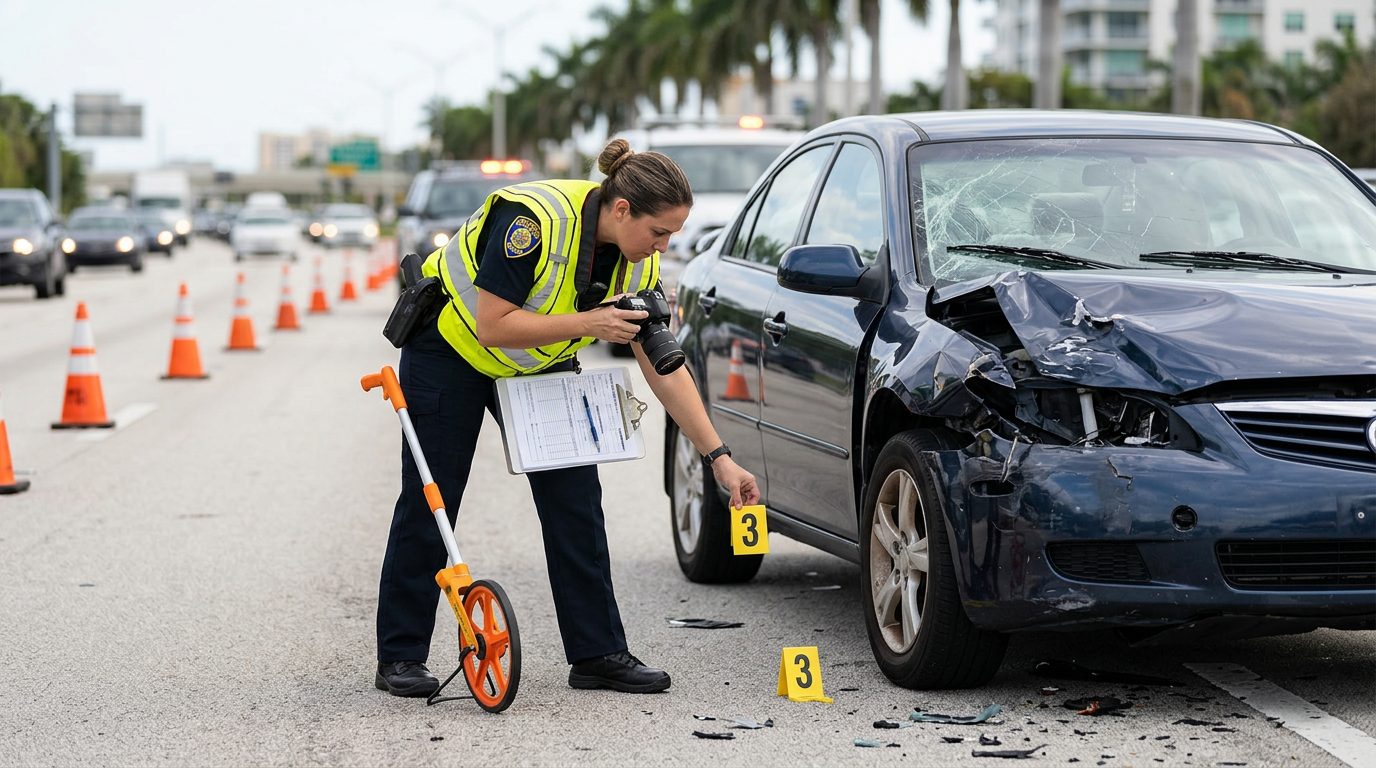
Step 2: Investigation (weeks 1–4) We gather evidence: police reports, witness statements, traffic camera footage, cell phone records, vehicle maintenance records, and medical examiner findings. We visit the accident scene, photograph conditions, and measure distances. We interview witnesses the police may have missed. We retain accident reconstructionists or engineers if mechanical failure is suspected.
Step 3: Discovery (weeks 4–8) The prosecution provides its evidence—police reports, witness statements, toxicology results, and any video or photographs. We review every document for weaknesses, inconsistencies, or procedural errors. We identify what evidence the prosecution lacks.
Step 4: Negotiation (weeks 8–16) We meet with the state attorney to discuss the case. We present evidence of mitigating factors (your clean record, community ties, remorse) and challenge the prosecution’s theory. We propose charge reductions, plea agreements, or alternative resolutions. Many cases resolve at this stage.
Step 5: Motion practice (weeks 16–24, if needed) If negotiation doesn’t resolve the case, we file motions to suppress evidence, challenge police procedures, or dismiss charges. We argue that certain evidence is inadmissible or that the prosecution lacks sufficient evidence of culpable negligence.
Step 6: Trial preparation (weeks 24–52, if necessary) If the case proceeds to trial, we prepare witnesses, develop a defense narrative, and file pre-trial motions. We select a jury and present evidence challenging the prosecution’s case.
Step 7: Trial or resolution The case either resolves through a plea agreement or proceeds to trial. If trial occurs, a jury determines guilt or innocence. If you’re convicted, we advocate for the lowest possible sentence.
Timeline: Most vehicular homicide cases resolve within 6–18 months from arrest to resolution. Complex cases involving accident reconstruction or expert testimony may take longer.
Not sure what your next step is?
Talk it through with our team — the first consultation is free, confidential, and carries no obligation.
Why Patrick Wilson Law
Patrick Wilson Law has defended vehicular homicide and traffic-related felony charges across South Florida for years. Here’s what sets us apart:
Experience with first-time offenders: We understand that one accident doesn’t define you. We focus on protecting your freedom, your career, and your future—not just processing your case.
Defense of licensed professionals: We know the stakes for doctors, nurses, lawyers, and accountants. We address both criminal prosecution and licensing board proceedings, working to preserve your credentials when possible.
Immigration-aware defense: We understand federal deportation consequences for non-citizens. We coordinate with immigration counsel and structure plea agreements to minimize immigration exposure.
Local court knowledge: We practice regularly in the Eleventh Judicial Circuit (Miami-Dade County) and Broward County courts. We know the judges, prosecutors, and local procedures—not just generic Florida law.
Personalized representation: We don’t treat your case as a volume transaction. Each client receives dedicated attention, transparent communication, and a strategy tailored to your circumstances.
Honest assessment: We explain mandatory minimums, license suspension, and other consequences candidly. We don’t minimize the seriousness of vehicular homicide charges, but we identify every opportunity to reduce exposure.
Frequently Asked Questions About Vehicular Homicide
Can I go to jail for vehicular homicide?
Yes. Vehicular homicide is a second-degree felony with mandatory minimum sentences. Prison time is likely unless charges are reduced or dismissed through negotiation or trial.
What’s the difference between vehicular homicide and DUI manslaughter?
Vehicular homicide requires culpable negligence; DUI manslaughter requires impaired driving and carries harsher penalties and higher mandatory minimums.
What happens to my driver’s license?
License suspension is automatic. Permanent revocation is possible depending on your prior record and the case outcome.
Will I lose my professional license?
Yes—medical, nursing, legal, and accounting licenses are at risk. Licensing boards conduct separate proceedings from criminal court.
What if I’m not a U.S. citizen?
Criminal conviction triggers deportation proceedings. Immigration consequences must be considered in any plea or trial strategy.
Can the charge be reduced or dismissed?
Yes. Through investigation, negotiation, or trial, charges may be reduced to reckless driving or lesser felonies, or dismissed if evidence is weak.
How much does defense cost?
Consultation is free. Fees depend on case complexity and whether the case resolves through negotiation or trial.

Take Action Now
If you’re facing a vehicular homicide charge in Fort Lauderdale or Broward County—whether you’re a first-time offender, a licensed professional whose career is at stake, or worried about immigration consequences—people in your situation can contact us. Call 786-761-1719 for a free, confidential consultation.
Act Quickly
Vehicular homicide charges carry mandatory minimum prison sentences. Early legal intervention can affect investigation, evidence handling, and negotiation outcomes. Contact Patrick Wilson Law immediately.
How Patrick Wilson Law Defends Vehicular Homicide Cases
Challenge the Evidence
Investigate accident reconstruction, toxicology results, vehicle maintenance records, and police procedures to identify weaknesses in the prosecution's case.
Explore Charge Reduction
Negotiate with prosecutors to reduce charges from vehicular homicide to lesser offenses when facts and law support it.
Build Your Defense Strategy
Analyze whether culpable negligence can be disputed, whether impairment played a role, or whether mechanical failure contributed to the incident.
Protect Your Rights at Trial
Prepare a vigorous courtroom defense if your case proceeds to trial, with cross-examination of state witnesses and presentation of your evidence.
Vehicular Homicide vs. DUI Manslaughter: What's the Difference?
Vehicular Homicide
A second-degree felony requiring proof of culpable negligence—reckless disregard for human life through dangerous driving. Does not require impairment.
DUI Manslaughter
A second-degree felony involving a death caused while driving under the influence of alcohol or drugs. Impairment is a required element.
Why It Matters
The charge affects your defense strategy, sentencing exposure, and negotiation options. Mischarging or overcharging is common—your attorney must challenge it.
Who Patrick Wilson Law Defends
First-Time Offenders
A vehicular homicide charge doesn't define your future. We fight to minimize impact and explore alternatives to conviction when possible.
Licensed Professionals
Doctors, nurses, contractors, and other licensed workers face career-ending consequences. We defend both the criminal case and your professional standing.
Non-Citizens
A felony conviction can trigger deportation. We address both criminal and immigration consequences in your defense strategy.

