
Domestic Violence Defense
Domestic Violence Defense Attorney in Hialeah
Aggressive criminal defense for domestic violence charges in Miami-Dade County. Protect your rights and your future.
By Patrick David Wilson · Published October 05, 2026
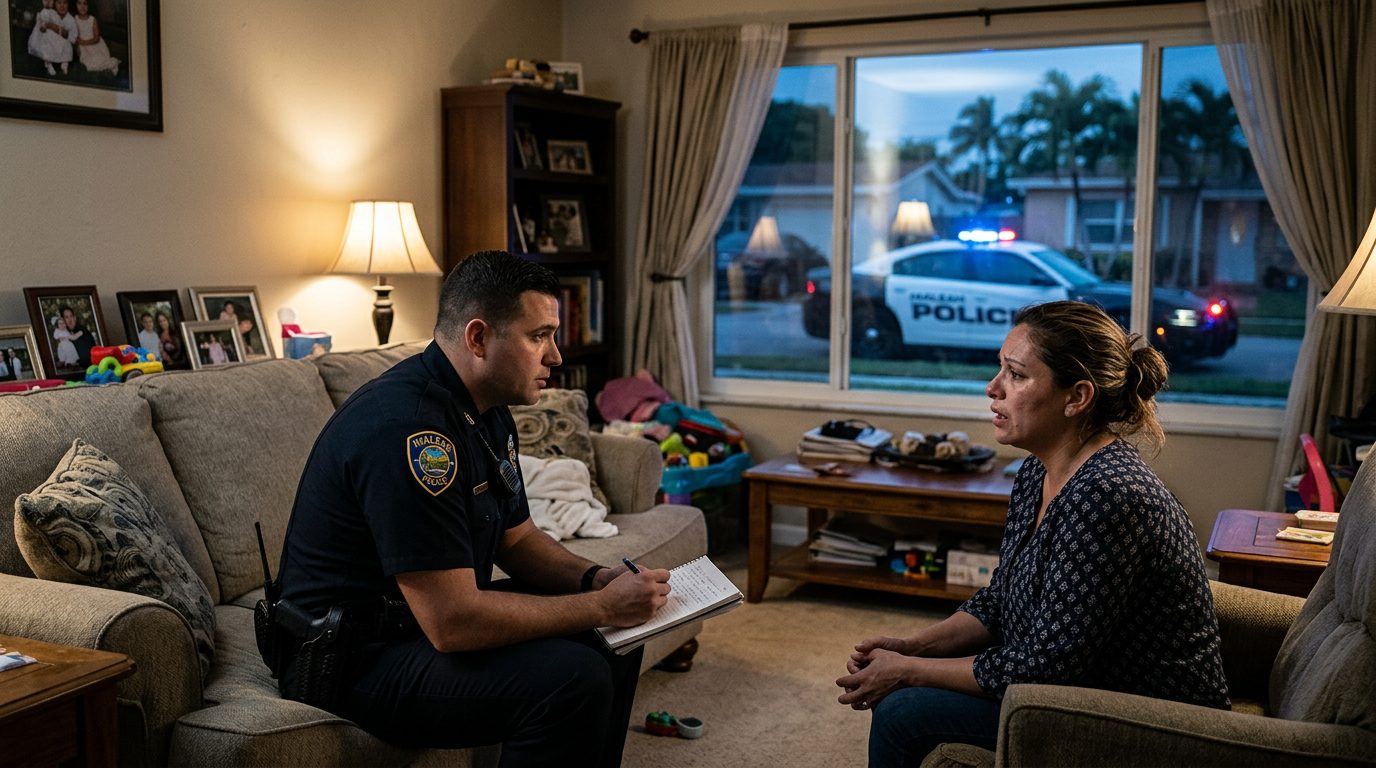
A domestic violence arrest in Hialeah sets in motion immediate consequences—a protective order, a bond hearing, and conditions that can restrict your freedom and your livelihood before you’ve had a chance to tell your side of the story. Patrick Wilson Law provides urgent criminal defense for domestic violence charges in Hialeah and throughout Miami-Dade County, focusing on protecting your rights at the critical first moments after arrest and building a strong defense to the charges you face.
Domestic Violence Defense in Hialeah
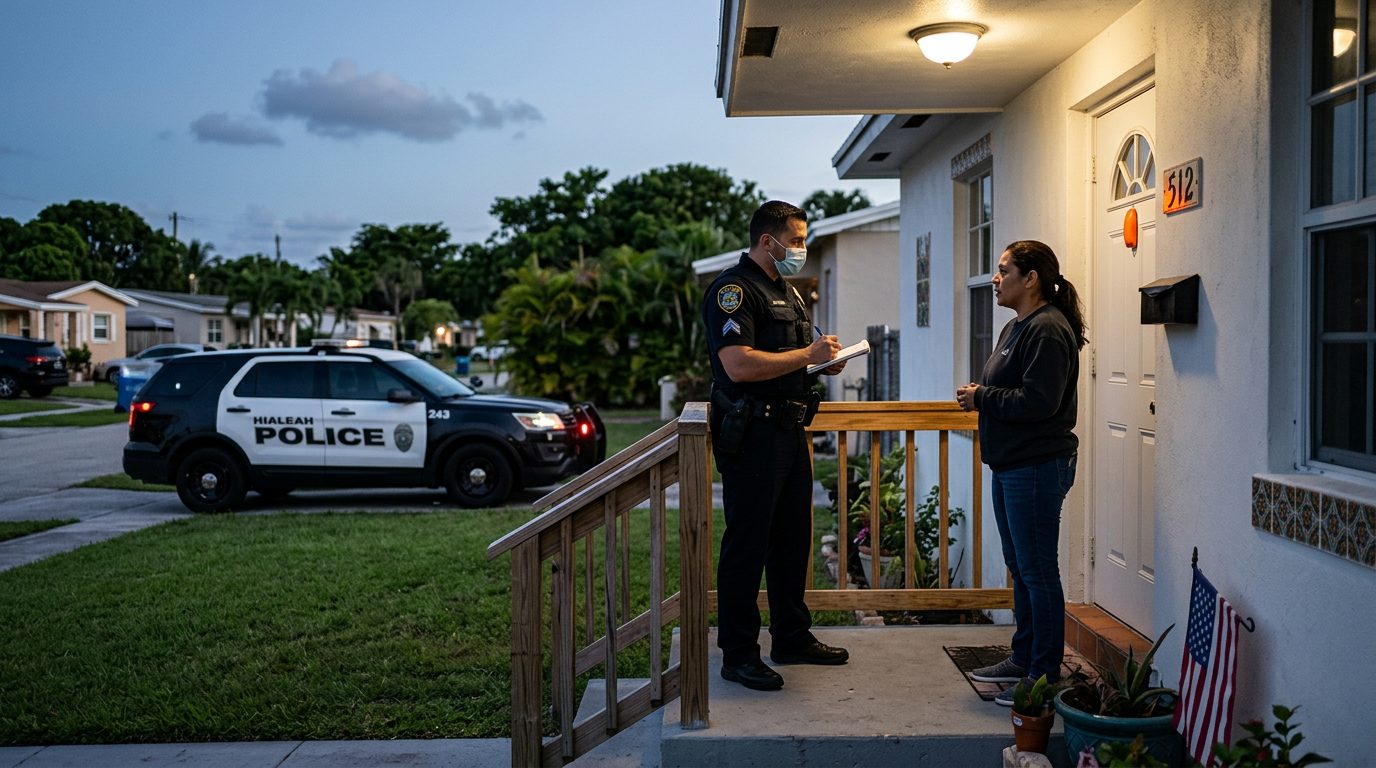
Hialeah sits within Miami-Dade County and operates under the Miami-Dade County court system, where domestic violence cases are prosecuted aggressively and mandatory arrest policies mean law enforcement must make an arrest whenever probable cause exists—even if the alleged victim does not request prosecution. Local law enforcement agencies, including the Hialeah Police Department, follow these policies strictly, and cases move quickly through the Miami-Dade courts. Immediate legal representation matters because your first court appearance—the bond hearing—is where a judge sets the conditions of your release, including no-contact orders and protective restrictions that can last months or longer. The decisions made in those first hours often shape the entire course of your case.
If your case goes to trial, we prepare a thorough defense and represent you in court. Talk it through with our team — the first consultation is free, confidential, and carries no obligation.

What Domestic Violence Charges Mean in Hialeah
Domestic violence charges in Florida fall under several statutes, each carrying different penalties. Battery under Florida Statute § 784.03 is typically a first-degree misdemeanor punishable by up to one year in jail when there’s no prior conviction history. However, if you have a prior battery, aggravated battery, or felony battery conviction, the charge elevates to a third-degree felony carrying up to five years in prison and fines up to $5,000.
Aggravated battery under Florida Statute § 784.045 is a second-degree felony punishable by up to 15 years imprisonment and fines up to $10,000. This charge applies when the battery causes serious bodily injury, disfigurement, or permanent disability, or when a weapon is used. Hialeah prosecutors aggressively pursue aggravated battery charges when injuries are documented or weapons are involved.
Domestic violence charges also include stalking, harassment, and violation of protective orders—each with its own penalties and defenses. The classification of your charge (misdemeanor or felony) depends on injury severity, whether weapons were involved, and your criminal history. Understanding which charge you face is the first step in building your defense.
Immediate Consequences of a Domestic Violence Arrest
When you’re arrested for domestic violence in Hialeah, the Hialeah Police Department books you into custody, and a temporary protective order (also called a temporary restraining order) is issued immediately—often before you see a judge. This order prohibits you from contacting the alleged victim, coming near their home, workplace, or school, and may restrict you from your own home if you live with the alleged victim.
Within 24 hours, you’ll appear at a bond hearing in Miami-Dade County Court. At this hearing, a judge decides whether you’re released, what bail you must post, and what conditions attach to your release. These conditions often include no-contact orders, electronic monitoring, anger management classes, and mandatory counseling. If you violate any condition—even accidentally—you can be arrested again and held without bail.
Beyond the criminal case, a domestic violence arrest triggers collateral consequences that can be as damaging as the criminal penalties themselves. If you hold a professional license—in healthcare, law enforcement, education, finance, or other regulated fields—your employer may be notified, and your license may be suspended or revoked pending the outcome of your case. Housing providers may refuse to rent to you. Immigration consequences can follow if you’re not a U.S. citizen. These collateral harms often exceed the criminal sentence itself, which is why early legal intervention is critical.
Defense Strategies for Domestic Violence Cases
A domestic violence charge is not a conviction, and there are multiple avenues to challenge the evidence against you. Police reports are not always accurate; witness credibility can be questioned; and arrest procedures don’t always comply with constitutional requirements.
Self-defense is a valid legal defense to domestic violence charges. Under Florida Statute § 776.031, you may use force—including force that causes injury—if you reasonably believed it was necessary to prevent imminent harm to yourself or another person. If you acted to defend yourself or someone else from an aggressor, that’s a complete defense to the charge. The prosecution must prove beyond a reasonable doubt that you were the aggressor or that your response was unreasonable.
Challenging the evidence means examining the police report for inconsistencies, questioning the alleged victim’s account, reviewing medical records to verify injury claims, and scrutinizing how law enforcement conducted the investigation. Did officers follow proper procedures? Did they interview witnesses? Were Miranda rights read correctly? Was the arrest made with proper probable cause?
Mutual combat and consent defenses apply in situations where both parties engaged in a physical altercation, though these defenses are narrower in domestic violence cases and require careful legal analysis.
Questioning arrest procedures is essential. If the arrest violated your constitutional rights—for example, if officers entered your home without a warrant or consent—evidence obtained as a result may be excluded from trial.
First-Time Offenders and Licensed Professionals in Hialeah
If this is your first domestic violence charge, you may be eligible for diversion programs or pre-trial intervention (PTI) in Miami-Dade County. These programs allow you to avoid a criminal conviction if you complete counseling, anger management, or other court-ordered conditions. Successful completion results in case dismissal, and you can then move to seal and expunge the arrest record from your criminal history.
For licensed professionals, protecting your career while defending the criminal case is paramount. Early intervention—before your employer or licensing board learns of the arrest—can sometimes prevent license suspension. Working with an attorney who understands both criminal defense and professional licensing consequences allows you to pursue the best outcome on both fronts.
The Role of Protective Orders and No-Contact Conditions
A temporary protective order is issued at arrest and remains in effect until a hearing on a permanent injunction for protection against domestic violence. Under Florida Statute § 784.046, a permanent injunction can prohibit contact, require you to stay away from the alleged victim’s home and workplace, and include other conditions a judge deems necessary.
These orders can be modified or dissolved if circumstances change—for example, if the alleged victim agrees to modify the terms, or if you can demonstrate to the court that the order is no longer necessary. However, violating a protective order is a separate criminal offense and can result in additional charges, arrest, and jail time.
Understanding the terms of your protective order and complying with them is essential while your case proceeds. Any violation—even unintentional contact—can trigger new charges and jeopardize your release.
Not sure what your next step is?
Talk it through with our team — the first consultation is free, confidential, and carries no obligation.
Working With Patrick Wilson Law in Hialeah
When you contact Patrick Wilson Law, your first consultation is an immediate case evaluation. We review the police report, the charges, your criminal history, and the specific facts of your arrest. We assess your eligibility for diversion or pre-trial intervention, evaluate the strength of the prosecution’s evidence, and identify defense strategies tailored to your situation.
We represent you at your bond hearing—often the most critical appearance in your case. We argue for your release on your own recognizance or with reasonable bail, and we work to minimize or eliminate restrictive conditions that could harm your employment or housing.
Throughout your case, we investigate the facts, gather evidence, communicate with local prosecutors, and negotiate toward the best possible resolution. If your case goes to trial, we prepare a thorough defense and represent you in court.
Next Steps: Contact a Domestic Violence Defense Attorney in Hialeah
The hours and days immediately following a domestic violence arrest are when your case is shaped. Protective orders are issued, bond conditions are set, and evidence is gathered by law enforcement. Having an attorney in your corner from the start protects your rights, ensures your voice is heard at critical hearings, and positions you for the best outcome.
If you’re facing domestic violence charges in Hialeah, don’t wait. Contact Patrick Wilson Law now for a free consultation. Call 786-761-1719 or leave us a message, and let’s discuss your situation and your options.
Frequently Asked Questions
What happens at a domestic violence bond hearing in Miami-Dade County?
The judge reviews the charges, your criminal history, and the alleged victim’s safety concerns, then decides whether to release you, what bail to set, and what conditions (no-contact orders, counseling, electronic monitoring) attach to your release.
Can a domestic violence charge be dismissed in Hialeah?
Yes—through pre-trial intervention or diversion programs if you’re eligible, through successful negotiation with prosecutors, by challenging the evidence at trial, or if the prosecution cannot prove its case beyond a reasonable doubt.
What is the difference between domestic battery and simple battery in Florida?
Domestic battery involves physical contact with a family member, household member, or intimate partner; simple battery involves anyone else. Domestic battery carries enhanced penalties and triggers mandatory arrest policies.
How does a protective order affect my rights in a domestic violence case?
A protective order prohibits you from contacting the alleged victim, coming near their home or workplace, and may restrict you from your own residence. Violating it is a separate criminal offense.
What are the consequences of a domestic violence conviction for my professional license?
Many regulated professions—healthcare, law enforcement, education, finance—require license suspension or revocation following a domestic violence conviction. Early legal intervention can sometimes prevent this outcome.
Can I modify or remove a no-contact order in a domestic violence case?
Yes, if the alleged victim agrees or if you can demonstrate to the court that the order is no longer necessary, though modification is difficult while the criminal case is pending.
What is self-defense in the context of domestic violence charges?
Self-defense means you used force because you reasonably believed it was necessary to prevent imminent harm to yourself or another person—a complete defense to the charge if proven.
How can a first-time offender minimize the impact of a domestic violence arrest?
Seek immediate legal representation, explore diversion and pre-trial intervention programs, comply with all court orders, and work toward case dismissal or a favorable resolution that protects your record and career.
What happens if I violate a protective order in Hialeah?
You can be arrested, charged with a separate criminal offense (violation of an injunction), and held without bail pending trial on the new charge.
Are there diversion programs for domestic violence charges in Miami-Dade County?
Yes—pre-trial intervention and other diversion programs are available for eligible first-time and low-level offenders, and successful completion results in case dismissal.
If you’re facing domestic violence charges in Hialeah, your first hours matter most—protective orders and bond conditions are set immediately. Call us now to protect your rights and your future.
How Patrick Wilson Law Defends Domestic Violence Cases
Immediate Bond Hearing Strategy
We prepare your defense at the bond hearing, challenging conditions and fighting for your release so you can work with us on your case.
Evidence Review & Investigation
We examine police reports, witness statements, and evidence to identify weaknesses in the prosecution's case and build your defense.
Negotiation & Trial Ready
We pursue favorable resolutions through negotiation with prosecutors, and we prepare every case for trial if that's in your best interest.
First-Time Offender Focus
If this is your first offense, we work to minimize the impact on your record and explore options to protect your future.
Act Quickly After Arrest
Domestic violence cases move fast in Miami-Dade County. The decisions you make in the first days—including who represents you—directly affect your bond conditions, your ability to work, and your long-term defense strategy.
Common Questions About Domestic Violence Defense in Hialeah
What Happens at a Bond Hearing?
The judge reviews the charges, your background, and the alleged victim's safety concerns, then decides whether to release you and what conditions apply—such as no-contact orders, counseling, or electronic monitoring.
Can a Domestic Violence Charge Be Dismissed?
Yes. Charges may be dismissed if evidence is insufficient, if the alleged victim recants, if police violated your rights, or if the prosecution cannot prove the case beyond a reasonable doubt.
Will This Affect My Job or Professional License?
A domestic violence conviction can impact employment and professional licensing. We work to minimize those consequences and explore options like diversion programs or record sealing when available.
What If I'm Not a U.S. Citizen?
Domestic violence charges carry serious immigration consequences. We defend your criminal case while protecting your immigration status and exploring all available options.

