
Domestic Violence Defense | Miami
What Does Florida Statute 741.29 Address?
A plain-language guide to the officer duties this statute sets out in domestic violence investigations, and why it is a procedure law rather than a ruling on guilt. Patrick Wilson Law defends domestic violence charges across Miami-Dade, Broward and the Keys.
By Patrick David Wilson · Published October 19, 2026
Florida Statute 741.29 tells law enforcement officers what they must do when they investigate an alleged domestic violence incident. It requires the officer to assist the alleged victim in obtaining medical treatment when the incident calls for it, to advise the victim of the local domestic violence center, and to administer a lethality assessment in intimate partner cases, and the incident is handled under the arrest policy provided in s. 901.15(7). It is a procedure law. It does not decide whether anyone is guilty.
What does Florida statute 741.29 address?
Florida Statute 741.29 sets the duties of officers who look into an alleged domestic violence incident. The written police report must also include a statement that a copy of the legal rights and remedies notice was given to the victim. Every criminal case turns on its own facts and evidence.
The word “domestic violence” has a specific legal meaning. Florida Statute 741.28 defines it to include assault, battery, stalking, and other offenses that cause physical injury or death. The offense must involve one family or household member against another.
Family or household members include spouses, former spouses, and relatives by blood or marriage. They also include people who live or lived together as a family, and parents of a child in common. Living arrangements matter for everyone except parents of a shared child.
If a police report, a rights notice or an injunction petition has reached your family, you don't have to sort it out alone; our team can talk it through with you. Talk it through with our team — the first consultation is free, confidential, and carries no obligation.
What must an officer do during a domestic violence investigation?
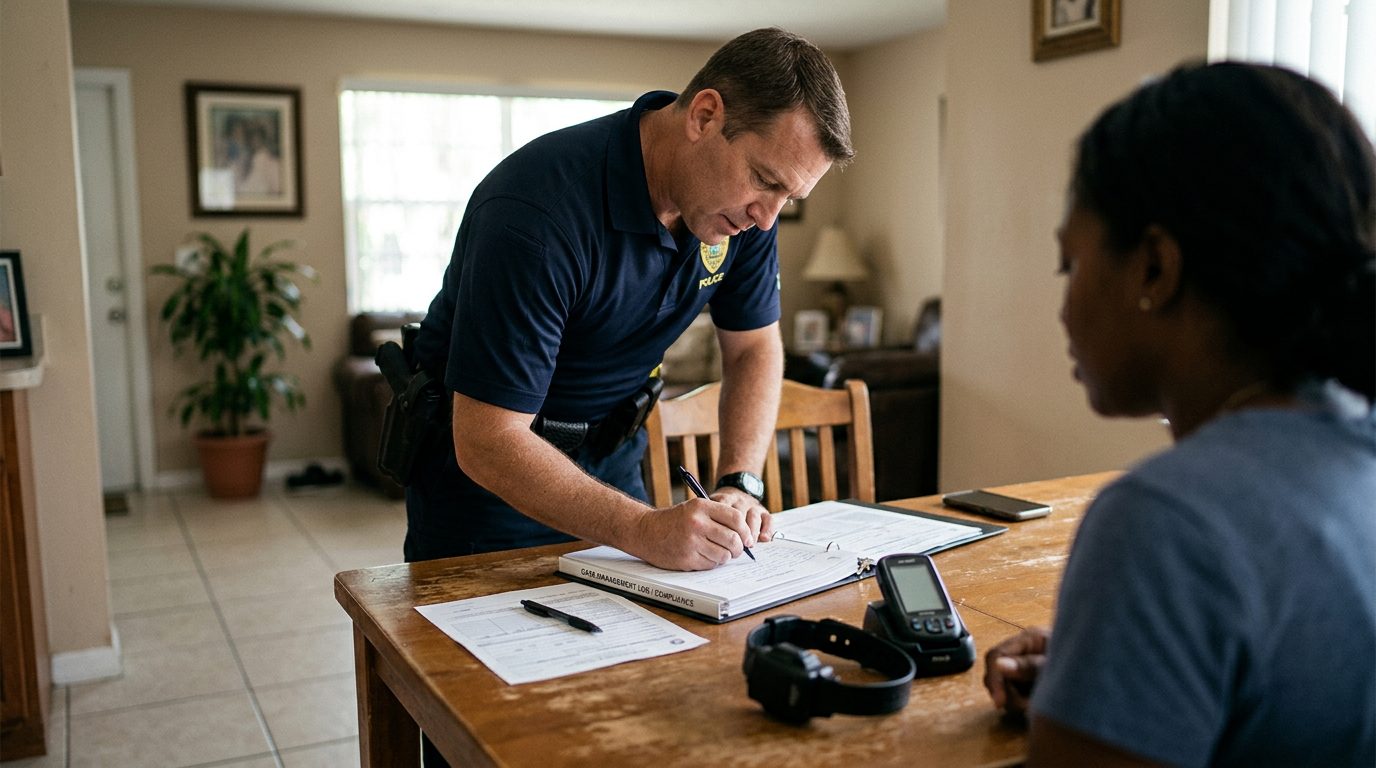
An officer must help the alleged victim get medical treatment if the incident requires it. Florida Statute 741.29 lists this duty first. The officer must also give the victim immediate notice of the legal rights and remedies available on a standard form developed and distributed by the department.
That notice uses a standard form. The department revises the Legal Rights and Remedies Notice to Victims as necessary, using simple English as well as Spanish, to include a general summary of s. 741.30. The notice must include the resource listing, with telephone number, for the area domestic violence center designated by the Department of Children and Families.
The officer must write a police report whether or not anyone is arrested. The report must clearly say the incident was domestic violence. It must describe any physical injuries the officer saw. The agency must send the report to the nearest locally certified domestic violence center within 24 hours.
What is the injunction for protection, and how does the notice connect to it?
An injunction for protection against domestic violence is a court order. It protects a person from domestic violence. The officer’s notice points the alleged victim toward this option.
Under Florida Statute 741.30, a victim, or someone with reasonable cause to believe they face imminent danger, may file a verified petition in circuit court. Every petition must carry a sworn statement in capital letters above the signature line. The petitioner signs it under penalties of perjury.
After the court issues an injunction, the clerk must send it to the sheriff or local law enforcement agency within 24 hours. That agency serves it on the respondent, the person named in the petition. The Miami-Dade Clerk of Court describes the local injunction and service steps.
An injunction is its own court matter, but if a later cause of action is filed under chapter 61, any orders entered in that case take precedence over any inconsistent provisions of an injunction issued under this section which addresses matters governed by chapter 61. It can move on a different timeline from any criminal charge. Anyone named in a petition should read the papers closely and raise questions with a lawyer quickly.
How does 741.29 fit into a domestic violence case?
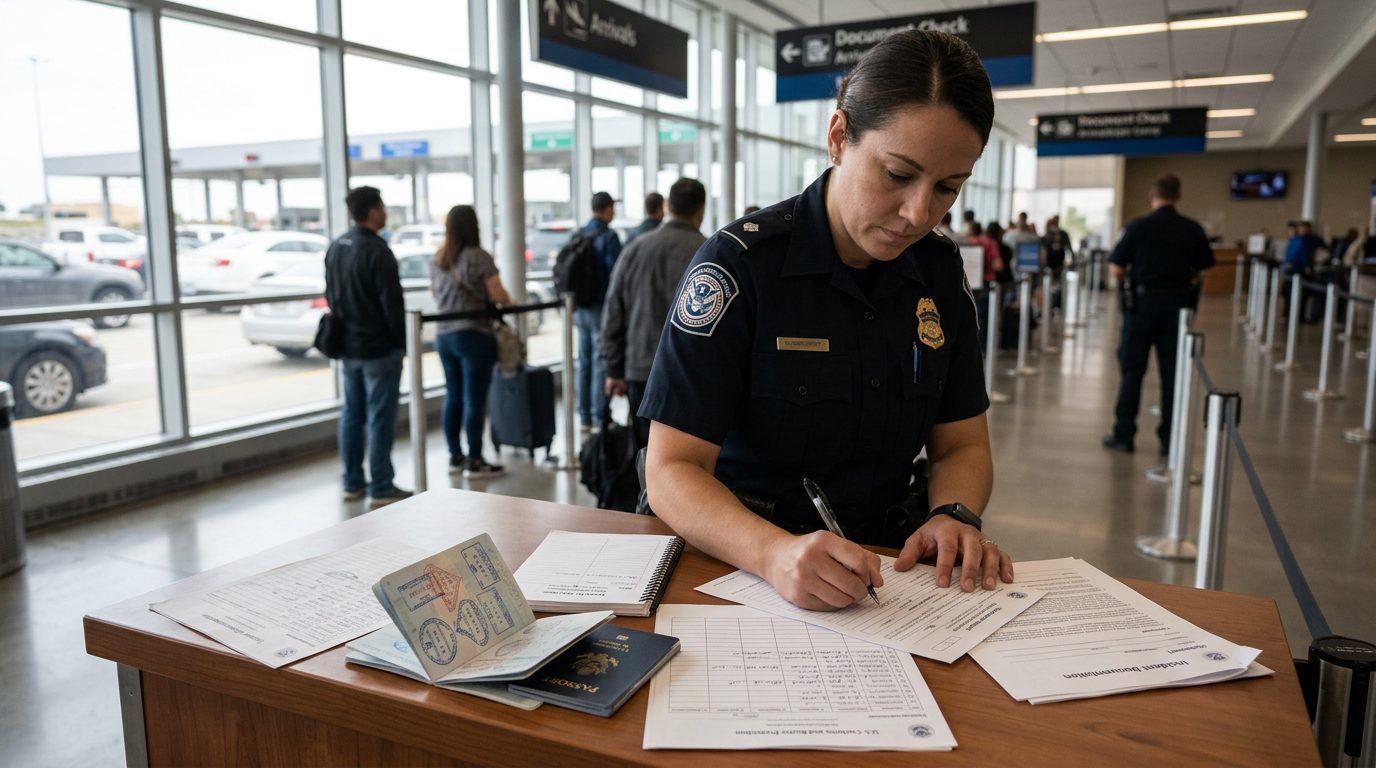
The statute covers the early steps. A typical sequence runs from the incident to the officer’s response, the written report, a possible arrest, a possible injunction petition, and any criminal charge. Each step creates paperwork that can become part of the record.
The decision does not need the victim’s consent. The relationship between the parties does not control it either.
Florida law creates a cause of action for an injunction for protection against domestic violence under Fla. Stat. § 741.30. Bail decisions must consider the safety of the victim, any children, and others who may be at risk. Under Fla. Stat. § 741.2901, each state attorney must develop special units or assign prosecutors to focus on domestic violence cases, and those prosecutors and their support staff must receive training in domestic violence issues. Courts may also impose a no-contact order as a pretrial release condition, as the Florida Courts domestic violence outline explains.
Questions to bring to a lawyer about your situation
Gather the officer’s report, any rights notice, and any injunction papers before you talk with a lawyer. Write down the dates of service and any hearing notices. Ask what the report says about injuries and the incident.
The exact facts matter. Describe what happened as accurately and completely as you can. Small details in a report can shape how the case moves.
Does Florida require a police report if no arrest is made?
Yes. Florida Statute 741.29 requires a written police report regardless of whether an arrest is made.
Does Florida domestic violence require proof of physical injury?
No. The Miami-Dade State Attorney’s Office states that a domestic violence crime in Miami-Dade does not require proof of physical injury.
Can an injunction and a criminal case run at the same time?
Yes. They are separate proceedings and can move on different tracks.
Talk with Patrick Wilson Law about your situation
Reading a statute while a family member or you face a domestic violence investigation is stressful. The rules can feel hard to sort out alone.
Patrick Wilson Law is a Miami criminal defense firm. Its work includes domestic violence defense across Miami-Dade, Broward, Fort Lauderdale, and the Florida Keys. Call 786-761-1719 or leave a message to schedule a free, confidential first consultation with no obligation to continue, or contact Patrick Wilson Law online.
Officer Procedures
The statute sets out steps responding officers must follow when they investigate an alleged domestic violence incident.
Medical Care
It addresses assistance with medical treatment for the alleged victim when the incident calls for it.
Victim Resources
It requires the officer to inform the alleged victim about the local domestic violence center.
A Procedure Law
The statute governs how an investigation is conducted. It does not decide whether anyone is guilty.
Procedure Is Not the Same as Guilt
A police report that follows the steps in Florida Statute 741.29 is not a finding that a crime occurred. Every detail of how the investigation was handled can matter to the defense, and it is worth reviewing early.
How Our Team Approaches a Domestic Violence Case
Review the Investigation
We examine the officer's report, the steps taken at the scene and the documentation that followed.
Explain Your Options
We walk you through the charge, the process ahead and the questions that matter most in your case.
Protect Your Record
We focus on protecting your future, including your employment, your family and your reputation.
Confidential From the Start
Your first consultation is free and confidential, with no obligation to continue.
Have Questions About a Domestic Violence Investigation? Talk to Patrick Wilson Law.
Related practice areas
- Miami Domestic Violence Defense Attorney | Patrick Wilson Law
- Miami Domestic Violence Arrest: Is It Mandatory in Florida?

