
Criminal Defense | South Florida
Arrested While on Probation in Florida: What Happens Next
A new arrest during probation triggers serious consequences. Patrick Wilson Law helps you navigate probation violation hearings and protect your freedom.
By Patrick David Wilson · Published October 01, 2026
Arrested While on Probation in Florida: What Happens Next
A new arrest while on probation in Florida triggers two distinct legal proceedings at the same time: one for the new criminal charge and a separate case for violating the terms of your probation. These are not the same case, and they follow different rules. Understanding the difference—and what happens in the hours and days after your arrest—is essential to protecting your rights.
If you've been arrested while on probation in Miami-Dade, Broward, or the Keys, you're facing two separate legal battles at once—and the decisions you make now matter. Reach out to discuss what comes next. Talk it through with our team — the first consultation is free, confidential, and carries no obligation.
When You’re Arrested While on Probation: Two Separate Cases
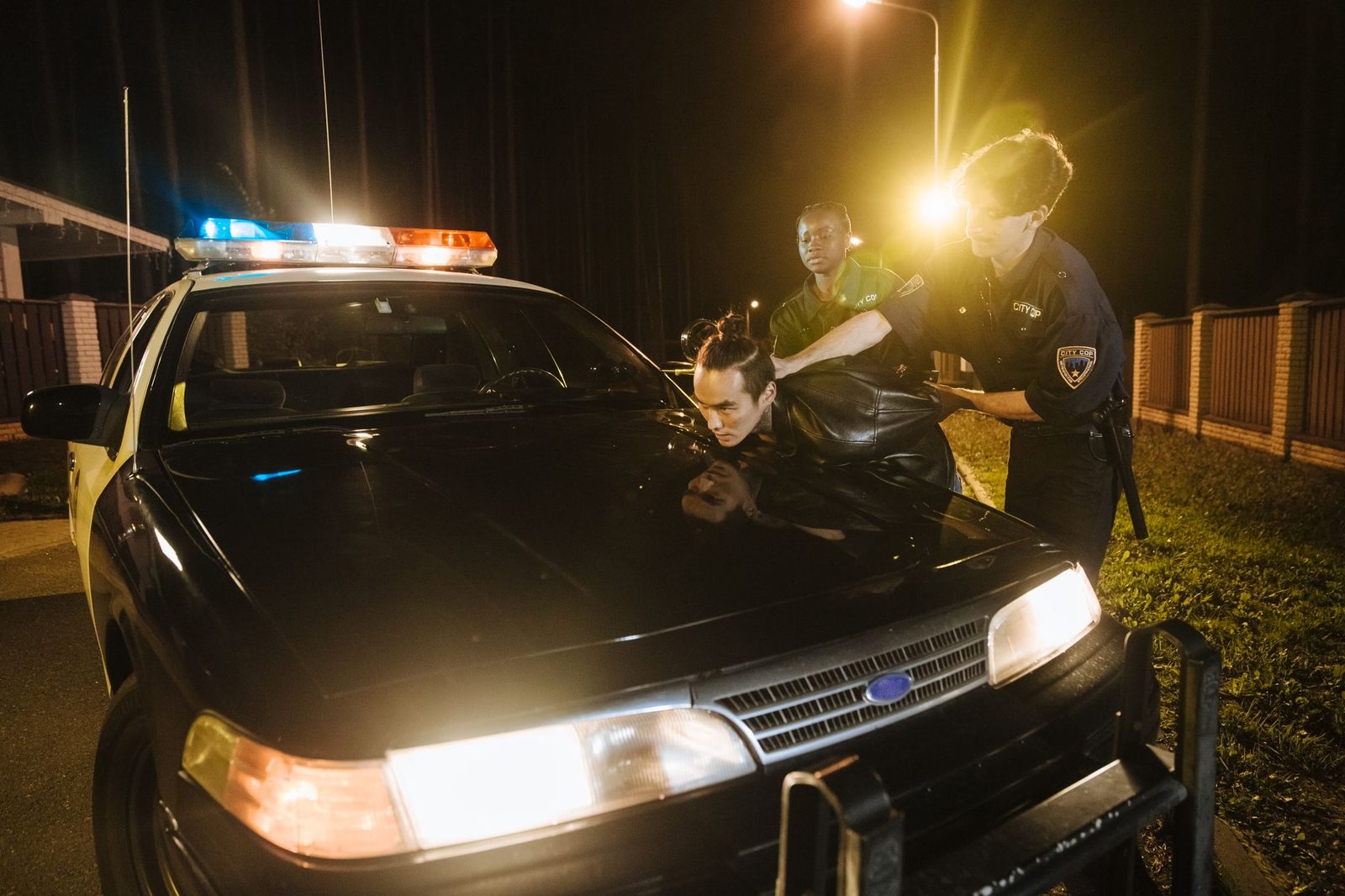
When you’re arrested on a new charge while on probation, the state pursues you on two fronts simultaneously. The first is the new criminal case itself. The second is a violation of probation (VOP) proceeding, which is a separate legal action.
This matters because each case has its own burden of proof, its own hearing process, and its own potential consequences. A conviction on the new charge will almost certainly lead to a probation violation finding, but the two cases remain legally distinct. Even if the new charge is dismissed or you’re acquitted, the state may still pursue a probation violation case based on other alleged violations of your probation terms.
What Happens Immediately After Arrest
After you’re arrested, you’ll be taken into custody and booked on the new charge. Your probation officer will be notified of the arrest. Depending on the circumstances, a probation violation warrant may be issued, or you may be held pending a probation violation hearing.
You have the right to a first appearance hearing within 24 hours on the new criminal charge. At that hearing, a judge will consider whether probable cause exists for the new offense and will address bond. Your probation status may affect your bond eligibility or the conditions the judge imposes—for example, the judge may set a higher bond or add conditions like electronic monitoring or increased reporting requirements.
The Probation Violation Hearing: How It Works
A probation violation hearing is a separate proceeding from any trial on the new charge. The hearing may happen before, during, or after the new case is resolved.
The critical difference: the state’s burden of proof in a violation hearing is much lower than in a criminal trial. In a criminal trial, the state must prove guilt beyond a reasonable doubt. In a probation violation hearing, the state only needs to prove the violation by a preponderance of the evidence—meaning it’s more likely than not that you violated probation.
At the hearing, you have the right to be represented by an attorney, to present evidence in your defense, and to cross-examine witnesses against you. The hearing officer or judge will consider whether you committed the new offense or violated other probation terms (such as failing to report, leaving the jurisdiction without permission, or associating with prohibited individuals).
How Long Can You Stay in Jail for a Probation Violation?
If the judge finds that you violated probation, they can impose any sentence that was available for the original offense you were on probation for. This means you could receive up to the maximum sentence for that original crime.
For example, if you were originally on probation for a felony that carried a maximum 5-year sentence, and you’re found to have violated probation, the judge could sentence you to up to 5 years in prison. The length depends on the severity of the original offense, the nature of the violation, and the judge’s discretion.
Time you’ve already served while awaiting the violation hearing will be credited toward any sentence the judge imposes. This is important: days or weeks in jail before your hearing count against any prison time you receive.
What Can’t You Do While on Probation?
Probation conditions vary by case, but they typically include:
- Not committing any new crimes
- Maintaining employment or school enrollment
- Paying fines and restitution on schedule
- Attending counseling, treatment, or educational programs as ordered
- Submitting to drug testing if required
- Reporting to your probation officer as directed
- Notifying your officer of any address changes
- Not leaving the jurisdiction without written permission
- Not associating with certain individuals (often those with criminal records or co-defendants)
Violating any of these conditions—in addition to a new arrest—can form the basis of a probation violation case. A technical violation (like missing a counseling session) is different from a substantive violation (like committing a new crime), but both can result in probation revocation.
Not sure what your next step is?
Talk it through with our team — the first consultation is free, confidential, and carries no obligation.
The New Criminal Charge: Running Parallel to the Violation Case
While the probation violation hearing is happening, the new criminal charge proceeds through the criminal justice system independently. You’ll have a first appearance, discovery (the exchange of evidence), and potentially plea negotiations or a trial.
A conviction on the new charge will almost certainly result in a probation violation finding. However, the reverse is not automatic: even if the new charge is dismissed or you’re acquitted, the state may still pursue a violation based on other alleged breaches of probation terms. Your probation status and any pending charges may also be considered during sentencing if you’re convicted on the new offense.
Why Legal Representation Matters in This Situation
Facing both a new criminal charge and a probation violation case at the same time is complex. An attorney who handles both criminal defense and probation matters can:
- Challenge the evidence in both the new criminal case and the violation hearing
- Argue for probation reinstatement with modified conditions rather than revocation
- Negotiate with the state to resolve both matters more favorably
- Protect your rights at every stage—from first appearance through violation hearing
- Sometimes prevent a violation warrant from being issued or secure a lower bond through early intervention
The decisions made in the first hours and days after your arrest can affect the outcome of both cases. Having someone in your corner who understands the dual nature of these proceedings makes a real difference.
Next Steps: What to Do Now
Do not ignore any arrest notice or court paperwork. Gather information about the charges against you and any probation violation allegations. If you have documentation of your probation compliance history, keep it accessible.
Prepare for your first appearance hearing on the new charge—this is where bond and initial conditions will be set. Most importantly, reach out to an attorney who has experience with both criminal defense and probation violation cases. The sooner you get representation, the sooner someone can begin protecting your rights in both proceedings.
Frequently Asked Questions
Can probation be reinstated after a violation?
Yes. If you’re found to have violated probation, the judge may reinstate probation with modified or stricter conditions rather than revoke it entirely. Reinstatement depends on the severity of the violation and the judge’s discretion.
What’s the difference between a probation violation hearing and a criminal trial?
In a criminal trial, the state must prove guilt beyond a reasonable doubt. In a probation violation hearing, the state only needs to prove the violation by a preponderance of the evidence—a much lower standard. You also have fewer procedural protections in a violation hearing than in a trial.
Do I need an attorney for a probation violation hearing?
You have the right to be represented by an attorney at a probation violation hearing. Having legal representation is strongly advisable because the consequences can include revocation and incarceration for the original offense.
Can I get bond after a probation violation arrest?
Whether you get bond depends on the new charge and the violation allegations. Your probation status may affect bond eligibility or conditions. An attorney can argue for bond at your first appearance hearing.
What if I’m acquitted on the new charge—does that end the probation violation case?
Not necessarily. An acquittal on the new charge does not automatically prevent a probation violation finding. The state may still pursue a violation based on other alleged breaches of your probation terms, though an acquittal may weaken their case.
If you’ve been arrested while on probation in Miami-Dade County, Broward County, or anywhere across South Florida, you’re managing two legal cases simultaneously—and the window to act is narrow. People in your exact situation reach out regularly, and having an attorney who understands both the criminal charge and the probation violation process can shift the trajectory of both proceedings. Contact us for a free consultation to discuss what you’re facing and what comes next.
Act Quickly
An arrest while on probation can lead to immediate violation charges. The sooner you contact a criminal defense attorney, the sooner we can begin protecting your rights and building your defense strategy.
What Happens After an Arrest on Probation
Probation Officer Notification
Law enforcement typically notifies your probation officer immediately. Your officer may file a violation report, and you could be taken into custody pending a violation hearing.
The Violation Hearing
Unlike a criminal trial, a probation violation hearing has a lower burden of proof. The state must show by a preponderance of the evidence that you violated probation—not proof beyond a reasonable doubt.
Possible Outcomes
The judge may reinstate probation with modified conditions, extend your probation term, impose jail time, or revoke probation entirely and send you to prison to serve your original sentence.
Your Right to Counsel
You have the right to legal representation at a probation violation hearing. An attorney can challenge the evidence, cross-examine witnesses, and argue for the most favorable outcome.
How Patrick Wilson Law Can Help
Defense Against Violation Charges
We examine the evidence against you and challenge probation violations on legal and factual grounds, from questioning the reliability of allegations to disputing procedural violations.
Representation at Your Hearing
We represent you at the probation violation hearing, cross-examine witnesses, present evidence in your favor, and advocate for probation reinstatement or the least restrictive outcome.
Strategy for New Criminal Charges
If your arrest involves new criminal charges—DUI, domestic violence, sexual battery, or other felonies—we defend you on both fronts: the new charges and the probation violation.
Support for Licensed Professionals
If you hold a professional license, a probation violation or new arrest can threaten your career. We work to minimize the impact on your professional standing and livelihood.
Common Scenarios We Handle
DUI Arrest While on Probation
A new DUI charge during probation compounds the risk. We defend the DUI charge itself while also fighting the probation violation allegation.
Domestic Violence Arrest During Probation
Domestic violence allegations while on probation can result in immediate violation proceedings. We challenge the evidence and defend your rights at every stage.
Technical Violations vs. New Arrests
Missing a probation meeting or failing a drug test is a technical violation; a new arrest is a substantive violation. Both require immediate legal action, but the strategies differ.
Probation Reinstatement After Violation
Even if a violation is found, reinstatement with modified conditions may be possible. We present mitigation evidence and argue for a second chance.
Don't Face a Probation Violation Alone
Related practice areas
- Miami Probation Violation Attorney | Patrick Wilson Law
- First-Time DUI Offense in Florida: Penalties & Defense

