

White Collar Crime Defense | South Florida
White Collar Crime Investigations Often Begin Before Any Charges
Patrick David Wilson focuses on white collar crime defense in South Florida. This guide explains the pre-charge investigation steps in plain language, so you know what you may be facing.
By Patrick David Wilson · Published October 13, 2026
A white collar crime investigation process usually begins quietly, often before anyone is charged. In Florida, it can include document requests, subpoenas, interviews, searches and, in some cases, a grand jury. Most of the fact-gathering happens in this stage before charges. This page explains each step in plain language so you know what you may be facing.
Patrick David Wilson is the lawyer responsible for this page. The information here is general. How any step applies to you depends on the facts and the applicable law. If you have received a document, read it first, then use this page as a guide.
What Is a White Collar Crime Investigation?
A white collar crime investigation is the fact-gathering stage that may happen before any charge is filed. White collar crime usually means non-violent financial, fraud, or business-related offenses. Florida defines it in Fla. Stat. § 775.0844. The definition covers certain felonies, including those committed with intent to defraud and those involving fraud or deceit on a person.
An inquiry may start as a civil, regulatory, or criminal matter. The difference is often unclear at first. A letter from an agency may look like a routine review. A phone call may not say what kind of case it is. Do not assume which category your matter falls into. Read every document, and note who sent it and what it asks you to do.
Not sure what your next step is?
Talk it through with our team — the first consultation is free, confidential, and carries no obligation.
How Does a White Collar Investigation Begin?
The white collar crime investigation process often starts with a complaint, an audit, an agency referral, a whistleblower report, or a report from a financial institution. Some inquiries begin with a routine review of records. The person under investigation may not learn about it right away. The first sign is often a letter, a phone call, or a visit.
How an inquiry starts does not decide whether charges follow. That depends on the evidence, the applicable law, and the choices of the prosecuting office. In Florida, sworn complaints charging a crime are filed with the clerk of the circuit court and delivered to the state attorney, as Fla. R. Crim. P. 3.115 explains. That step does not by itself mean charges will follow.
Subpoenas, Document Requests, and Records Review
A document request asks you to provide records, and it may be voluntary. A subpoena is a formal order to produce records or appear. Florida’s rule on witness subpoenas covers subpoenas before a court, as Fla. R. Crim. P. 3.361 states. It does not cover every request an investigator may send before charges.
If a subpoena calls for books, papers, or documents, you may ask the court to quash or modify it before the compliance date. The court may do so if the subpoena is unreasonable and oppressive. A witness who refuses to obey a subpoena may be held in contempt.
Banks follow their own rules too. Some subpoenas may include a nondisclosure provision. That can bar the institution from telling the customer about it. An account holder may learn of a subpoena late, or not at all, from the bank.
Read every request closely. Keep original records intact. Do not alter, delete, or destroy anything. The scope and deadline depend on the document and who issued it. Responding or not responding can have legal consequences, depending on the facts.
Interviews, Target Letters, and Requests to Talk
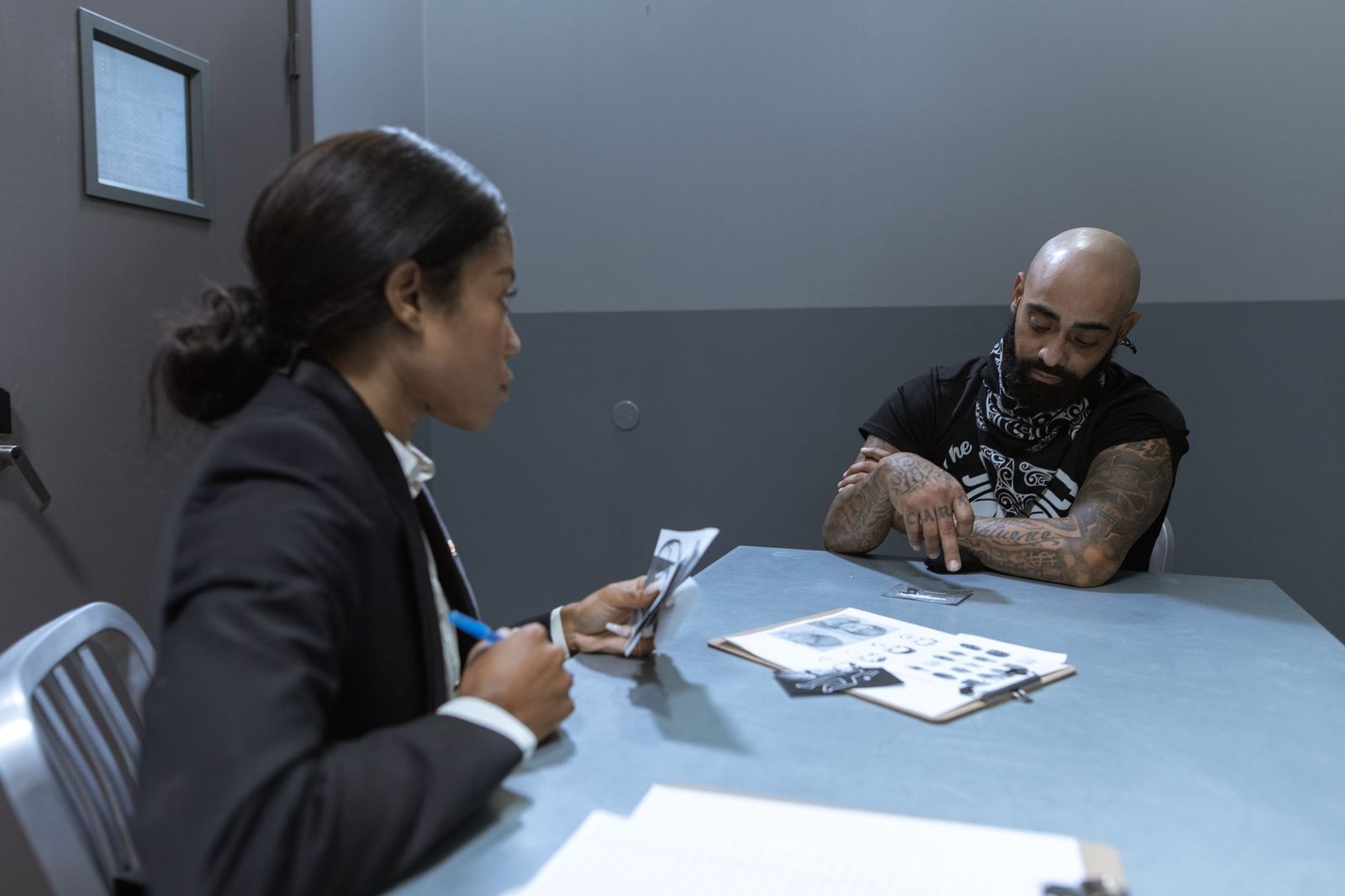
An investigator may ask you to come in for an interview. Whether you can decline, or bring a lawyer, depends on the circumstances. A target letter or subject letter signals how an office views you. Its meaning depends on who issued it and on the facts, so read it carefully and do not guess.
Statements to investigators can be used later, sometimes in ways you do not expect. Speaking quickly can create a record that is hard to correct. Getting legal advice before you speak is a common step. It can help you understand what you may decline to say, depending on the circumstances.
No response to an interview request can predict how the matter ends. The right approach depends on your facts and the law that applies.
Surveillance, Financial Tracing, and Monitoring
Some investigative work happens out of view. You may not know an inquiry is active while investigators are still gathering information. Tools can include financial tracing, data analysis, review of public filings, and information from people who cooperate with investigators. Nothing on this page says any of these methods is being used in your matter.
Financial law can matter here too. Under Fla. Stat. § 896.101, “knowing” for transactions involving more than $10,000 in U.S. currency can include what a person should have known after reasonable inquiry. An exception applies if a reporting duty exists and was followed. Whether any method was lawful depends on the facts and applicable law. A lawyer can review it.
Searches, Seizures, and Asset Restrictions
Investigators may seek a search warrant for premises, devices, or accounts. A warrant defines what officers may look for and take. The exact scope depends on the warrant and the facts, so read it closely. Ask for a copy of any warrant and any inventory of items taken. Write down what was taken, when, and who was present.
Funds can be restricted too, and whether any restriction applies, and what steps are available to the account holder, depends on the facts and applicable law. Whether a hearing is available, and when it would be held, depends on the facts of the case and the applicable law. The owner may also produce evidence of legitimate business expenses and obligations. Whether an order applies to you depends on its terms and the law. A lawyer can review whether a search or seizure was lawful, which is a fact-specific question.
Not sure what your next step is?
Talk it through with our team — the first consultation is free, confidential, and carries no obligation.
Grand Jury Proceedings and the Path to Charges
A grand jury may hear evidence in some investigations. Under Fla. R. Crim. P. 3.140, a grand jury may indict for any offense. Charges may also be filed by information, which is a written statement of the essential facts. Whether any charge is filed depends on the evidence, the applicable law, and the prosecuting office’s decisions.
Investigation, target or subject status, and formal charges are different stages. Receiving a subpoena or letter does not by itself mean charges will follow. Timing rules generally start after an arrest or service of a capias. Under Fla. R. Crim. P. 3.134, the deadline to file formal charges depends on custody status. Under Fla. Stat. § 775.15, a prosecution on a new charge generally starts when an indictment or information is filed, if the process is executed without unreasonable delay. How long the pre-charge stage lasts depends on the facts of each case.

Next Steps and Speaking With Patrick David Wilson
The first practical step is to gather and keep every document you received. Make a dated list of every call, letter, and visit. Avoid discussing the matter with co-workers, business partners, or others involved, since those conversations can be repeated.
A lawyer can review the specific request, explain what it asks for, advise on responses, and evaluate possible defenses. Outcomes depend on the facts and applicable law. The white collar crime defense attorney page covers this practice area in more detail. If a case has already ended, sealing and expunging records is a separate topic. Eligibility depends on the facts and applicable law, so see the seal and expunge criminal records page.
How is a white collar crime investigation carried out?
It usually begins with information gathering, such as document requests, subpoenas, and interviews. Steps and timing depend on the facts and the agency involved.
Do I have to talk to investigators?
Whether you may decline depends on the facts of your case and applicable law. Getting legal advice before you speak is a common step.
Can a bank tell me about a subpoena for my account?
Some subpoenas may include a nondisclosure provision that bars the bank from telling you. Whether that applies depends on the specific subpoena.
Is a white collar investigation civil or criminal?
It can be either, and the difference is often unclear at first. Read every document carefully before deciding how to respond.
If you have received a subpoena, document request, or interview request you don’t understand, you can arrange a free, confidential, no-obligation initial consultation with Patrick David Wilson. Call 786-761-1719, or send a message through the contact page.
What to Keep in Mind Before Charges
The Investigation May Be Quiet
A white collar matter can be under review for some time before anyone is charged. Early activity may not look like a formal case.
Records and Requests Matter
Document requests and subpoenas can carry obligations. How and whether to respond depends on the specific request and applicable law.
Your Statements Can Have Consequences
Interviews and written explanations can shape the investigation. Speaking with a lawyer before answering questions is an important step to consider.
Outcomes Depend on the Facts
Every investigation is different. What applies to one matter may not apply to another, and results depend on the facts and applicable law.
Do Not Ignore an Investigation Contact
If you receive a subpoena, a document request, or a request for an interview, do not assume it can be set aside. Each situation depends on its own facts and the applicable law.
Common Pre-Charge Investigation Steps
Document Requests
Investigators may ask for financial, business, or personal records. The scope and deadline of any request should be reviewed with a lawyer.
Subpoenas
A subpoena may require records or testimony. Whether it can be challenged or narrowed depends on its terms and the applicable law.
Interviews
Agents may ask to speak with you or with people connected to your business. Whether to participate, and how, is a decision that depends on the facts.
Searches and Grand Juries
In some cases, searches or grand jury proceedings may be part of the process. The effect on your situation depends on the facts and applicable law.

