

DUI Manslaughter Defense | Miami, Florida
Facing a DUI Manslaughter Charge? Know Where You Stand Before You Decide Anything
Patrick Wilson Law defends people across Miami-Dade, Broward and the Florida Keys against DUI and traffic homicide charges, including first-time offenders and licensed professionals.
By Patrick David Wilson · Published November 22, 2026
If someone you love has been charged with DUI manslaughter, the first question is usually how much time they could face. If you are facing a serious criminal charge, the penalties you could face depend on the specific charge and the facts involved. A judge sets the actual sentence, but a person convicted of DUI manslaughter must be sentenced to a mandatory minimum term of imprisonment of 4 years.
How long is the prison sentence for DUI manslaughter in Florida?
The charge and its possible consequences depend on the facts of each case. People often say “jail,” but this offense carries a prison term.
The statute says a person convicted of DUI manslaughter “shall be sentenced to a mandatory minimum term of imprisonment of 4 years” (Fla. Stat. § 316.193). A judge cannot go below that floor after a conviction.
Families often hear the mandatory minimum first. That number sets the floor for every sentencing discussion in these cases.
It is not life imprisonment.
Many families focus only on the years. Prison time is one part of the penalty. Fines, license loss and restitution follow a conviction too, and each one adds to what the case costs.
If someone you love is facing a DUI manslaughter charge, you don't have to sort out the sentencing questions on your own, and we're glad to talk them through with you. Talk it through with our team — the first consultation is free, confidential, and carries no obligation.
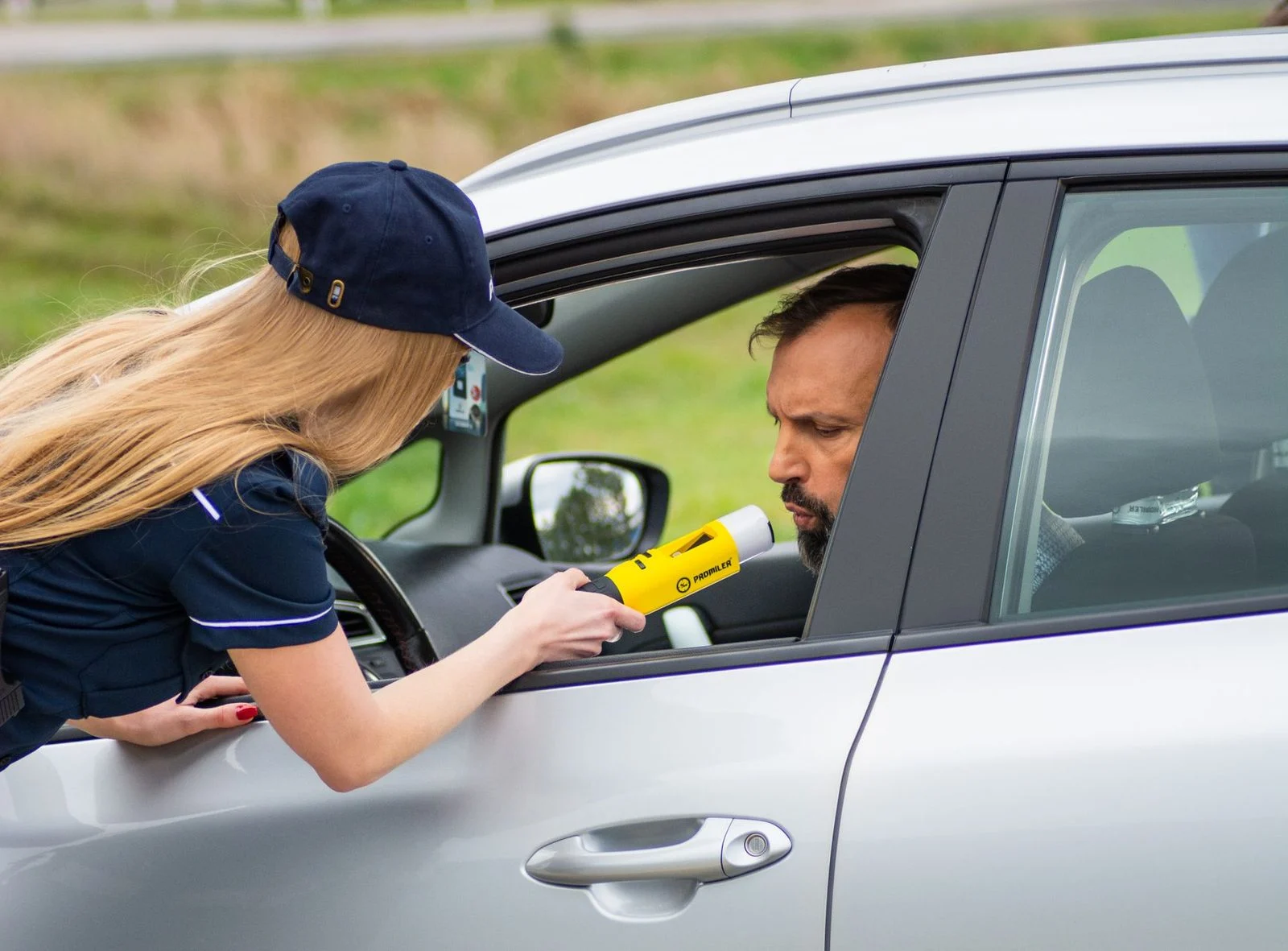
Is DUI manslaughter the same as vehicular homicide in Florida?
DUI manslaughter is charged under the DUI statute, not the homicide statute, even though someone died. The state must prove the driver was impaired and that the driving caused the death.
The law asks whether the driver was affected to the extent that normal faculties are impaired (Fla. Stat. § 316.193). That is the impairment element.
Vehicular homicide is different. Under Fla. Stat. § 782.071, it is the killing of a human being, or the killing of an unborn child by any injury to the mother, caused by the operation of a motor vehicle by another in a reckless manner likely to cause the death of, or great bodily harm to, another.
The main difference is the conduct the state must show. DUI manslaughter focuses on impairment. Vehicular homicide focuses on reckless driving. The charge in the court papers tells you which statute applies.
Is a DUI a felony in Florida?
Not every DUI is a felony. Whether a DUI-related charge is a felony or a misdemeanor depends on the facts of each case. Whether a DUI is charged as a felony depends on the specific facts of the case.
Repeat offenses can reach felony levels.
A DUI that causes serious bodily injury to another is a third-degree felony (Fla. Stat. § 316.193). Florida ranks felonies by degree: capital, life, first, second and third (Fla. Stat. § 775.081).
Knowing the felony level matters.
How does a judge set the sentence within the range?
A judge sets the sentence using the Criminal Punishment Code scoresheet and the facts of the case. The scoresheet produces total sentence points, and those points lead to a lowest permissible sentence (Fla. Stat. § 921.0024).
If total sentence points are 44 or fewer, a non-prison sanction is the lowest permissible sentence, unless the court determines within its discretion that a prison sentence, which may be up to the statutory maximums for the offenses committed, is appropriate. Above 44 points, the statute subtracts 28 points and reduces the rest by 25 percent. That result gives the lowest prison term in months.
The points come from the offense and the person’s prior record. The scoresheet sets a floor the court must follow unless it has a valid reason to depart.
Judges also weigh the crash and what the person did before and after it.
Plea negotiations can change the charge or the sentence. That is why the first offer is rarely the whole story.
What fines and license penalties come with a DUI manslaughter conviction?
A DUI manslaughter conviction requires a mandatory minimum prison term of 4 years under s. 316.193, and it can also bring a fine, court costs, restitution and a permanent loss of driving privileges. The fine is separate from any prison term.
Under Fla. Stat. § 775.083, the fine for a second-degree felony can reach $10,000. Felony court costs are $50, and those costs are separate from the fine.
Fla. Stat. § 322.28 says the court shall permanently revoke the driver license of anyone convicted of DUI manslaughter. If the court does not permanently revoke a commercial driver license within 30 days after sentencing for a human trafficking felony involving a commercial motor vehicle, the department must revoke it.
Restitution is also possible. Fla. Stat. § 775.089 requires restitution for losses caused by the offense. If the victim died as a result of bodily injury from the offense, the victim’s estate and next of kin can be included, and the defendant must pay the cost of necessary funeral and related services.
How does a conviction affect later record relief?
A dismissal or acquittal can open the door to expunction. A conviction generally closes it. Florida’s expunction statute sets the rules.
Under Fla. Stat. § 943.0585, a person may petition when no charging document was filed or issued, or when charges were dismissed, nolle prossed, or ended in acquittal or a not-guilty verdict, and the other eligibility requirements are met.
The same statute says a person who has been adjudicated guilty of a criminal offense in Florida does not meet the eligibility requirement. That rule matters most when a case ends in a conviction.
For a broader view of sealing and expunging Florida records, see our seal and expunge criminal records work. The answer for your case depends on how it ends.
Not sure what your next step is?
Talk it through with our team — the first consultation is free, confidential, and carries no obligation.
What happens after an arrest in a DUI manslaughter case?
After an arrest, a case usually moves through a bond hearing, an arraignment, pretrial steps, and then a plea or a trial. The Miami-Dade Clerk publishes information on the criminal court process, including bond hearings (Miami-Dade criminal court information).
Early choices, such as bond conditions, shape what comes next. Details vary by county, so timing and procedure can differ across South Florida courts.
Talk with Patrick Wilson Law about your situation
Watching a loved one face a DUI manslaughter charge is hard. You may be weighing whether to speak with a criminal defense lawyer, how to prepare for the next court date, and what the sentencing range means for the person charged.
Patrick Wilson Law, PLLC is a Miami criminal defense firm. It defends DUI, vehicular homicide and other charges across South Florida. Patrick David Wilson is the responsible lawyer for this page.
To talk through the case, call 786-761-1719 or send a message through the contact page. The first consultation is free, confidential, and carries no obligation to continue.
La consulta inicial es gratuita, confidencial y sin compromiso de continuar.
How Patrick Wilson Law Approaches DUI Manslaughter Cases
Criminal defense focus
Our practice focuses on criminal defense, including DUI, vehicular homicide and related traffic charges.
Confidential first consultation
The initial consultation is free, confidential and carries no obligation to continue.
Attorneys who work on your case
Our lawyers and our team review the facts, the charge and the evidence with you so you understand the options in front of you.
Serving South Florida
We represent clients in Miami, Miami Beach, Hialeah, Kendall, Homestead, Fort Lauderdale, Broward County and the Florida Keys.
Speak With a Lawyer Before You Speak to Investigators
Statements made to police or prosecutors can shape how a DUI manslaughter case unfolds. Contact a lawyer before answering questions about the crash.
Steps to Take After a DUI Manslaughter Charge
Understand the charge
Review the formal charging papers and what the State alleges about the crash, the impairment and the victim.
Preserve your records
Keep any documents from the arrest, bond, court and medical or insurance matters in one safe place.
Limit public comments
Avoid discussing the crash on social media or with anyone other than your attorney.
Call a lawyer early
Early involvement gives your defense more time to investigate the facts, the evidence and the sentencing exposure.

