

Seal & Expunge Records | Miami, Florida
Seal a DUI Record for a Spouse in Florida: What to Do
A calm, organized path for spouses who want to understand the process, gather the right papers, and decide on a next step.
How We Help Spouses Through the Process
Paperwork Gathering
We help you collect the court records, case numbers, and documents the process calls for, so nothing is scattered or missing.
Step-by-Step Tracking
We keep the steps and dates organized so you always know what has been done and what comes next.
Plain-Language Updates
Our team explains each stage in everyday terms, without legal jargon, so you can make informed decisions.
Confidential from the Start
Your information stays private from your first call, and the initial consultation is free and carries no obligation to continue.
By Patrick David Wilson · Published November 22, 2026
Your partner was arrested for DUI, and now you’re the one reading papers, making calls, and trying to plan. A DUI record can be sealed in Florida only in limited cases, usually when the case ended without a conviction.
This guide covers what you can do, what only your partner can do, and what sealing does not hide. It is general information, not advice on your partner’s case.
Who This Guide Is For and What Sealing a DUI Record Means
Sealing keeps a record away from the general public, but certain agencies can still see it. Expunction means the agencies holding the record must destroy it, and the state keeps a confidential copy (Fla. Stat. § 943.0585).
Florida’s rule treats the arrested person as the petitioner. A petition must include a sworn statement from that person (Fla. R. Crim. P. 3.692).
Patrick Wilson Law, PLLC is a criminal defense firm in Miami. It handles DUI, domestic violence, and sealing and expunction matters across South Florida, from Broward County to the Florida Keys.
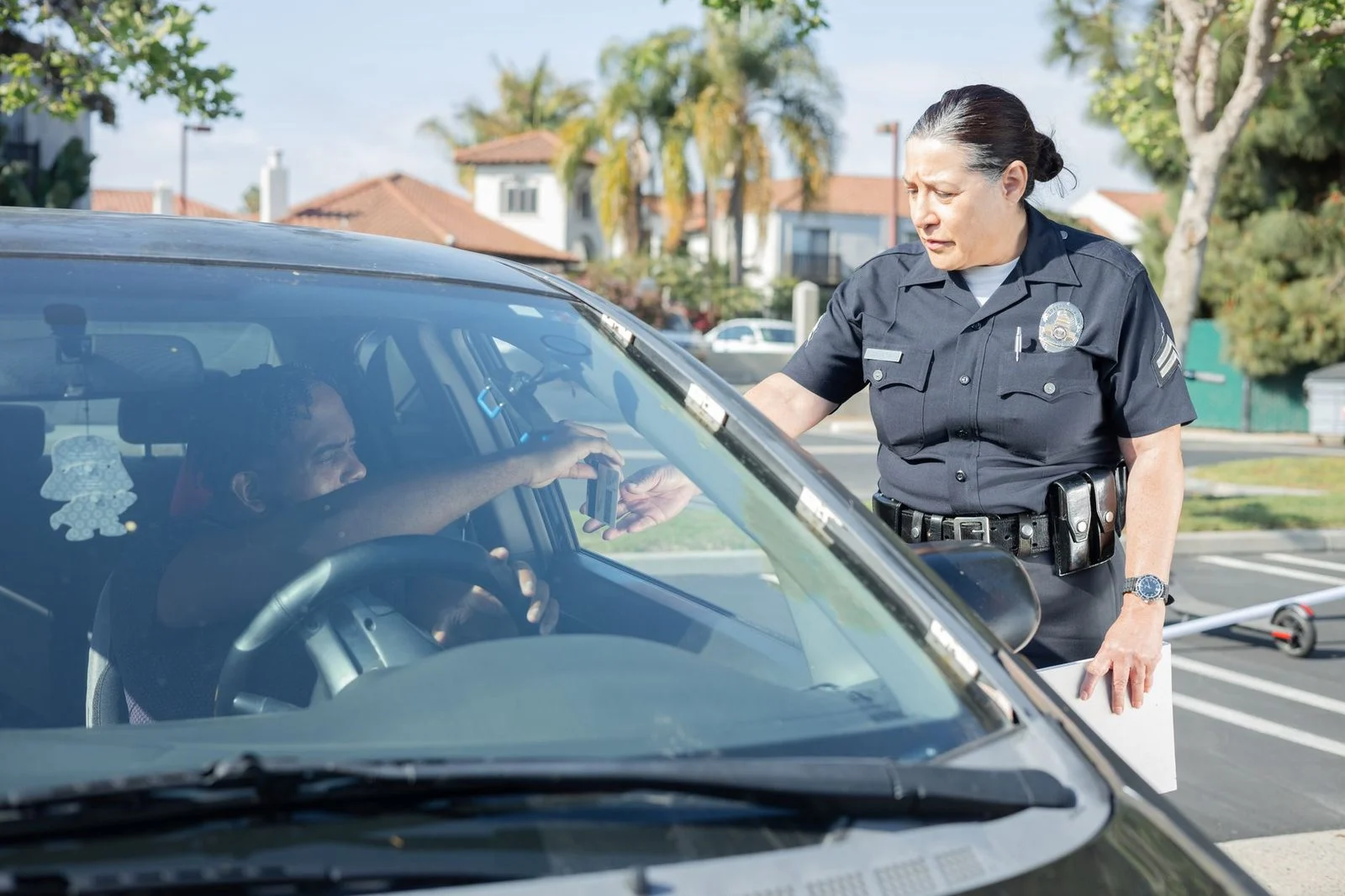
Can a Florida DUI Record Be Sealed?
Courts cannot withhold adjudication for a DUI violation (Fla. Stat. § 316.656).
Gather these facts before you call:
- How the case ended: dismissed, dropped, acquitted, or convicted.
- The arrest date and the county.
- Whether other arrests are part of the same history.
- Whether the DUI happened in another state. Florida law says no court may withhold adjudication for a DUI violation under s. 316.193 (Fla. Stat. § 316.656), and an out-of-state DUI record needs its own review: out-of-state DUI record review.
How a prior DUI affects a later charge, including one years later, depends on the facts.
What Your Partner Must Do Before Anything Is Filed
Your partner must first get a certificate of eligibility from the Florida Department of Law Enforcement (FDLE). A petition must come with that certificate (Fla. R. Crim. P. 3.692). The court cannot order agencies to seal a record until the petitioner has received the certificate.
The sworn statement says your partner meets the eligibility rules and has no other sealing or expunction petition pending. Your partner makes that statement under oath.
Getting the certificate does not mean the sealing is granted. A court, not FDLE, decides whether to grant the petition (FDLE sealing FAQ).
What you can do to help:
- Collect the arrest report, charging papers, and court disposition papers.
- Write down case numbers, the county, and key dates.
- Keep a copy of every filing and receipt.
- Put every deadline on a shared calendar.
Step-by-Step: How the Sealing Process Works
- Confirm the case outcome. Who: your partner, with you gathering papers. Needs: case numbers and the court’s disposition. Next: a consultation to review eligibility.
- Apply for the FDLE certificate of eligibility. Who: your partner. Needs: identity details and case information. Next: the certificate goes with the petition.
- File the petition with the clerk of court. Who: your partner, usually through counsel. Needs: the petition, the sworn statement, and the certificate. Next: copies go to the prosecutor and the arresting agency.
- Serve the prosecutor and arresting agency. Who: the filing side. Needs: copies of every paper. Next: the state may respond, and the court may take evidence on any factual issue (Fla. R. Crim. P. 3.692).
- The judge decides. Who: the court. Needs: the petition and any responses. Next: a written order if granted. The court can deny the request in its sole discretion (Fla. R. Crim. P. 3.692).
- The clerk sends the order. Who: the clerk of court. Needs: certified copies sent to named agencies. Next: keep your own certified copy.
Timing varies by county and court calendar, so track each stage.
Costs, Timing, and What to Expect
The petitioner pays for certified copies of court records unless the petitioner is indigent (Fla. R. Crim. P. 3.692). Ask for a full list of costs before you commit to anything.
The initial consultation is free, confidential, and carries no obligation to continue.
Plan around work, travel, and court dates. Write each date down, bring the paperwork to every meeting, and keep track of who is responsible for each task.
What Sealing Does Not Change
A sealed record stays confidential, but some licensing and employment entities can still see it. The department must disclose a sealed record to listed entities for licensing, access authorization, and employment purposes, and an employee of those entities may not disclose that a sealed record exists except to the person it concerns or to persons with direct responsibility for employment, access authorization, or licensure decisions, and a person who violates this rule commits a misdemeanor of the first degree, punishable as provided in s. 775.082 or s. 775.083 (Fla. Stat. § 943.059). Licensed professionals should plan for that when they fill out applications.
Non-citizens should bring any immigration concern to the consultation, since sealing may not end every consequence.
Not sure what your next step is?
Talk it through with our team — the first consultation is free, confidential, and carries no obligation.
Why Patrick Wilson Law, and Questions Spouses Ask
Patrick Wilson Law, PLLC focuses on criminal defense across South Florida, including DUI cases and sealing and expunction work. Patrick David Wilson is the responsible lawyer for this page. The firm’s lawyers include Patrick David Wilson and Sahara Fonseca.
Can my spouse seal the record without me?
You can gather papers, track deadlines, and keep copies.
Does a sealed DUI show up on a background check?
Sealed records stay confidential. Sealed records stay confidential. Listed licensing and employment entities can still get them for their licensing, access authorization, and employment purposes.
What if the record has more than one arrest?
A court can seal one arrest or one incident only. The exception is arrests that directly relate to the original arrest, and the order must say so.
Next Step: Talk With Our Team About Your Spouse’s Record
If a DUI arrest from the past is still on your household’s mind, you don’t have to work out the record’s options alone. Tell us how the case ended, and we’ll talk through whether sealing or expunction may be possible. Call 786-761-1719 or leave us a message.
Before you gather papers or file anything, confirm the details of your spouse's DUI case with a lawyer. Filing the wrong documents can slow the process down.
Questions Spouses Ask Most
Who can still see a sealed record?
Sealed records remain confidential, though some licensing and employment bodies may still have access. Ask a lawyer how those exceptions apply to your spouse's situation.
What paperwork should we start with?
Begin with arrest and court records, case numbers, and any sentencing documents you can locate.
Why talk to a lawyer first?
A focused review helps you avoid filing the wrong forms and missing a required step.

