
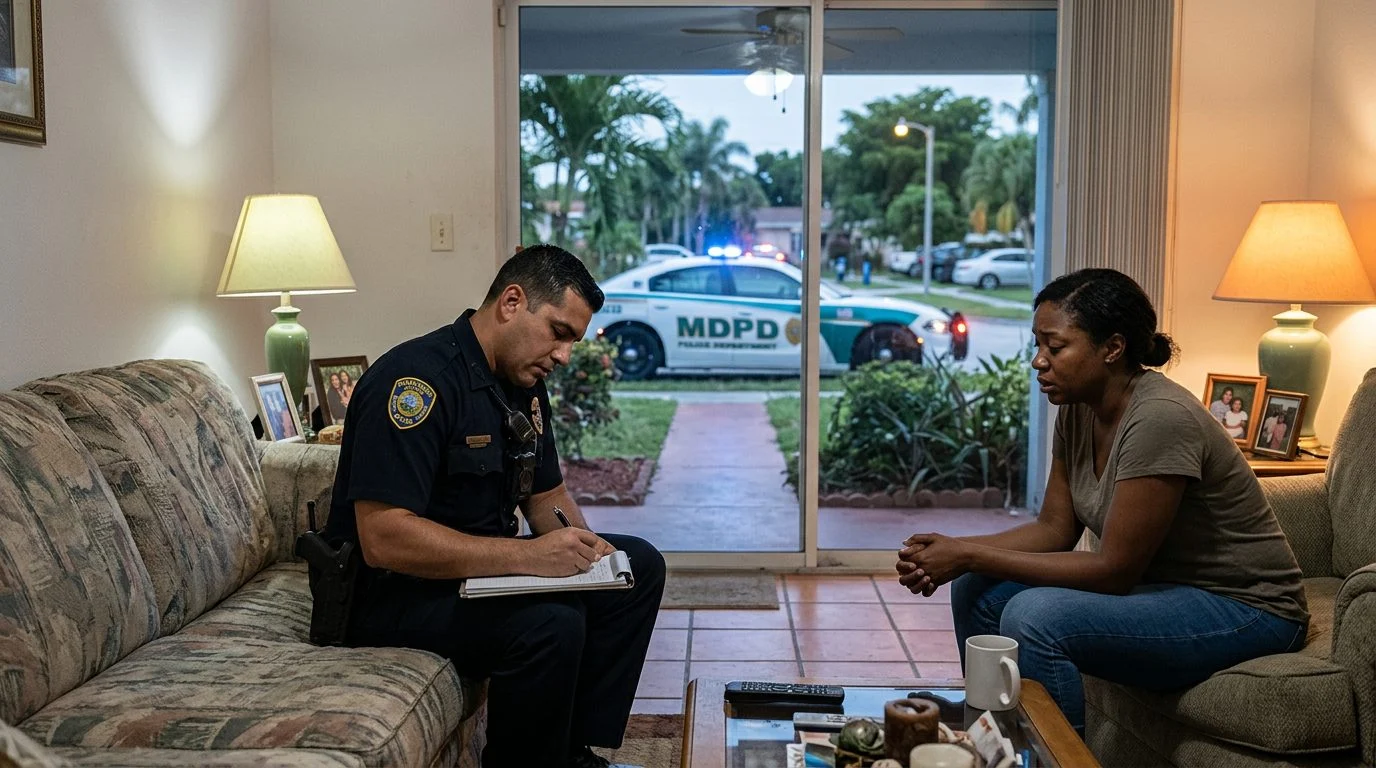
Domestic Violence Defense · Miami-Dade, Broward and the Florida Keys
Thinking About Sealing a Domestic Violence Record? Start With the Right Questions
Patrick Wilson Law helps South Florida clients work out where their record stands and what a sealing request would involve.
By Patrick David Wilson · Published November 20, 2026
Your domestic violence case ended without a conviction, but the arrest still shows up when a job, license or apartment application asks about your past. Can you seal it? In many cases, Florida law allows it, but only if the case ended a certain way and the statute does not bar the record.
This guide covers how to seal a domestic violence record in Florida, from eligibility to the FDLE certificate to the court petition.
What Sealing a Domestic Violence Record Means in Florida
Sealing closes a criminal history record to the general public, but it does not destroy the record.
Florida sealing is governed by Fla. Stat. § 943.059. An expunged record must be physically destroyed by criminal justice agencies, though the state keeps its own copy. Fla. Stat. § 943.0585 reads: “(6) EFFECT OF EXPUNCTION ORDER.— (a) Any criminal history record of a minor or an adult which is ordered expunged by a court of competent jurisdiction pursuant to this section must be physically destroyed or obliterated by any criminal justice agency having custody of such record, except that any criminal history record in the custody of the department must be retained in all cases.”
Florida’s automatic sealing statute says an automatically sealed record does not require sealing by other criminal justice agencies and keeps being maintained by the state and those agencies. Except as that section provides, it has the same effect as a court-ordered sealing.
It’s also for people who aren’t sure how their case ended. The record can come up when a licensing board, employer or immigration reviewer asks about past arrests and charges. In Miami-Dade, the State Attorney’s Office says a domestic violence crime does not require proof of physical injury.
If a dropped or withheld domestic violence case still surfaces on a job, license or immigration form, you don't have to sort out the sealing steps alone; talk with our team about how your case ended. Talk it through with our team — the first consultation is free, confidential, and carries no obligation.
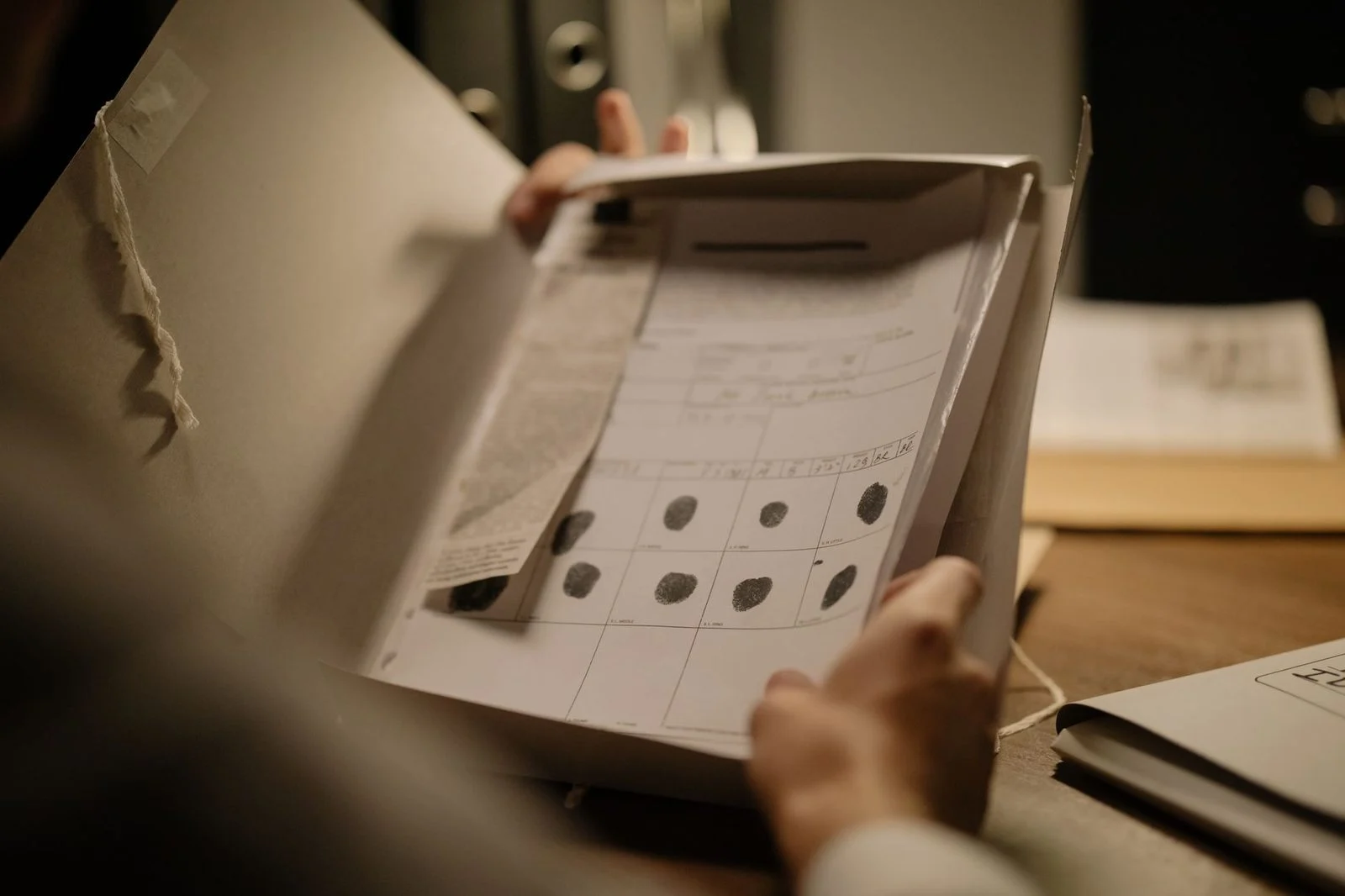
Who Is Eligible to Seal a Domestic Violence Record
- Dismissals and not-guilty outcomes. A case dismissed, ended by a nolle prosequi, closed with no information filed, or won by a not-guilty verdict has no adjudication of guilt. These are the typical starting points. Dismissed cases may also qualify for expunction.
- Withhold after a plea. Many people assume a withhold means no conviction. A guilty or no-contest plea counts as a conviction even when adjudication is withheld.
- Domestic battery convictions. A conviction for battery of a family or household member is on the ineligible list. So are felony battery, domestic battery by strangulation and aggravated battery. The definition of family or household member is in Fla. Stat. § 741.28.
- Third-degree felony withholds. A judge may not withhold adjudication for a third-degree felony that is domestic violence, unless the state attorney asks in writing or the judge makes written findings. See Fla. Stat. § 775.08435.
The FDLE Certificate of Eligibility
Before you file, you need a valid Certificate of Eligibility from the Florida Department of Law Enforcement (FDLE). The FDLE sealing FAQ confirms the certificate is required.
- Certified disposition. You must submit a certified copy of the disposition of the charge to FDLE, under § 943.059.
- Court timing. The court cannot order sealing until you have the certificate, and your petition must include it. See Fla. R. Crim. P. 3.692.
- Costs. You pay for certified copies unless you are indigent, under the same rule.
- Paperwork. Missing or mismatched court papers can stall the process. Get certified copies of the final disposition before you apply.
The Petition and the Court Process in Miami-Dade and Broward
You file a written petition with the clerk, attach your FDLE certificate and a sworn statement, and serve the prosecutor and arresting agency. Fla. R. Crim. P. 3.692 sets out these steps.
The sworn statement says you meet the eligibility requirement, you are eligible to the best of your knowledge, and no other sealing or expunction petition is pending.
The prosecutor and arresting agency may respond. The court may receive evidence on any factual issue before it rules. The court may deny the request at its sole discretion. The FDLE FAQ also notes that the court, not FDLE, decides whether to grant the petition.
If relief is granted, the clerk certifies the order to the state attorney and the arresting agency. The department then forwards the order to the FBI, under § 943.059. A sealed criminal history record is confidential and exempt, and is available only to the persons listed in s. 943.059(6)(a).
What Sealing Does and Does Not Change on a Background Check
Automatic sealing hides the record from general public view, but the state and other criminal justice agencies continue to maintain it.
Sealing does not erase the case from every database. Read each application question carefully, because some ask about arrests and others ask about convictions.
- For licensed professionals: Licensing boards and employers write their own questions. Read the exact wording before you answer, and keep a copy of your sealing order with your records.
- For non-citizens: Under 8 U.S.C. § 1227, a non-citizen convicted of a crime of domestic violence after admission to the United States is deportable. Immigration status needs its own review, separate from sealing.
- For first-time offenders: A sealed record stays out of routine public view, which can matter when an employer or landlord runs a search.
Frequently Asked Questions About Sealing a Domestic Violence Record
Most of these questions come down to how the case ended and whether you hold a valid FDLE certificate.
How do I seal a domestic violence record in Florida?
Confirm how the case ended, get an FDLE Certificate of Eligibility, then file a sworn petition with the clerk. The court decides whether to grant it.
Will a sealed domestic violence record show up on a background check?
Automatically sealed records are hidden from general public view, but the state and other criminal justice agencies continue to maintain them. Questions on each application are worded differently, so read them closely.
Can I seal a domestic violence charge that was dropped?
Dismissed cases may also qualify for expunction.
Can I seal a case where adjudication was withheld?
Under Fla. Stat. § 943.0584(1), a withhold of adjudication still counts as a conviction, because the statute defines ‘conviction’ as a determination of guilt regardless of whether adjudication is withheld.
Is the first meeting free?
Yes. The initial consultation is free, confidential, and carries no obligation to continue.
Not sure what your next step is?
Talk it through with our team — the first consultation is free, confidential, and carries no obligation.
Why Patrick Wilson Law Handles These Petitions
Patrick Wilson Law, PLLC is a Miami criminal defense firm, and sealing and expunging criminal records is one of its listed practice areas.
The firm focuses on South Florida criminal defense, including domestic violence, DUI, sexual battery and traffic homicide charges. It serves clients from Broward County to the Florida Keys, including Fort Lauderdale, Kendall, Hialeah, Miami Beach and Homestead.
Patrick David Wilson is the responsible lawyer for this page. The firm’s lawyers include Patrick David Wilson and Sahara Fonseca, and support staff assist with office work.
The firm works with first-time offenders and licensed professionals, whose records can affect a career. Each record is reviewed on its own facts, and we cannot predict how a judge will rule.
Talk Through Your Domestic Violence Record With Our Team
Your first step is a review of how your case ended, so you know which sealing path, if any, fits.
If a dropped or withheld domestic violence case still turns up on a job, license or immigration form, you have questions that need answers. Bring your certified disposition and case number to your first consultation. Our team will review the statute’s conditions with you and outline the FDLE and court steps.
Call 786-761-1719 or leave us a message.
Why Clients Bring Their Records to Patrick Wilson Law
A focused criminal defense practice
Our practice focuses on criminal defense, including domestic violence charges and record relief such as sealing and expungement.
A confidential first conversation
The first consultation is free, confidential and carries no obligation to continue.
Attorneys and staff who work together
Attorneys Patrick David Wilson and Sahara Fonseca are supported by office staff who help you keep each step organized.
Clients across South Florida
We represent people in Miami, Miami Beach, Hialeah, Kendall, Homestead, Fort Lauderdale, Broward County and the Florida Keys.
Do not assume your record is sealed
Automatic sealing and a sealing petition are different processes, and a record can still appear in some background checks. Do not file anything or rely on a record being hidden until you have reviewed how your case ended.
What to Gather Before Your Consultation
How the case ended
Note whether the charge was dismissed, resolved by plea or decided at trial, since the outcome shapes which path applies.
Your court paperwork
Bring the charging documents, final orders and any notices from the clerk, the State Attorney or the court.
Any other records
List other arrests or cases in Florida or elsewhere, because they can affect how a sealing request is reviewed.
Your current goals
Tell us whether the record affects your job, a license, housing or immigration status so we can focus the review on what matters most to you.

