
Seal & Expunge Records · Broward County
Moving Forward After Pretrial Diversion in Broward County
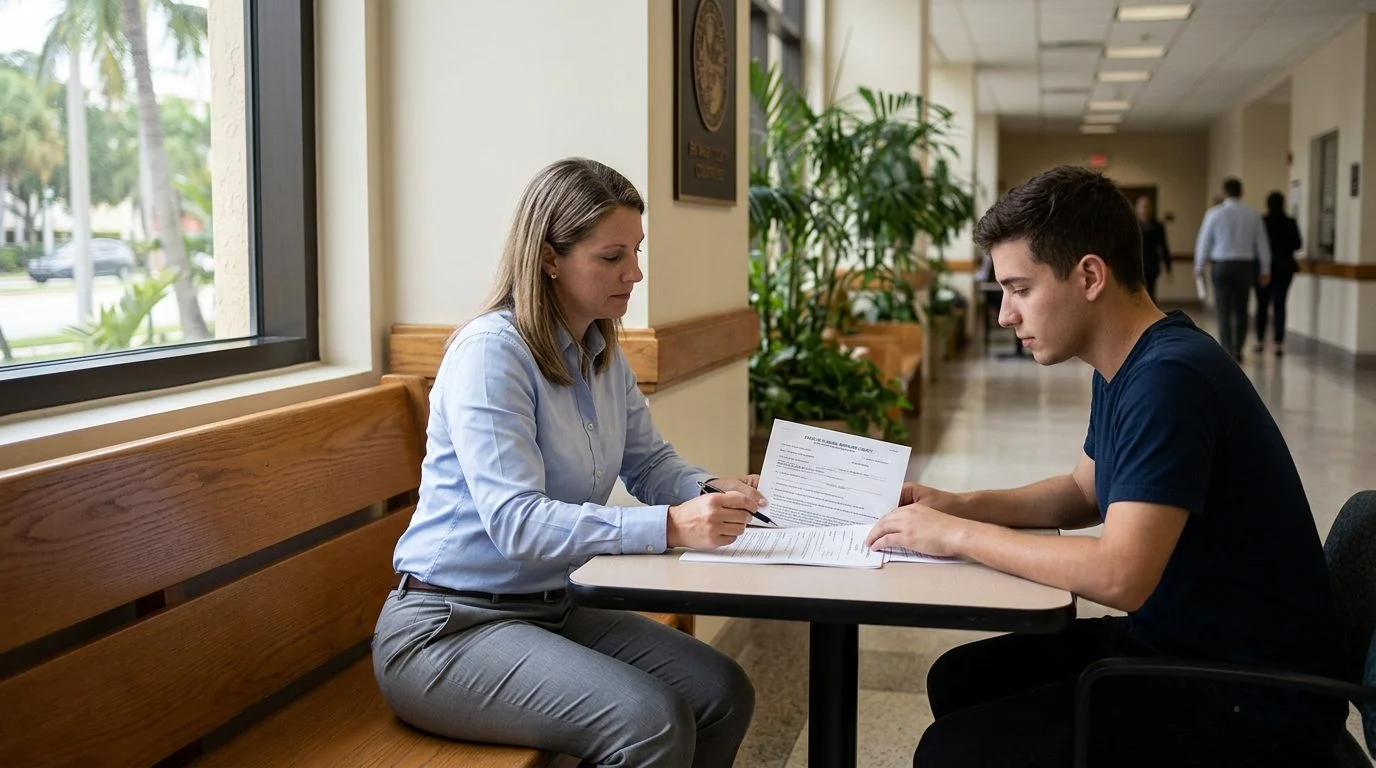
Patrick Wilson Law is a Miami criminal defense firm that helps Broward residents and first-time offenders ask the court to seal a record once their case is behind them.
By Patrick David Wilson · Published November 14, 2026
If your Broward County case ended through pretrial diversion, you may be wondering whether the arrest record can be sealed. In many situations it can, but only when the record meets Florida’s eligibility rules and the steps happen in the right order.
This page explains who can file, when to file, and how the process works. Patrick Wilson Law, PLLC is a Miami criminal defense firm that serves Broward County clients and limits its criminal defense work to the practice areas it handles.
What Sealing a Record After Pretrial Diversion Means
Sealing a record after pretrial diversion is a court order that keeps the record out of ordinary public view. Pretrial diversion lets an eligible person resolve a charge without a conviction by meeting set conditions. Under Fla. Stat. § 948.08, the program provides counseling, education, supervision, and treatment as appropriate. The court dismisses the charges after successful completion.
Sealing is governed by Fla. Stat. § 943.059. The record still exists. Courts and some agencies can still access it, and the state forwards a sealing order to the Federal Bureau of Investigation.
This guide is for adults in Broward County and for the parents, spouses, and adult children who research this for them. Many readers worry about jobs, licenses, and housing.
If a Broward County diversion case is still on your record, we can review it with you and explain whether sealing may be an option. Talk it through with our team — the first consultation is free, confidential, and carries no obligation.

Who Can File to Seal a Record After Pretrial Diversion
Check the offense type too. Under Fla. Stat. § 943.0584, a plea of guilty or nolo contendere counts as a conviction even when adjudication is withheld.
Other items to check:
- Any prior sealing or expunction of a record
- Any other petition to seal or expunge still pending before a court
- Any listed offense category that makes the record ineligible
Licensed professionals and first-time offenders often ask this question first. A record can affect employment, licensing, and housing decisions.
When You Can File: Timing and the Required Sequence
The certificate comes first, then the petition. Under Fla. R. Crim. P. 3.692, the petition must include a valid certificate of eligibility from the Florida Department of Law Enforcement. It must also include a sworn statement from the petitioner.
Timing matters. A certificate is valid for 12 months after the date stamped on it. After that, the person must reapply for a new one, according to Fla. Stat. § 943.059. The court cannot order an agency to seal a record until the petitioner has applied for and received the certificate.
Finish the diversion program first. Charges are dismissed once the program is successfully completed, so the dismissal should be in hand before you build the petition. A mistake in sequence can delay the whole case.
Sealing Versus Expunging a Record After Diversion
Sealing keeps the record but limits who can see it. Expunction goes further. Under Fla. Stat. § 943.0585, an expunged record must be physically destroyed or obliterated by agencies that hold it. The Florida Department of Law Enforcement must retain the expunged record in all cases; it is confidential and not available to any person or entity except upon order of a court of competent jurisdiction.
Expunction has its own rules.
Drug court is a separate path. Under Fla. Stat. § 948.08, a person whose charges are dismissed after successful completion of the treatment-based drug court program may have the arrest record and plea of nolo contendere to the dismissed charges expunged, if otherwise eligible. Sealing and expunction are not interchangeable. The right choice depends on the charge, the outcome, and your goals.
What the Broward Sealing Process Involves, Step by Step
Here is the usual sequence:
- Gather your documents. Collect the arrest report, the diversion order, proof of completion, and the case number.
- Check eligibility. Review the charge type, adjudication status, and any prior relief against the statutes above.
- Apply to FDLE. Obtain a Certificate of Eligibility. The Florida Department of Law Enforcement lists this as a required step.
- File the petition. File the written petition and sworn statement with the clerk. Serve the prosecuting attorney and the arresting authority.
- Attend any hearing. The prosecutor and arresting agency may respond to the court regarding the completed petition to seal. Once granted, obtain and track the signed order.
Costs apply along the way. The petitioner pays for certified copies unless the petitioner is indigent, under Rule 3.692. FDLE and clerk charges may also apply. Timelines vary by court and agency workload.
Common Questions About Sealing After Diversion
Each short answer below is general. Your own record needs a review.
Can a record be sealed after pretrial diversion in Florida?
Yes, if the record meets the statutory requirements. The court still has discretion to deny the request.
Who decides whether a record is sealed?
The court decides. The Florida Department of Law Enforcement issues the Certificate of Eligibility, but it does not grant the petition.
Does sealing erase the record?
No. Sealing limits access, and some courts and agencies can still see the record.
Will a sealed record show up on a background check?
Read our guide on whether an expunged record shows up on a background check for how records are reported.
Not sure what your next step is?
Talk it through with our team — the first consultation is free, confidential, and carries no obligation.
Why Patrick Wilson Law for Sealing After Pretrial Diversion
Patrick Wilson Law, PLLC is a Miami criminal defense firm. It serves clients across South Florida, including Broward County, Miami-Dade County, and the Florida Keys. The firm’s practice areas include first-time offender defense and sealing and expunging criminal records.
Patrick David Wilson is the responsible lawyer for this page. The firm’s lawyers include Patrick David Wilson and Sahara Fonseca. Support staff help with records and filings.
The firm’s process is straightforward. It reviews the diversion order first. It checks eligibility before any filing. It explains each step in writing and in conversation, so you know what comes next.
Talk Through Your Broward Case Before You File
If a diversion case is behind you, you do not have to sort out the sealing questions alone. Start with a conversation about your actual order and your records.
The first consultation is free, confidential, and carries no obligation to continue.
Call 786-761-1719, or send a message through the contact form.
How Our Team Approaches Your Petition
Record Review
We review the case file, the diversion terms and the arrest history to see what the petition process will involve.
Careful Preparation
Our lawyers prepare the sealing paperwork and supporting documents with attention to each detail the court will examine.
Clear Communication
You will learn what each step requires, what to expect and what you need to provide, in plain language.
Representation From Start to Finish
Patrick David Wilson and the firm's lawyers and staff stay with your petition from the first review through the court filing.
Speak With a Lawyer Before You File
Filing paperwork on your own or contacting the court without advice can create problems for your petition. Talk with a lawyer about your specific record before you take any step.
What to Bring to Your Free Consultation
Your Diversion Paperwork
Bring any agreement, order or notice you received from the court or the prosecutor's office.
Your Case Number
The case number and the court where your matter was handled help us locate your file quickly.
Questions About Your Record
Write down what concerns you most, whether it is employment, licensing, housing or school.

