
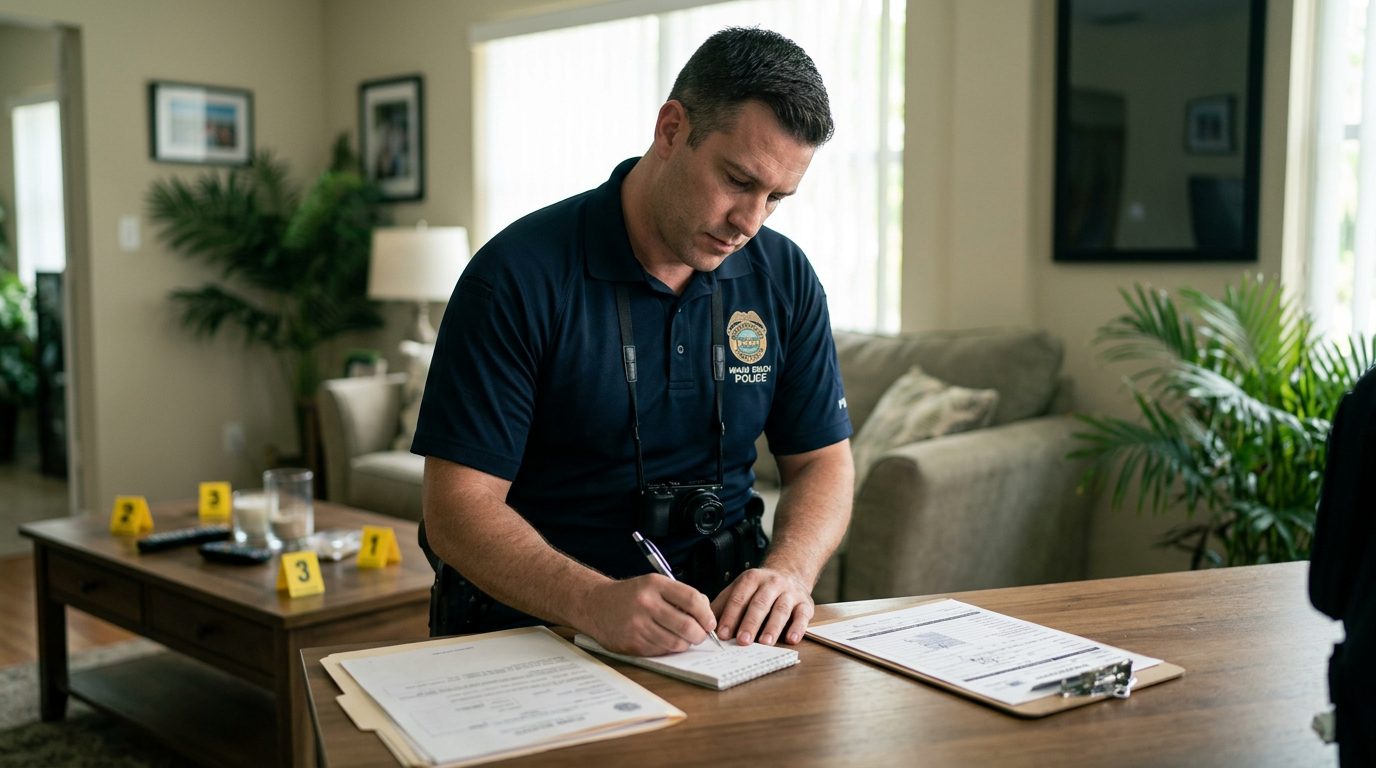
Sexual Battery Defense
Sexual Battery Defense Attorney in Miami Beach
Aggressive criminal defense for sexual battery charges across South Florida. Patrick Wilson Law defends your rights and your future.
By Patrick David Wilson · Published September 30, 2026
Sexual Battery Defense Attorney in Miami Beach: What You Need to Know
If you’ve been arrested for sexual battery in Miami Beach or Miami-Dade County, the immediate legal steps you take—and the attorney you choose—will shape everything that follows. Sexual battery charges are serious felonies that carry prison time, sex offender registration, and permanent damage to your career and reputation. Understanding what you’re facing, how the arrest process works, and what defenses exist is your first step toward protecting your rights and your future.
If you're facing sexual battery charges in Miami Beach or South Florida, you're not alone—people in your situation can contact us to understand their options and protect their future. Talk it through with our team — the first consultation is free, confidential, and carries no obligation.

What Constitutes Sexual Battery Under Florida Law
Sexual battery under Florida Statute § 794.011 is defined as non-consensual sexual contact or penetration. The statute distinguishes between sexual battery without physical force or coercion and sexual battery with force, threats, or coercion—each carries different penalties. Consent is the central issue in most cases: the alleged victim must have voluntarily agreed to the sexual contact, and that consent must have been knowingly given.
In Miami Beach and throughout Miami-Dade County, sexual battery charges often arise from situations where consent is disputed. A single witness’s account, lack of physical injury, or delayed reporting doesn’t automatically mean guilt. The prosecution must prove beyond a reasonable doubt that the alleged victim did not consent and that you knew or should have known consent was absent.
Immediate Steps After a Sexual Battery Arrest in Miami Beach
When you’re arrested for sexual battery in Miami-Dade County, you’ll be transported to a police station or the Miami-Dade County jail for booking. During this process, police will attempt to question you. This is the moment your constitutional rights become critical: you have the right to remain silent and the right to speak with an attorney before answering any questions.
Many people believe cooperating or explaining themselves will help. It rarely does. Anything you say can and will be used against you in court. Contacting a defense attorney immediately—before police questioning—is the single most important step you can take. An attorney protects your Fifth Amendment right against self-incrimination and ensures that any statements you do make are strategic and informed.
How No-Contact Orders Change the Legal Picture Immediately After Arrest
In nearly all sexual battery cases in Miami-Dade County, the court will issue a no-contact order as a condition of release or bond. This civil injunction prohibits you from having any direct or indirect contact with the alleged victim. “Indirect contact” includes communication through family, friends, social media, email, or third parties. Violating a no-contact order is a separate criminal offense and will severely damage your defense.
No-contact orders typically remain in effect throughout the criminal case and may extend beyond it. Modification or termination is possible but requires a court order. If you’re employed in a field requiring background checks, or if you have professional licenses at stake, a no-contact order can trigger immediate employment consequences, licensing board inquiries, and professional isolation.
Defense Strategies That Work in Florida Sexual Battery Cases
Sexual battery defenses in Florida fall into several categories. Consent is an affirmative defense: if you can show that the alleged victim consented to the sexual contact, the charge fails. Consent must be freely given, informed, and voluntary—it can be withdrawn at any time. The prosecution’s burden is to prove lack of consent beyond a reasonable doubt.
Mistaken identity is another defense: if the alleged victim cannot reliably identify you as the perpetrator, or if evidence points to someone else, the case may be dismissed or result in acquittal.
False accusation occurs when the alleged victim has a motive to lie—anger, revenge, or financial gain. Credibility challenges to witness testimony, inconsistencies in their account, and evidence that contradicts their version of events all weaken the prosecution’s case.
Forensic evidence and chain of custody are critical. DNA evidence, medical examination findings, and physical evidence must be properly collected, documented, and preserved. If evidence was mishandled, contaminated, or lost, it may be excluded from trial or its reliability challenged through expert witnesses.
Fourth and Fifth Amendment Protections That Directly Affect These Cases
Your Fourth Amendment right protects you against unlawful search and seizure. If police obtained evidence—such as text messages, photographs, or physical evidence—without a warrant or valid exception to the warrant requirement, that evidence may be suppressed (excluded from trial) through a motion to suppress. Evidence obtained in violation of your Fourth Amendment rights cannot be used against you.
Your Fifth Amendment right protects you against self-incrimination. Police must provide Miranda warnings before custodial questioning. If you weren’t read your rights, or if you invoked your right to counsel and police continued questioning, any statements you made may be inadmissible. These constitutional violations directly strengthen your defense and can result in dismissal or acquittal.
Not sure what your next step is?
Talk it through with our team — the first consultation is free, confidential, and carries no obligation.
Sexual Battery Charges and Licensed Professionals in Miami Beach
If you hold a professional license—as a physician, attorney, therapist, teacher, or in another regulated field—a sexual battery charge triggers two separate legal proceedings: the criminal case and a licensing board investigation. The licensing board operates independently of the criminal court and may impose sanctions (suspension, revocation, or probation) even if you’re acquitted criminally.
Early legal intervention is essential. An experienced defense attorney can coordinate your criminal defense with steps to protect your professional standing, including communication with your licensing board and strategies to minimize collateral professional consequences.
First-Time Offense Considerations in Florida
If you have no prior criminal history, your first-offense status may open doors that aren’t available to repeat offenders. Pre-trial intervention (PTI) programs and diversion programs allow eligible first-time offenders to avoid prosecution if they meet program conditions. Successful completion results in dismissal of charges. Even without diversion, first-offense status can influence charging decisions, plea negotiations, and sentencing.
Romeo and Juliet Law: Key Aspects and Applicability
Florida Statute § 794.048, commonly called the Romeo and Juliet law, provides an affirmative defense in certain age-gap situations. If you’re no more than 4 years older than the alleged victim and the alleged victim is at least 14 years old, you may be eligible for this defense. If successful, it eliminates the requirement to register as a sex offender—a life-altering consequence.
The Romeo and Juliet defense is narrow and has specific requirements. It doesn’t eliminate criminal liability entirely; it addresses sex offender registration. An attorney can evaluate whether this defense applies to your case.
Can the Alleged Victim Drop the Charges Against Me?
No. Sexual battery is a crime against the state of Florida, not against the individual alleged victim. The State Attorney’s Office, not the alleged victim, decides whether to prosecute. Even if the alleged victim recants their statement, asks the prosecutor to drop charges, or refuses to cooperate, the state can proceed with prosecution based on other evidence.
Victim recantation can be helpful to your defense, but it does not by itself lead to dismissal. Understanding this reality helps you avoid false hope and focus on building a strong legal defense.
What Is the 33-Day Speedy Trial Rule in Florida?
Florida’s speedy trial rule requires the state to bring a defendant to trial within 33 days of arrest in misdemeanor cases and 175 days in felony cases (with limited exceptions). This rule is a procedural protection that prevents indefinite delay. However, it also means your case moves quickly, making early preparation and discovery critical. Your attorney must be ready to move fast, file motions, obtain evidence, and prepare your defense on an accelerated timeline.
If you're facing sexual battery charges in Miami Beach or South Florida, you're not alone—people in your situation can contact us to understand their options and protect their future. Talk it through with our team — the first consultation is free, confidential, and carries no obligation.
Sealing and Expunging Sexual Battery Records in Florida
If charges are dismissed or you’re acquitted, Florida Statute § 943.0585 allows you to seal or expunge your arrest record. Sealing closes the record to public view; expungement destroys it. Once sealed or expunged, you can legally state you were not arrested for the offense. This protects your employment prospects, housing applications, professional licensing, and reputation.
The process requires filing a petition with the court. An attorney can guide you through eligibility requirements and ensure the petition is properly prepared and filed.
Why You Need a Defense Attorney in Miami Beach Now
The hours and days immediately after arrest are critical. Decisions made during this window—whether to speak to police, what information to provide, how to respond to the no-contact order—will affect your entire case. A public defender is assigned only after arraignment; by then, important opportunities may be lost.
Patrick Wilson Law serves Miami Beach, Miami-Dade County, and all of South Florida. We handle sexual battery defense for first-time offenders, licensed professionals, and individuals facing life-changing charges. We understand the local court system, the Eleventh Judicial Circuit procedures, and the State Attorney’s Office. We move quickly, protect your constitutional rights, and build a defense strategy tailored to your circumstances.

Frequently Asked Questions
What is the difference between sexual battery and sexual assault in Florida?
Sexual battery and sexual assault are often used interchangeably in Florida law; Fla. Stat. § 794.011 defines both as non-consensual sexual contact or penetration, with penalties varying by force, coercion, and victim age.
How much does a sexual battery defense attorney cost in Miami?
Fees vary based on case complexity, whether the charge is a misdemeanor or felony, and the anticipated trial length; most firms charge hourly rates or flat fees, and early consultation helps clarify costs and what’s included.
What is the penalty for violating a no-contact order?
Violation of a no-contact order is a separate criminal offense in Florida, typically charged as a misdemeanor, and can result in jail time, fines, and additional criminal charges that compound your legal exposure.
How does consent work as a defense in sexual battery cases?
Consent is an affirmative defense: you must show the alleged victim voluntarily agreed to the sexual contact, knew what they were agreeing to, and was capable of consenting at the time; the prosecution bears the burden of proving lack of consent beyond a reasonable doubt.
What role does forensic evidence play in sexual battery prosecutions?
Forensic evidence—DNA, medical examination findings, and physical evidence—can support or undermine the prosecution’s case; chain of custody, proper collection, and expert testimony are critical to admissibility and credibility.
If you’re facing sexual battery charges in Miami Beach or South Florida, you
How Patrick Wilson Law Defends Sexual Battery Cases
Thorough Case Investigation
We examine evidence, witness statements, and the circumstances surrounding the allegations to identify weaknesses in the prosecution's case.
Protection of Your Rights
From arrest through trial, we ensure law enforcement and prosecutors follow proper procedures and respect your constitutional protections.
Clear Communication
We explain the charges, the legal process, and your options in plain language so you understand what comes next.
Local Knowledge
We handle cases throughout South Florida—Miami Beach, Miami-Dade County, Broward County, Fort Lauderdale, and the Keys—and know the local courts and prosecutors.
Act Quickly
Sexual battery charges carry serious penalties, including prison time and sex offender registration. The sooner you contact a criminal defense attorney, the sooner we can begin protecting your rights and building your defense.
What to Expect When You Contact Us
Free Initial Consultation
We listen to your account of events, explain the charges and potential consequences, and discuss your defense options—at no cost.
Detailed Case Review
We obtain police reports, witness statements, and evidence to understand the prosecution's case and identify opportunities to challenge it.
Defense Strategy
Based on the facts and the law, we develop a strategy tailored to your situation—whether that means negotiation, motion practice, or trial preparation.
Ongoing Support
We keep you informed every step of the way and answer your questions so you know what to expect and what happens next.
Ready to Defend Your Case?
Related practice areas
- Sexual Battery Defense Attorney in South Florida | Patrick Wilson Law

