
Sexual Battery Defense
Protect Your Career and Freedom
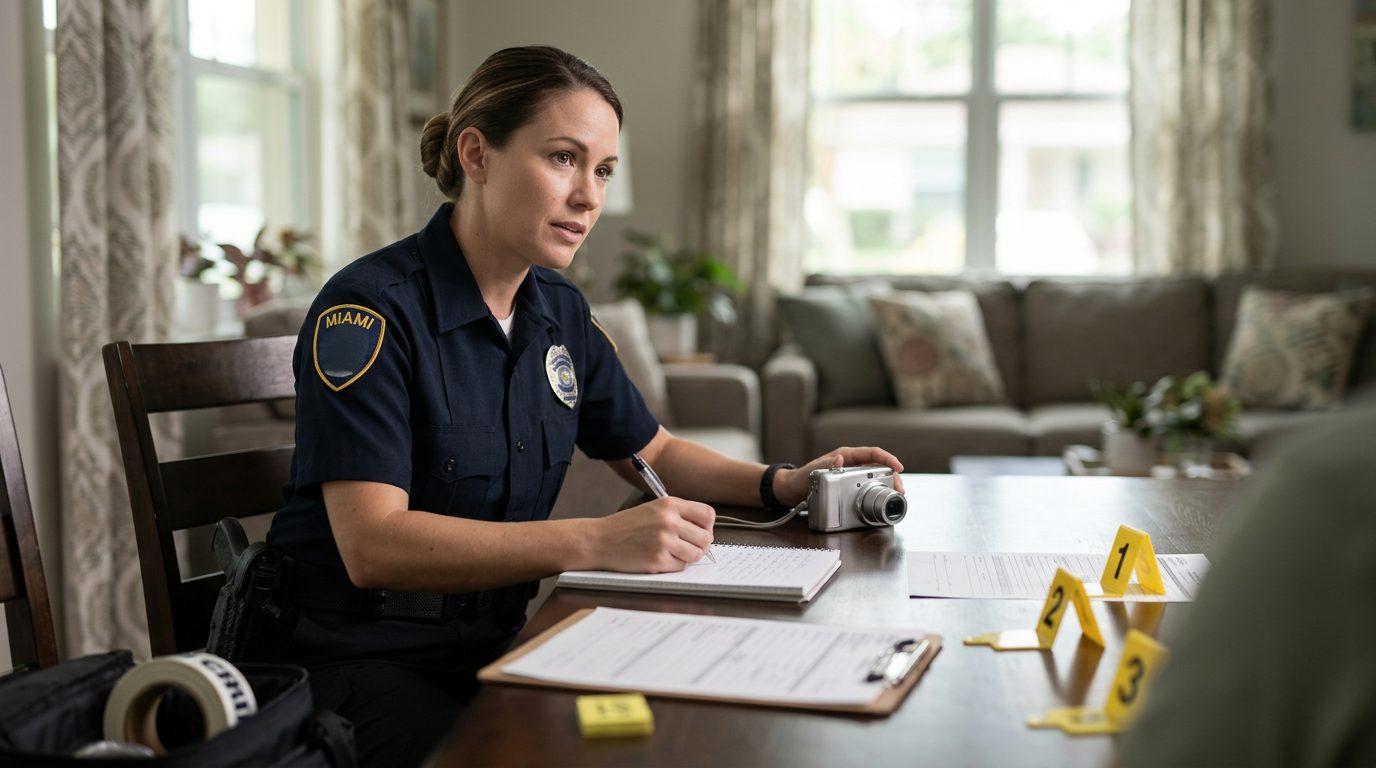
A sexual battery charge against a licensed professional is a dual crisis—criminal prosecution plus a separate licensing board investigation. You need defense counsel who understands both battles and coordinates strategy across both fronts.
By Patrick David Wilson · Published October 02, 2026
Sexual Battery Defense for Licensed Professionals in South Florida
A sexual battery charge against a licensed professional isn’t just a criminal matter—it’s a dual crisis that threatens your freedom, your career, and your reputation simultaneously. Criminal prosecution runs parallel to a separate investigation by your professional licensing board, either of which can end your career even if the other resolves in your favor. You need defense counsel who understands both battles and coordinates strategy across both fronts.
Patrick Wilson Law defends licensed professionals in Miami-Dade, Broward, and South Florida counties facing sexual battery allegations. Patrick Wilson focuses on first-time offenders and professionals whose careers are at stake, and addresses both the criminal case and questions about protecting your professional standing.
If you're facing sexual battery allegations in Miami-Dade, Broward, or South Florida, reach out immediately. Talk it through with Patrick Wilson — the first consultation is free, confidential, and carries no obligation.
What Sexual Battery Charges Mean for Licensed Professionals
Sexual battery under Florida Statutes involves non-consensual sexual contact. Conviction can result in felony charges with prison sentences ranging from years to decades, depending on the circumstances and the alleged victim’s age.
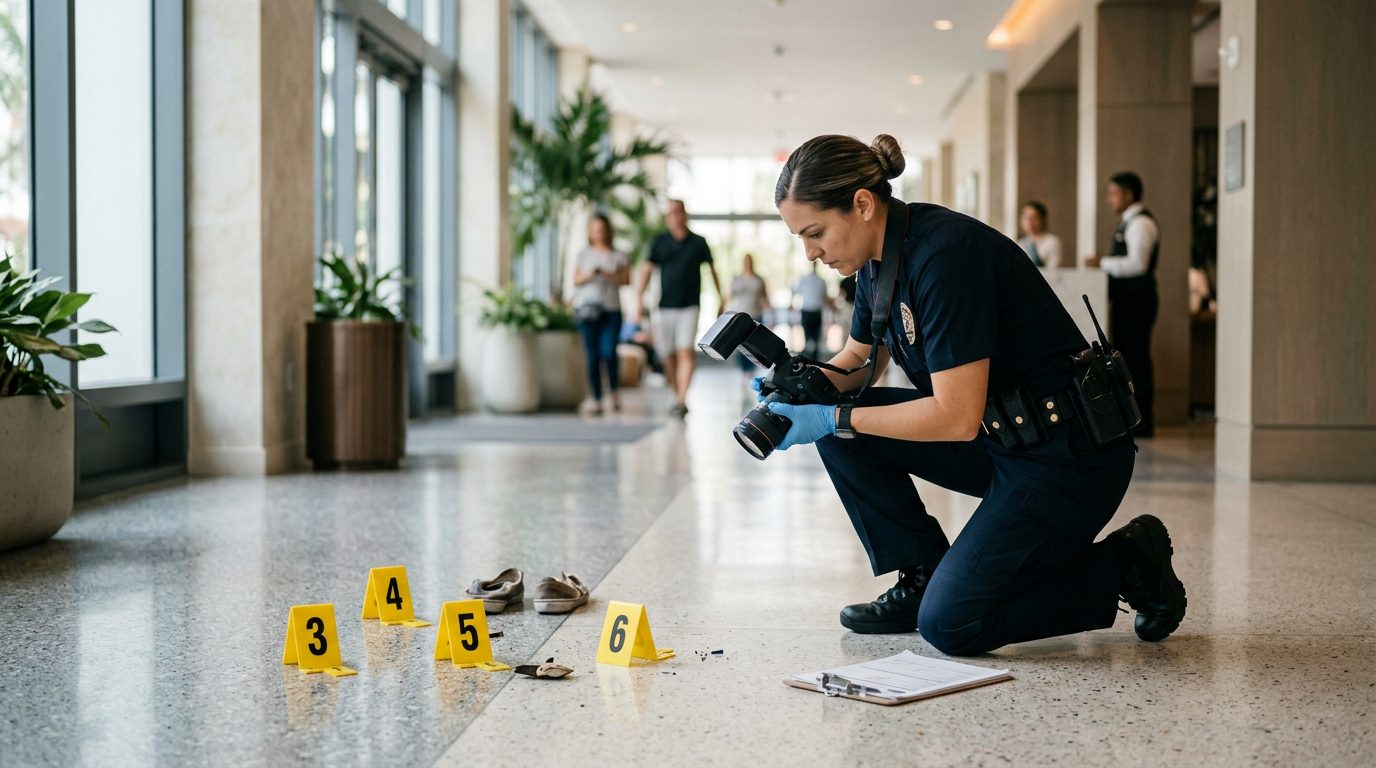
But criminal conviction is only one threat. Your professional licensing board—whether medical, legal, educational, financial, or real estate—conducts a separate investigation based on its own standards of professional conduct. That investigation proceeds whether you’re acquitted, convicted, or the charges are dismissed. Even acquittal or dismissal does not automatically prevent license suspension or revocation. This parallel jeopardy is what most criminal defense attorneys overlook.
Who faces this dual crisis:
- Healthcare professionals (physicians, nurses, therapists, dentists)
- Attorneys and legal professionals
- Educators and school administrators
- Financial advisors, real estate agents, and business owners
- Anyone with a professional credential or license at risk
- First-time offenders with no prior criminal history
- Those accused in Miami-Dade, Broward, or surrounding South Florida counties
Why Licensed Professionals Need a Defense That Covers Both Fronts
Standard criminal defense doesn’t address the licensing board threat. A lawyer focused only on “winning” the criminal case may negotiate a plea or resolution that protects you criminally but devastates your license. Conversely, a strategy designed solely to protect your professional standing may leave you exposed to severe criminal penalties.
Your defense must be coordinated across both domains:
- Criminal front: Investigate the allegation, challenge police procedures, negotiate with prosecution, prepare for trial if necessary.
- Licensing front: Advise you on notification timelines, which depend on your license type, the licensing board, and the facts of your case; develop your response to the board’s investigation; and coordinate timing so the two proceedings are handled together.
Reputation damage in professional communities spreads quickly and can be permanent. Employment consequences often precede criminal resolution. Patrick Wilson handles communications discreetly and advises you on what to say (and what not to say) to employers, colleagues, and the licensing board.
What’s Included in Your Defense
Immediate assessment and confidential strategy session (within 24–48 hours of contact): – Detailed review of charges, arrest details, and your professional situation – Explanation of both criminal and licensing consequences – Preliminary defense strategy and next-step roadmap
Investigation phase (weeks 1–4): – Obtain police reports, witness statements, and all evidence – Interview witnesses and gather supporting documentation – Identify inconsistencies, legal violations, or procedural defects in the police investigation
Prosecution engagement (weeks 2–8): – File motions to suppress evidence if police violated your rights during arrest, search, or interrogation – Request complete discovery of prosecution evidence – Negotiate with the prosecutor for potential dismissal, diversion, or reduced charges
Licensing board preparation (concurrent with criminal defense): – Advise you on required notifications to your licensing board and optimal timing – Develop response strategy to protect your professional credentials – Coordinate the criminal and licensing proceedings to minimize damage to either
Resolution or trial preparation (weeks 4–12+): – If negotiation succeeds, finalize dismissal or plea agreement – If trial is necessary, prepare witnesses, evidence, and cross-examination strategy – Prepare sentencing mitigation materials if needed
Post-resolution support: – Assist with any licensing board proceedings – Explore record sealing or expungement options to remove the public record – Guidance on rebuilding professional standing
How the Defense Process Works
Step 1 – Initial Consultation (24–48 hours): We meet confidentially to review your charges, arrest circumstances, and professional situation. We explain both criminal penalties and licensing board consequences and outline preliminary defense strategy.
Step 2 – Investigation (weeks 1–4): We obtain all police reports and evidence, interview witnesses, and gather supporting documentation. We identify inconsistencies or legal violations in how police conducted the investigation.
Step 3 – Prosecution Engagement (weeks 2–8): We file motions to suppress evidence if your rights were violated. We request complete discovery and begin negotiation with the prosecutor for dismissal, diversion, or reduced charges.
Step 4 – Licensing Board Preparation (concurrent): We advise you on notification requirements and timing. We develop your response strategy and coordinate both proceedings to protect your career.
Step 5 – Resolution or Trial (weeks 4–12+): If negotiation succeeds, Patrick Wilson finalizes the resolution with you. If trial is necessary, Patrick Wilson prepares with witnesses, evidence, and cross-examination strategy.
Step 6 – Post-Resolution: We assist with licensing board proceedings and explore sealing or expungement options to remove the public record.
Timeline: What Affects How Long This Takes
- Initial appearance and bail: typically 24–72 hours after arrest
- Preliminary hearing (if applicable): 10–21 days after arrest
- Prosecution investigation and discovery: 30–90 days
- Negotiation window: 60–180 days (varies by case complexity and prosecutor responsiveness)
- Trial (if necessary): 6–18 months from arrest, depending on court docket and complexity
Factors that accelerate resolution: strong evidence of innocence, credibility problems with the accuser, procedural violations by police, or prosecution discretion to dismiss.
Factors that extend the timeline: complex fact patterns, multiple witnesses, need for expert analysis, or licensing board involvement.
Not sure what your next step is?
Talk it through with Patrick Wilson — the first consultation is free, confidential, and carries no obligation.
Real Defenses in Sexual Battery Cases
Sexual battery defense rests on challenging the prosecution’s proof of non-consensual contact. Common defenses include:
- Consent: The alleged victim consented to the conduct; consent was clear and unambiguous.
- Mistaken identity: You are not the person who committed the alleged act.
- False accusation: The allegation is fabricated, motivated by revenge, financial gain, or other motive.
- Procedural violations: Police violated your rights during arrest, search, interrogation, or evidence handling.
- Credibility problems: Inconsistencies in the accuser’s account, prior false allegations, bias, or motive to lie.
- Insufficient evidence: The prosecution cannot prove every element beyond reasonable doubt.
- Misidentification: Eyewitness error, suggestive police procedures, or unreliable identification.
The strength of each defense depends on the specific facts. We investigate thoroughly and assess which defenses apply to your case.
Questions Licensed Professionals Ask
Will a sexual battery charge automatically cost me my professional license? Not automatically, but it triggers a separate licensing board investigation. Conviction significantly increases the risk of license suspension or revocation. Acquittal or dismissal does not guarantee license protection, but it substantially improves your position. Early coordination between criminal defense and licensing board response is critical.
Do I have to report the charge to my licensing board immediately? Notification requirements depend on your license type, the licensing board, and the facts of your case, so timing should be reviewed as soon as possible. Failure to notify can result in additional discipline. Patrick Wilson advises you on notification timing and content, with attention to your legal position in the criminal case.
Can the case be dismissed before trial? Yes. Dismissals occur through prosecution negotiation, motion practice (if police violated your rights), or diversion programs (for first-time offenders). Many cases resolve without trial. The strength of the evidence, credibility issues, and prosecution discretion all affect dismissal likelihood.
What if the accuser recants or admits they lied? Recantation strengthens your defense significantly, but does not automatically end the case—the prosecution can proceed if they believe the recantation is itself false or coerced. We investigate recantation claims thoroughly and use them strategically in negotiation and trial preparation.
How do I protect my reputation during the case? Confidentiality is paramount. We handle all communications discreetly, advise you on what to say to employers and colleagues, and work to resolve the case quickly to minimize exposure. Court records are public, but we explore sealing or expungement options post-resolution.
What if I’m innocent but worried about trial risk? That’s a common concern. We assess trial strength honestly and explore all resolution options—dismissal, diversion, or negotiated plea to lesser charges—while preparing aggressively for trial if necessary. The decision is always yours, informed by realistic case analysis.
Can the charge be sealed or expunged after resolution? Yes, in many cases. Dismissed charges and acquittals may be eligible for sealing, depending on the facts and applicable law. Sealing or expungement removes the public record, which helps protect your professional standing.
Why Patrick Wilson Law Handles These Cases
Patrick Wilson recognizes the dual challenge of criminal charges and license protection, and gives confidentiality careful attention. Patrick Wilson represents first-time offenders whose careers are at stake, and you can reach out as soon as questions arise.
What Happens If You Don’t Act Quickly
Delay compounds every risk. Licensing board investigations proceed independently and can result in interim suspension before criminal trial concludes. Employers may terminate employment based on allegation alone. Delay in retaining counsel allows prosecution to solidify their case without challenge. You miss opportunities to negotiate early resolution or file protective motions. Reputational damage spreads as time passes. Professional relationships and referral networks deteriorate during prolonged uncertainty.

Schedule Your Confidential Consultation
If you’re facing sexual battery allegations in Miami-Dade, Broward, or South Florida, reach out immediately. We handle all information confidentially and move fast.
Call 786-761-1719 to speak with Patrick Wilson directly, or contact us online to schedule a consultation. Describe your situation briefly—we understand the sensitivity. Receive immediate preliminary assessment and next-step guidance. If you prefer, leave a message and we’ll return your call within 24 hours.
You don’t have to face this alone. Patrick Wilson can help you address both your criminal case and your professional standing.
Why Patrick Wilson Law
Dual-Front Defense Strategy
We coordinate your criminal defense with your professional licensing board response, ensuring consistency and protecting both your freedom and your career.
Licensed Professionals Understand Your Stakes
We represent doctors, nurses, teachers, contractors, and other licensed professionals across South Florida who face charges that jeopardize their livelihoods.
Immediate Action Matters
Early action in both the criminal case and with your licensing board can affect which options remain available, depending on the facts and applicable law.
Available When You Need Us
Call 786-761-1719 or leave us a message. We respond quickly to professionals in crisis.
Critical: Do Not Ignore the Licensing Board
Your professional board may move independently of criminal court. Silence or delay in responding to board inquiries may lead to licensing consequences, including suspension or revocation, depending on the facts and applicable law, even if criminal charges are dismissed or acquitted. Coordinated defense across both proceedings is essential.
What Patrick Wilson Handles for Licensed Professionals
Criminal Defense
Aggressive representation in sexual battery charges, from investigation through trial, with focus on protecting your freedom and your record.
Licensing Board Response
Strategic communication and representation before your professional board, including mitigation, negotiation, and formal proceedings.
Record Sealing and Expungement
If charges are dismissed or you are acquitted, we pursue sealing or expungement to remove the arrest from your record and restore your professional standing.
Reputation Protection
We work to minimize public exposure and media attention while defending your case, protecting your professional reputation during the process.
Your Career Is on the Line. Act Now.
Related practice areas
- Sexual Battery Defense Attorney in South Florida | Patrick Wilson Law

