
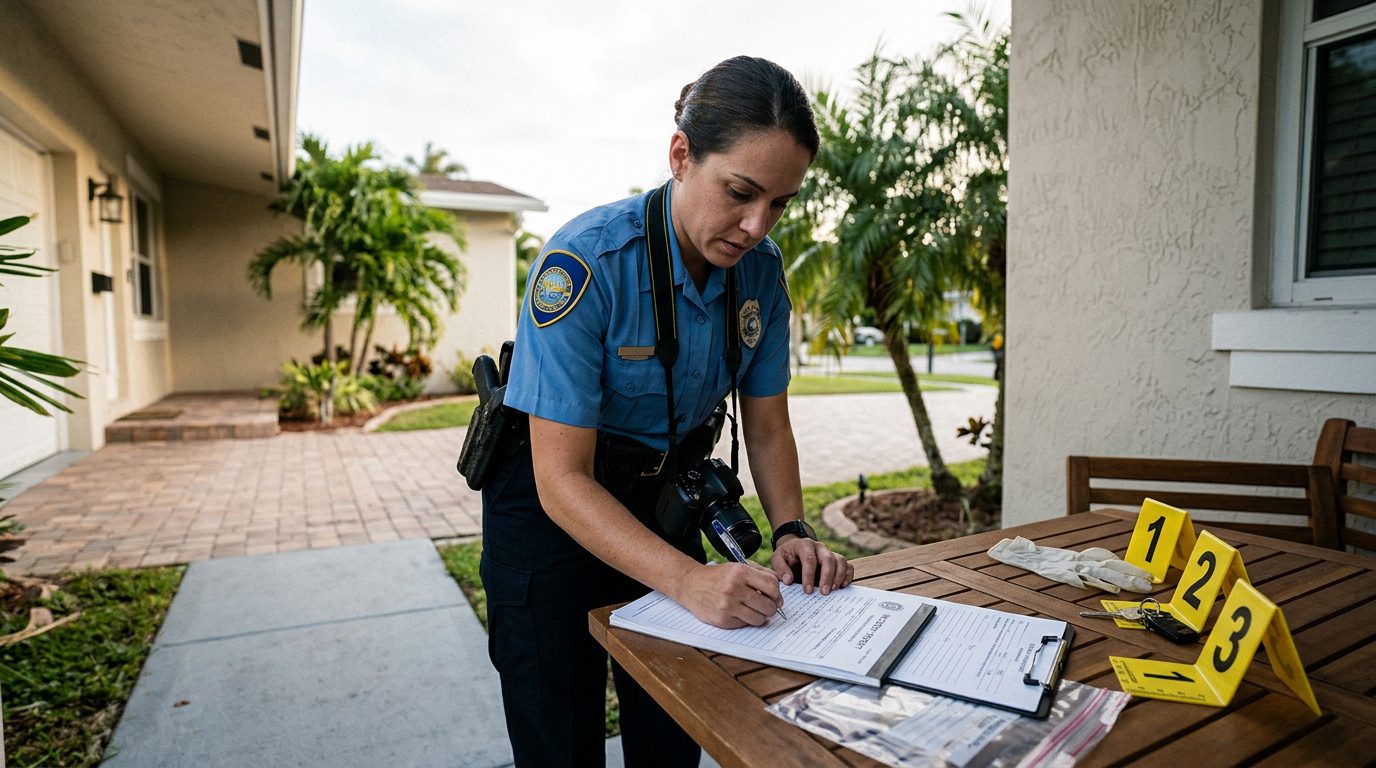
Sexual Battery Defense | Miami-Dade and Broward County
Sexual Battery Charges in Miami: Understanding What Evidence Counts
Patrick Wilson Law focuses on criminal defense across South Florida. We help you understand how police reports, messages, medical records and witness statements can shape a sexual battery case.
By Patrick David Wilson · Published October 21, 2026
What Evidence Is Needed for Sexual Battery in Florida?
What evidence is needed for sexual battery? Evidence plays a central role in how any criminal case is evaluated. The answer depends on how the allegation is framed and what the case file holds.
In a South Florida case, the file may include police reports, lab results, phone records, and statements from several people. Each item can help one side or the other. A text message can show friendly contact after an event, or it can show distress. A medical record can support a complaint, or it can point to another cause for an injury.
This page covers the main categories. You’ll read about the elements of the offense first. Then come physical evidence, digital records, and witness accounts. Medical records, limits on past sexual conduct, and defense review come last.
If an allegation has landed on you or someone you love, you don't have to work out the evidence alone, and our team is ready to talk it through with you. Talk it through with our team — the first consultation is free, confidential, and carries no obligation.
What the Prosecution Must Prove Under Florida Law
Sexual battery is defined by penetration or union, not by touching alone. Under Florida law, it means oral, anal, or female genital penetration by, or union with, the sexual organ of another. It also covers anal or female genital penetration by any other object. The statute excludes acts done for a bona fide medical purpose, under Fla. Stat. § 794.011.
Consent is often the central question. The statute defines consent as intelligent, knowing, and voluntary consent. It does not include coerced submission. It also says that failing to offer physical resistance does not mean consent.
What falls under a sexual battery charge?
A sexual battery charge centers on penetration or union without consent. Simple battery is different. Under Fla. Stat. § 784.03, it covers actually and intentionally touching or striking another person against their will, or intentionally causing bodily harm.
Physical and Forensic Evidence
Physical evidence includes forensic exam samples, DNA, documented injuries, and items like clothing or bedding that investigators collect. Each type answers a different question.
A sexual assault forensic exam collects samples through medical and law enforcement channels. Those results show what was found and where. They don’t settle the consent question on their own.
Does DNA prove sexual battery?
DNA can link a person to biological material. It does not, by itself, show whether consent was given. A DNA match and a consent dispute can exist in the same case.
Chain of custody is the record of who collected, stored, and tested each item, and when. Gaps in that record can matter. Lab reports also take time, and a report’s wording isn’t always what a jury might assume from it.
Under the discovery rule, Fla. R. Crim. P. 3.220, the prosecutor must disclose any material information within the state’s possession or control that tends to negate the defendant’s guilt, as soon as practicable after the charge is filed.
Digital Evidence: Text Messages, Social Media, and Location Data
Digital records can show who contacted whom, when, and where people were. Texts, posts, and location data often become the backbone of a timeline.
Messages sent before and after the event can matter most. Call logs and direct messages show the tone and timing of contact. Social media posts, photos, check-ins, and tagged content can show relationships and movements. Phone location data, ride-share and payment records, and surveillance or doorbell video may confirm or contradict an account.
Context matters. A single message read alone can mislead. A reply often makes sense only with the messages around it.
Many people act fast under stress. Deleting, editing, or posting about the matter can create new problems. Talk through what to do before you change anything on your phone or accounts.
Witness Testimony and Statements
Witness testimony covers the complaining witness’s account and what others saw, heard, or were told. The complaining witness is the person who made the allegation.
Prosecutors look at how that account holds up over time. They compare detail, consistency, and timing across each interview.
An outcry witness is someone the complainant told soon after the event. That person’s account can show when and what was said, but it doesn’t by itself show what happened.
Eyewitnesses and people nearby before or after can describe behavior and demeanor. Recorded statements, 911 calls, and body camera footage often capture the earliest version of events. Statements to police, medical staff, friends, or family get compared, and differences get examined.
On motion of any party, parent, guardian, attorney, guardian ad litem, or other advocate, or on the court’s own motion, a court can limit interviewing or depositions in the defendant’s presence of a victim or witness under 18, a person who has an intellectual disability, or a sexual offense victim or witness. The court must consider any fact it deems relevant, not limited to age and the nature of the offense. Fla. R. Crim. P. 3.220 sets out these limits.
Medical Records, Institutional Records, and Subpoenas
Medical, school, and workplace records can show dates, complaints, and treatment. Defense counsel can request them through the court process, using a subpoena.
Under Fla. R. Crim. P. 3.361, a subpoena for testimony or tangible evidence can be issued by the clerk of the court or by any attorney of record in the action. That’s the formal route.
Hospital and urgent care records show when a person was seen and what was reported. School and workplace records can show attendance or changes that line up with certain dates. Medical and counseling records may be relevant, but getting them requires legal process.
Subpoenas can be challenged. Under the same rule, the court may quash or modify a subpoena for tangible evidence if it is unreasonable and oppressive. It may also require the requesting party to advance the reasonable cost of producing the material.
Records gathered through formal channels get reviewed for completeness. A missing entry can matter as much as a written one.
Not sure what your next step is?
Talk it through with our team — the first consultation is free, confidential, and carries no obligation.
Limits on Prior Sexual Conduct Evidence
Evidence of a complainant’s past sexual conduct is a sensitive area that the court reviews closely. How any of it can be used depends on the specific request and the court’s ruling.
The court also weighs whether the evidence can be obtained by other means. Under Fla. R. Crim. P. 3.220, in determining whether to order the deposition of a sexual offense victim to be conducted, the court considers whether the evidence is reasonably available by other means. That includes whether the victim was the subject of a forensic interview related to the sexual offense.
These rules are technical. Limits on discovery can change the timing and scope of what counsel can reach. How they apply to a particular request depends on the record and the ruling. They’re worth reviewing with counsel rather than assuming how they play out.
How Defense Counsel Reviews the Evidence
Defense counsel tests each category of evidence against the others. The goal is to see where accounts match and where they split.
First, the timeline. Messages, location records, medical entries, and statements get placed in order. Gaps and conflicts stand out quickly once everything sits on one timeline.
Second, forensic and lab results get tested against the reported facts. Questions about collection, handling, and interpretation are part of that work.
Third, motions. A defendant may move to dismiss where there are no material disputed facts and the undisputed facts do not establish a prima facie case of guilt. The state may answer with a sworn traverse, under Fla. R. Crim. P. 3.190, filed at least two days before any hearing on the motion. A defendant who claims the state obtained statements unlawfully may move to suppress them under the same rule.
If the evidence is insufficient to warrant a conviction, the court may enter a judgment of acquittal. On the defendant’s motion, it shall. Fla. R. Crim. P. 3.380 sets out that rule.
If a defense plans to offer an alibi, notice rules apply. On the prosecutor’s written demand, notice is due not less than 10 days before trial, unless the court directs another time. Fla. R. Crim. P. 3.200 covers this.
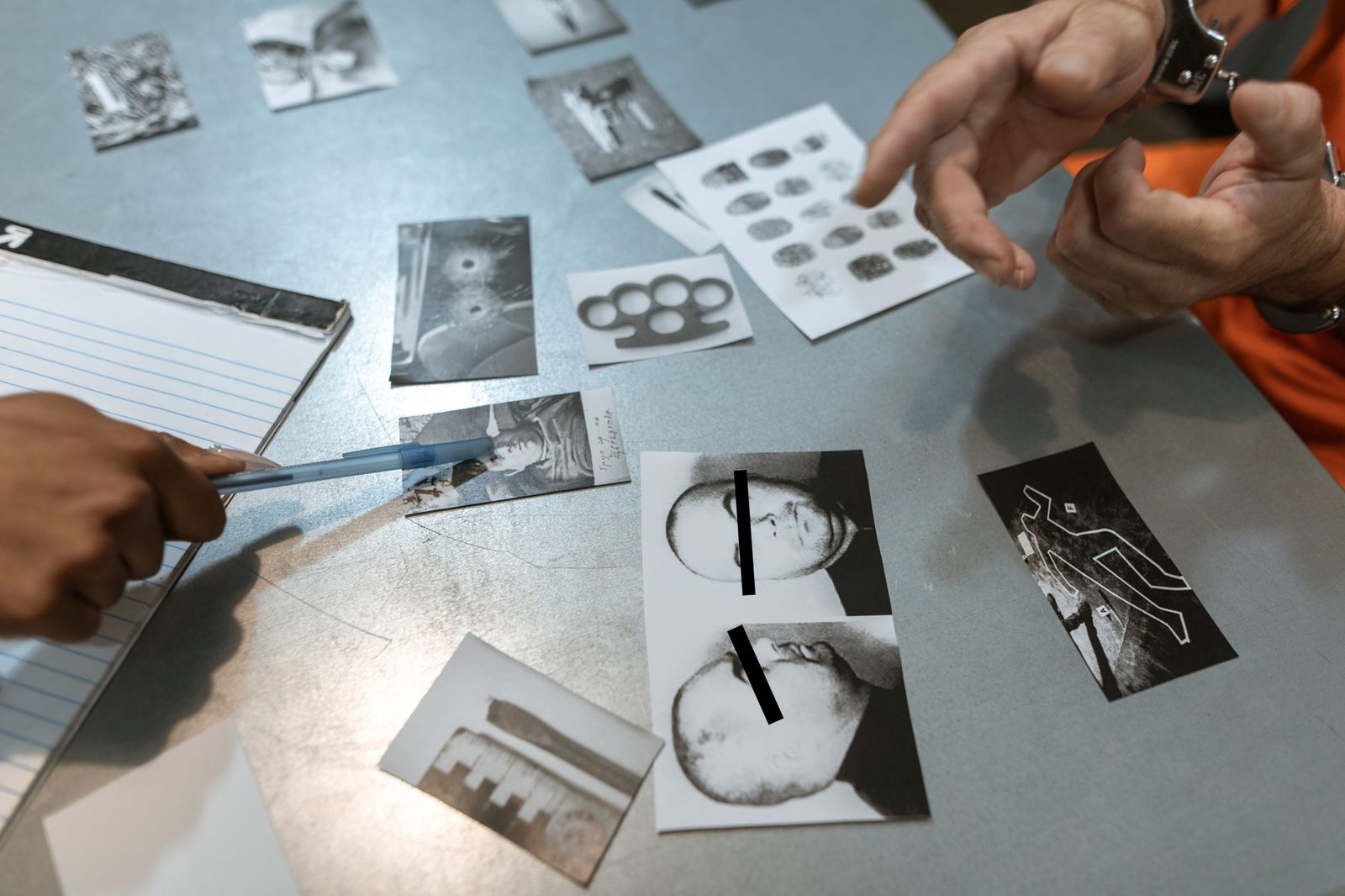
Talk Through Your Situation With Patrick Wilson Law
If you’re asking what evidence is needed for sexual battery in your own case, you may have just learned about an allegation. That can come without warning.
Maybe a police officer called, a notice of investigation arrived, or a message came from the complainant’s family. Each of these leaves you wondering what the state has and what it may still collect.
Patrick Wilson Law, PLLC is a criminal defense practice in Miami, led by Patrick David Wilson. The practice serves people across South Florida, from Broward County to the Florida Keys. Our team can walk through the evidence questions with you in a confidential setting. Call 786-761-1719 or leave a message through our contact page to schedule a free, confidential initial consultation, with no obligation to continue.
Common Types of Evidence in a Sexual Battery Case
Police and Incident Reports
Reports record who was present, what was said at the scene and how the investigation began. Details in these documents are often worth reviewing closely.
Phone and Message Records
Texts, call logs and social media messages can show the tone and timing of contact before and after an event. Context matters as much as the message itself.
Medical and Forensic Records
Exam results, lab findings and treatment notes are technical. Their meaning often depends on when they were collected and how they were handled.
Witness Statements
Accounts from friends, coworkers or others may differ in detail. Comparing them with the rest of the file helps identify gaps and inconsistencies.
How Our Team Approaches Your Case
Full File Review
We examine every item in the case file, including items the prosecution may treat as minor.
Clear Explanations
Patrick David Wilson and Sahara Fonseca explain each step, so you understand the evidence and your options.
Protecting Your Position
We focus on protecting your rights from the first contact with investigators through every stage of the case.
Confidential Conversations
What you share with our lawyers is kept confidential, so you can speak openly about the facts.
Important: Preserve, Don't Delete
Do not delete messages, photos or social media posts related to the matter, and avoid discussing the allegation with the other person or with investigators before you speak with a lawyer. Early choices can affect how evidence is later understood.
Talk With Patrick Wilson Law About Your Sexual Battery Matter
Related practice areas
- Sexual Battery Defense Attorney in South Florida | Patrick Wilson Law
- What is the difference between sexual battery and sexual assault?
- Fatal Crash CDL Disqualification Florida: Miami Guide

