
Criminal Defense in Miami and South Florida
Vehicular Homicide Defense Attorney, South Florida Guide
Patrick David Wilson, the responsible lawyer at Patrick Wilson Law, PLLC, has an office in Miami and defends drivers charged with vehicular homicide in Miami-Dade, Broward County, Fort Lauderdale, the Florida Keys and nearby communities. Results depend on the facts of each case and applicable law.
By Patrick David Wilson · Published October 14, 2026
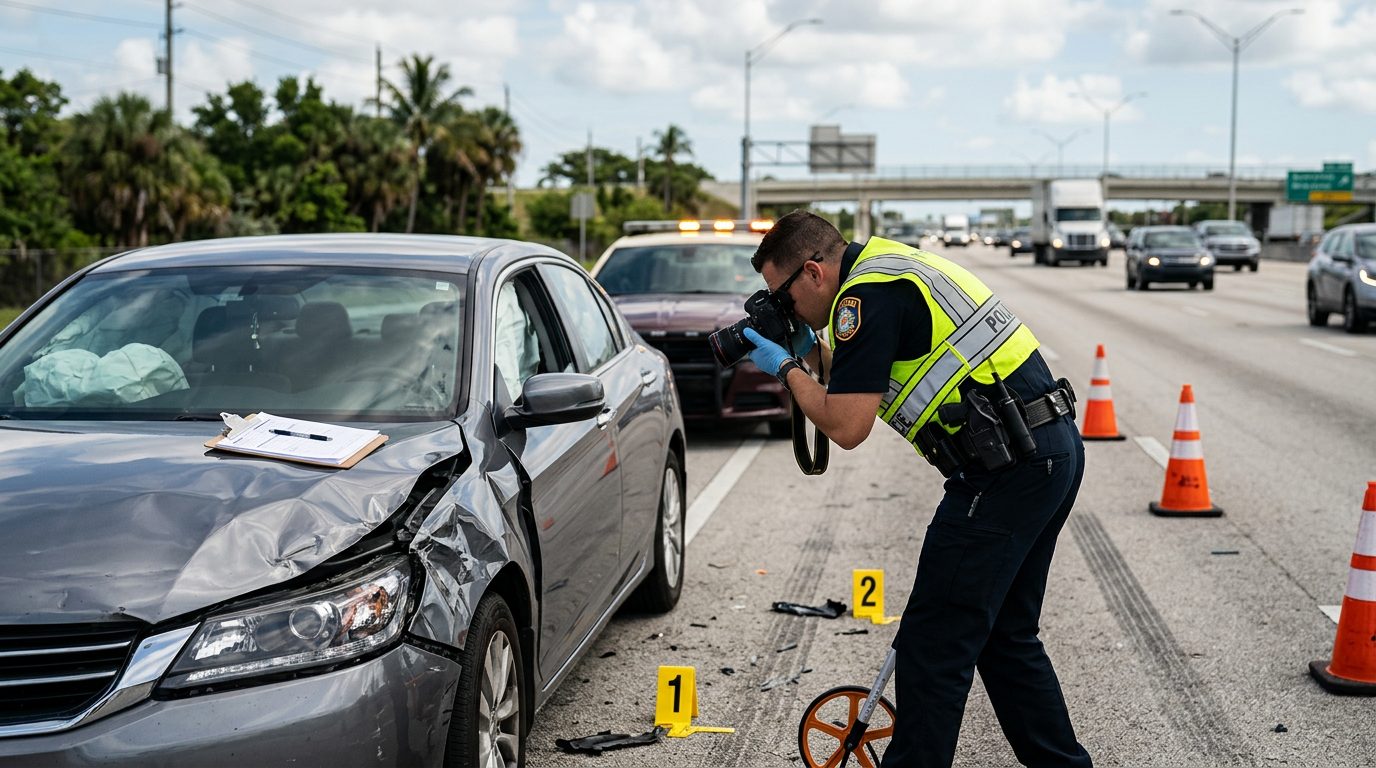
Vehicular homicide in Florida means causing a death by operating a motor vehicle in a reckless manner likely to cause death or great bodily harm. The charge, its degree, and its penalties depend on the facts and applicable law. This guide provides general information for drivers in Broward County and nearby South Florida communities. Patrick David Wilson is the responsible lawyer at Patrick Wilson Law, PLLC, which has an office in Miami.
What Florida Law Means by Vehicular Homicide
Florida’s vehicular homicide statute, § 782.071, defines the offense as killing a human being by operating a motor vehicle “in a reckless manner likely to cause the death of, or great bodily harm to, another.” The case turns on these elements, including causation and the level of recklessness the statute describes.
Each crash has its own sequence of events. How those facts line up with each element helps decide whether the charge fits. A death alone does not automatically mean the statute applies.
Is vehicular manslaughter the same as vehicular homicide?
The statute’s title is vehicular homicide. “Vehicular manslaughter” is a common search term for similar crashes. Check the exact statute cited in your charging papers, because that citation controls the charge.
Not sure what your next step is?
Talk it through with our team — the first consultation is free, confidential, and carries no obligation.
Vehicular Homicide, DUI Manslaughter, and Leaving the Scene: How They Differ
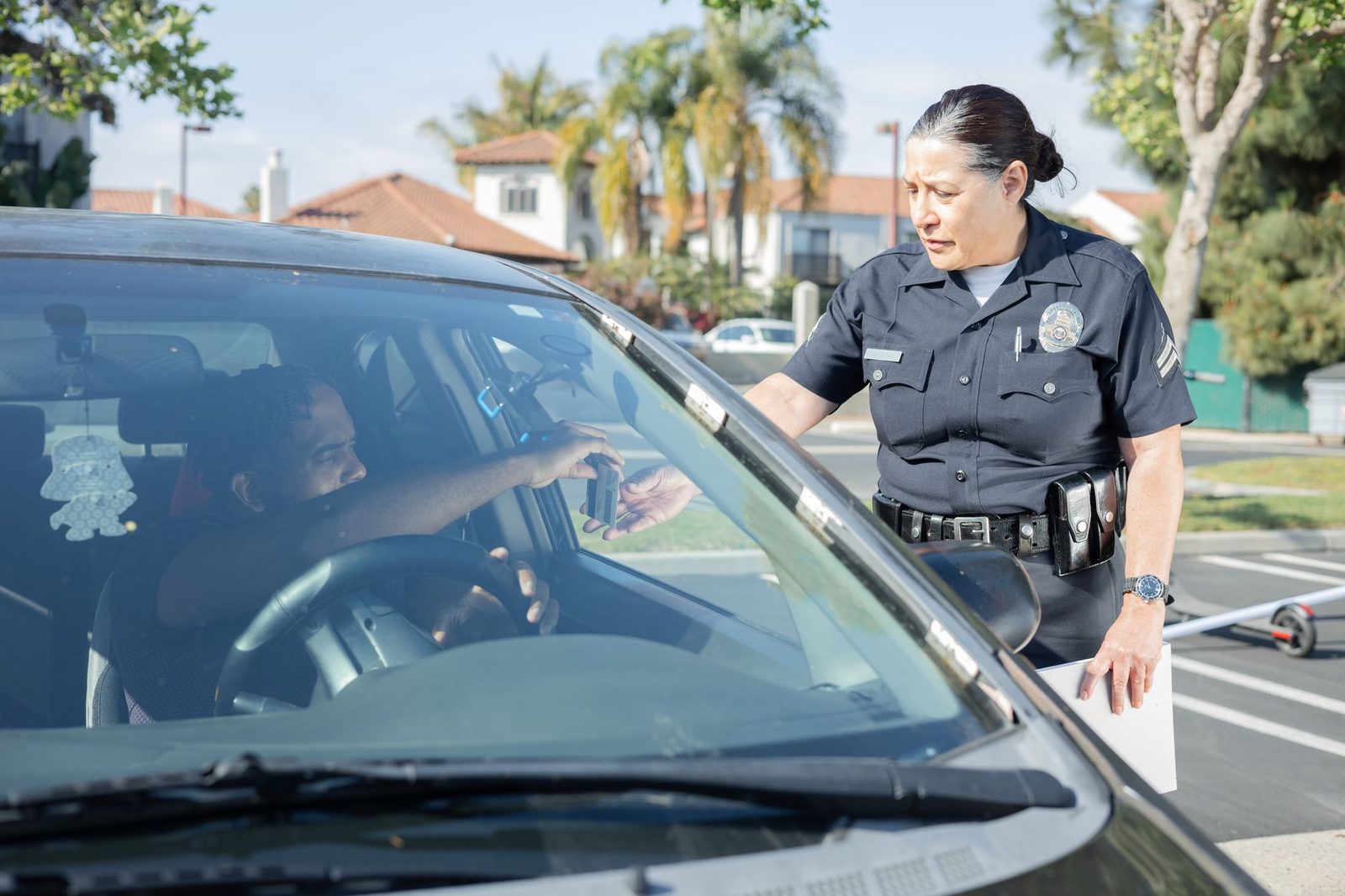
Vehicular homicide, DUI-related charges, and leaving the scene are separate offenses with separate elements. One crash can lead to more than one charge. Keep them apart when you read your paperwork.
Florida’s impaired-driving statute, § 316.193, covers driving under the influence. It applies when a person drives or is in actual physical control of a vehicle and is affected to the extent that normal faculties are impaired. A death-related impaired-driving charge sits under that statute, not under the vehicular homicide statute. Do not treat them as the same charge.
Leaving the scene is also different. Under § 316.062, a driver must give information and render reasonable aid after a crash. Standing alone, that duty is a noncriminal traffic infraction under § 316.062(4). Felony exposure for leaving the scene comes from § 316.027, not from § 316.062 alone.
What is worse, vehicular manslaughter or vehicular homicide?
The two terms overlap in everyday speech. The charge actually filed, its degree, and its penalties depend on the statute cited and the facts. No label is “worse” on its own.
Possible Penalties and Collateral Consequences
Under § 782.071(1)(a), the basic offense is a second-degree felony. Fla. Stat. § 782.071 classifies vehicular homicide as a felony of the second degree, and as a felony of the first degree if, at the time of the accident, the person knew, or should have known, that the accident occurred and failed to give information and render aid as required by s. 316.062. Whether either classification applies in a given case depends on the facts and applicable law. Those include failing to give information and render aid after a crash the driver knew or should have known about. Check which subsection your charge cites.
The court may also order 120 hours of community service in a trauma center or hospital. The statute says “may,” so this is discretionary and depends on the case.
For a willful failure to stop after a fatal crash, § 316.027 makes the offense a first-degree felony. Under s. 316.027(2)(c), a mandatory minimum term of 4 years applies only when the crash caused a death, and the court may depart under s. 316.027(2)(g) unless the driver was under the influence, so the outcome depends on the facts and applicable law. Whether that term applies depends on the facts and applicable law.
What is the average sentence or average jail time for vehicular homicide in Florida?
This page gives no average figure. Sentences depend on the charge, the facts, any prior record, and the scoresheet. Under § 921.0024(3), the state attorney prepares the digitized scoresheet, and defense counsel reviews it for accuracy. Scoresheet material generally applies only to felony cases.
Collateral issues such as license action, insurance effects, and professional licensing questions depend on the facts and applicable law. Read your charging documents and any court orders closely.
Can You Go to Jail After an Accident That Caused a Death?
Jail or prison exposure is possible under Florida law in some vehicular homicide cases. Whether it applies depends on the charge, the facts, and applicable law.
Can you go to jail for accidentally killing someone in a car accident in Florida?
The statute focuses on reckless operation, not on an intent to kill. A crash can still lead to a felony charge under the statute. Whether a particular crash fits the statute depends on its facts. No outcome can be predicted in advance.
After arrest, Fla. R. Crim. P. 3.130 requires a prompt first appearance within 24 hours of arrest, unless the person was previously released in a lawful manner. Under § 903.046(2), the court weighs factors such as the nature of the offense, the weight of the evidence, and family ties. Bond and custody questions are fact-dependent, so raise them with a lawyer promptly.
How a Florida Criminal Case May Move Through the Court System
At first appearance, the judge must inform the defendant of the charge and advise that anything the defendant says may be used against them. The judge must also confirm the right to communicate with counsel, family, or friends.
Discovery under Fla. R. Crim. P. 3.220 begins after the charging document is filed. The rule’s definitions include police and investigative reports, but the scope of disclosure depends on the rule’s exceptions and the facts. Timing and stages vary by case. Confirm dates and requirements in your own paperwork.
Defense Issues That May Matter in These Cases
Several issues may matter in a vehicular homicide case, depending on the facts. These include causation, the sequence of events, road and weather conditions, and whether a vehicle defect played a role.
Crash reconstruction, event data recorder information, witness statements, and toxicology reports may all be reviewed. No one can promise what that review will show.
Blood testing is another issue. Under § 316.1933(1)(a), an officer with probable cause to believe a impaired driver caused a death or serious bodily injury must require a blood test, and may use reasonable force if necessary. Under § 316.1933(2)(b), the statute says insubstantial differences in testing methods do not render a test invalid.
Defenses and outcomes depend on the facts and applicable law. No result can be predicted or promised in advance.
Not sure what your next step is?
Talk it through with our team — the first consultation is free, confidential, and carries no obligation.
Speak With Patrick David Wilson About Your Situation
If you are facing a possible charge after a crash that killed someone, time matters. Evidence, bond questions, and deadlines can move quickly in the first days.
Patrick David Wilson is the responsible lawyer. His office is in Miami, and he represents clients across Broward County. You can call 786-761-1719, leave a message, or request a free, confidential initial consultation with no obligation to continue, through the contact page. Past results do not predict future outcomes.
How Patrick Wilson Law Approaches These Cases
Focused criminal defense
Patrick David Wilson focuses on criminal defense, including vehicular homicide, so each matter is handled by the lawyer responsible for it.
Careful review of the facts
The degree of any charge and its possible penalties depend on the evidence, the circumstances of the crash and applicable law. Each case is reviewed on its own facts.
Free first consultation
Your first consultation is free, confidential and carries no obligation to continue. Call 786-761-1719 or leave a message to get started.
Office in Miami
Patrick Wilson Law, PLLC has its office in Miami and represents drivers across South Florida, from Broward County to the Florida Keys.
Timing Can Matter
After a crash, details such as witness accounts and vehicle evidence can change over time. Contacting Patrick David Wilson early allows the facts to be reviewed while they are still fresh. Results depend on the facts of your case and applicable law.
Key Questions About a Vehicular Homicide Charge
What does the State need to show?
Florida's vehicular homicide statute generally involves causing a death by operating a motor vehicle in a reckless manner likely to cause death or great bodily harm. Whether those elements can be proven depends on the facts.
Does the degree of the charge matter?
The degree of the charge and the possible penalties depend on the facts and applicable law. Review any charging document and court paperwork you have with your lawyer.
Can a professional license be affected?
Depending on the profession and the facts, a criminal charge may raise licensing questions. Patrick David Wilson can discuss how that may apply to your situation.
What happens at the first consultation?
Your free first consultation is confidential and carries no obligation to continue. Bring any paperwork you have so the facts can be reviewed.

