
Vehicular Homicide Defense | Miami-Dade County
Facing a Vehicular Homicide Charge? Speak With Patrick David Wilson
Patrick David Wilson's criminal defense practice focuses on serious driving-related charges. Your first consultation is free, confidential, and carries no obligation to continue.
By Patrick David Wilson · Published October 14, 2026
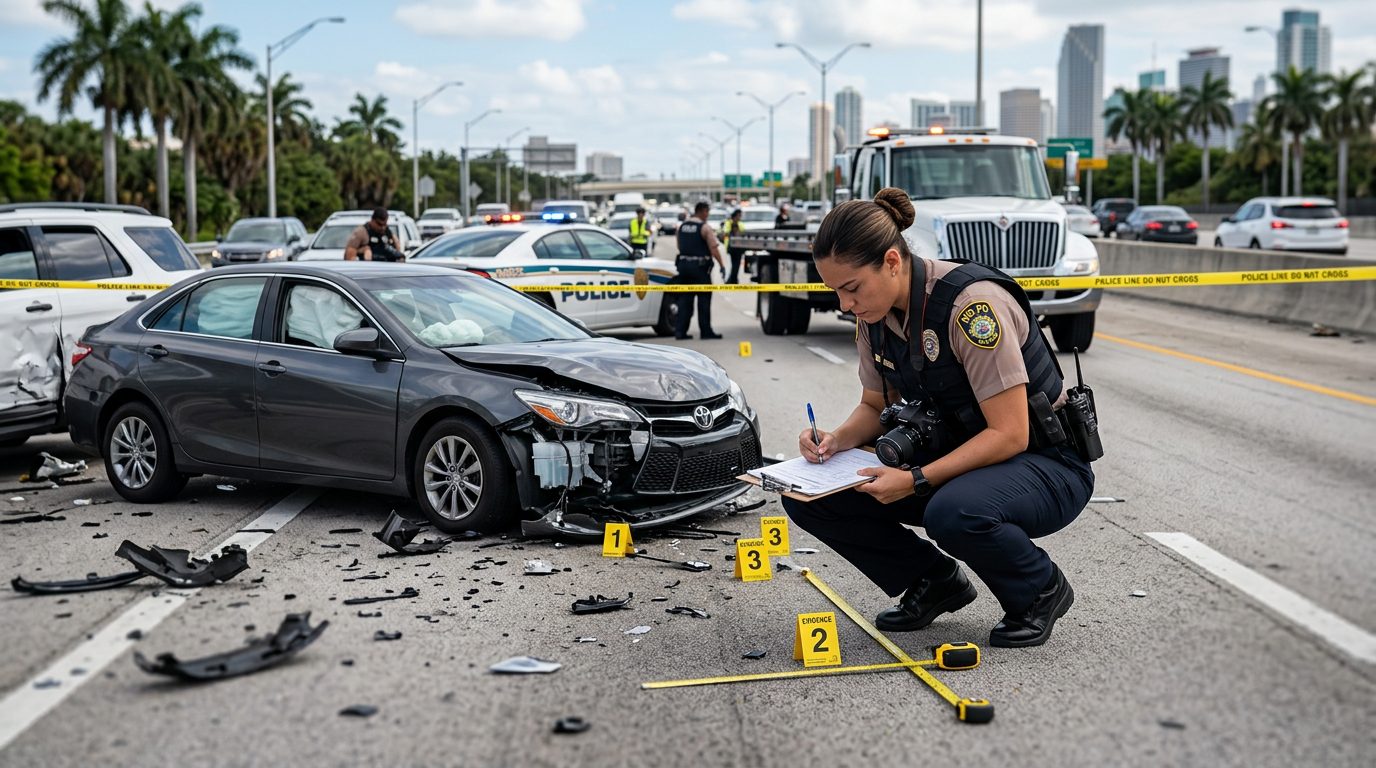
Vehicular homicide is a Florida charge for a death caused by reckless driving. Whether a charge applies, and how serious it is, depends on the facts and the applicable law. Searching for a vehicular homicide defense attorney Miami-Dade County can feel urgent. This guide explains the charge, the first decisions you may face, and how Patrick David Wilson approaches these cases from Miami.
What a Vehicular Homicide Charge Means in Miami-Dade County
Vehicular homicide is a death caused by a driver operating a vehicle in a reckless manner likely to cause death or great bodily harm. Florida’s vehicular homicide statute uses that definition. The base offense is a second-degree felony.
The charge can rise to a first-degree felony in some situations. One is when the driver knew or should have known a crash occurred and did not give information or render aid under section 316.062. Another is when the driver has a prior conviction under the listed statutes. Whether either applies depends on the facts of the crash.
Penalties follow the sentencing statutes that the vehicular homicide statute references. The range depends on the charge and the case. The court may also order 120 hours of community service at a trauma center or hospital, in addition to other punishment. That is a possibility, not a required sentence.
Miami-Dade crashes happen on city streets, major highways, and causeways. The investigating agency and the evidence gathered vary from case to case.
Not sure what your next step is?
Talk it through with our team — the first consultation is free, confidential, and carries no obligation.
The First Decisions After a Fatal Crash
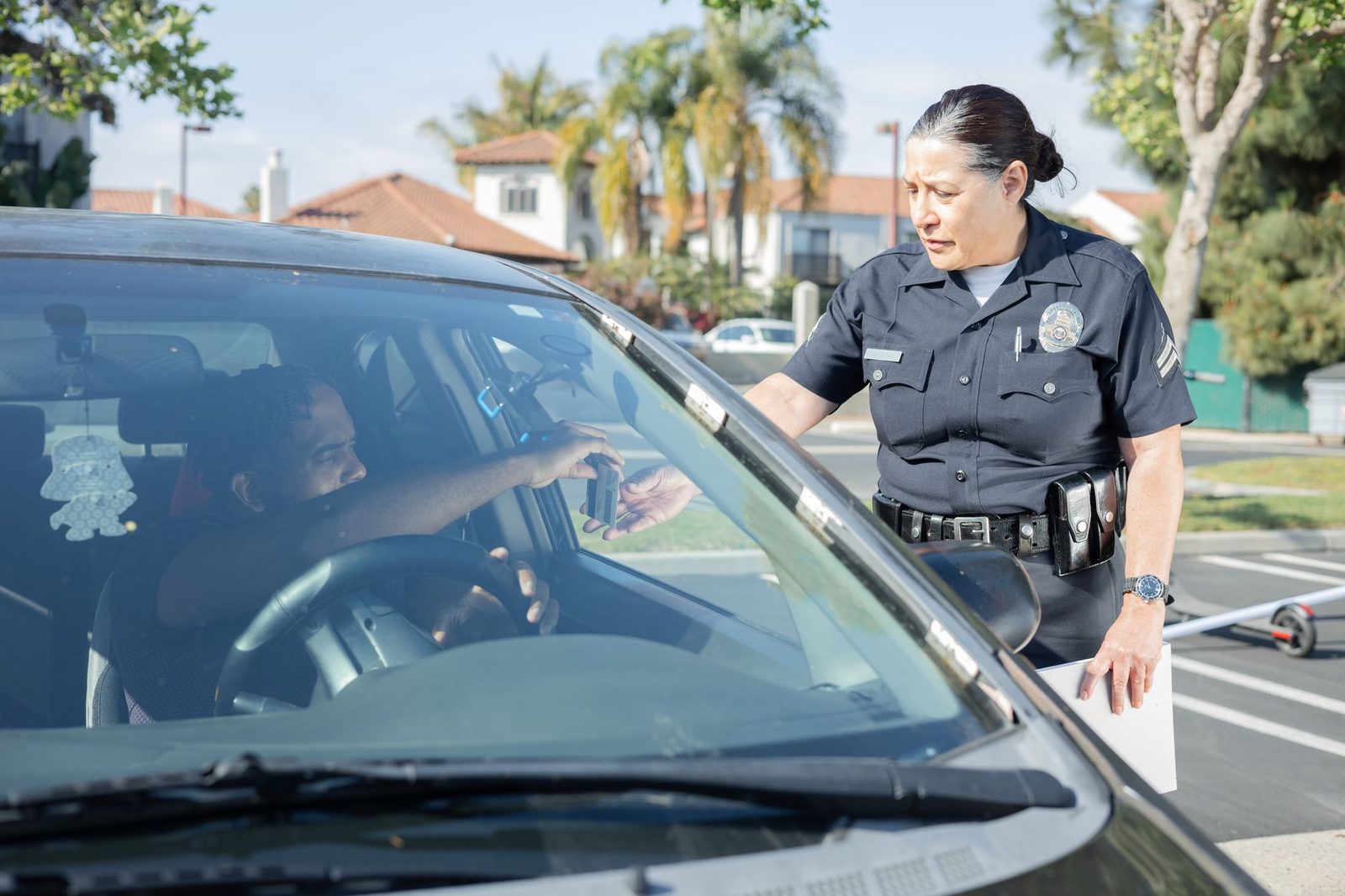
The first decisions often involve what you say, what you post, and how fast the court process moves. How you respond to investigators’ questions depends on the facts of your case and applicable law, and Florida law separately requires a driver in a crash to give certain information and render aid. Florida’s first appearance rule says the judge must tell a defendant that they are not required to say anything. It also says anything said may be used against them.
The same rule says an arrested person must be taken before a judge within 24 hours of arrest. The exception is a person previously released in a lawful manner.
Don’t post about the crash, the people involved, or your driving. Avoid discussing it with friends or anyone who may be a witness. Those words can later be read by investigators or prosecutors.
Bond and release conditions depend on the charge, the facts, and the court’s decision. A court weighs factors such as family ties, length of residence, employment history, past conduct, and the danger release may pose. Florida’s bail criteria statute lists these factors. No outcome is promised at this stage.
Save the citation, the charging papers, insurance letters, and any records about the vehicle or your phone. Those papers can help rebuild the timeline of the crash.
How Evidence Is Examined in Vehicular Homicide Cases
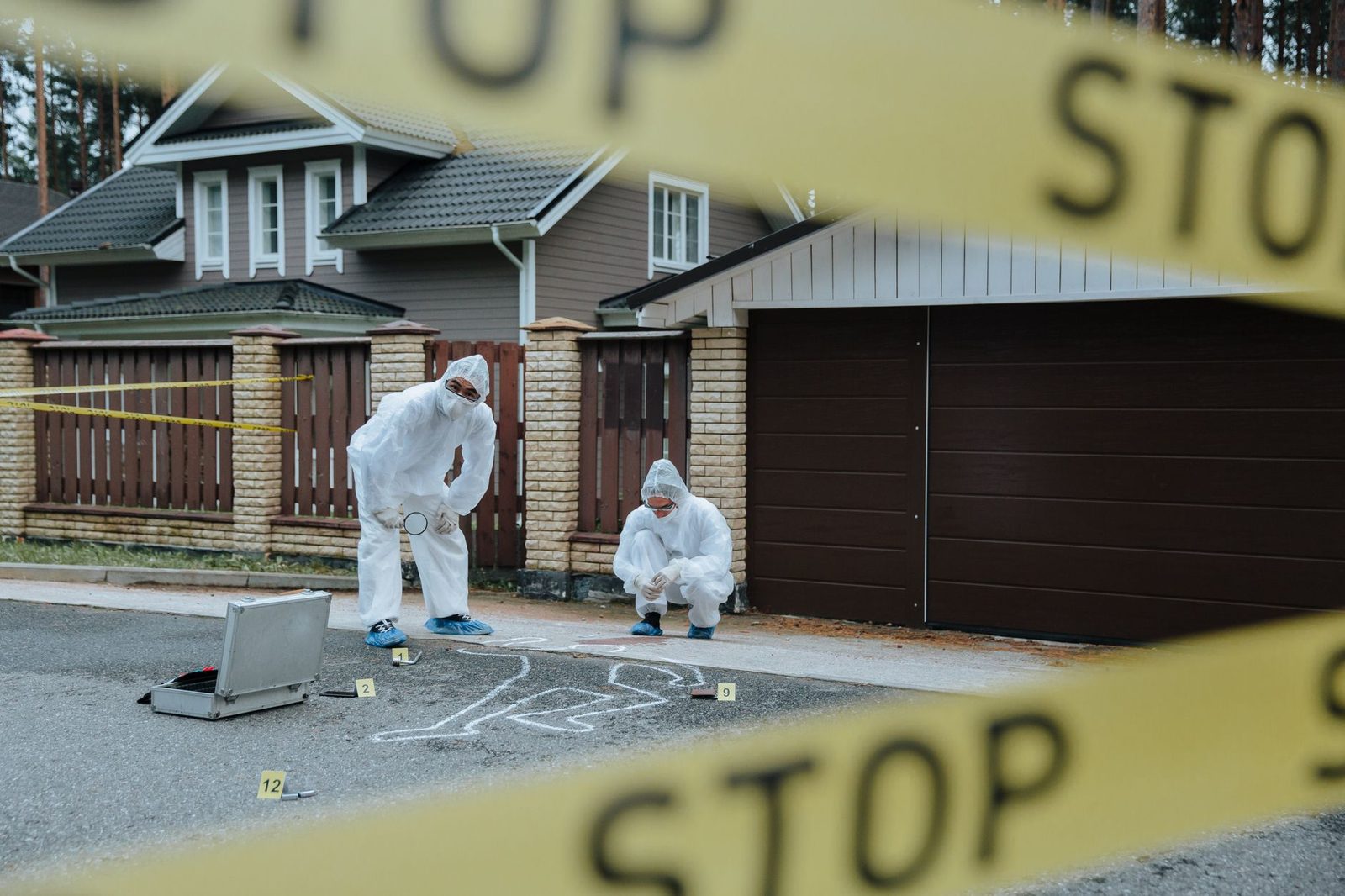
Evidence in these cases often includes crash reconstruction reports, vehicle data, video, and toxicology results. Each item depends on how it was gathered and what it shows.
Crash reconstruction is an analysis of speed, braking, and path of travel. A vehicle event data recorder (a device that stores crash-related vehicle data) may hold speed and braking information. Dashcam and surveillance video, signal timing records, and witness statements may also matter.
Blood testing can be part of the case. Florida’s blood test statute says an officer with probable cause to believe an impaired driver caused a death or serious bodily injury shall require a blood test. The officer may use reasonable force if needed. Whether that applies depends on the facts. The same statute allows test information to be released to a defense attorney on request, in connection with certain impaired-driving charges.
The defense may review how evidence was collected, preserved, and interpreted. Whether a challenge helps depends on the facts and applicable law. A qualified third-party witness, such as a crash reconstructionist, may be retained when the facts call for one. No particular result is promised.
Defense Options Depend on the Facts and Applicable Law
The right defense questions depend on the facts, the law, and the proof. No single approach fits every case. Possible questions include causation, the mental state the statute requires, the condition of the vehicle, and roadway or weather conditions.
Possible resolutions vary. They may include dismissal, a reduced charge, trial, or other outcomes, but only where the facts and law support them. No outcome can be predicted at the start of a case.
Florida’s crash duty statute requires a driver in a fatal crash to stop at the scene and stay until the reporting duties are met. Florida’s crash duty statute sets out the duty to stop and render aid after a crash. Its penalty provisions for a willful violation of that duty are separate from the vehicular homicide statute, s. 782.071, and any penalty depends on the facts and applicable law.
Some charges carry collateral consequences, meaning effects beyond the sentence. These can include effects on a driver’s license or job. Whether they apply depends on the specific charge, the outcome, and the rules of the agency involved.
Why First-Time Offenders and Licensed Professionals Raise Added Questions
A first-time offender may face questions about records, sealing, and future background checks. Those questions depend on how the case ends. Florida’s expunction statute lists eligibility conditions, such as a charge that was dismissed or ended in acquittal or a not guilty verdict. Sealing is a separate remedy under section 943.059, with its own rules.
Licensed professionals, such as nurses, commercial drivers, and others who hold state licenses, may face licensing questions. Those depend on the charge, the outcome, and the rules of the licensing board. Bring copies of any license paperwork to a consultation so the questions can be reviewed.
Patrick David Wilson focuses on criminal defense, including first-time offender and licensed professional matters. Any discussion of records or licensing is based on the facts reviewed during a consultation.
About Patrick David Wilson and Patrick Wilson Law, PLLC
Patrick David Wilson is the responsible lawyer at Patrick Wilson Law, PLLC, a criminal defense practice based in Miami. The practice serves clients across South Florida, including Broward County, Miami-Dade County, and the Florida Keys. Support staff assist with office and assistant work.
Patrick David Wilson is admitted to practice in Florida. The practice focuses on DUI, domestic violence, sexual battery, traffic homicide, and related criminal defense matters.
This page is general information. It does not describe past results, and it does not promise any result in your case. A consultation is the place to review the charge, the facts, and any paperwork you already have.
Not sure what your next step is?
Talk it through with our team — the first consultation is free, confidential, and carries no obligation.
Talk With a Miami Criminal Defense Lawyer Now
Is vehicular homicide a felony in Florida?
The base offense is a second-degree felony, and some situations make it a first-degree felony under the statute.
Do I have to talk to police after a fatal crash?
Whether a person must answer police questions after a fatal crash depends on the facts and applicable law. The timing of a first court appearance is a separate question, governed by Fla. R. Crim. P. 3.130(a), which provides that an arrested person, unless previously released in a lawful manner, is to be taken before a judge within 24 hours of arrest, in person or by audio-video communication technology at the court’s discretion. How that choice affects your case depends on the facts.
Can a vehicular homicide record be sealed or expunged?
It may be possible, but eligibility depends on how the case ends and on applicable law.
What happens at a first appearance?
The judge must tell you the charge, give you a copy of the complaint, and explain your rights. Florida’s rule says this happens within 24 hours of arrest, unless an exception applies.
If police have tied you to a fatal crash in Miami-Dade, the questions about statements, bond, and court dates won’t wait. Patrick David Wilson offers a free, confidential initial consultation, with no obligation to continue. Call 786-761-1719, leave a message, or request a consultation. Results depend on the facts of your case and applicable law, and no outcome is promised.
Be Careful With Statements
Statements you make to police, insurance companies, or others after a crash may be used later in a case. Speak with a lawyer before giving a recorded statement or signing documents. How any statement affects your case depends on the facts and the applicable law.
How Patrick David Wilson Approaches These Cases
Focused criminal defense
Patrick David Wilson's practice focuses on criminal defense, including vehicular homicide charges in South Florida.
Prompt attention
Contacting a lawyer early can help you understand the charge and the decisions ahead. How your case proceeds depends on the facts and applicable law.
Careful review of the record
Reports, statements, and other evidence are reviewed closely so that each option can be considered on its facts.
Plain-language guidance
You will receive clear explanations of the charge, the process, and the possible paths forward, without legal jargon.
Free first consultation
The first consultation is confidential and carries no obligation to continue. Call 786-761-1719 to get started.
What Early Work on Your Case May Include
Early case review
Reviewing the charge, the arrest details, and the timeline of events so you know what you are facing.
Review of the evidence
Examining reports, statements, and physical evidence to identify questions that may matter to your case.
Clear explanation of options
Explaining the possible decisions and their consequences, which depend on the facts and applicable law.
Confidential first conversation
A free, confidential consultation to discuss your situation, with no obligation to continue.
Talk With Patrick David Wilson About Your Case
Related practice areas
- Vehicular Homicide Charges in Florida: What the State Must Prove, Possible Penalties and Your First Steps
- Miami Vehicular Homicide Defense Attorney | Patrick Wilson

