
Vehicular Homicide Defense | Miami
Defending People Charged with Vehicular Homicide
Patrick David Wilson focuses on criminal defense for people accused of causing a death while operating a motor vehicle, with a free, confidential first consultation and no obligation to continue.
By Patrick David Wilson · Published October 14, 2026
Vehicular homicide is a Florida felony for killing someone while operating a motor vehicle in a reckless manner likely to cause death or great bodily harm. Whether the state can prove that charge depends on the facts of the crash and applicable law.
If you need a vehicular homicide defense attorney in Miami, this page explains how the offense is defined, how penalties are framed, and what a defense may examine. Patrick Wilson Law, PLLC is located in Miami. Patrick David Wilson focuses on criminal defense work, including vehicular homicide and DUI matters.
What Is Vehicular Homicide Under Florida Law?
Vehicular homicide is a killing caused by a motor vehicle operated by another person in a reckless manner likely to cause death or great bodily harm. Fla. Stat. § 782.071 sets out that definition.
The basic offense is a second-degree felony under the same statute. Under Fla. Stat. § 782.071, vehicular homicide is a second-degree felony, and it may be a first-degree felony when the conditions in subsections (1)(b) or (1)(c) are met. The first is when the driver knew or should have known the crash occurred and did not give information and render aid as the law requires. The second is when the driver has a prior conviction covered by the statute.
Reckless conduct is the key element. The same crash may lead to different charges, so the charging document is the place to start.
Not sure what your next step is?
Talk it through with our team — the first consultation is free, confidential, and carries no obligation.
How Do Vehicular Homicide, DUI Manslaughter, and Negligent Homicide Differ?
Vehicular homicide focuses on how a vehicle was operated. DUI manslaughter is tied to impairment. Florida’s DUI law addresses driving under the influence, and whether a DUI charge applies depends on the facts of the case and applicable law.
Negligent homicide is a different charge with different elements. This page does not set out negligent homicide law. The charging papers and applicable law control which offense applies.
A case may involve impairment evidence, reckless driving evidence, or both. The facts decide which charge fits. Read the exact wording in the charging document rather than assuming two labels mean the same thing.
What Penalties Can Apply After a Conviction?
Penalties depend on the felony degree, the facts, and applicable law. No single sentence fits every case. Fines are capped by statute, but the cap is not the whole picture.
Under Fla. Stat. § 775.083, fines for a first- or second-degree felony shall not exceed $10,000, subject to other provisions in that section. The vehicular homicide statute also lets the court order 120 community service hours at a trauma center or hospital, in addition to other punishment.
Felony sentences are also scored on a Criminal Punishment Code scoresheet, as described in Fla. Stat. § 921.0024. Prior record, conduct, and other facts may matter. How a court treats any factor depends on the case. Check the sentencing information in your own court papers.
What Evidence Matters in a Fatal Crash Case?
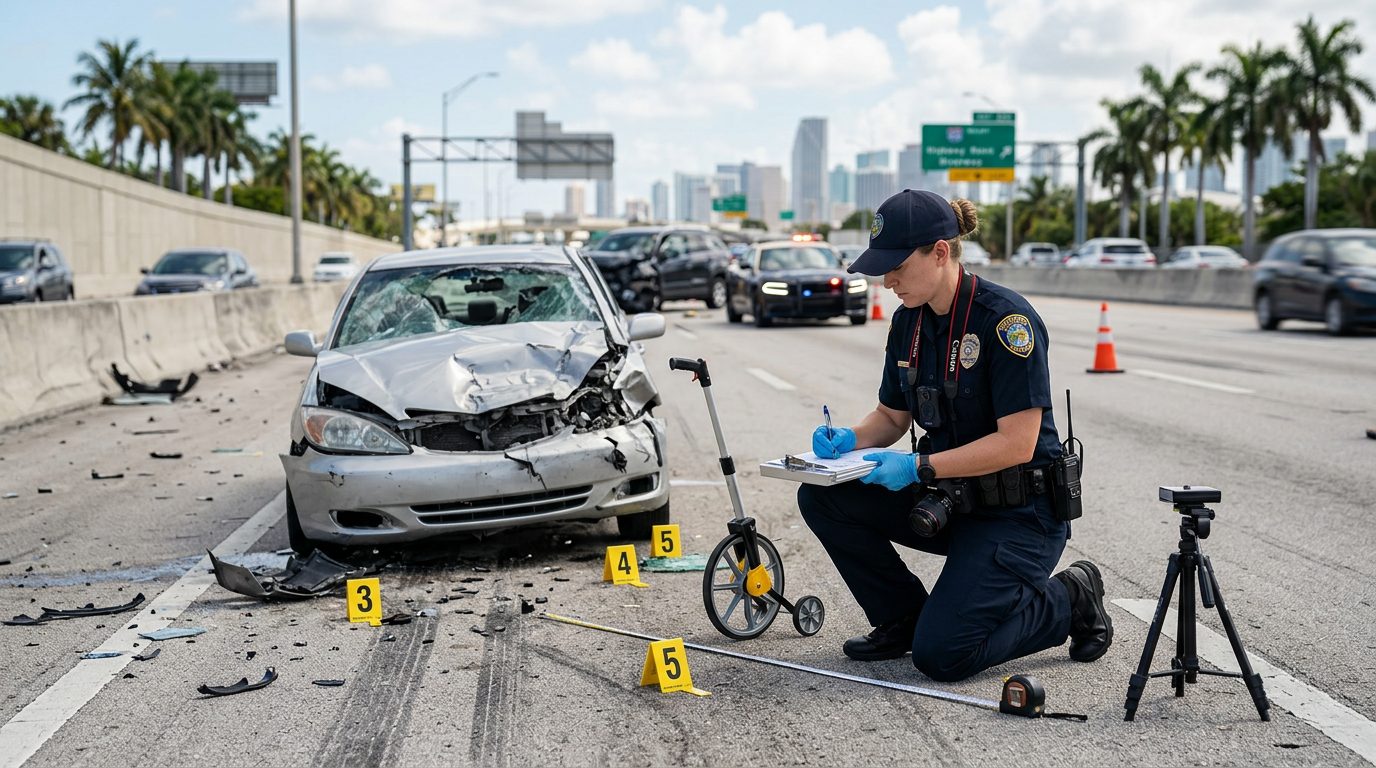
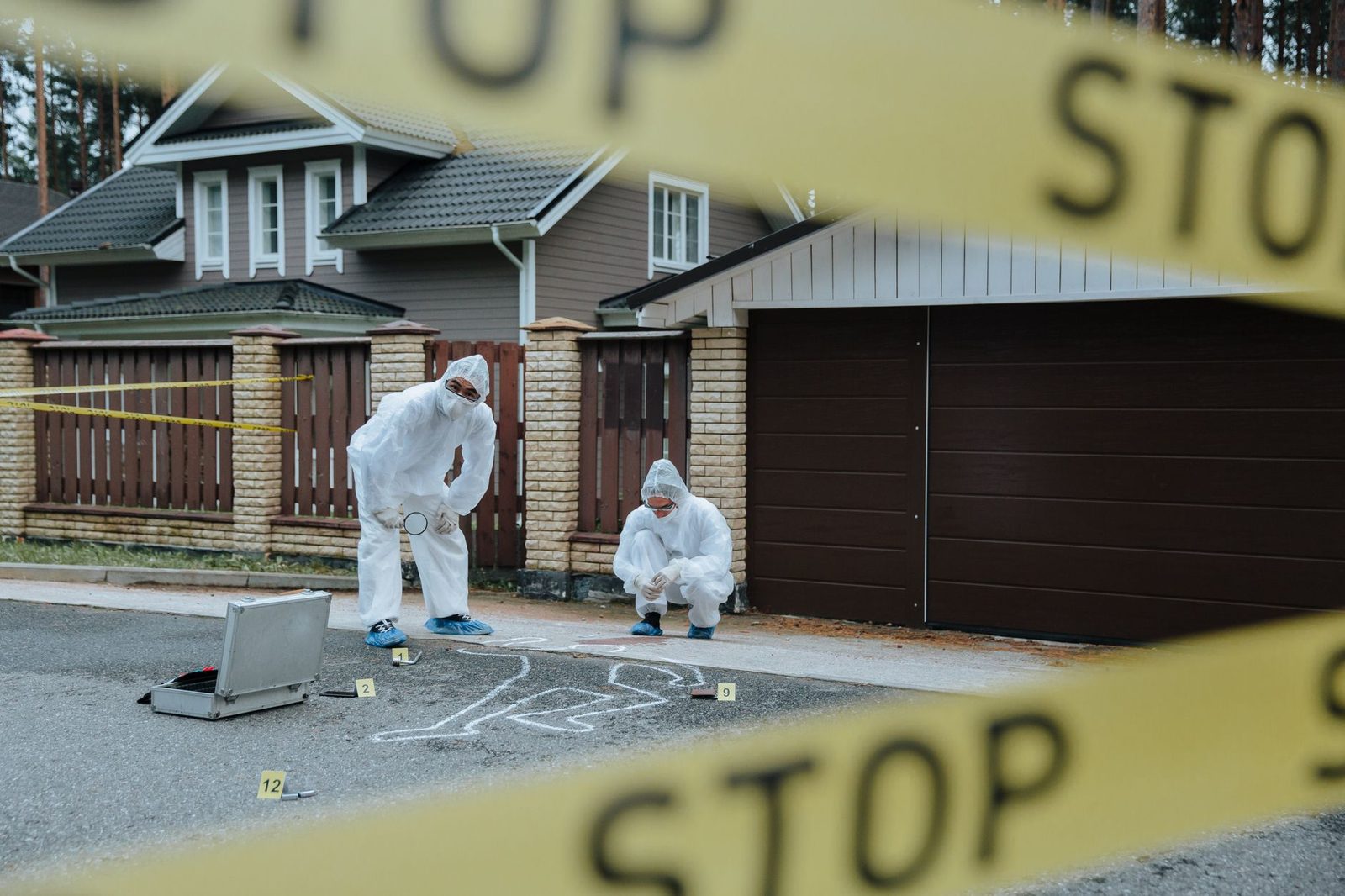
Fatal crash cases often rely on scene documentation, vehicle damage, witness statements, roadway conditions, and testing. Each category can be examined for accuracy and completeness.
Blood testing has its own rules. Under Fla. Stat. § 316.1933, an officer who has probable cause to believe an impaired driver caused a death or serious bodily injury shall require a blood test. The officer may use reasonable force if necessary. The testing need not be incidental to a lawful arrest.
Questions follow from those rules. Who drew the sample? How was it handled? How was the result interpreted? Whether any issue matters depends on the facts. Crash reconstruction may also be reviewed. Disclosure duties are set out in Fla. R. Crim. P. 3.220, and the timing depends on the rule and the case.
Which Defense Issues Might Apply?
Possible defense issues include causation, the reckless-conduct element, the sequence of events, and the reliability of evidence. Each issue depends on the facts. Causation asks whether the driver’s conduct caused the death. The sequence asks what happened before impact.
Plea discussions also matter. Under Fla. R. Crim. P. 3.171, plea discussions may take place between the prosecutor and defense counsel, or with a defendant who has no counsel. Counsel must advise the defendant of all plea offers and the likely results of each. The trial judge holds ultimate responsibility for sentencing.
A reduction in charge may be possible, depending on the facts, the evidence, and applicable law. It is never assured. No lawyer can promise a result. Patrick David Wilson can review the record and explain the possible paths that the facts support.
Do Miami-Area Fatal Crash Cases Involve Local Issues?
Yes, a fatal crash in South Florida may involve more than one agency. Which agencies and courts apply depends on where and how the crash happened. Patrick Wilson Law, PLLC is located in Miami, and Patrick David Wilson serves clients across South Florida.
Service areas include Miami-Dade County, Broward County, Fort Lauderdale, Kendall, Hialeah, Miami Beach, Homestead, and the Florida Keys. This page does not claim familiarity with any particular judge, prosecutor, or local procedure. Each case turns on its own facts.
Not sure what your next step is?
Talk it through with our team — the first consultation is free, confidential, and carries no obligation.
Frequently Asked Questions About Vehicular Homicide Charges
Is vehicular homicide a felony in Florida?
Yes. The statute makes the basic offense a second-degree felony, and some situations are first-degree felonies.
What is a homicide attorney?
A vehicular homicide attorney is a criminal defense lawyer who represents people accused of causing a death while operating a motor vehicle. Patrick David Wilson handles vehicular homicide defense as part of criminal defense work.
Should I give a statement to police after a fatal crash?
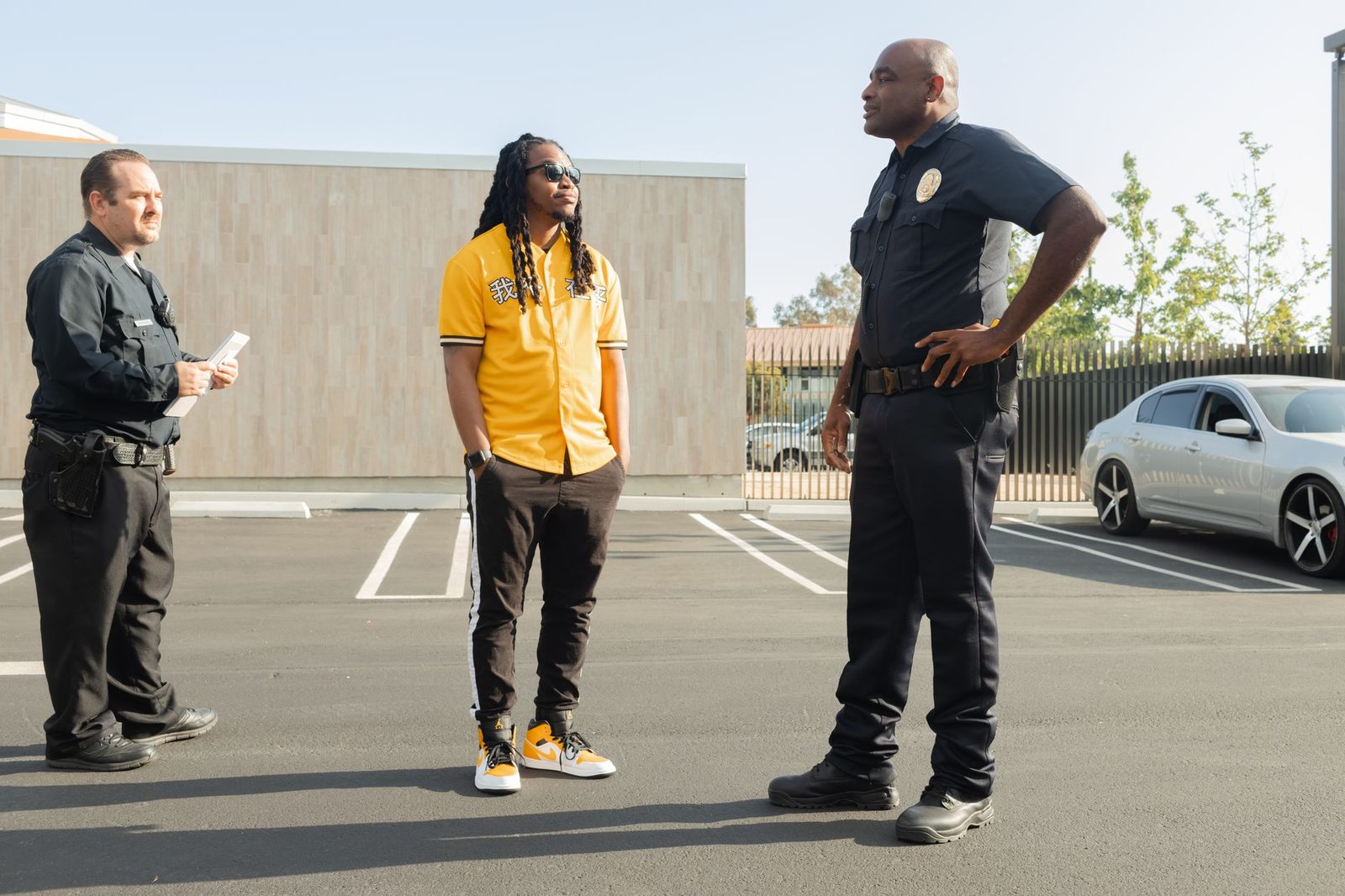
Whether to give a statement depends on the facts of your situation and applicable law. Questions about statements are worth discussing before you answer.
Can a fatal crash charge affect my driver’s license?
It may, depending on the facts and applicable law. Driving privilege consequences may follow a conviction, and for certain offenses, such as vehicular homicide or DUI manslaughter, a conviction may lead to license revocation. Whether and how that applies depends on the facts and applicable law. Whether and how these consequences apply depends on the facts and applicable law.
Talk With Patrick David Wilson About Your Charge
If you’ve been charged after a fatal crash, or a family member is facing this charge, the next decisions can’t wait. Patrick David Wilson offers a free, confidential first consultation with no obligation to continue. Call 786-761-1719 or leave a message through the contact page.
Why Speak with Patrick David Wilson
Focused Criminal Defense Practice
Patrick David Wilson focuses on criminal defense, including vehicular homicide, DUI, and other charges that can affect a person's freedom and future.
Serving South Florida
The practice defends clients across South Florida, from Broward County to the Florida Keys, with its office in Miami.
Attention to Your Career
For licensed professionals, the practice considers how a charge may affect a license and livelihood, and how the facts of the case may bear on that concern.
Confidential Free Consultation
The first consultation is free, confidential, and carries no obligation to continue.
Before You Speak with Investigators
Statements made to police or insurance adjusters after a crash can affect a case. Whether any statement helps or hurts depends on the facts and applicable law, so consider speaking with a lawyer before answering questions about the incident.
How a Vehicular Homicide Case Is Handled
Understanding the Charge
Florida law addresses vehicular homicide as a felony. Depending on the circumstances alleged, the offense may be charged at different felony levels, so the specific allegations matter.
Reviewing the Facts
Crash reports, witness statements, vehicle data, and medical records can all bear on how a case is evaluated. Patrick David Wilson reviews these materials with each client.
Evaluating Possible Defenses
Possible defenses depend on the facts of the case and applicable law. No outcome can be predicted or promised before the evidence is reviewed.
Planning the Next Steps
Options may include negotiation, motions, or trial, depending on the facts and the law. Each step is discussed with the client before a decision is made.

