
Vehicular Homicide Defense
Facing a Vehicular Homicide Charge? Start With a Free, Confidential Consultation
Patrick David Wilson focuses on criminal defense, including vehicular homicide cases across South Florida. Outcomes depend on the facts of each case and applicable law.
By Patrick David Wilson · Published October 15, 2026
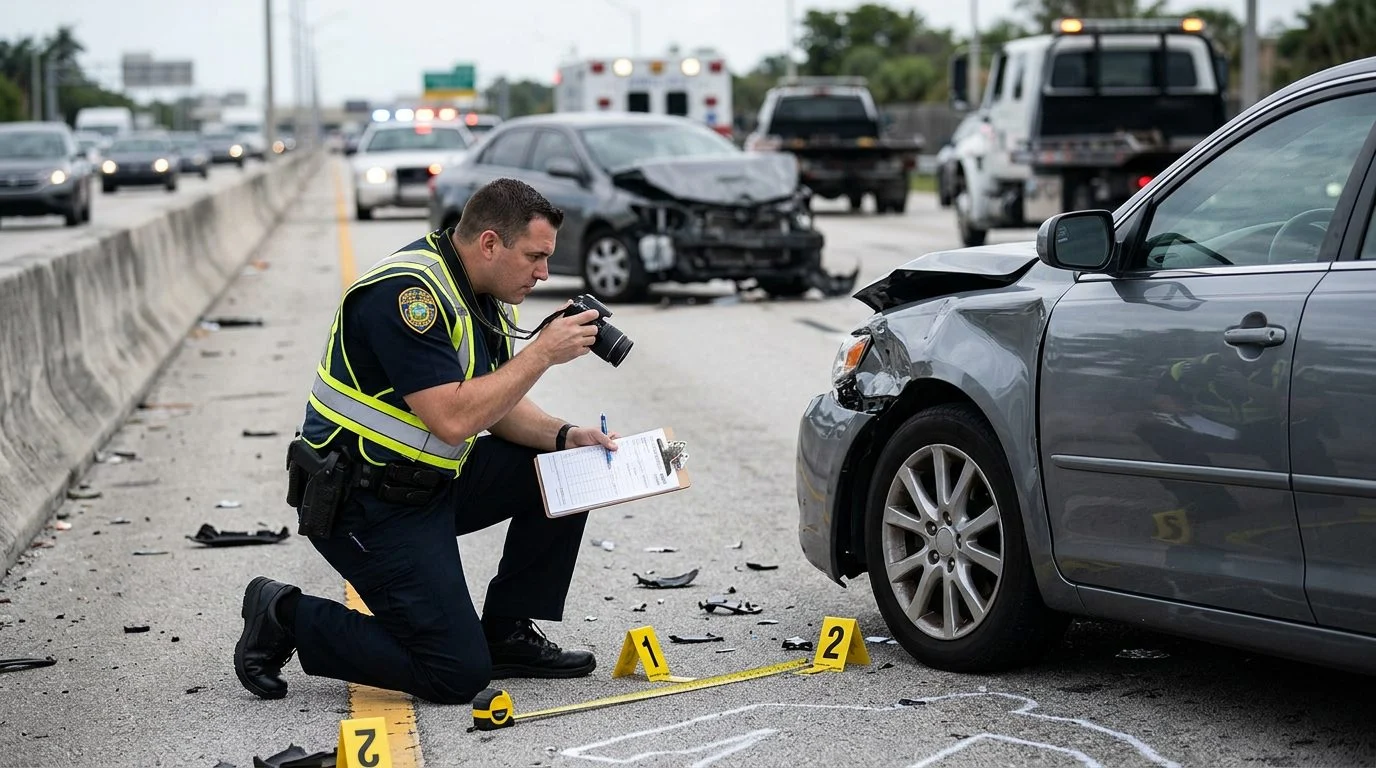
A vehicular homicide charge in Florida involves a death caused by another person’s reckless operation of a motor vehicle. Whether a charge applies depends on the facts of the crash and applicable law. This page explains the basic elements of a vehicular homicide charge and the early decisions you may face. Patrick David Wilson focuses on criminal defense from an office in Miami and serves people across South Florida. This page is general information, not legal advice about your case.
What a Vehicular Homicide Charge Involves in Florida
Vehicular homicide is a killing caused by another person’s reckless operation of a motor vehicle, under Florida’s vehicular homicide statute. The statute covers a killing “caused by the operation of a motor vehicle by another in a reckless manner likely to cause the death of, or great bodily harm to, another.” The death must be caused by the driving, and the driving must be reckless.
The base offense is a second-degree felony. Under Fla. Stat. § 782.071, vehicular homicide can be a first-degree felony when specified conditions are met, and whether those conditions apply depends on the facts of the case and applicable law. Under the first, the statute requires that, at the time of the accident, the driver knew, or should have known, that the accident occurred, and that the driver failed to give information and render aid as required by s. 316.062. The statute adds that this does not require proof the driver knew the accident caused injury or death. Whether either situation applies depends on the facts and applicable law.
Vehicular homicide is not the same as DUI. Florida’s DUI statute defines DUI by impairment of normal faculties. The two can arise from the same crash, but the rules for one don’t automatically govern the other. Leaving the scene is a separate offense under § 316.027 leaving-the-scene statute, with its own penalties that depend on the facts.
Not sure what your next step is?
Talk it through with our team — the first consultation is free, confidential, and carries no obligation.
Where a Fatal Crash Is Investigated and Charged
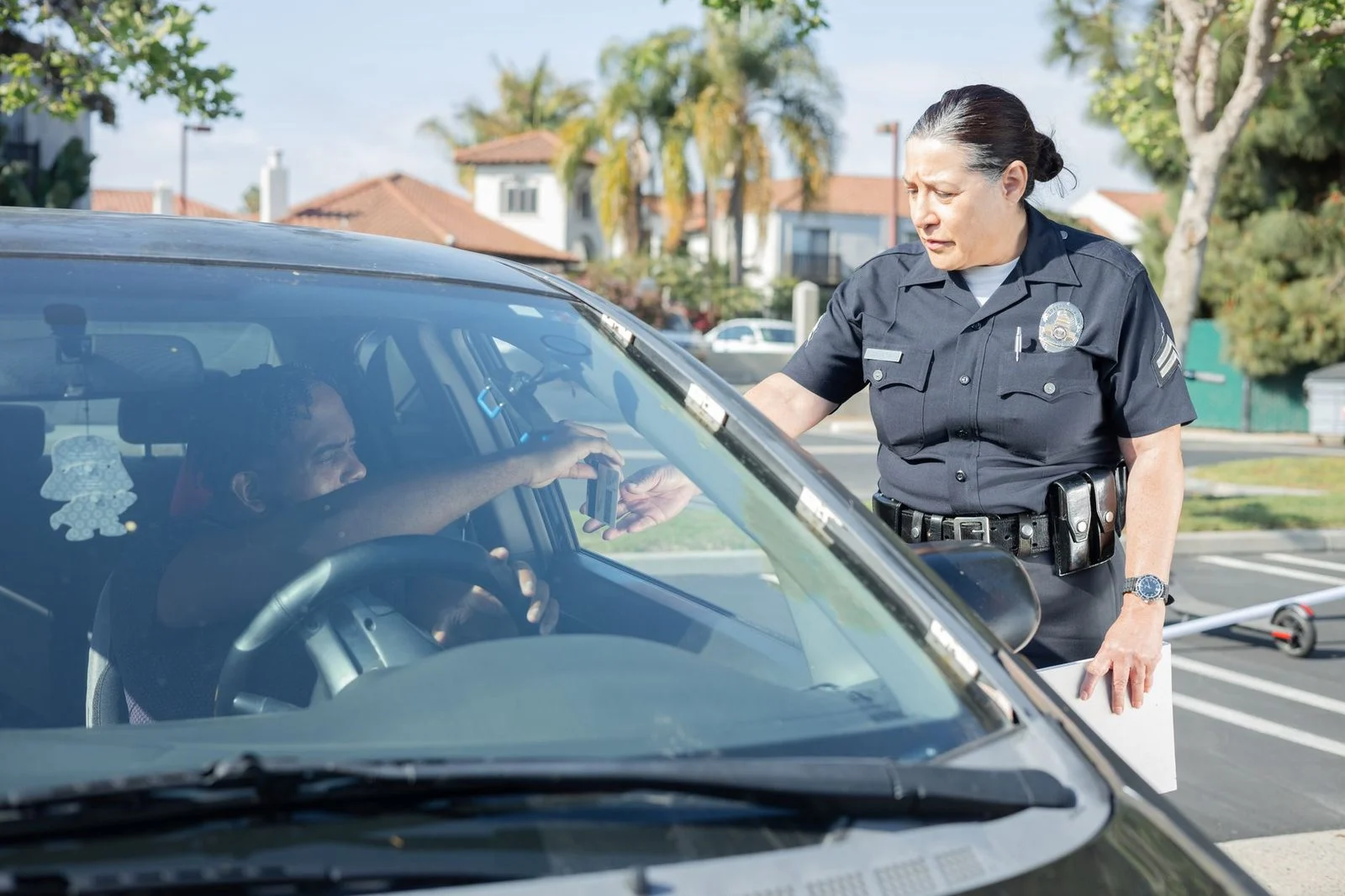
The agency that investigates a fatal crash, and the office that handles any charge, depend on where the crash happened and the facts of the case. South Miami-Dade has long stretches of busy road. US-1 runs through the area and on toward the Florida Keys. Crashes on routes like that can involve several vehicles, many witnesses, and different kinds of records.
Start by confirming which agency is handling the investigation. Then check any paperwork you have received, such as a citation, a notice to appear, or a bond form. Those papers can show the agency name, the case number, and the court. If you’re in Homestead, note that Patrick Wilson Law’s office is in Miami, not Homestead.
The First Days After a Fatal Crash
The first days after a fatal crash can shape what evidence exists and what choices you face. Your options depend on your facts and applicable law.
You may be asked to give a statement. Whether to answer questions, and how much to say, is a decision that depends on the facts. Speaking with a lawyer before answering is one option you can choose.
Evidence can change or disappear. Vehicle data, photographs, and witness contact details may matter to the case. What is still available depends on the crash and the investigation. Ask before you repair, sell, or delete anything tied to the crash.
Arrest and testing rules may also come into play. Under § 316.645 officer arrest authority, an officer who investigates at a crash scene may arrest a driver when, based on personal investigation, the officer has reasonable and probable grounds to believe the driver committed an offense under chapter 316, 320 or 322 in connection with the crash. Under § 316.1933 blood test statute, if an officer has probable cause to believe impairment caused a death or serious bodily injury, the statute says the officer shall require a blood test. The officer may use reasonable force if needed. Whether either provision applies depends on the facts.
Bond is another early issue. Article I, section 14 of the Florida Constitution generally entitles a person charged with a crime to pretrial release on reasonable conditions, with exceptions that depend on the charge and the circumstances. If a judge issues a no-contact order, § 903.047 pretrial release conditions lists conditions of pretrial release, which may include refraining from contact with the victim. Check the terms of your own order. Read every bond document carefully.
Defense Issues That Depend on the Facts
Possible defense issues depend on the evidence, and no single issue produces a particular result. Issues that may be examined include whether the driving caused the death, what other drivers did, whether a mechanical failure played a role, whether roadway or weather conditions mattered, and whether any impairment test was valid.
On the testing point, § 316.1934 impairment testing statute sets conditions for a blood or breath test to be considered valid. Those conditions include testing performed substantially under approved methods by an individual holding a valid permit.
Each issue turns on the evidence in the specific case. After reviewing the file, Patrick David Wilson would evaluate which issues apply and which do not. A defense may or may not succeed, and that depends on the evidence and the law.
Penalties and Collateral Consequences
Penalties depend on the charge, the facts, and applicable law. The base offense is a second-degree felony, punishable as provided in § 775.082 penalties statute and the related sections the vehicular homicide statute names. A first-degree classification may apply under the paragraphs discussed above.
The vehicular homicide statute also says that, in addition to any other punishment, the court may order 120 community service hours at a trauma center or hospital. Whether that happens depends on the case.
License consequences are a separate question. Under § 322.27 license suspension statute, the Department of Highway Safety and Motor Vehicles may suspend a license after a conviction for a traffic-law violation that resulted in a crash causing death or personal injury. Whether that applies depends on your record, the charge, and applicable law.
If you hold a professional license, ask how a charge could affect it. Licensing consequences depend on the type of license, the facts, and applicable law. Bring your license details to the consultation.
Common Questions Before Speaking With a Lawyer
The answers below are general information. Each one depends on your facts and applicable law.
What is the maximum sentence for vehicular homicide in Florida?
The base offense is a second-degree felony, and the sentence depends on the facts and applicable law. Check your charging papers for the penalty statute that applies to your case.
Should I talk to police after a fatal crash?
Whether to answer questions is a decision that depends on the facts. Speaking with an attorney before answering is one option you can choose.
Can I be arrested if I wasn’t drinking?
Whether an arrest at a crash scene is authorized depends on the facts and the offense charged, and § 316.645 officer arrest authority covers only offenses under chapters 316, 320 or 322 committed in connection with the crash. Whether that happens depends on the facts.
Will I lose my driver license?
More than one Florida statute may affect a driver’s license after a vehicular homicide charge or conviction: the § 322.27 license suspension statute addresses the state’s authority to suspend a license, and § 322.28 separately addresses license revocation after certain convictions, including vehicular homicide, though whether and how either provision applies depends on the facts of the case and applicable law. Whether that happens depends on your record, your charge, and applicable law.
What should I not hold back from my attorney?
Tell your attorney the full facts, including details that seem harmful. Holding back facts can make it harder to plan a defense.
Not sure what your next step is?
Talk it through with our team — the first consultation is free, confidential, and carries no obligation.
Speak With Patrick David Wilson About Your Case
If you’re facing a fatal crash investigation or a new charge, Patrick David Wilson can talk through the facts with you. Patrick Wilson Law’s office is in Miami, and Patrick David Wilson is the responsible lawyer. Call 786-761-1719, leave a message, or request a free consultation today. The first consultation is free, confidential, and carries no obligation to continue. Reading this page does not create an attorney-client relationship.
Free First Consultation
The first consultation is free, confidential and comes with no obligation to continue.
Criminal Defense Focus
Patrick David Wilson concentrates his practice on criminal defense, including vehicular homicide matters.
Clients Across South Florida
The firm represents people from Broward County to the Florida Keys, with its office in Miami.
Call 786-761-1719
Call the office directly or leave a message to arrange your consultation.
Think Before You Speak to Investigators
Statements made after a fatal crash can affect your defense. Whether to answer questions depends on the facts of your case and applicable law, so speak with Patrick David Wilson before giving any statement.
Questions to Bring to Your Consultation
The Charges
Ask which offense is listed in your charging papers and which penalty statute may apply to your case.
The Crash Facts
Bring any reports, photos or witness information you have so the facts can be reviewed together.
Your Possible Options
Discuss how the facts may support different defense approaches. Results depend on the facts of the case and applicable law.
Confidentiality
Consultations are confidential, and the first one is free with no obligation to continue.

