
DUI Defense
DUI Arrest in Broward County: What Happens Next
Understanding the immediate steps after arrest and your rights. Patrick Wilson Law guides you through the process.
By Patrick David Wilson · Published October 02, 2026
DUI Arrest in Broward County: What Happens After & Your Next Steps
A DUI arrest in Broward County is not a conviction—it’s the beginning of a legal process with multiple stages, options, and outcomes. What you do in the first hours after arrest, however, directly shapes what happens next. This guide walks you through the arrest process, your rights, and why contacting a defense attorney immediately matters for your freedom, your record, and your career.
Not sure what your next step is?
Talk it through with our team — the first consultation is free, confidential, and carries no obligation.
What a DUI Arrest in Broward County Means
An arrest for DUI (driving under the influence) occurs when law enforcement believes you operated a vehicle while impaired by alcohol or drugs. The Broward County Sheriff’s Office (BCSO) and local police departments conduct most DUI arrests across the county. An arrest is not guilt. It is probable cause—the officer’s reasonable belief that you committed a crime. From arrest to resolution, you have rights, defenses, and options. First-time offenders and licensed professionals face distinct consequences that go beyond criminal penalties: your driver’s license, your professional standing, and your reputation are all at stake.
The Immediate Arrest Process: What Happens at the Scene
Understanding what occurs during the traffic stop and arrest helps you recognize your rights and protect yourself.
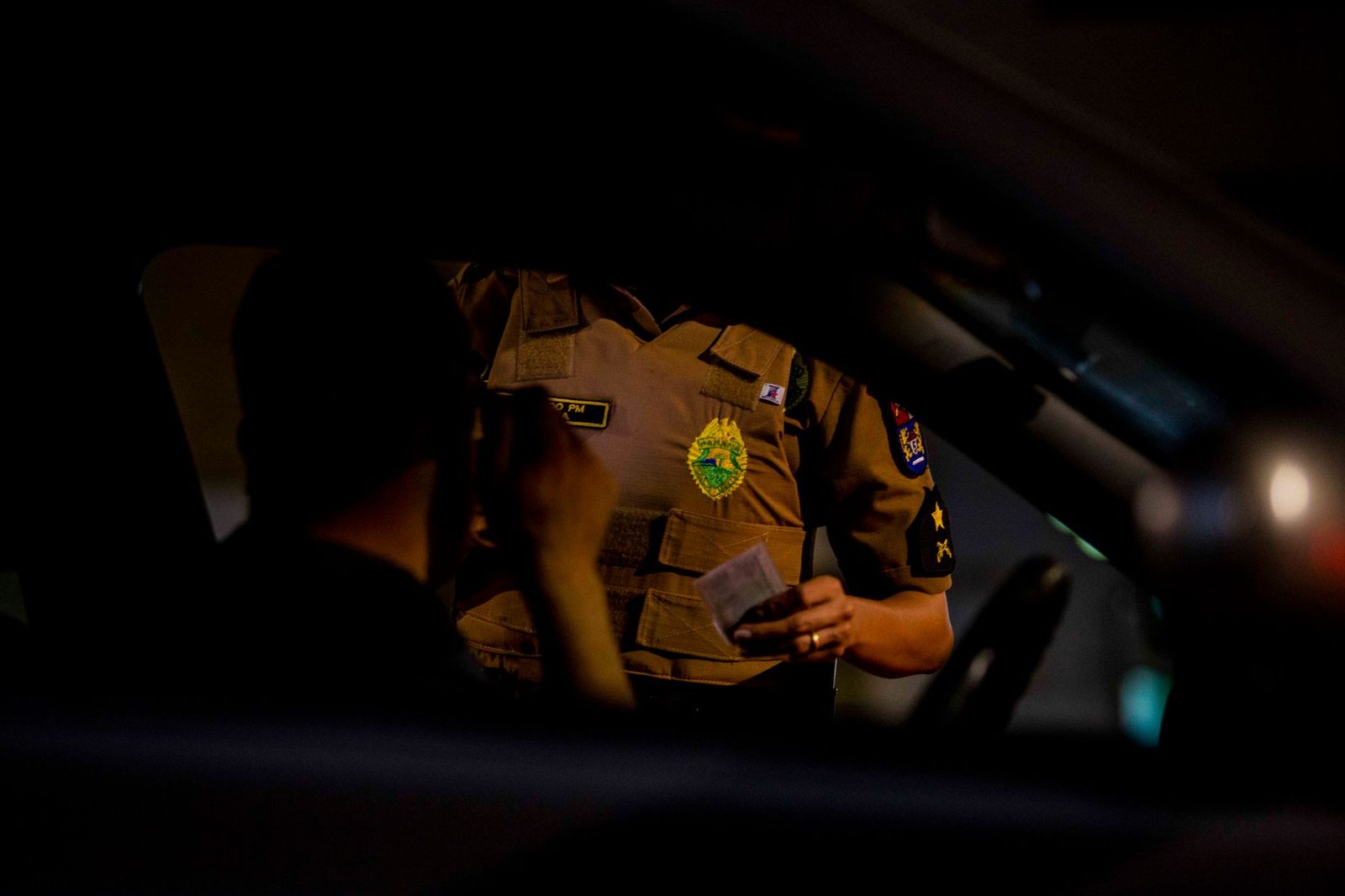
Traffic stop or checkpoint. An officer observes suspected impairment—swerving, erratic speed, bloodshot eyes—and initiates a traffic stop. You are asked to pull over and provide your license, registration, and proof of insurance.
Field sobriety tests (FSTs). The officer may ask you to perform standardized tests: walk-and-turn, one-leg stand, or horizontal gaze nystagmus (following a pen with your eyes). These tests are voluntary in Florida, though refusal may be used against you. Many FSTs are unreliable, especially for people with balance issues, injuries, or medical conditions.
Preliminary breath test (PBT). A roadside breathalyzer screening may be administered. Results from a PBT are generally inadmissible in court and are used only to establish probable cause for arrest.
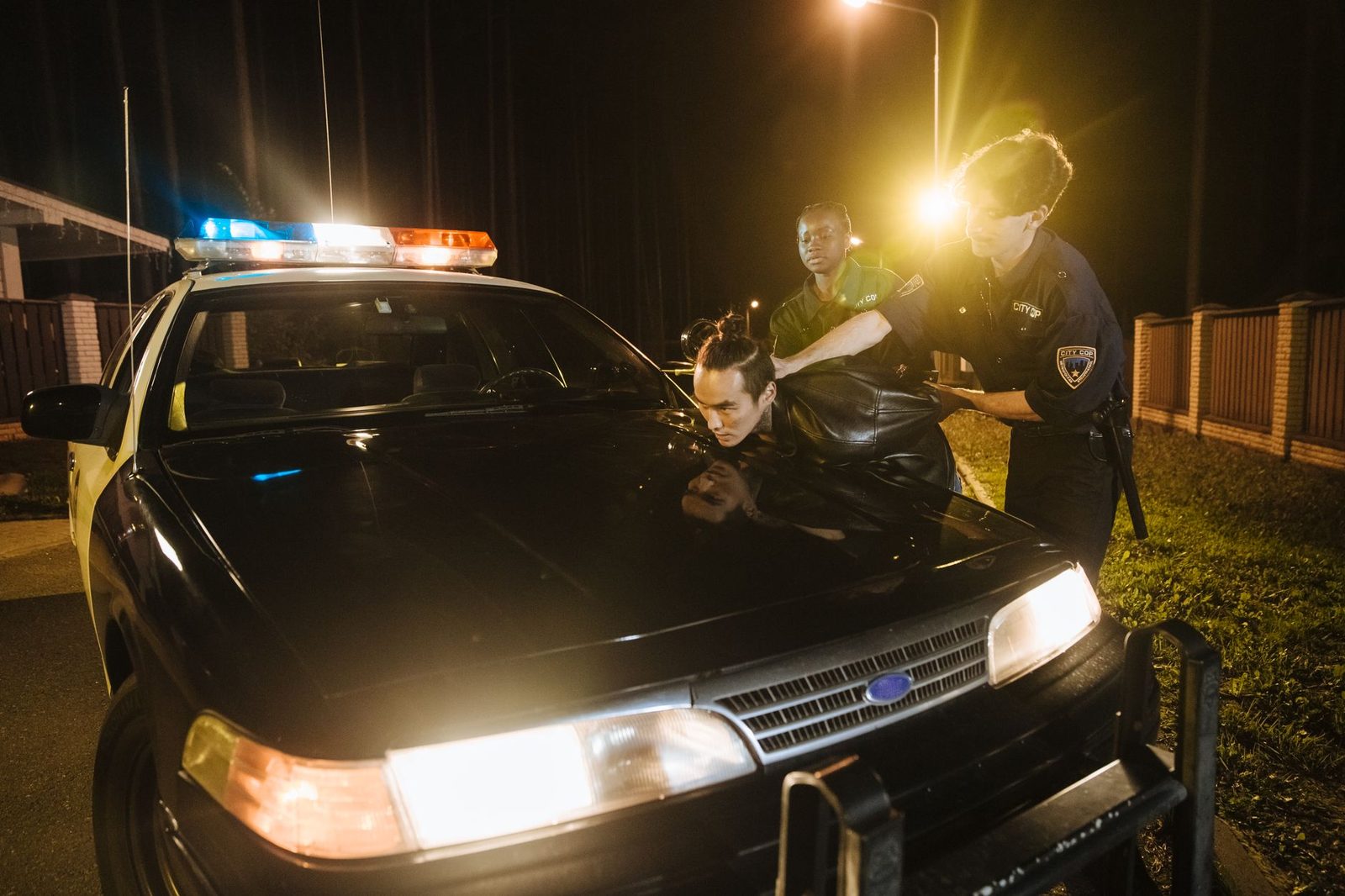
Arrest decision. If the officer believes there is probable cause, you are placed in handcuffs, read your Miranda rights, and transported to a booking facility.
Your rights. You have the right to remain silent and the right to an attorney. Exercise both immediately. Do not answer questions about where you were, what you drank, or how much you had. Say: “I want to speak to an attorney.” Repeat this if asked again. Anything you say can and will be used against you.
Booking and Detention in Broward County
After arrest, you are transported to the Broward County Sheriff’s Office booking facility or a local police station. Booking is a procedural step, not a legal proceeding.
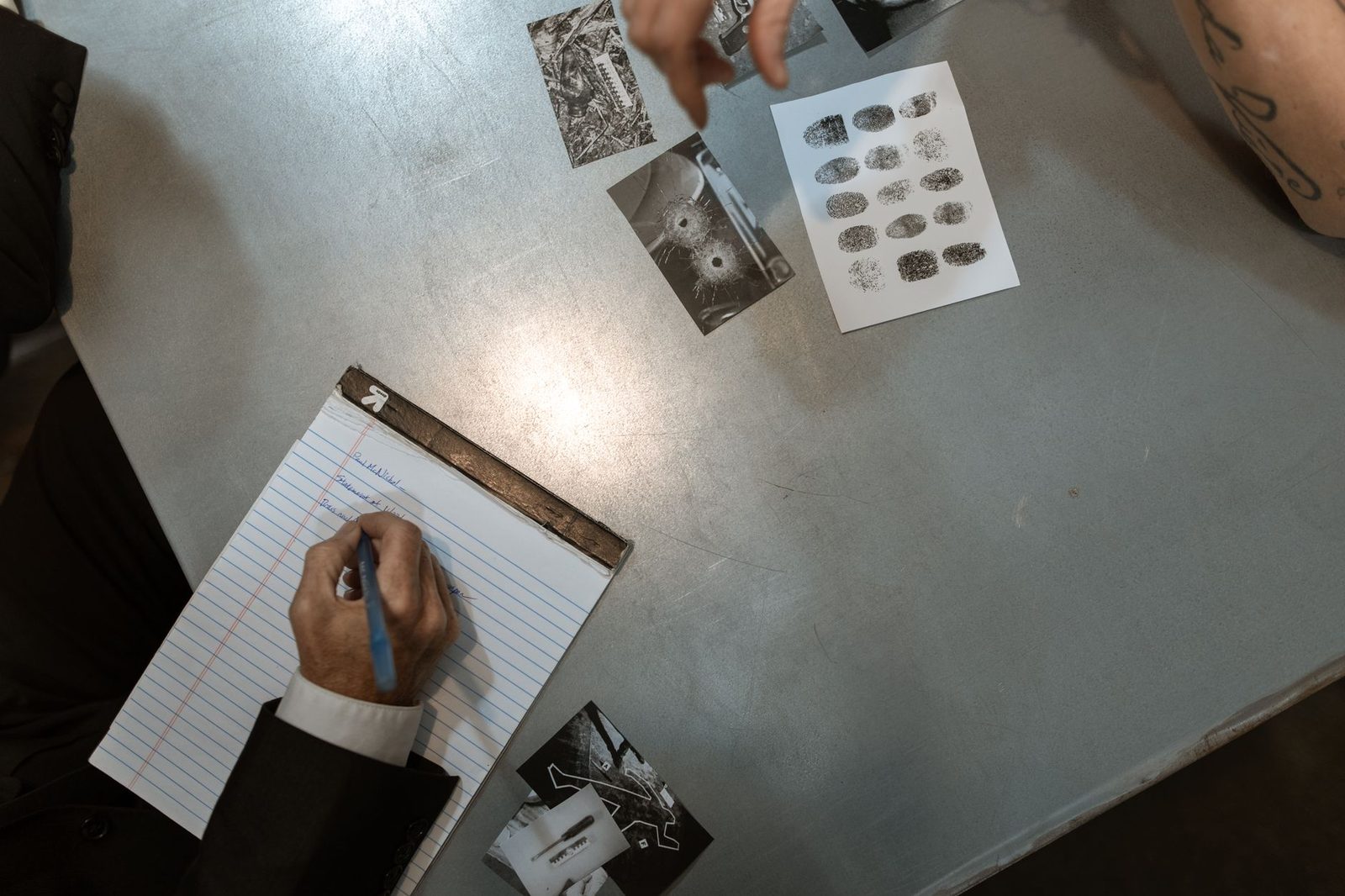
The booking process. Your personal information is recorded. A photograph (mugshot) and fingerprints are taken. Your property is inventoried and stored. You are searched, and your clothing may be photographed.
Chemical test. A formal breathalyzer or blood test is administered. Unlike the roadside PBT, this result is admissible in court and is a central piece of evidence in your case. If you refuse, that refusal is also admissible.
Bail determination. You may be held pending your first appearance or released on your own recognizance (ROR)—meaning you sign a promise to return to court without paying bail. Bail amount depends on your criminal history, ties to the community, and the severity of the charge.
Duration. Booking typically takes 1 to 3 hours. How long you remain in custody depends on bail status and facility capacity. You have the right to a phone call; use it to contact a family member or attorney.
First Appearance: Your Court Date Within 24 Hours
Florida law requires first appearance within 24 hours of arrest, excluding weekends and holidays. This is your first opportunity to appear before a judge.
Where and when. First appearance is typically held at the Broward County Courthouse or via video from the detention facility. You will be informed of the date and time during booking.
What the judge does. The judge informs you of the charges against you, advises you of your rights (including the right to an attorney and the right to remain silent), and sets bail or release conditions. If you cannot afford an attorney, you may request a public defender.
Bail options. The judge may release you on your own recognizance (ROR), set a bail amount, or in rare cases, deny bail. Bail is not punishment; it is a condition to ensure you return to court. A defense attorney can argue for the lowest possible bail or ROR at this hearing.
Your role. Listen carefully. Do not answer questions from the judge or prosecutor without your attorney present. If you do not have an attorney, request one or ask about the public defender’s office.
Are DUIs Public Record in Florida?
Yes. Arrest records, mugshots, and court proceedings in DUI cases are public record in Florida and accessible to anyone.
The Broward County Sheriff’s Office maintains searchable arrest records online. Mugshots are available through the BCSO booking blotter and third-party websites. Criminal charges and court filings are public until and unless the record is sealed or expunged.
For licensed professionals—doctors, nurses, lawyers, contractors, pilots—a public DUI arrest can trigger professional licensing investigations. For first-time offenders, a public record can affect employment, housing, and education. This is why early legal action and record sealing or expungement matter. An attorney can help you explore options to minimize the public impact of your arrest.
Not sure what your next step is?
Talk it through with our team — the first consultation is free, confidential, and carries no obligation.
Your Legal Options After Arrest
You have multiple paths forward. Each has different consequences for your license, employment, and criminal history.
Plea negotiation. The prosecution may offer reduced charges (such as a lesser traffic offense) or entry into a diversion program. Negotiation is most effective early, when the prosecution has not invested significant resources in the case.
Trial. You have the right to contest the charges. The prosecution must prove guilt beyond a reasonable doubt. Your attorney can challenge the traffic stop, the field sobriety tests, the breathalyzer calibration, and the officer’s observations.
Diversion or deferred prosecution. Many first-time DUI offenders qualify for programs that allow you to avoid conviction if you complete specific requirements (such as DUI school, community service, or probation). Completion results in dismissal of charges.
Sealing or expungement. After your case is resolved, you may be eligible to seal or expunge the record. Sealing removes the record from public view. Expungement destroys it. You can then answer “no” to most questions about arrest, with limited exceptions.
Timeline: What to Expect in the Weeks and Months Ahead
Understanding the pace of a DUI case helps you prepare mentally and financially.
Days 1–3: Arrest, booking, first appearance, bail set or ROR granted.
Week 1–2: Arraignment (formal plea entry) and discovery (prosecution shares police reports, video, breathalyzer records, and witness statements with your attorney).
Weeks 2–8: Investigation, evidence review, and negotiation with prosecution.
Months 2–6: Plea agreement reached or trial preparation begins.
Months 6–12+: Trial (if case proceeds) or sentencing (if plea entered).
Post-resolution: License suspension period, DUI school completion, probation, and potential record sealing or expungement.
Why You Need a DUI Defense Attorney Now
The first hours and days after arrest are critical. Here’s why immediate representation matters.
Protect your rights from the start. An attorney ensures you do not waive rights or make statements that harm your case.
Preserve evidence. Police reports, dashcam video, breathalyzer calibration records, and witness statements can disappear or degrade. Your attorney obtains and preserves this evidence early.
Bail and release. Your attorney advocates for the lowest possible bail or release on your own recognizance at first appearance. Staying out of custody protects your job, your family, and your ability to prepare your defense.
Negotiation leverage. Prosecution is more willing to discuss reduced charges or diversion early. Once trial preparation begins, options narrow.
Identify diversion and alternative programs. For first-time offenders and licensed professionals, your attorney identifies programs that protect your career and avoid conviction.
Challenge evidence. An attorney can file motions to suppress illegally obtained evidence, challenge breathalyzer reliability, and question the legality of the traffic stop.
Patrick Wilson Law: DUI Defense in Broward County
Patrick Wilson Law defends people across Broward County—from Fort Lauderdale to Homestead—against DUI charges. We focus on first-time offenders and licensed professionals whose careers and records are on the line.
Local experience. We understand Broward County courts, judges, prosecutors, and procedures. We know how cases move through the system and what negotiation and trial outcomes look like in this county.
First-time offenders. We work to minimize consequences and explore diversion programs and record-sealing options that protect your future.
Licensed professionals. We understand the stakes for your professional standing. We work to protect your license and career while defending your criminal case.
Immediate action. We offer a free consultation to review your arrest, explain your options, and begin investigation. We move fast because the first days matter.
Transparent process. We explain what happens next, what to expect, and what your case may involve. No surprises.
Frequently Asked Questions
Will I lose my driver’s license?
License suspension is automatic in Florida DUI cases, but you have the right to request an administrative hearing within 10 days of arrest. Your attorney can file this request and represent you at the hearing to challenge the suspension.
Can I refuse the breathalyzer?
You can refuse, but refusal carries serious consequences: automatic license suspension, admission of refusal at trial, and potential felony charges if you have prior DUI convictions.
What if this is my first DUI?
First-time offenders often qualify for diversion programs, reduced charges, or plea agreements that avoid conviction. Early legal action increases your options.
How much will this cost?
Costs depend on whether your case is resolved through negotiation or requires trial. Discuss fees and payment options during your free consultation.
Can my DUI record be sealed or expunged?
Yes, in many cases. After case resolution, you may be eligible to seal or expunge the record, which removes it from public view and allows you to answer “no” to arrest questions with limited exceptions.
What happens if I don’t hire an attorney?
You have the right to represent yourself, but prosecution has significant resources and experience. Without representation, you risk harsher penalties, missed opportunities for negotiation, and a permanent criminal record.
Not sure what your next step is?
Talk it through with our team — the first consultation is free, confidential, and carries no obligation.
What to Do Right Now
Do not discuss your arrest. Avoid social media, group chats, and conversations with friends or family about the details of your arrest or what you were doing that night. Anything you say can be used against you.
Gather documents. Collect your arrest paperwork, citation, bail receipt, and any police reports you have.
Request your driving record. Obtain a copy of your Florida driving record to understand any prior DUI or traffic history.
Note details. Write down the date, time, and location of the stop; the officer’s name and badge number; the results of field sobriety tests; and the breathalyzer reading (if you remember it).
Contact Patrick Wilson Law immediately. Call 786-761-1719, visit our contact page, or leave us a message. A DUI arrest in Broward County moves fast. The sooner you have an attorney working on your case, the sooner we can protect your rights, investigate the evidence, and explore your options. People arrested for DUI in Broward County reach out every day—and early action changes outcomes.
The First Hours After Arrest
Booking & Processing
You'll be taken to a local police station or jail for booking. Officers will record personal information, photograph you, and take fingerprints. You have the right to remain silent—use it. Anything you say can be used against you.
The Breathalyzer Decision
You may be asked to take a breath or blood test. Refusal has serious consequences under Florida law, but you have the right to decline. An attorney can advise you on the implications specific to your situation.
Your First Appearance
Florida law requires you to appear before a judge within 24 hours. At this hearing, bail or release conditions are set. Having an attorney present protects your interests from the start.
Administrative License Suspension
Your driver's license faces automatic suspension in Florida DUI cases. You have a limited window to request an administrative hearing to challenge it. An attorney can file this request on your behalf.
Act Quickly
Time limits apply to license suspension hearings and other DUI defenses. Delays can cost you driving privileges and weaken your case. Contact an attorney immediately after arrest.
Why You Need a DUI Attorney in Broward County
Protect Your Rights
Police procedures must follow strict rules. An attorney reviews whether your arrest, testing, and detention complied with the law.
Challenge the Evidence
Breathalyzers, field sobriety tests, and police reports can contain errors. We examine the evidence against you and identify weaknesses.
Meet Critical Deadlines
DUI cases involve multiple deadlines—license hearings, discovery requests, motions. Missing one can harm your defense.
Negotiate Your Options
We work with prosecutors to explore alternatives, reduced charges, or diversion programs when they serve your interests.
Common Questions After a Broward DUI Arrest
Will I go to jail?
Jail time depends on factors like your BAC, prior record, and whether anyone was injured. First-time offenders often avoid jail, but it's not guaranteed. Your attorney will work to minimize consequences.
What about my job or professional license?
A DUI conviction can threaten careers in healthcare, law, finance, and other licensed fields. Early intervention and strategic defense are critical for professionals whose livelihoods are at stake.
Can I get the charge dismissed?
Dismissal is possible if police violated your rights, tests were mishandled, or evidence is insufficient. An attorney investigates whether grounds for dismissal exist in your case.
What if I'm not a U.S. citizen?
A DUI conviction can trigger deportation or immigration consequences. Non-citizens need immediate legal counsel to understand how a conviction affects their status and explore protective options.
Patrick Wilson Law Serves South Florida
Broward County & Beyond
We defend clients throughout South Florida, including Fort Lauderdale, Miami-Dade, the Florida Keys, and surrounding areas.
First-Time Offenders
If this is your first DUI, we focus on minimizing the impact on your record, career, and future.
Licensed Professionals
We understand the stakes for doctors, nurses, lawyers, pilots, and other professionals. We work to protect both your freedom and your career.

