
Criminal Defense
DUI Defense Attorney in Miami-Dade & Broward Counties
Individualized representation for DUI charges. Patrick Wilson Law fights to protect your rights and your future.
By Patrick David Wilson · Published September 28, 2026
DUI Defense Attorney in Miami-Dade & Broward Counties
A DUI arrest in Miami-Dade or Broward County sets two separate legal processes in motion at once: an administrative license suspension handled by the state, and criminal charges prosecuted in court. A DUI lawyer’s role is to protect your rights through both tracks—challenging the evidence against you, examining whether the stop and arrest followed the law, and working toward the best resolution available in your specific circumstances.
Not sure what your next step is?
Talk it through with our team — the first consultation is free, confidential, and carries no obligation.
What a DUI Defense Attorney Does
A DUI lawyer protects your rights from the moment of arrest through the final resolution of your case. Your attorney investigates the traffic stop itself—whether the officer had a lawful reason to pull you over, whether field sobriety tests were administered correctly, and whether breathalyzer or blood tests were reliable. Early intervention matters: requesting your administrative hearing within 10 days of arrest, obtaining police reports and dashcam footage, and identifying weaknesses in the state’s case can reshape your options before any plea is discussed.
DUI defense differs from other criminal work because it combines technical evidence (breath and blood test procedures, calibration records, toxicology) with constitutional protections (the legality of the stop, your right against self-incrimination, proper Miranda warnings). Your attorney doesn’t just negotiate with prosecutors; they evaluate whether the evidence will hold up in court and what defenses apply to your arrest. Individualized representation means assessing your specific stop, your test results, and your local court—not applying a one-size-fits-all strategy.
Understanding DUI Charges in Florida
Under Florida Statute § 316.193, you can be charged with DUI in two ways: DUI per se (driving with a blood alcohol content of 0.08% or higher) or impairment-based DUI (driving while impaired by alcohol, drugs, or both, regardless of BAC). The state doesn’t have to prove you were impaired if your BAC is 0.08% or above; the BAC itself is the offense. But if your BAC is below 0.08%, the prosecution must prove impairment through field sobriety tests, officer observations, and other evidence.
First-time DUI offenders in Florida face mandatory minimum penalties: fines, jail time, probation, and a six-month license suspension. A second DUI within five years escalates penalties significantly. A third DUI within ten years becomes a felony. These escalations matter: a felony conviction affects employment, housing, professional licenses, and your future in ways a misdemeanor does not.
The DUI Arrest and Booking Process
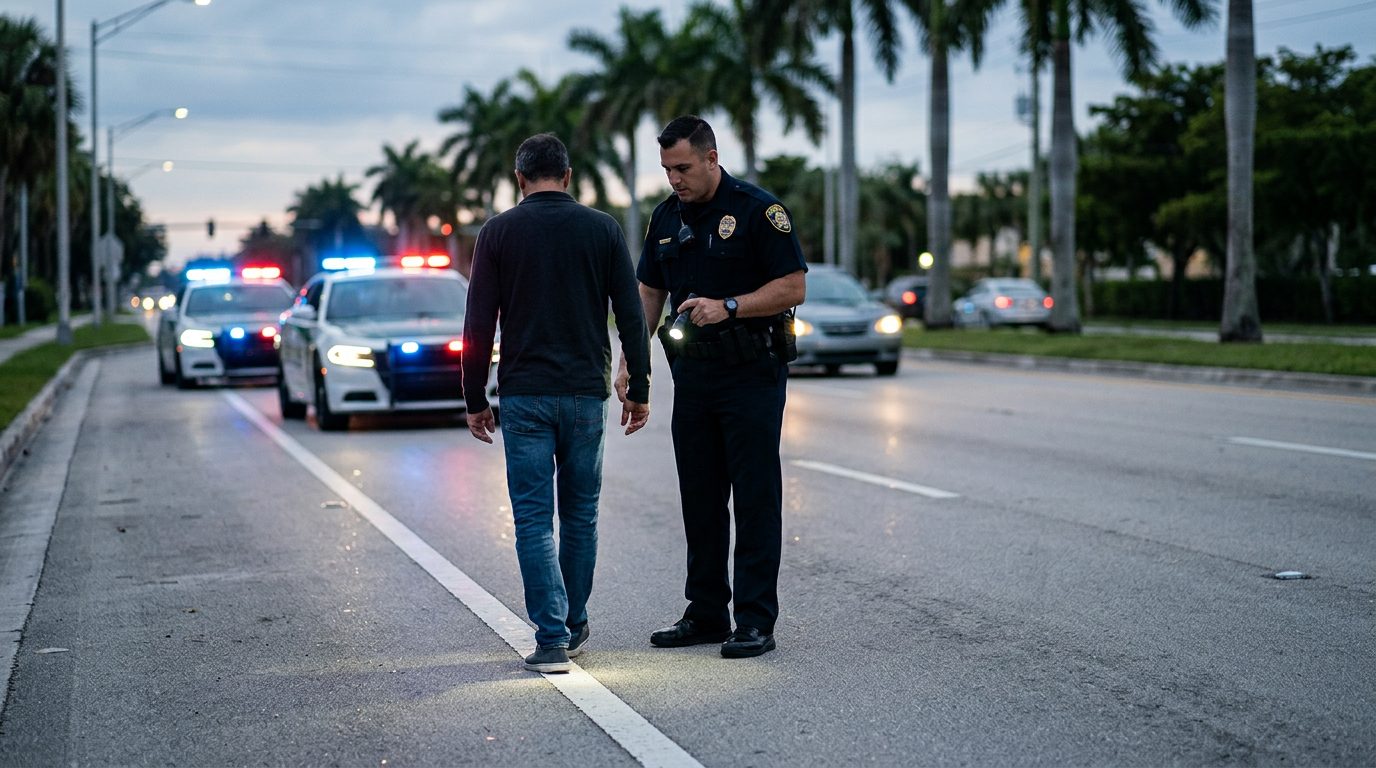
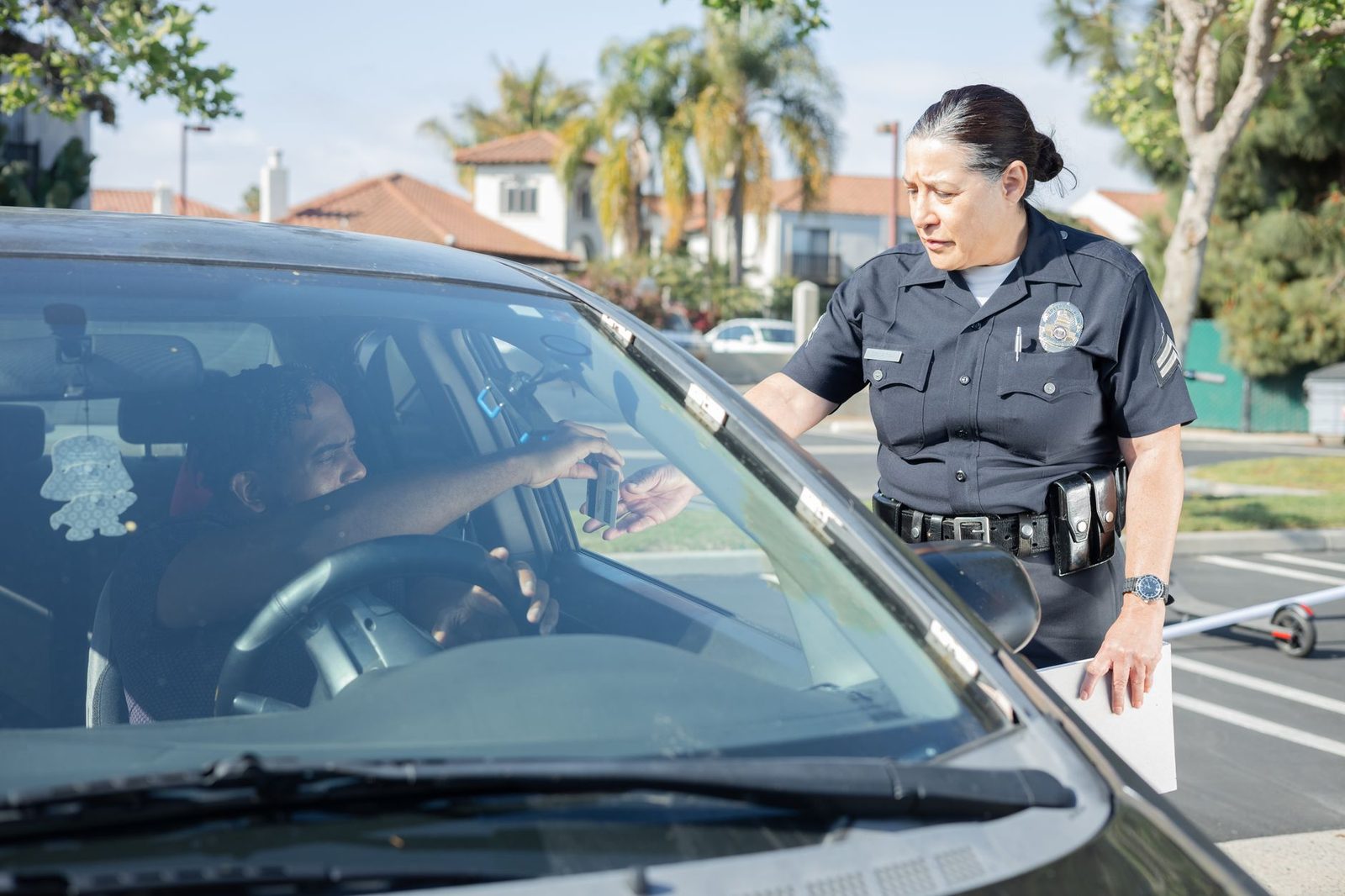
A DUI arrest typically begins with a traffic stop. The officer must have a lawful reason to stop your vehicle—a traffic violation, an equipment defect, or reasonable suspicion of criminal activity. Once stopped, the officer observes you: how you exit the vehicle, your speech, your balance, the odor of alcohol. If the officer suspects impairment, they may ask you to perform field sobriety tests—the Horizontal Gaze Nystagmus (HGN, or “eye test”), Walk-and-Turn, and One-Leg Stand. These tests are standardized, but their administration and interpretation can be challenged.
If the officer believes you’re impaired, you’ll be arrested and taken to a police station or jail for booking. You have the right to remain silent and the right to an attorney. Anything you say after arrest can be used against you in court. During booking, you may be asked to take a breath or blood test. Under Florida’s implied consent law, you consent to testing by driving; however, you retain the right to refuse—though refusal carries its own penalties and can be used as evidence of consciousness of guilt.
Common DUI Defense Strategies
Challenging the legality of the traffic stop is a foundational defense. If the officer lacked a lawful reason to stop you, any evidence gathered after the stop may be excluded from trial. Your attorney examines dashcam footage, police reports, and dispatch records to determine whether the stop was justified.
Field sobriety tests are subjective and can be influenced by fatigue, medical conditions, uneven road surfaces, and poor lighting. An officer’s administration of these tests may not follow standardized procedures, which weakens their reliability. Your attorney can cross-examine the officer about how the tests were given and challenge their interpretation.
Breathalyzer and blood test accuracy depends on proper maintenance, calibration, and testing procedures. Breathalyzers must be calibrated regularly; blood samples must be collected, stored, and tested correctly. Your attorney can obtain maintenance records, calibration logs, and the qualifications of the person who conducted the test. A gap in maintenance or a deviation from proper procedure can render the test result inadmissible.
Police procedures matter. Did the officer read you your Miranda rights before questioning? Did they observe you for 15 minutes before administering a breath test, as required? Did they document the test conditions? Constitutional violations—improper searches, coerced statements, failure to preserve evidence—can be grounds to suppress evidence or dismiss charges.
License Suspension and Administrative Hearings
A DUI arrest in Florida triggers an automatic administrative license suspension separate from any criminal case. The Florida Department of Highway Safety and Motor Vehicles (FLHSMV) suspends your license immediately upon arrest if your BAC was 0.08% or higher or if you refused testing. You have 10 days from the date of arrest to request an administrative hearing to challenge the suspension. If you don’t request a hearing within 10 days, the suspension becomes final.
At the administrative hearing, the hearing officer reviews whether the officer had probable cause to stop you and whether they had probable cause to arrest you for DUI. You can present evidence and cross-examine the officer. A successful challenge at this hearing can restore your driving privileges while your criminal case proceeds. Even if you lose the administrative hearing, the experience and evidence from it can inform your criminal defense strategy.
DUI Penalties in Florida
A first DUI conviction carries mandatory minimum penalties: a fine of $500 to $1,000, up to six months in jail, probation, a six-month license suspension, and an ignition interlock device (a breathalyzer installed in your car) for six months. You must also complete a DUI school and a substance abuse evaluation.
A second DUI within five years increases the mandatory minimum jail time to ten days and extends the license suspension to one year. A third DUI within ten years is a felony, with mandatory minimum jail time of 30 days, a ten-year license suspension, and substantial fines. A DUI with property damage or injury escalates charges further; DUI manslaughter (causing death while driving under the influence) is a felony carrying up to 15 years in prison.
Beyond the immediate penalties, a DUI conviction affects your employment prospects, professional licenses, insurance rates, and ability to rent housing. These collateral consequences often outlast the formal sentence.
DUI in Miami-Dade County
Miami-Dade County criminal cases are handled by the Eleventh Judicial Circuit. DUI prosecutions in Miami-Dade follow specific local procedures: discovery rules, plea offer practices, and trial protocols set by the State Attorney’s Office and the courts. Local prosecutors and judges have patterns and preferences shaped by years of handling DUI cases in this county.
Miami-Dade has active traffic enforcement, particularly in Miami Beach, Coral Gables, and along major corridors. Checkpoints and saturation patrols are common, especially during holidays and high-traffic periods. Understanding local enforcement patterns helps your attorney anticipate how your case will be prosecuted and what evidence to expect.
Have questions about what happened?
Ask our team directly. The first conversation is free, confidential, and there is no obligation to continue.
DUI in Broward County
Broward County courts handle DUI cases through a separate system with its own local rules and practices. The Broward State Attorney’s Office has its own prosecution approach and plea offer guidelines. Local law enforcement agencies—the Broward Sheriff’s Office, Fort Lauderdale Police, and municipal police departments—have their own training standards and procedures for DUI investigations.
Broward County has significant DUI enforcement activity, particularly in beach communities and along Interstate 95. Local knowledge of how Broward prosecutors handle first-time offenders, repeat offenders, and cases with aggravating factors is essential to developing your defense strategy.
DUI in Specific Miami-Area Cities
Miami Beach, Coral Gables, Hialeah, Doral, and Kendall each have municipal courts and local law enforcement with their own DUI enforcement practices. Miami Beach, in particular, has high-volume DUI arrests tied to nightlife and tourism. Coral Gables has its own municipal court system. Hialeah and Kendall are part of Miami-Dade County’s criminal justice system but may have local considerations affecting your case.
Your jurisdiction affects bail decisions, court procedures, and the specific prosecutors and judges handling your case. Local representation means understanding how your city’s courts operate and what to expect in your specific courthouse.
Special Circumstances: DUI with Property Damage or Injury
A DUI arrest involving property damage escalates charges. If you caused an accident that damaged someone else’s property or vehicle while under the influence, you face additional charges beyond DUI—potentially criminal mischief or reckless driving charges layered on top of the DUI.
If someone was injured in the accident, charges can escalate to DUI with property damage or injury—a felony. If someone died, you face DUI manslaughter charges under Florida Statute § 316.193, which carries mandatory minimum sentences of four years in prison for a first offense. These serious charges require aggressive defense strategies and early intervention to explore all available options.
Commercial Driver’s License (CDL) and DUI
If you hold a Commercial Driver’s License, DUI charges carry stricter consequences. CDL holders are subject to a 0.04% BAC threshold (half the standard 0.08% threshold) under federal law. A single DUI conviction results in mandatory disqualification from holding a CDL for one year; a second offense within ten years results in lifetime disqualification.
For drivers whose livelihood depends on a CDL—truckers, bus drivers, delivery drivers—a DUI conviction can end their career. Your attorney can explore whether alternative resolutions or diversion programs are available to protect your CDL status.
Underage DUI in Florida
Drivers under 21 face zero-tolerance DUI laws. Under Florida Statute § 316.193, a driver under 21 with a BAC of 0.02% or higher can be charged with DUI. This is far lower than the 0.08% threshold for adult drivers. A single drink can result in a DUI charge for an underage driver.
Underage DUI cases may be handled in juvenile court, depending on the driver’s age and the circumstances. Juvenile court has different procedures and confidentiality rules than adult criminal court, but a juvenile DUI conviction still carries license suspension, fines, and mandatory education programs. Early intervention and understanding juvenile court procedures are critical for young drivers.
Diversion and Alternative Programs
Florida offers DUI diversion programs for eligible first-time offenders. These programs—such as DUI school, substance abuse treatment, and community service—allow you to avoid a criminal conviction if you complete the program successfully. Eligibility depends on factors like your BAC level, whether anyone was injured, and your prior criminal history.
Your attorney can advocate for your participation in a diversion program, negotiate with prosecutors, and ensure you understand the requirements and benefits. Completing a diversion program can result in charges being dismissed or reduced, protecting your record and your future.
Want to know where you stand?
Tell us what happened and our team will walk you through the options available to you, at no cost.
Implied Consent and Your Rights
Florida’s implied consent law means that by driving on Florida roads, you consent to breath or blood testing if lawfully arrested for DUI. However, you retain the right to refuse the test. Refusing a breath or blood test carries separate penalties: a one-year license suspension for a first refusal, an 18-month suspension for a second refusal within ten years.
The choice to refuse or submit to testing involves strategic considerations. A refusal means no BAC result to prove impairment, but refusal itself can be used as evidence against you. Your attorney can advise you on the implications of refusal in your specific situation, though the decision is ultimately yours.
After Your DUI Arrest: What Comes Next
After arrest, you’ll have a first appearance hearing, usually within 24 hours. At this hearing, the judge sets bail, informs you of charges, and advises you of your rights. Your attorney can advocate for reasonable bail and begin gathering information about your case.
Your attorney then obtains discovery—police reports, dashcam footage, breathalyzer calibration records, and witness statements. This evidence is analyzed to identify weaknesses in the state’s case. Negotiations with the prosecutor may follow, exploring plea options or conditions for dismissal. If the case doesn’t resolve through negotiation, your attorney prepares for trial, including depositions of the arresting officer and expert witnesses.
The timeline from arrest to resolution varies. A case may resolve within weeks through a plea agreement or dismissal, or it may proceed to trial, which could take months. Your attorney guides you through each stage and explains your options.
Why Local Representation Matters
A DUI lawyer who practices regularly in Miami-Dade and Broward County courts understands the local prosecutors, judges, and law enforcement practices. They know which judges are more favorable to certain defenses, how prosecutors in each office handle first-time offenders, and what evidence local police typically gather in DUI stops.
This local knowledge shapes strategy. Your attorney can anticipate how your case will be prosecuted, what discovery will be available, and what resolution is realistic in your specific court. They have relationships with prosecutors and court staff that facilitate communication and negotiation. They understand the quirks and preferences of local procedures that can affect your outcome.
Generic DUI advice from a website or an attorney unfamiliar with Miami-Dade and Broward courts misses these critical local factors. Your defense is strongest when your attorney knows your courthouse intimately.
Frequently Asked Questions
What should I do immediately after a DUI arrest?
Exercise your right to remain silent, do not answer questions about drinking or driving, and request an attorney. Do not consent to field sobriety tests or a breath test without understanding the consequences—your attorney can advise you on this. Request an administrative hearing within 10 days to challenge your license suspension.
Can I refuse a breathalyzer test?
Yes, you can refuse, but refusal carries a one-year license suspension and can be used as evidence against you in court. Your attorney can advise you on the strategic implications of refusal in your specific case.
What is the difference between DUI per se and impairment-based DUI?
DUI per se means your BAC is 0.08% or higher; the state doesn’t have to prove impairment. Impairment-based DUI means you were impaired by alcohol or drugs, regardless of BAC; the state must prove impairment through tests and observations.
How long does a DUI case typically take in Florida?
A DUI case can resolve in weeks through a plea agreement or dismissal, or it may take several months if it proceeds to trial. Your attorney guides you through the timeline and keeps you informed of developments.
Can field sobriety tests be challenged?
Yes. Field sobriety tests are subjective and can be affected by medical conditions, fatigue, and improper administration. Your attorney can challenge how the tests were given and their reliability as evidence.
What are the penalties for a first DUI in Florida?
Mandatory minimum penalties include a $500–$1,000 fine, up to six months in jail, probation, a six-month license suspension, DUI school, and an ignition interlock device for six months.
What happens if I’m arrested for DUI with a CDL?
CDL holders face a 0.04% BAC threshold and mandatory one-year CDL disqualification for a single DUI conviction. A second offense results in lifetime disqualification. Your attorney can explore options to protect your CDL status.
If you’ve been arrested for DUI or stopped under suspicion of impaired driving in Miami-Dade or Broward County, you face both an administrative license suspension and criminal charges—and the decisions you make in the first days matter. People in your situation can reach out to Patrick Wilson Law to discuss what happens next. Contact us for a free consultation or call 786-761-1719 to speak with an attorney about your arrest and your options.
Act Within 10 Days
After a DUI arrest, Florida law gives you a limited window to request an administrative hearing to challenge your license suspension. Time is critical. Contact us immediately to protect your driving privileges.
What Happens After a DUI Arrest
Immediate Steps
Exercise your right to remain silent. Do not answer questions about drinking or driving. Request an attorney before any police questioning. Understanding your options—including field sobriety tests and breath tests—is essential.
Administrative Hearing
You have 10 days to request a hearing to challenge your license suspension. This is separate from any criminal case and requires prompt action to preserve your rights.
Criminal Charges
DUI charges can carry serious penalties including fines, license suspension, jail time, and a permanent criminal record. Your defense strategy depends on the specific facts of your arrest and the evidence against you.
Your Defense
We examine the traffic stop, field sobriety tests, breathalyzer accuracy, blood draws, and police procedures. Violations of your rights or procedural errors can significantly impact your case.
Why Choose Patrick Wilson Law for Your DUI Defense
Individualized Representation
Every DUI case is unique. We focus on the specific facts of your arrest, the evidence against you, and your circumstances—not a one-size-fits-all approach.
Thorough Case Review
We examine police reports, dashcam and body camera footage, breathalyzer maintenance records, and the legality of the traffic stop to identify weaknesses in the prosecution's case.
Fast Action
We understand the urgency. Administrative hearings, license suspensions, and criminal deadlines require immediate attention. We move quickly to protect your rights.
Direct Access
You work directly with Patrick Wilson Law—not a referral service or answering machine. We're available to answer your questions and guide you through the process.
Common DUI Defense Questions
Can I refuse a breathalyzer test?
You have the right to refuse, but refusal carries its own consequences under Florida law, including automatic license suspension. An attorney can advise you on the implications for your specific situation.
What if I failed a field sobriety test?
Field sobriety tests are subjective and can be challenged. Factors like road conditions, footwear, medical conditions, and proper administration all affect reliability. We examine how the test was conducted.
Will a DUI conviction affect my job?
A DUI conviction can impact employment, professional licenses, and your future. We work to minimize consequences and explore options like record sealing or expungement when applicable.
What are my options if I'm facing DUI charges?
Options depend on the evidence, your record, and the specific charges. We discuss all paths forward—from challenging the evidence to negotiating with prosecutors—during your consultation.

