

DUI Defense | Miami, Florida
How Much Is Bond for a DUI in Miami?
There is no single bond amount for every DUI arrest. Patrick Wilson Law, PLLC focuses on DUI defense in Miami-Dade, Broward County and the Florida Keys, and we can explain what to expect for your charge.
By Patrick David Wilson · Published October 26, 2026
If you’re asking how much is bond for a DUI in Florida, the short answer is that there’s no single number. A judge sets the amount for each charge. The bond can be paid in cash or secured through a surety bail bond.
This guide explains how that amount is set, what posting a bond costs, whether the full amount is ever paid, and what follows release. Patrick Wilson Law, PLLC is a criminal defense firm based in Miami. Patrick David Wilson is the responsible lawyer for this page.
What a DUI Bond Is and How It Differs From Bail
A bond is a promise to return to court, backed by money or a commitment. Bail is the wider word for release, and many people use the two words as if they mean the same thing. Florida’s rules define bail as the forms of release, including a surety bail bond or a cash deposit. Florida Rule 3.131 sets out that definition.
There are two common routes. With a cash bond, the full amount goes to the court. With a surety bond, a licensed bail bond agent writes the bond, and the family pays the agent a premium.
Is a bond better than bail? No single answer fits every family. Cash ties up the full amount, but it can come back. A surety bond needs less money up front, but the premium is gone once paid. The better route depends on how much money is available and how soon the person must be released.
If someone you love was just arrested for DUI, you don't have to work out the bond alone, and we're glad to help you understand it. Talk it through with our team — the first consultation is free, confidential, and carries no obligation.
How a DUI Bond Amount Is Set in Florida
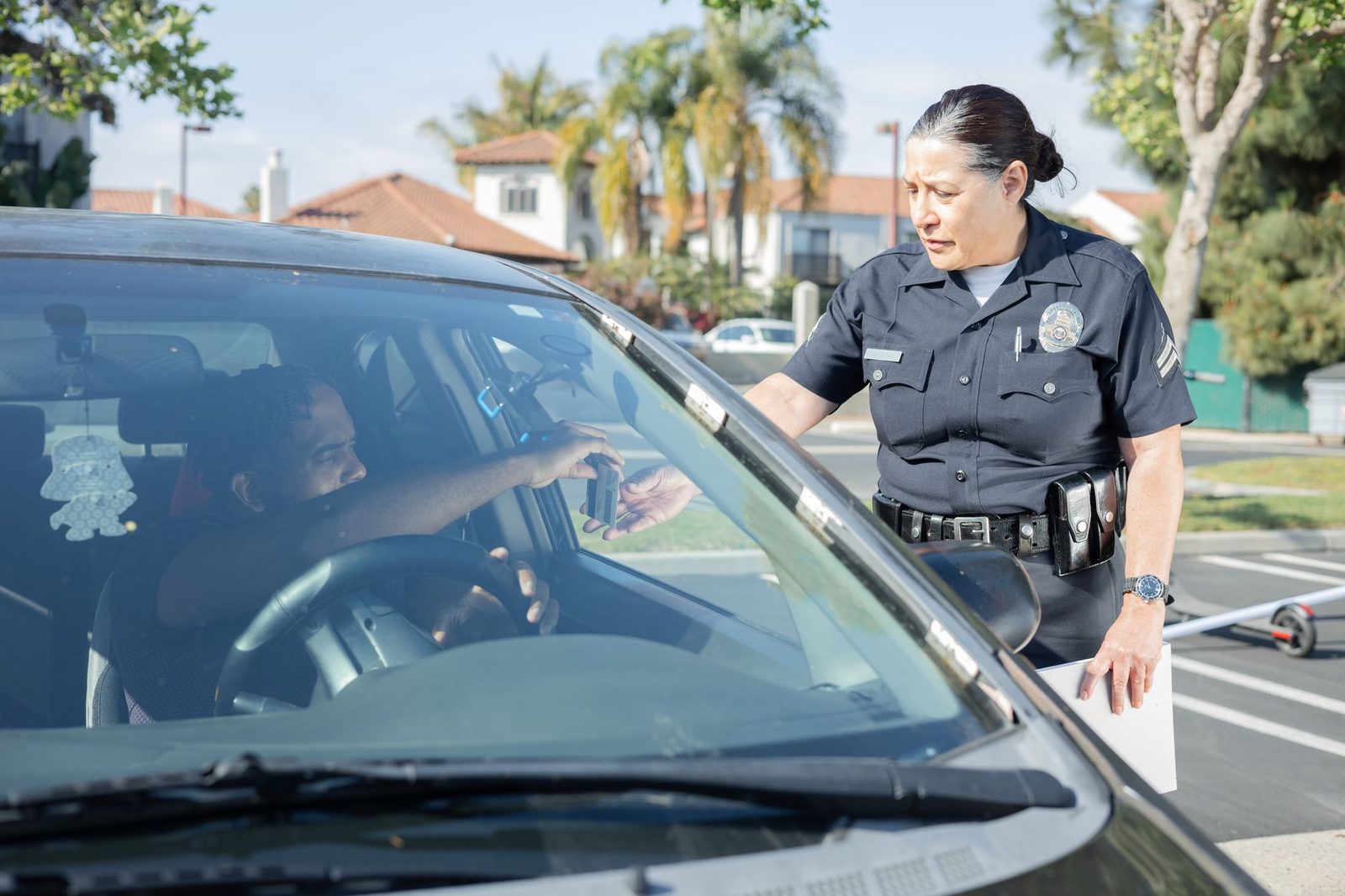
The judge sets the bond at the first appearance. That hearing must happen promptly after arrest. Under Florida Rule 3.130, unless already released in a lawful manner, every arrested person must be taken before a judge, in person or by audio-video at the court’s discretion, within 24 hours of arrest. This is where the amount is set or confirmed.
Many families assume the bond schedule decides the number. It doesn’t. The same rule says a judge conducting a first appearance hearing or bail determination is not bound by the bond schedule. Any judge who sets a monetary bond must also set a separate amount for each crime charged.
Fla. Stat. 903.046 adds employment history, financial resources, mental condition, and immigration status. For a non-citizen, immigration status is a listed factor.
A common mistake is treating the number on the jail paperwork as final. It’s a starting point. Whether the judge changes it depends on the facts presented that day. Patrick Wilson Law represents clients arrested in Miami-Dade, Broward, and Monroe County.
What a DUI Bond Costs: Premiums, Collateral, and Fees
With a surety bond, the main cost is the premium. The premium is a fee paid to the bail agent, and it is not returned once paid.
An agent may also ask for collateral to back the bond. Collateral can be property, a vehicle, or a co-signer. Ask how and when any collateral comes back after the case ends.
Beyond the premium, families may owe other amounts, such as documentation or administrative fees. Ask for a written list of every amount you may owe before you sign anything.
Expect questions about money, too. Fla. Stat. 903.046 places the burden on the person offering funds to show those funds are not linked to the alleged crime or other illegal activity. Keep clear records of where the money came from.
Do You Pay the Full Amount of a DUI Bond?
No, not with a surety bond. You pay the premium, and the full bond amount is a commitment that the agent backs. With a cash bond, the full amount is paid to the court.
Cash can come back. Under Florida Rule 3.690, when a not-guilty judgment is entered and the defendant is at large on bail, the sureties are exonerated. Money or bonds deposited as bail are refunded. That refund rule applies to a not-guilty judgment. It is not a promise that cash returns in every case.
Missing court can be costly. Under Fla. Stat. 903.046, a defendant who missed a required court date and was later arrested cannot get a recognizance bond, unless the defendant proves circumstances beyond his or her control for the failure to appear, in which case the court has discretion in setting release conditions. The next bond must carry a monetary commitment of at least $2,000 or twice the original, whichever is greater, unless the defendant proves circumstances beyond his or her control for the failure to appear, in which case the court has discretion in setting release conditions. A missed date raises what the family must put up next time.
Many families think a quiet case means no court dates matter. Every date on the paperwork matters.
Conditions of Release After a DUI Bond Is Posted
Release comes with conditions. The first is to refrain from criminal activity of any kind. Fla. Stat. 903.047 makes this a condition of pretrial release.
Judges may also order other conditions. These can include avoiding excessive alcohol, no narcotics without a prescription, regular reporting, a curfew, and any evaluation the court requires. The person must follow the recommendations from that evaluation. Conditions vary by case.
The driver’s license follows its own track. Under Fla. Stat. 322.2615, an officer suspends the driving privilege of a person who is driving or in actual physical control of a motor vehicle and has a blood or breath alcohol level of 0.08 or higher, or who refused testing. The officer issues a 10-day temporary permit if the person is otherwise eligible. Florida’s administrative suspension laws explain this process.
A broken condition can end release. Under Fla. Stat. 903.0471, a court may revoke pretrial release and order detention. This can happen when it finds probable cause of a new crime or a material violation of any condition.
Florida First-Offense DUI Penalties and Why Bond Is Only the First Step
The bond decision happens before the case is resolved. Penalties come later, and they are a separate question.
Under the general penalty provisions, a first conviction for driving under the influence in Florida carries a fine of not less than $500 or more than $1,000 and imprisonment of not more than 6 months. Higher penalties apply if the blood-alcohol or breath-alcohol level was 0.15 or higher, or if a person under 18 was in the vehicle: a fine of not less than $1,000 or more than $2,000 and imprisonment of not more than 9 months. The court must also place the offender on monthly reporting probation. The offender must complete a substance abuse course and a psychosocial evaluation through a licensed DUI program, and pay the reasonable costs.
The Florida Department of Transportation lists other possible penalties, including license revocation, DUI school, and possible ignition interlock. Its impaired driving resource covers these.
Testing matters too. Under Fla. Stat. 316.1934, a blood or breath alcohol level of 0.05 or less creates a presumption that the person was not impaired. A first refusal to submit to a breath or blood test can lead to a driver license suspension under Florida’s implied consent law.
Spanish-speaking readers can review first-offense options on our first-offense DUI penalties page. For background on the charge itself, see our DUI defense in Miami page.
Not sure what your next step is?
Talk it through with our team — the first consultation is free, confidential, and carries no obligation.
Frequently Asked Questions About DUI Bond in Florida
How much is bond for a DUI in Florida?
There’s no single amount. The judge sets it for each charge, and the bond schedule is only a starting point.
What is the most common sentence for a first DUI?
Florida’s statute sets the penalty range. Actual results vary from case to case, so the range is only the starting point.
Is it worth it to fight a DUI case or just accept it?
That choice belongs to the person charged. A lawyer can review the arrest report, the testing, and the paperwork before that choice is made.
Do you pay the full amount of a DUI bond?
With cash, the full amount goes to the court. With a surety bond, you pay the premium, and it is not returned.
Talk Through Your Bond Question With Patrick Wilson Law
A family member’s arrest can bring a court date nobody expected and a bond number nobody can explain. You may be the one holding the paperwork and trying to make sense of it. You don’t have to work it out alone.
Patrick Wilson Law, PLLC focuses on criminal defense across South Florida, from Broward County to the Keys. Patrick David Wilson is the responsible lawyer for this page. The firm offers a free, confidential first consultation with no obligation to continue. Call 786-761-1719 or send us a message.
Why Talk With Patrick Wilson Law
Focused DUI Defense
Our practice focuses on DUI and related criminal defense matters, including first-time offender cases, for people throughout South Florida.
Prompt Attention
A bond hearing can move quickly after an arrest. We respond promptly so you understand your options early.
Based in Miami
We serve clients from Miami and Miami-Dade County to Broward County, Fort Lauderdale, Miami Beach, Homestead and the Florida Keys.
Support for Your Family
Our team helps clients and their families understand the process, the paperwork and each next step.
Don't Rely on a Single Number
Online bond charts and quoted figures are only starting points. The amount for your case depends on the charge and the circumstances, so review your specific situation before you plan around any number.
Questions to Bring to Your Consultation
Which charge are you facing?
Knowing the exact charge helps clarify how bond is being handled in your case.
Is there a prior record?
Your prior history, if any, is an important part of the bond discussion.
Has a hearing been scheduled?
Confirm the date, time and location of any bond or court hearing so nothing is missed.
What paperwork do you have?
Bring your arrest report, bond paperwork and any notices you received.
Facing a DUI Arrest in Miami? Get Clear Answers Now.
Related practice areas
- How to Expunge a Criminal Record in Florida: Miami Guide

