
DUI Defense · Miami-Dade & Broward
Refused a Breath Test in Miami? Understand Your Options Before You Decide.
Patrick Wilson Law, PLLC focuses on DUI defense for clients across Miami-Dade, Broward County and the Florida Keys. Patrick David Wilson reviews the arrest, the paperwork and the timeline in a free, confidential first consultation with no obligation to continue.
By Patrick David Wilson · Published November 7, 2026
Can a DUI refusal be dismissed in Florida?
A DUI refusal can be challenged, and the answer turns on the details of the stop and arrest. A refusal is a separate issue from the DUI itself, so it needs its own review. This page explains how Florida’s implied consent law works, what penalties follow, and what gets examined in these cases.
If you’re reading this after a stop, or helping someone who is, you probably want clear steps. Let’s start with the law.
If you refused a test and are now holding a suspension notice, you don't have to sort it out alone. Call us to talk through what your refusal means for your license and your case. Talk it through with our team — the first consultation is free, confidential, and carries no obligation.
What Florida’s implied consent law means for a DUI stop
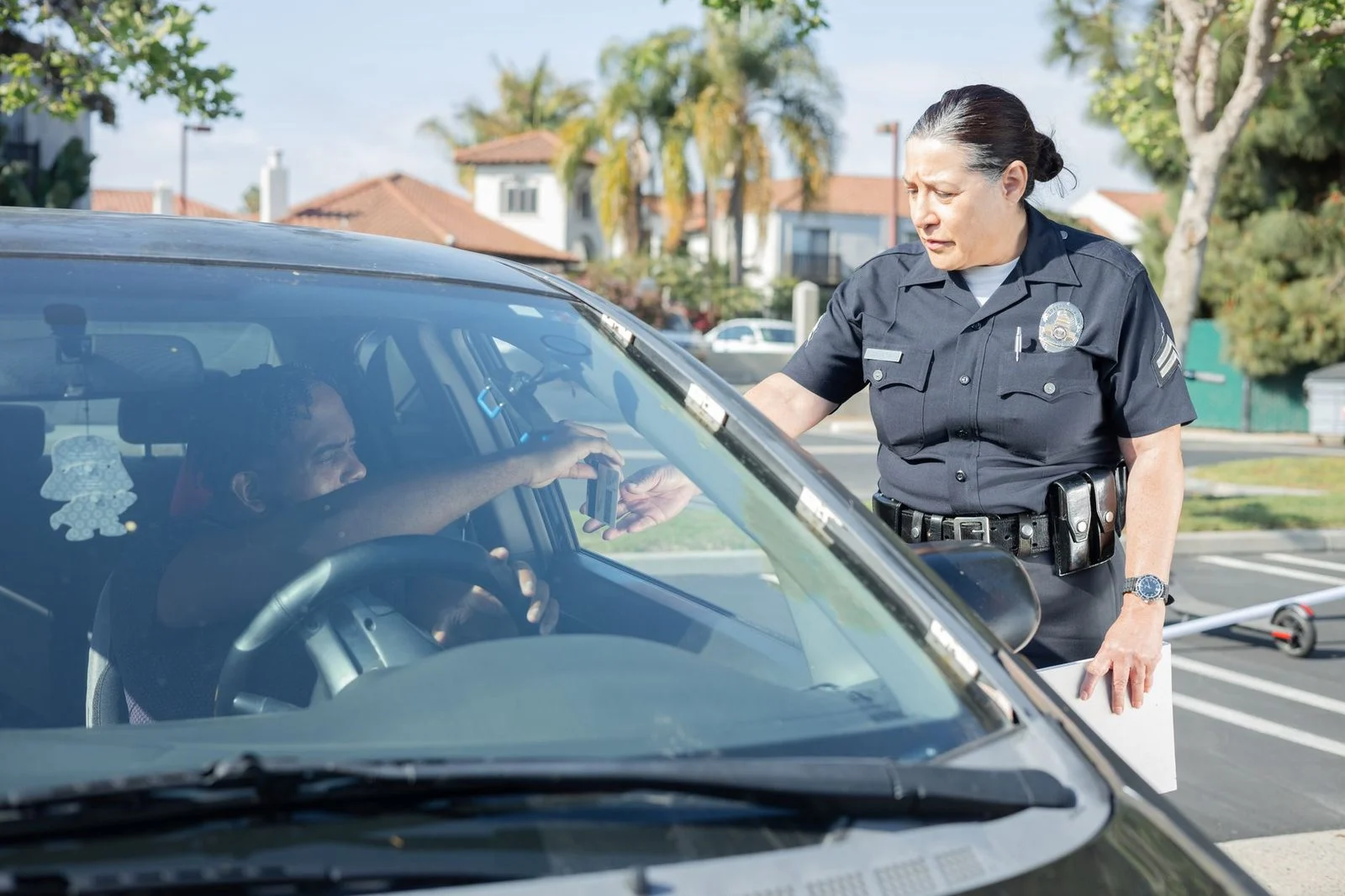
Florida’s implied consent law treats driving as agreement to a test after a lawful DUI arrest. Under § 316.1932, a person who drives in Florida is deemed to have consented to an approved chemical or physical test. That usually means a breath test, but the law also covers blood and urine testing.
The law has limits. The breath test must be incidental to a lawful arrest. The officer must have reasonable cause to believe the driver was under the influence. Those two points are among the first things a refusal case looks at.
The driver must also be told what refusing will cost. Those warnings become part of the record.
A refusal is not the same as a failed test. A failed test is a result. A refusal is a choice not to take the test when asked. Florida treats the two differently, and a refusal carries its own penalties.
What penalties follow a breath test refusal?
A refusal can bring both a license suspension and a criminal charge. These run on two separate tracks.
On the license side, § 322.2615 requires the officer to suspend the driving privilege of a person who refused a breath, blood, or urine test. The officer takes the driver license and issues a 10-day temporary permit if the person is otherwise eligible. Under § 316.1932, the suspension is 1 year for a first refusal. It is 18 months if the driving privilege was previously suspended, or if the person was previously fined for a refusal.
A first refusal is a misdemeanor of the second degree. It is a misdemeanor of the first degree if the driving privilege was previously suspended, or if the person was previously fined under s. 327.35215 for a prior refusal. Both are punishable as provided in ss. 775.082 or 775.083.
The penalty depends on that text and on the driver’s history, so those details come first in any review. The refusal can also be used as evidence. Under § 316.1932, it is admissible in any criminal proceeding.
Florida’s own impaired driving guidance from the Florida Department of Transportation lists refusal-related suspension among the consequences of a DUI case.
Can a DUI refusal be dismissed in Florida?
Yes, a refusal charge can be challenged, and the result depends on the facts. A review usually looks at five areas.
First is probable cause. At a formal review hearing on a refusal-based suspension, the hearing officer must determine whether the officer had probable cause to believe the driver was driving or in actual physical control of a motor vehicle while under the influence of alcoholic beverages or chemical or controlled substances. Under § 322.2615, probable cause is also an issue at a formal review hearing on a refusal-based suspension.
Second is the warnings. What was said, and when, is a fact to pin down.
Third is the request. The test must follow a lawful arrest and an officer’s request. The report should show when the test was asked for and how the driver responded.
Fourth is the paperwork. Under the same section, the driver may subpoena the officer. The department also reviews the officer’s materials for deficiencies, under § 322.26151.
Fifth is the separation of the two tracks. Each track needs its own attention.
Why a driver might refuse, and why it matters
Drivers refuse for many reasons. Some are scared. Some are unsure what the officer asked. Some have a medical condition that makes blowing into a device hard. Some don’t know that refusing carries its own penalty.
The reason matters because the refusal itself is evidence. A refusal explained only after the fact is harder to pin down than one stated clearly at the time. The officer’s report and any roadside video often hold the strongest record of what was said.
Two questions guide the review. What did the officer say? What did the driver understand? The answers come from the report, the video, and the driver’s own account, read together.
Drivers also tend to forget details under stress. Write down what you remember as soon as you can. Note the time, the place, the words used, and who was present. Those notes help a lawyer test the officer’s version against your own.
Field sobriety exercises and refusal
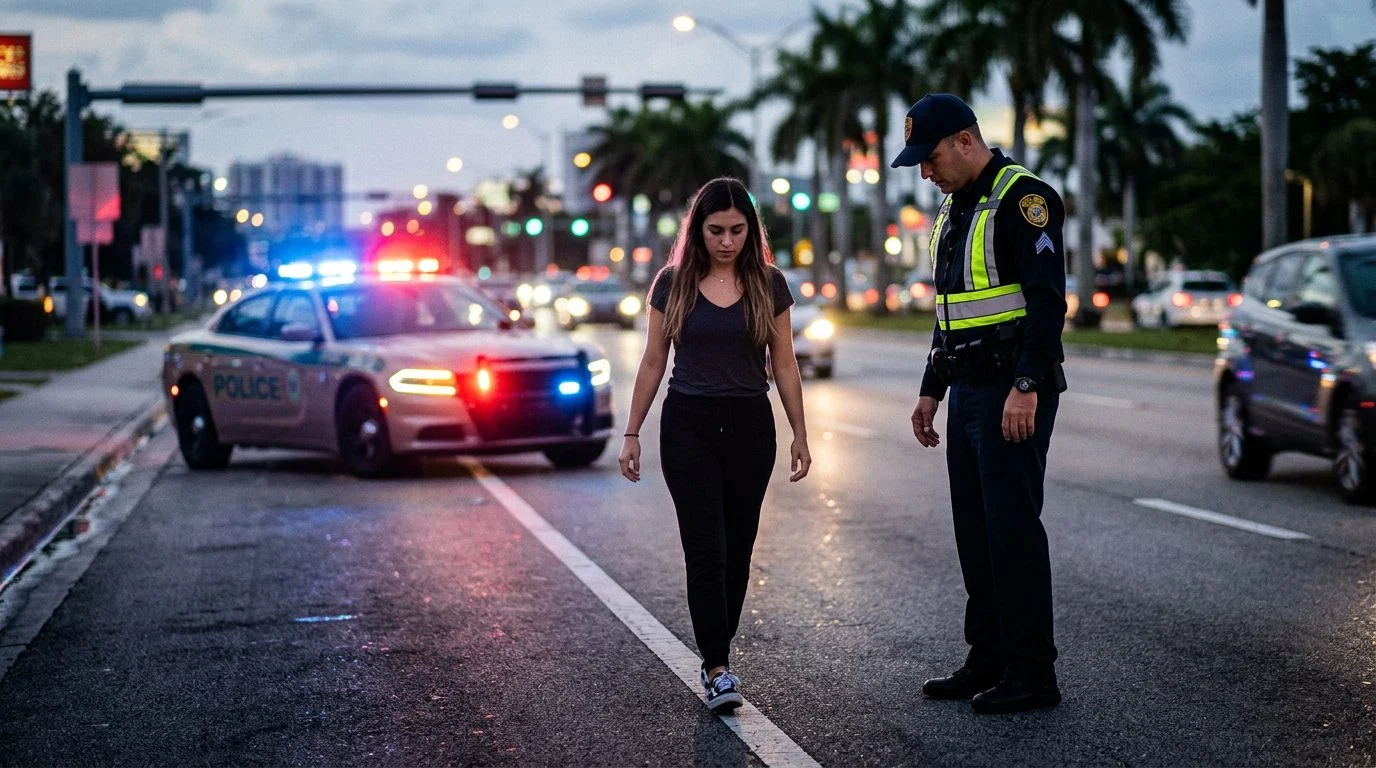
Officers often ask drivers to do field sobriety exercises at the roadside. These might include walking a straight line or standing on one leg. They happen as a separate step from the breath, blood, or urine test the implied consent statute covers.
What an officer saw during those exercises can become part of the DUI case. The officer’s notes, report, and video describe what happened. Those facts are reviewed alongside the refusal facts.
Test results carry their own rules. Under § 316.1934, a blood or breath alcohol level of 0.05 or less creates a presumption that the driver was not under the influence to the extent that normal faculties were impaired. A DUI charge also gets a jury trial under that section.
Research on these laws also shows that implied-consent systems impose sanctions for refusing chemical testing. That is why the refusal question deserves its own review.
Not sure what your next step is?
Talk it through with our team — the first consultation is free, confidential, and carries no obligation.
Deadlines to act on a license suspension
A license suspension can move fast, so timing matters from day one. Under § 322.2615, the 10-day temporary permit is the driver’s short-term window to drive while the case moves forward.
The notice itself can arrive by hand, by first-class mail, or by email if the driver agreed to email. Under § 322.251, the notice is complete 20 days after email or mailing. A failure to receive it does not stop the suspension from taking effect.
If the suspension is final, review runs through the circuit court. Under § 322.31, the route is a writ of certiorari from the circuit court in the county where the person lives, under the Florida Rules of Appellate Procedure.
Frequently asked questions
Is refusing a breath test a crime in Florida?
Yes. Under Florida law, a first refusal is a second-degree misdemeanor, and a refusal is a first-degree misdemeanor if the driving privilege has been previously suspended or the person has previously been fined under s. 327.35215 for a prior refusal to submit to a lawful test of his or her breath, urine, or blood.
Can a refusal be used against me?
Yes. Florida law makes a refusal admissible in any criminal proceeding.
Is a refusal a separate charge from DUI?
Yes. The refusal and the DUI are handled as separate matters, so one can end differently from the other.
How long is a temporary permit after a refusal?
The officer issues a 10-day temporary permit if you are otherwise eligible.
Talk with Patrick Wilson Law about a DUI refusal case
If you refused a test and are now holding a suspension notice, you may be trying to work out what comes next. That can feel heavy, whether it’s your record or a family member’s. Patrick David Wilson is the lawyer responsible for this page. The firm focuses on DUI and first-time offender defense from its Miami office, and it serves Miami-Dade, Broward, Fort Lauderdale, and the Florida Keys.
The initial consultation is free, confidential, and carries no obligation to continue.
If you refused a test and are holding a suspension notice, call 786-761-1719 or reach our team through the contact page. We’ll talk through what your refusal means for your license and your case.
Why Clients Reach Out Early
Review of the Record
We look at the traffic stop, the officer's report, the refusal paperwork and the timeline of events to understand what the State must prove.
Defense Built on the Facts
Every refusal case turns on its own circumstances, so we focus on the details that matter to your situation rather than a one-size-fits-all approach.
Prompt Attention
Early advice can help you understand deadlines, court dates and the steps that follow an arrest, and it can shape how the case is handled from the start.
Support for First-Time Offenders
Many of our clients have never been in trouble with the law before. We explain each step in plain language so you know what to expect.
Don't Wait to Get Advice
A refusal can carry its own criminal consequences, separate from the DUI charge itself. Do not assume the case will resolve on its own. Speak with a lawyer as soon as possible so your options are clear.
Common Questions About Refusal Charges
Is refusing a breath test a crime in Florida?
Florida law can make a refusal a criminal offense, and the level of the charge can depend on prior refusals or prior license suspensions. A lawyer can explain how these rules apply to your record.
Can a refusal be used against me?
Prosecutors may try to use a refusal as part of their case. How it is presented, and whether it helps the State, depends on the facts and the evidence in your file.
Can the charge be dismissed?
Every case is different, and no result can be promised in advance. A consultation lets us review the stop, the arrest and the paperwork so you can understand the possible paths forward.
Should I speak with a lawyer before my court date?
Yes. Talking with a defense lawyer early helps you understand the charges, prepare for hearings and avoid decisions made without full information.
Facing a Refusal Charge in Miami? Call 786-761-1719 or Schedule Your Free Consultation.
Related practice areas
- First-Time Offender Defense in Miami-Dade and Broward: What Happens After a First Arrest in Florida
- Is Expunging Your Record Worth It? South Florida Guide

