
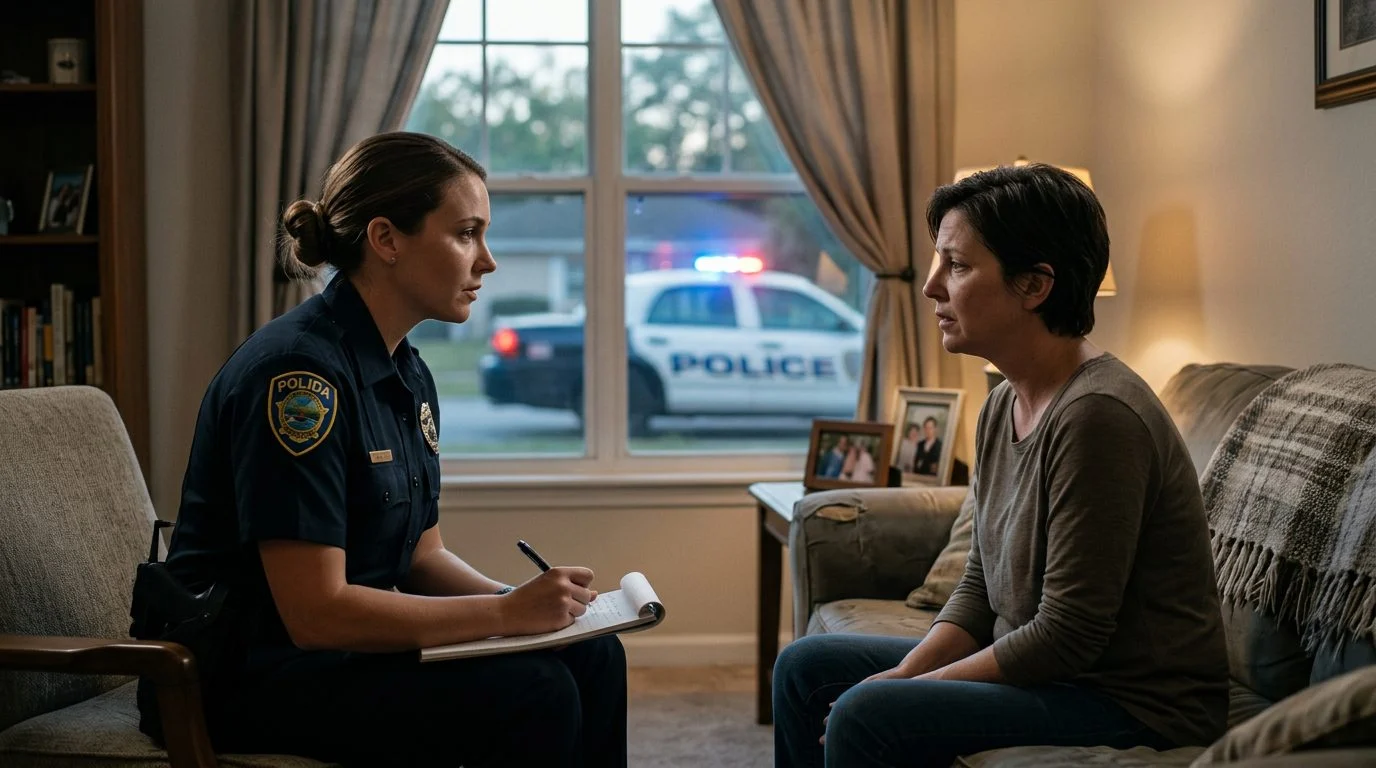
Domestic Violence Defense | Florida
How Long Can a Florida Domestic Violence Case Take?
There is no fixed timeline. Patrick David Wilson explains how the facts, the charges, and the court calendar shape how long a Florida domestic violence case may last.
By Patrick David Wilson · Published October 15, 2026
How long do domestic violence cases last? In Florida, there is no fixed answer. How long a case lasts depends on the facts, the charges, and the court’s schedule. This page explains Florida procedure only. If the results you’ve read describe North Carolina jail time or California court dates, those rules belong to other states.
This page is written by Patrick David Wilson of Patrick Wilson Law, PLLC, a criminal defense firm based in Miami. The firm handles domestic violence matters in Miami-Dade, Broward County, and the Florida Keys.
Short Answer: Duration Depends on the Facts of the Case
No single length applies to every domestic violence case in Florida. Timing depends on the facts, the charge level, the evidence, and the court’s calendar.
Several things shape how long a case runs. The charge matters first. A misdemeanor and a felony can follow different steps and different schedules. The evidence matters too. Police reports, recordings, medical records, and witness statements take time to gather and review. How the case ends matters as well. Some cases resolve early, while others go to trial and take much longer.
Your own paperwork controls your dates. Check your arrest report, your bond or pretrial release order, and every court notice. Those documents list your court dates and conditions. Your timeline depends on what they say and how your case moves.
If your court dates or bond conditions feel unclear, you don't have to work out the timeline alone. Patrick David Wilson offers a free consultation to review your case. Talk it through with our team — the first consultation is free, confidential, and carries no obligation.

What Counts as Domestic Violence Under Florida Law
Florida defines domestic violence by the offense and the relationship. The offense must be one of several listed crimes, such as battery, assault, or stalking, or another crime that causes physical injury or death. The Florida domestic violence definitions under § 741.28 also set who counts as a family or household member.
That group includes spouses, former spouses, relatives by blood or marriage, and parents of a child in common. It also covers people who live or have lived together as if they were a family. Apart from parents of a child in common, those people must currently live, or have lived, in the same single dwelling unit. A dating partner who doesn’t fit that test may fall under a different law. Repeat, sexual, and dating violence injunctions under § 784.046 can apply in those cases, so the relationship facts matter.
The charge level depends on the facts and the prior record. Under the Florida battery statute in § 784.03, battery is a first-degree misdemeanor. It can become a third-degree felony for a person with certain prior battery convictions. A domestic relationship alone doesn’t decide whether a charge is a felony or a misdemeanor.
The Stages of a Florida Domestic Violence Case
A case may begin with an arrest or a formal notice of charges. Not every case passes through every stage, and the order can change with the facts.
At the first appearance, a judge reviews the charge and sets or reviews bond and pretrial release conditions. Those conditions can include no-contact terms. At arraignment, the defendant may hear the charge and enter a plea, though whether that step occurs depends on the facts of the case and applicable law. That plea is only an early step, and it doesn’t end the case.
Next comes pretrial work. Each side gathers records, reviews the state’s evidence, and may file motions asking the court to rule on evidence or other issues. Negotiations with the prosecutor can happen at any point. Some cases end by plea or dismissal. Others move toward trial.
If a case goes to trial, a jury or judge decides guilt. If the defendant is found guilty or pleads guilty, sentencing follows when the case calls for it. Sentencing depends on the charge, the record, and the facts.
Factors That Can Lengthen or Shorten the Timeline
Several factors can move a case forward or slow it down. Evidence is one. A case with many recordings, text messages, or medical records takes longer to review than one with a short police report.
Witnesses matter too. A witness who is hard to reach, or who lives out of state, can delay a hearing. Records requests can add weeks. Multiple charges, or charges tied to separate incidents, can add motions and hearings.
If competency is raised, the court may pause the case to address it. Plea talks can speed a case or stall it, depending on whether the parties reach agreement.
Either side can ask for a continuance, which moves a court date to a later day. The reasons for a continuance depend on the facts. Read each new notice carefully, because a moved date changes every date that follows.
No percentage or average applies to any of these factors. The effect on your case depends on your file and what the court decides.
Speedy Trial Rules and What They Do and Do Not Do
Florida’s speedy trial rule can affect when a case must go to trial, but it doesn’t set one end date for every case. Whether it applies, and how, depends on the facts, any waivers, and the current text of the rule. Pretrial intervention under § 948.08 is one path that can change the timeline.
That statute’s eligibility provision covers a first offender, or a person previously convicted of not more than one nonviolent misdemeanor, who is charged with a misdemeanor or a third-degree felony. Even then, admission depends on the approvals the statute requires and on the facts of the case. Eligibility is not automatic. The program administrator must approve it. The victim, the state attorney, and the judge who presided at the first appearance must also consent. The defendant must consult a lawyer, agree voluntarily, and knowingly waive the right to a speedy trial for the diversion period. The defendant or immediate family may not contact the victim to obtain that consent.
Waivers and defense requests for more time can change the schedule. Their effects depend on the case, so ask about them before you agree to anything.
How No-Contact Orders and Injunctions Can Run Alongside the Case
A no-contact condition can last for part or all of a case, depending on the order’s terms and the court’s rulings. It is separate from a protective injunction, and each can have its own length.
A protective injunction is a civil order. Under the Florida injunction statute in § 741.30, the statute provides that when an injunction is issued, changed, continued, extended, or vacated, the clerk forwards a certified copy to the sheriff for service within 24 hours. A final injunction must also state on its face that having a firearm or ammunition is a violation of § 790.233 and a first-degree misdemeanor. Whether and how that applies depends on the order and the facts.
Read every condition in your order, and ask about any term you don’t understand. Violations can bring separate consequences, and those depend on the facts and the law. The injunction violation statute in § 741.31 sets timing for investigators and prosecutors. Under § 741.31, when an affidavit alleging a crime is forwarded to law enforcement, investigators have up to 20 days to forward a report, and the statute also sets a 30-working-day period for the state attorney to decide, depending on the facts and applicable law. Those deadlines apply to reports of an alleged injunction violation, not to every domestic violence arrest.
Not sure what your next step is?
Talk it through with our team — the first consultation is free, confidential, and carries no obligation.
How a Domestic Violence Case May Be Resolved
A case may end in dismissal, a negotiated plea, a trial verdict, or another resolution that the facts and applicable law allow. Each path moves on its own timeline. The path that applies depends on the evidence, the charges, and where the case stands.
Plea details matter. Whether a prior domestic violence conviction affects a new charge depends on the facts and applicable law. For example, a second-degree misdemeanor can become a first-degree misdemeanor. Know your prior record before you discuss a plea.
If a person is adjudicated guilty and intentionally caused bodily harm, the Florida minimum jail statute in § 741.283 may require the court to order at least 10 days in county jail for a first offense, depending on the facts and applicable law. The minimum is 15 days for a second offense and 20 days for a third or later offense. Those minimums apply unless the court imposes a nonsuspended state prison term. The minimums rise when the offense happens in the presence of a child under 16 who is a family or household member. The statute doesn’t bar probation or other penalties.
Probation is a separate question. The Florida probation statute in § 948.01 governs when a court may place a defendant on probation, and it contains an exception for offenses punishable by death and leaves certain decisions to the court’s discretion, depending on the facts and applicable law. Felony-specific sentencing rules apply only to felony cases.
Talk With Patrick David Wilson About Your Timeline
If you’re trying to understand your own dates, a consultation can help you read them against your file. You may be reading this for yourself, or for a partner, parent, or friend.
How long do domestic violence cases last in Florida?
There is no fixed length. The timeline depends on the facts, the charge, and the court’s schedule.
Is domestic violence always a felony in Florida?
No. The charge depends on the offense, the relationship, and any prior record.
Can a no-contact order last for the whole case?
It might, depending on the order’s terms and the court’s rulings. Read your own order and ask about any unclear term.
If your court dates or bond conditions are unclear, you don’t have to sort them out alone. Call Patrick David Wilson at 786-761-1719 or leave a message through the contact page to ask about a free consultation. Nothing on this page predicts how your case will end, and results depend on the facts and applicable law.
Why Start With a Free Consultation
Timing Depends on Your Case
The length of a case turns on its specific facts, the charges filed, and how the court schedules hearings. A consultation is the first step toward understanding your situation.
Review Your Paperwork
Bring any arrest report, court notice, or injunction papers you have. Patrick David Wilson can review what has been filed and explain what it may mean for your case.
Confidential Conversation
Your first consultation is confidential and comes with no obligation to continue.
Reach Out Directly
Call 786-761-1719 or leave a message to schedule a time to speak with Patrick David Wilson.
Important:
Any estimate of how long a domestic violence case may take depends on the facts of your case and on applicable Florida law. Court dates, scheduling, and case developments can change. Check your own court paperwork for the dates that apply to you.
Factors That Can Affect How Long a Case Lasts
The Charge and Its Complexity
Cases involving more evidence, witnesses, or disputed facts may take longer to resolve than simpler matters. The specific charge is part of this picture.
Court Scheduling
Hearing dates depend on the court's calendar and the stage of the case. Delays and continuances can occur for many reasons.
Pretrial Steps
Pretrial matters such as discovery, motions, and conditions of release can affect the pace of a case. Each one depends on the facts involved.
Resolution Options
Whether a case moves toward a negotiated resolution or toward trial depends on the evidence and the applicable law. No outcome or timeline can be promised in advance.

