
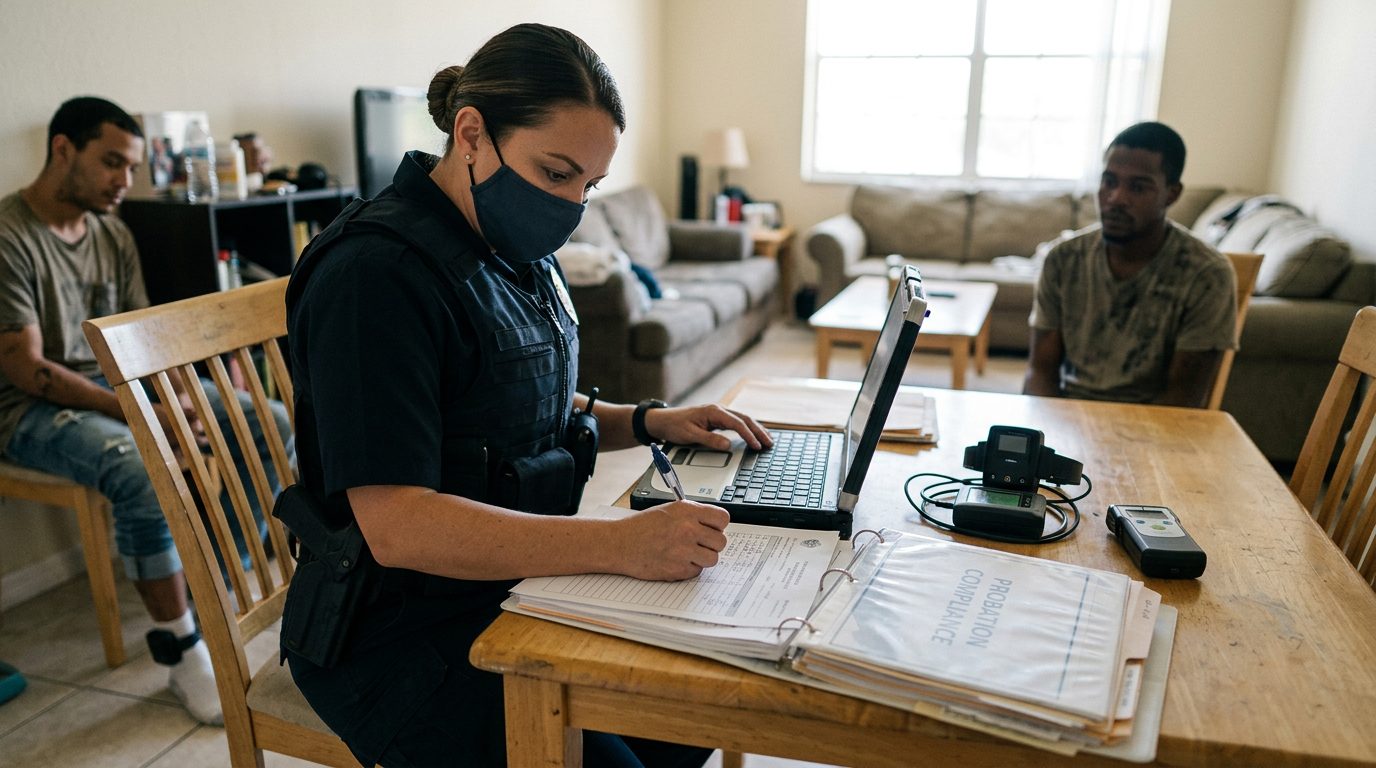
Miami Probation Violation Consequences: What to Expect
By Patrick David Wilson · Published October 10, 2026
A probation violation can lead to serious consequences, but the outcome depends on your facts, your court order, and the law that applies. This page explains the main probation violation consequences in plain words. It covers warrants, hearings, possible jail time, extra penalties, and effects on other rights. It is written for people in Miami-Dade, Broward, and the Keys who received a violation notice, and for family members helping them. Patrick Wilson Law, PLLC is a Miami criminal defense firm, and Patrick Wilson is the responsible lawyer for this page.
What Counts as a Probation Violation?
A probation violation is any failure to follow a condition the court set. Those conditions appear in your written order, so that document is the place to start.
Violations fall into two groups. Technical violations break a rule of supervision, such as a missed appointment, a positive or missed drug test, a curfew break, or travel without permission. New-law violations involve a new arrest or a new criminal charge. Both can trigger a review of your case.
Money matters too. Under Fla. Stat. § 775.089, complete satisfaction of any restitution ordered is a condition of probation. The court may revoke probation if that order is not followed. Contact with a protected person, if your order forbids it, is another violation the order may cover.
A report from a probation officer is an allegation. It is not a finding by the court. That difference matters, because a court finding is what can lead to a change in your sentence. For the broader picture, read the Miami probation violation overview.

What Does Being on Probation or Community Control Mean?
Probation and community control are both court-ordered supervision in the community. They can replace jail or prison, or they can follow it.
Under Fla. Stat. § 948.01, a court may use community control in a felony case when it finds probation is an unsuitable alternative to prison. Community control is the more restrictive option. Its sanctions can include a curfew, community service, and limits on nonessential activities. They can also include revocation or suspension of the driver license.
The exact conditions in the written order control. Read it line by line. Note the reporting schedule, the payment deadlines, and any travel or contact limits. The consequences of a violation depend on the type of supervision and the sentence imposed.
Can a Warrant Be Issued After a Violation?
A warrant can follow an alleged violation. Whether one is issued depends on the facts and the court’s decision.
A warrant is a court order for arrest. After an arrest, a bond hearing may set release terms. Bond depends on the charge, the facts, and the court’s discretion. Don’t assume a bond amount or release date until the court sets them.
A warrant may not be served right away. Some people assume a quiet period means the matter is over. That is a risky assumption. A pending warrant stays open until the court resolves it.
Missed appointments are a common trigger in some cases. One missed meeting does not always lead to a warrant, but it can. The missed probation appointment page explains how these situations are reviewed.
How Does a Violation Hearing Work?
A violation hearing is where the court decides whether a condition was broken. The facts shown at that hearing usually drive the result.
The general sequence starts with a notice of the alleged violation. The court then schedules an appearance. The case may move to a hearing where evidence is presented. The exact steps, timing, and proof rules depend on the case and the applicable law. The probation violation hearing process page covers these steps in more detail.
The possible outcomes vary. The court may find no violation. It may continue or change your supervision, extend it, or revoke it and impose a sentence. Which result fits depends on the alleged conduct, the evidence, and the original offense.
One mistake to avoid is discussing the allegation at length before anyone reviews the facts. Statements made early can become part of the record. Careful thought about what you say can matter.
Can a Violation Lead to Jail or Prison?
Yes, a violation can lead to jail or prison. The sentence depends on the facts and the law. Jail is one of the probation violation consequences a court may consider, but it is not automatic.
Under Fla. Stat. § 948.01, a court may suspend the further execution of a prior disposition and place a person in community control. That is a court decision made within the limits of the statute. It is not a step that happens on its own.
This page does not give a jail or prison range. The sentence depends on the original charge, the violation, the sentencing rules, and the judge’s discretion. A number you read online without those details may not fit your case.
What Additional Penalties Can Follow?
A violation can bring extra penalties, depending on the facts and the order. Possible additions include extra conditions, a longer supervision period, added costs, or community service. The court may also decline to add any penalty.
Under Fla. Stat. § 775.091, in addition to any punishment, the court may order a specified public service. Fines are capped by offense level under Fla. Stat. § 775.083. For example, the cap for a third-degree felony is $5,000. The cap for a first-degree misdemeanor is $1,000. The clerk of court collects fines, fees, and court costs under the same statute.
Many violations involve drug testing. Testing issues depend on the testing method, the timing, and the records. The failed drug test page covers how these cases are reviewed.
How Can a Probation Violation Affect Future Cases and Other Rights?
Other probation violation consequences can reach beyond the courtroom. Each one depends on your facts and the law.
Future cases. A violation can matter if a new case arises later. How a court treats prior supervision depends on that case. Whether a record can be sealed or expunged also depends on the facts and the applicable law.
Driver license. Unpaid court obligations can lead to a suspension. Under Fla. Stat. § 322.245, the Department must suspend a license after the clerk’s notice of unpaid obligations. A payment plan may be available. A suspended license may not be reinstated until the court directives are met.
Firearms. Under Fla. Stat. § 790.233, a person under a final domestic violence injunction in force may not possess a firearm or ammunition. Whether this applies depends on the injunction and the facts.
Repeat injunction violations. Under Fla. Stat. § 741.31, a repeat violation against the same victim can be a third-degree felony, depending on prior convictions. The court must order a batterers’ intervention program after a willful violation, unless it makes written findings explaining why the program is inappropriate.
Non-citizens. A domestic violence conviction can carry immigration consequences for a noncitizen, which depend on the specific facts and applicable law. Immigration effects depend on the offense, the status, and federal law. These questions need individual review.
Licensed professionals. A licensing board may review the matter. Its response depends on the board and the facts.
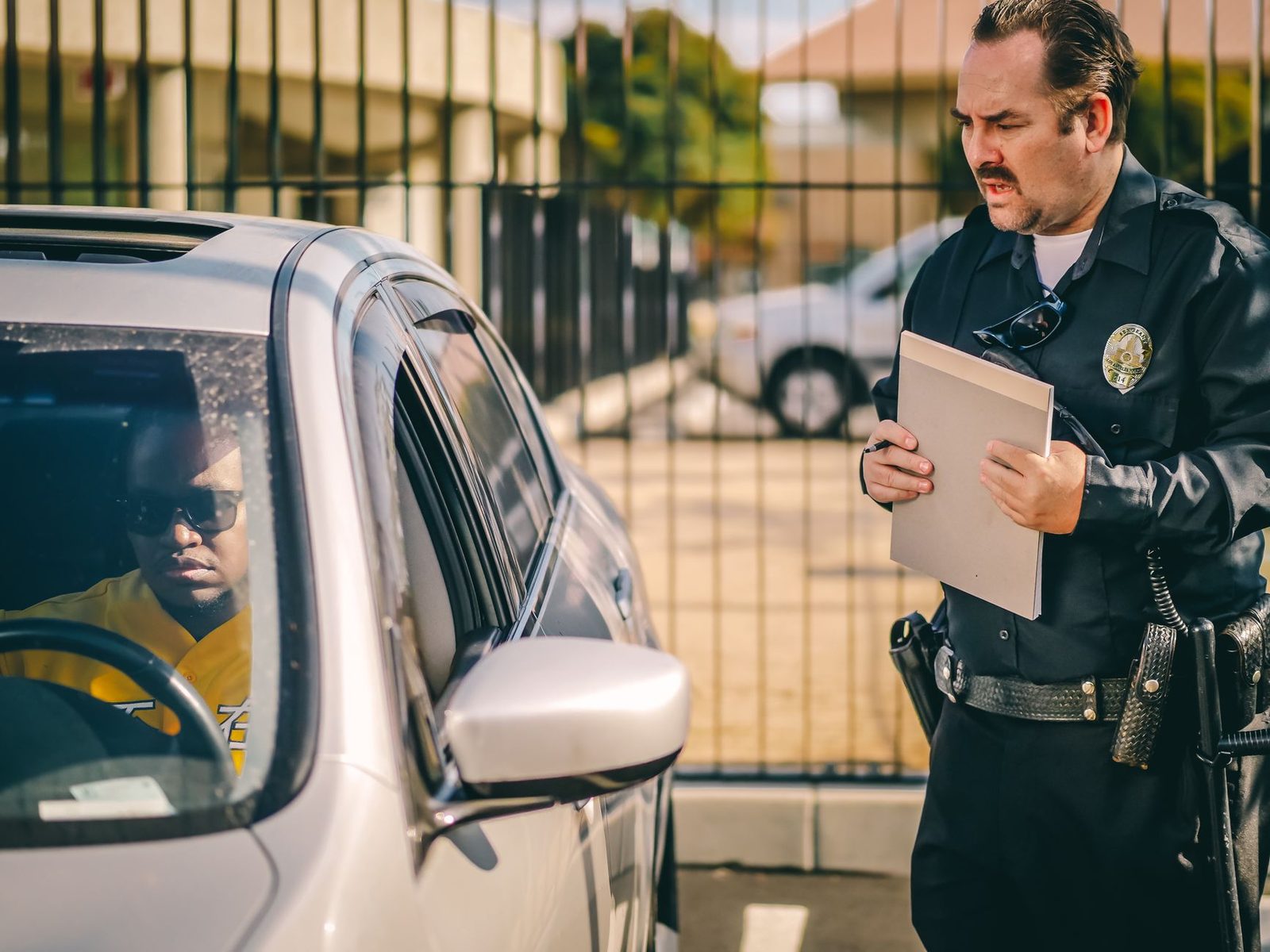
What to Do Next If You Received a Violation Notice
If you received a notice, act on it promptly. Don’t panic, and don’t guess. The outcome depends on your facts.
Start by reading the written order and the notice together. Note every date, deadline, and reporting requirement. Write down what happened in your own words while it’s fresh. Include dates, names, and any documents you have. Keep records of payments, test results, and appointment confirmations. Don’t ignore a court date.
Be polite and cooperative with your officer. You don’t need to debate the allegation in detail. A lawyer can help you decide what to say and when.
Can you go to jail for violating probation?
Yes, a violation can lead to jail or prison. The outcome depends on the facts and applicable law.
Can a missed appointment cause a warrant?
It can in some cases. Whether a warrant issues depends on the facts and the court.
Can a violation affect my driver license?
It can, depending on the court’s order and whether unpaid obligations lead to a suspension.
Does a violation stay on my record?
It can matter in a future case. Whether a record can be sealed or expunged depends on the facts and applicable law.
If a violation notice has you worried about what comes next, Patrick Wilson can review your order and the facts with you in a free consultation. Call 786-761-1719 or use the contact page. This page is general information, not legal advice. If your matter falls outside the practice areas this firm handles, the firm may refer you to another lawyer.

