
DUI Defense | Miami and Miami-Dade County
Missed Conditions or New Arrests: How a DUI Probation Violation Is Viewed
Patrick Wilson Law focuses on criminal defense in Miami and Miami-Dade County. Whether an alleged violation is treated as technical or substantive depends on the facts and applicable law.
By Patrick David Wilson · Published October 11, 2026
Technical vs. Substantive Probation Violations, Miami
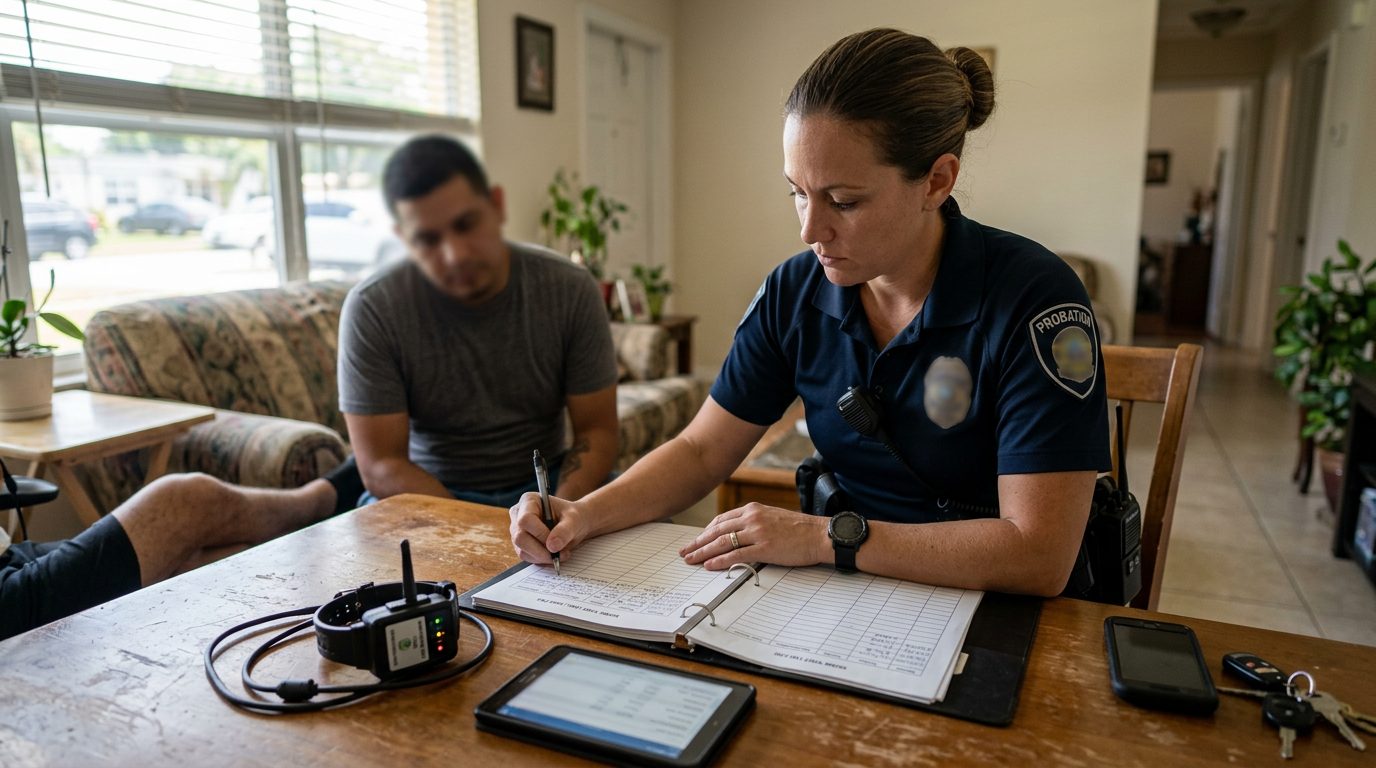
A technical violation of probation breaks a rule of supervision that is not itself a new crime. A substantive violation is a more serious breach, often a new criminal charge. This page explains how an alleged violation of probation imposed in a DUI case may be treated, depending on whether it involves a missed condition or a new arrest. The label matters, but what happens next depends on the facts and applicable law.
Not sure what your next step is?
Talk it through with Patrick Wilson Law — the first consultation is free, confidential, and carries no obligation.

What a Probation Violation Is and Why the Label Matters
A probation violation is an alleged failure to follow the conditions of a sentence. Probation and community control set rules, such as check-ins, testing, and staying out of trouble. Under Fla. Stat. § 948.01, a court may place a person on probation or community control. Probation in a DUI case may be misdemeanor probation, which can be supervised differently. Who supervises a particular person depends on the offense and applicable law.
Hearing the word “violation” can sound like a conviction. It is not one. The allegation is a claim that a condition was broken. The facts decide what follows.
The words “technical” and “substantive” are common practice labels. How these terms apply in a particular case depends on the facts and applicable law. Think of them as descriptions of the conduct, not separate legal categories with fixed penalties. The label still matters. It shapes how the allegation is framed, what the paperwork needs to show, and how the response is discussed. Those effects depend on the facts and applicable law. A probation matter is also separate from any underlying criminal case, so each may move on its own track.
What a Technical Violation of Probation Means
A technical violation is breaking a condition of supervision that is not itself a new crime. Common examples include missing a check-in, breaking a curfew, failing a drug test, not paying required costs, leaving an approved area, or not finishing a required program.
A technical allegation can look minor on paper and still matter in court. Whether it holds up depends on the facts. Useful questions include whether the condition was clearly stated, whether the person received it in writing, whether the person could actually comply, and what caused the missed step.
That person then has 30 days after the notice to comply and pay a delinquency fee of up to $25. A license suspension can follow if that does not happen. Whether this applies depends on the offense, the notice, and the applicable law.
What a Substantive Violation of Probation Means
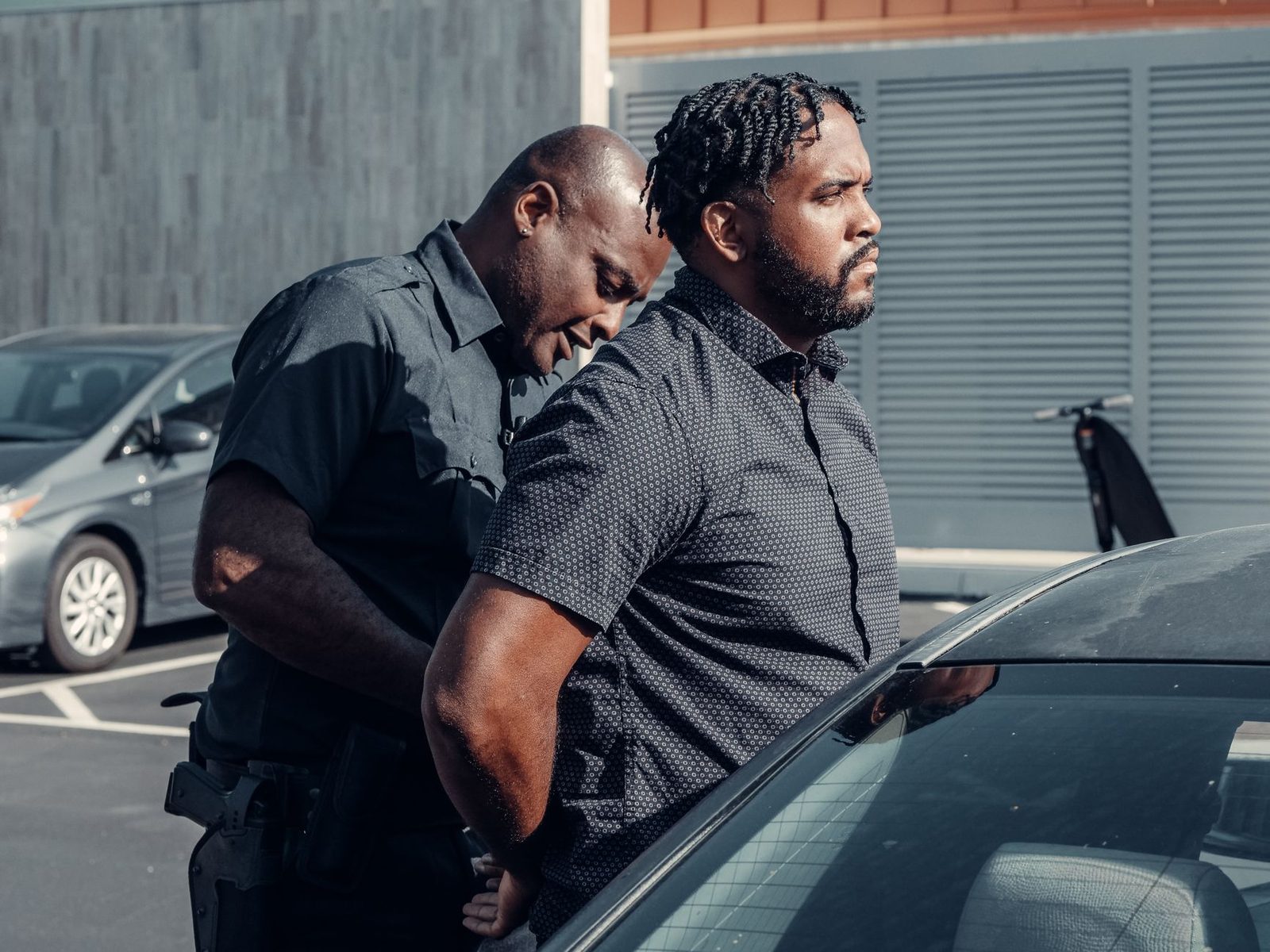
A substantive violation is a serious breach of probation. One common example is a new arrest or criminal charge while a person is on supervision. An arrest is not a conviction. Whether an arrest counts as a violation depends on the facts and the conditions of that particular sentence.
A new charge runs on its own track. The new case may be reduced, dismissed, or resolved another way. The probation question may still be handled separately, depending on the facts and applicable law. How the evidence in a particular case is evaluated depends on the facts and applicable law.
If the new case ends in a conviction, the statutes add possible costs. Under Fla. Stat. § 775.089, the court shall order restitution for losses caused by the offense unless it finds clear and compelling reasons not to. The court may also order public service under Fla. Stat. § 775.091. Actual amounts and terms depend on the facts and applicable law.
Technical vs. Substantive: How the Two Differ in Practice
The main difference is the conduct. A technical violation breaks a supervision rule. A substantive violation is a serious breach, often a new crime. Understanding the technical vs substantive probation violation difference starts with the question each label answers.
| Question | Technical | Substantive |
|---|---|---|
| What was breached? | A supervision rule that is not a new crime | A serious breach, often a new criminal charge |
| What is the core question? | Was the rule clear, and could it be followed? | What happened, and what does the new case allege? |
| What should you check first? | The exact condition cited | The new charge and its status |
A single set of facts can support both kinds of allegation. A missed curfew might be alleged as technical. A new offense during the same night might be alleged as substantive. The wording of the paperwork may matter to the discussion, depending on the facts and applicable law, so read it closely.
Labels also shape how a defense is framed. A technical matter can turn on the rule and the person’s ability to comply. A substantive matter can turn on the facts of the new case. Which issues matter most depends on the case.
Can You Go to Jail for a Technical Violation of Probation?
Possibly, but the label alone does not answer the question. Whether jail is possible depends on the original sentence, the conditions allegedly violated, the person’s record, and the applicable law.
The statutes reviewed for this page do not set a jail term for every technical violation. So this page gives no blanket answer either way. A court’s response is discretionary within the limits the law sets, and those limits depend on the case.
Under Fla. Stat. § 948.001, community control is a form of intensive, supervised custody in the community. The conditions a court may impose appear in § 948.03 for probation and § 948.101 for community control. Reading the exact conditions in your own sentence is the first step.
Not sure what your next step is?
Talk it through with Patrick Wilson Law — the first consultation is free, confidential, and carries no obligation.
Which Type of Violation Is More Common, and How to Read Your Paperwork
The sources for this page do not give a reliable comparison of how often each type appears. The mix also varies by case and jurisdiction, so this page does not rank them. Instead, use this checklist when reading a notice:
- The exact condition or charge cited.
- The date and the source of the allegation.
- Whether a new arrest or charge is listed.
- Whether bond, custody, or a court date is mentioned.
- Any money owed, such as fines, costs, restitution, or public service.
Each item can change what the next step looks like. The court, not the notice, decides the probation question. Under § 948.06, the court addresses an alleged violation and decides whether one occurred.
How a New Charge Can Affect Bond and the Underlying Case
A new arrest can raise questions about release. Whether bond is set on a violation, and on what terms, depends on the facts and applicable law. Nothing on this page predicts that result.
A new criminal case and a probation matter may need coordinated handling. How each affects the other depends on the charges, the conditions, and the court’s findings. Those are the facts that drive the analysis.
If the new charge involves DUI, domestic violence, or leaving the scene of an accident, review that underlying offense first. The facts of that case can shape what the probation notice says. A dismissed or reduced new charge may not end the probation question. That depends on the facts and applicable law.
Next Steps If You Have Received a Violation Notice
Start by reading the notice closely. The cited condition or charge shapes every next step.
A notice can feel urgent, and it’s easy to act before you know what it says. Slow down enough to sort the facts. Write down the exact condition, the date, any new arrest, and any money or court date listed. Note what you remember about the events while the details are still clear.
The next steps depend on the category, the condition or charge named, and the court’s schedule. They also depend on the facts and applicable law. Nothing here predicts how a court will rule.
Frequently Asked Questions
Can you go to jail for a technical violation of probation? Possibly. Whether jail is possible depends on the original sentence, the conditions alleged, and the applicable law.
What does a technical probation violation mean? It means breaking a condition of supervision that is not itself a new crime, such as missing a check-in or a curfew.
What is the difference between technical and substantive? A technical violation breaks a supervision rule. A substantive violation is a serious breach, often a new criminal charge.
If the notice you’re holding involves probation from a DUI case, Patrick Wilson Law, PLLC can talk it through with you in a free consultation. Request a free consultation or call 786-761-1719.
Patrick Wilson Law, PLLC, Miami, FL. Responsible lawyer: Patrick David Wilson. This page is general information, not legal advice.
What Shapes the Outcome of a Probation Matter
The Written Conditions
The exact terms of the probation order, and whether the alleged conduct actually falls under them, may shape how a matter is reviewed, depending on the facts and applicable law.
The Nature of the Allegation
A missed condition and a new criminal arrest may be treated differently, depending on the facts and applicable law, and the details of each allegation matter.
The Notice and Hearing Process
How and when an alleged violation is raised, and what happens at the hearing, depend on the facts and the procedures that apply.
The Applicable Law
Statutes, court rules and the terms of the sentence determine what options may be available in a given case.
Do Not Ignore a Probation Notice
A missed court date, a missed check-in or a notice of an alleged violation can have serious consequences that depend on the specific facts and applicable law. Speaking with Patrick David Wilson early may help you understand the notice and the options that may apply to your case.
Common Questions About Alleged Probation Violations
Is a missed condition the same as a new charge?
Not necessarily. How each is handled depends on the facts and applicable law.
Can an alleged violation be challenged?
Whether an allegation can be challenged depends on the evidence, the conditions actually imposed and the procedures in the case.
What if I was arrested again?
A new arrest can lead to separate criminal proceedings and a probation hearing. The effect on each depends on the charge, the facts and the court's handling of the matter.
What should I do first?
Gather the paperwork you received, note the dates involved, and contact Patrick David Wilson to review the allegation before any hearing.

