
Criminal Defense in Florida
How a Prior Record Can Change a New Florida Charge
Patrick David Wilson explains what to check.
By Patrick David Wilson · Published October 14, 2026
First-Time Offender Defense: How Prior Records Matter in Florida
Whether a new charge changes level depends on the statute’s wording, how the earlier case ended, and the facts alleged.

What Petit Theft Means Under Florida Law
Petit theft is a misdemeanor theft charge under Florida’s theft statute.
The statute covers more than taking an item. Under Fla. Stat. § 812.012, “obtains or uses” includes conduct once called stealing, larceny, embezzlement, or obtaining property by false pretenses, fraud, or deception.
Subsection (2) sets out other categories. Many of them depend on the property’s value or type. The dollar figures are not reproduced on this page, so check the current statute before relying on any number.
Penalties depend on the facts and applicable law. The possible jail term for a second-degree misdemeanor depends on the facts of the case and applicable law. Penalties depend on the facts of the case and applicable law. This page covers only the rules for repeat theft.
How a Prior Theft Conviction Can Change the Charge
How a second petit theft charge is treated can depend on the facts of the case and whether a specific rule applies.
Under Fla. Stat. § 775.0837, a defendant before the court for a specified misdemeanor may be found a habitual misdemeanor offender. Chapter 812 offenses, including theft, are on the list of specified misdemeanors. The defendant must have been convicted as an adult of four or more specified misdemeanors.
Those prior offenses must be separate. They cannot be part of the same criminal transaction or episode. Each must have been committed within 1 year of the misdemeanor now before the court.
If the court makes that finding, the court shall sentence as a habitual misdemeanor offender. The court may choose an alternative if it finds that is in the best interests of the community and the defendant. The listed options include 6 months to 1 year of imprisonment, residential treatment, or supervised detention. Whether any of this applies depends on the facts, the court’s findings, and applicable law. Whether that applies depends on the facts and applicable law.
What Counts as a Prior Conviction
An arrest or a pending charge is not a determination of guilt.
Under Fla. Stat. § 775.0837, “convicted” means a determination of guilt after a trial, or a guilty or nolo contendere (no contest) plea. That applies whether or not adjudication was withheld. A withheld adjudication still counts under this definition.
Whether a prior counts can depend on the statute and the record.
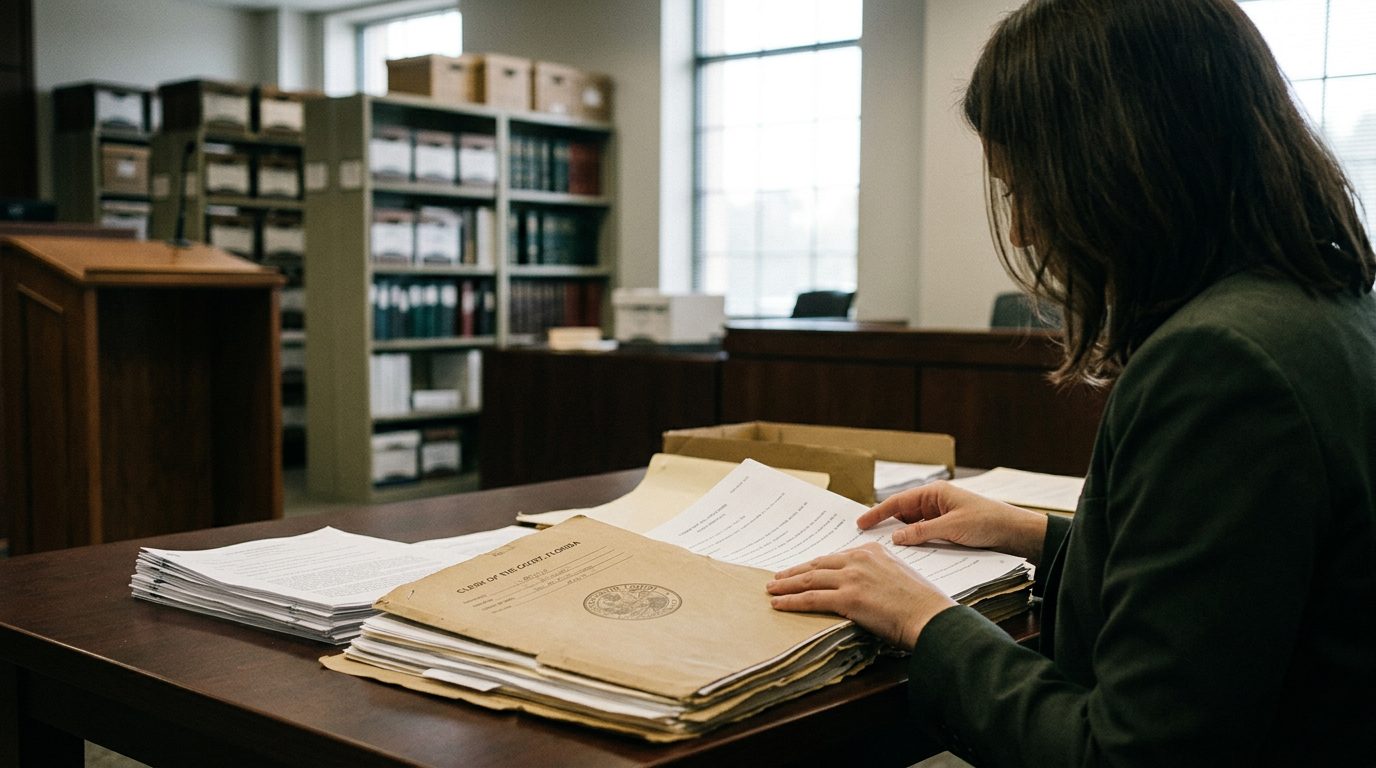
Get the exact paperwork. Ask for certified court records for each earlier case. Read the disposition language closely. “Adjudication withheld,” “nolo contendere,” and “dismissed” are different outcomes. Each one can lead to a different answer.
When a Repeat Theft Charge Can Become a Felony
Whether each rule below applies depends on the charge and applicable law. They do not describe misdemeanor petit theft or misdemeanor probation.
Under Fla. Stat. § 775.084, habitual felony offender treatment turns on prior felony convictions. The statute requires two or more felonies within its timing rules. This page is general information and does not cover every case.
Felony penalties are set in Fla. Stat. § 775.082. This is felony-specific material. For example, a third-degree felony may carry a prison term of up to 5 years.
Section 812.014 defines theft as knowingly obtaining or using, or endeavoring to obtain or use, another person’s property with intent to deprive that person of a right to the property or a benefit from it, or to appropriate the property to one’s own use or to the use of any person not entitled to it, and it describes grand theft categories tied to the value of the property stolen (§ 812.014). Those depend on value or property type. Check the current text.
Value can also change the grade. Under Fla. Stat. § 812.012, amounts from separate thefts under one scheme or course of conduct may be combined to set the grade.
How Sealing and Expunction May Relate to Prior Theft Records
A prior theft record may or may not qualify for sealing or expunction. The answer depends on the record and applicable law.
Sealing and expunction are separate processes with separate rules. Both require a certificate of eligibility from the Florida Department of Law Enforcement. Whether a court may order expunction can depend on the facts and applicable law, including whether the person has applied for and received that certificate. Fla. Stat. § 943.059 sets the same certificate requirement for sealing. A certificate is valid for 12 months.
Eligibility is fact-dependent. Under § 943.059(1)(b), one condition involves prior adjudications of guilt for felonies and certain listed misdemeanors. The list is not fully reproduced here, so check the full text. Fla. Stat. § 943.0584 lists records that are ineligible. Theft is not named in the part reviewed here, but read the full list.
Even an eligible record goes to the court. Fla. R. Crim. P. 3.692 says a request may be denied at the court’s sole discretion. The FDLE sealing and expunging FAQ explains that the court, not FDLE, decides whether to grant the petition.
Patrick Wilson Law’s page on sealing and expunging criminal records covers the process in more detail.
Not sure what your next step is?
Talk it through with our team — the first consultation is free, confidential, and carries no obligation.
Questions to Bring to a Lawyer About a Repeat Theft Charge
Bring the charging papers and certified court records for every earlier case. The dates and exact disposition wording help show how a prior may be counted.
- The charging document for the new case.
- A certified judgment or disposition for each prior case.
- The offense date and resolution date for each case.
- Any sealing, expunction, or certificate of eligibility already issued.
- Any case still pending.
Is a second petit theft charge in Florida a felony?
Does a withheld adjudication count as a prior?
Under Fla. Stat. § 775.0837, a withheld adjudication still counts as a conviction for that statute.
Can separate thefts be combined for the charge?
Under Fla. Stat. § 812.012, separate thefts under one scheme may be combined to set the grade. Each case is different, and its facts shape how it is handled.

Schedule a Free Consultation With Patrick David Wilson
If you have questions about a criminal charge within the practice areas described on this site, you can schedule a free, confidential initial consultation with Patrick David Wilson, with no obligation to continue. You may be reading this for yourself or for someone close to you. A new charge is stressful, especially when an older case is part of the picture, and it’s not one you chose.
The first consultation is free, confidential, and carries no obligation to continue. Bring the records listed above so the prior question can be reviewed with the actual paperwork. Call 786-761-1719, leave a message, or request your free consultation.
What a Consultation Can Cover
Your Record, Reviewed
Bring your charging papers, court orders and any prior case documents so the facts can be reviewed together.
Defense Options
Patrick David Wilson can discuss the defenses and procedural questions that may apply to your situation, depending on the facts and applicable law.
Sealing and Expunction Questions
If you want to know whether a record may be sealed or expunged, that question depends on the specific record and the law that applies to it.
Clear Answers
Patrick David Wilson focuses on criminal defense in Florida and will explain the possibilities in plain language.
Check Your Own Paperwork
Every outcome depends on the facts of the case and applicable law. Read your own charging documents and court orders carefully, because the exact wording controls what applies. This page is general information and does not create an attorney-client relationship.
Questions to Bring to Your Consultation
Your Prior Record
What the earlier case involved and whether it may count under the statute in your new charge.
How the Earlier Case Ended
The way a prior case was resolved can affect how the new charge is analyzed, depending on the law.
Future Record Options
Whether sealing or expunction may be possible is a fact-specific question for Patrick David Wilson to review.

