

DUI Defense | Miami and South Florida
A Sealed Record Is Not a Clean Driving Record
Patrick Wilson Law represents drivers and licensed professionals across Miami-Dade, Broward and the Florida Keys, and can explain which records a DUI case touches and what each one needs.
By Patrick David Wilson · Published November 21, 2026
Sealing a Florida criminal record does not remove a DUI from your driving record. That is the short answer, and it matters most if you hold a driver’s license or a professional license. If you’re researching this for yourself or a family member, here’s how the two files work.
Does Sealing a DUI Remove It From a Florida Driving Record? No.
Sealing a criminal history record does not take a DUI off your Florida driving record. The Florida Department of Highway Safety and Motor Vehicles (DHSMV) keeps the driving record separately. Fla. Stat. § 322.20 says the department keeps a record of court conviction abstracts and of license suspensions and revocations.
The two records can show the same DUI in different ways.
Picture a mother who finds a DUI from last year on her adult son’s record. He needs to drive to work. Her first question is what the state shows, not what the court file says. The DHSMV driving record guide explains that entries record the related offense, the disposition, points, and restoration information. That is the file that controls the license question.
If a DUI on your record or a family member's is putting a license or career at risk, we can talk through the facts with you, and you don't have to sort it out alone. Talk it through with our team — the first consultation is free, confidential, and carries no obligation.
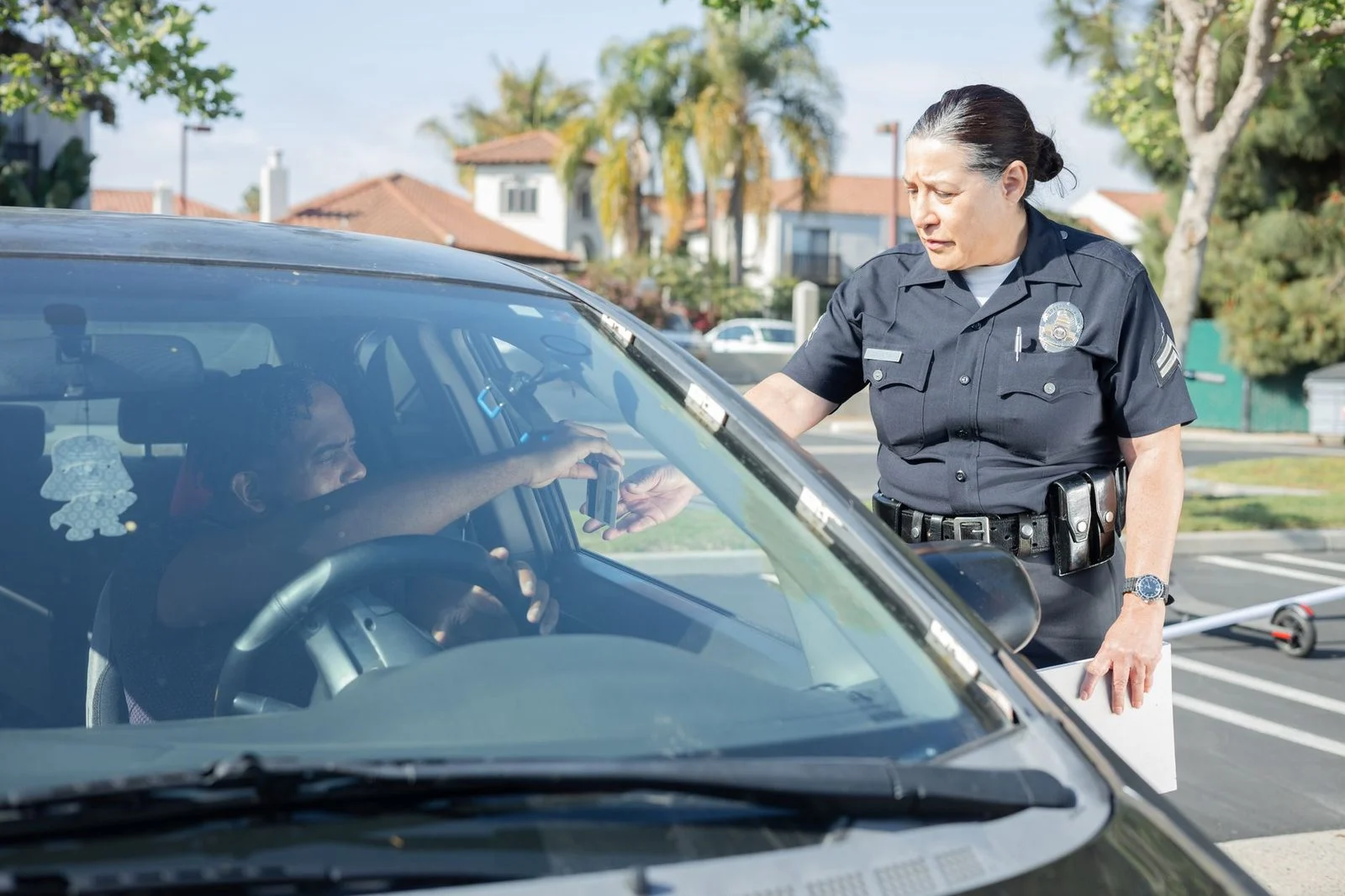
Driving Record Versus Criminal Record: Two Different Files
The driving record is the state’s licensing history. The criminal record is the court and law enforcement history of the case. Keep them apart, and the rest of this page makes sense.
DHSMV uses the driving record to decide license status. It also matters in later cases. Under Fla. Stat. § 316.193, department records showing a prior DUI conviction are enough by themselves to prove that prior conviction. That evidence can still be contradicted or rebutted by other evidence.
The criminal record is different. It tracks the arrest, the charge, and how the case ended. Courts and the Florida Department of Law Enforcement (FDLE) handle that file. Sealing and expunction petitions target this file, not the DHSMV file.
Florida also counts time from the offense date. Fla. Stat. § 322.27 says the department uses the offense date of all convictions when it computes points and suspension periods. The date of the sealing order does not start that count.
The most common mistake is assuming a clean court file means a clean license. You need to check both files.
Can a DUI Be Sealed or Expunged in Florida?
A DUI conviction is not on the statute’s named list of offenses that bar sealing or expunction, so a DUI case is judged on its own facts. The full statute and your case record decide eligibility.
The list appears in Fla. Stat. § 943.0584. It names offenses such as murder, certain homicides, and any offense in chapter 794. It does not name DUI under § 316.193. The same section defines “conviction” to include a plea of guilty or nolo contendere, regardless of whether adjudication is withheld. A withheld adjudication can still count as a conviction.
Plea deals also carry license consequences. Under Fla. Stat. § 322.25, a nolo contendere plea to a DUI charge that the court accepted and sentenced is equivalent to a conviction. Bail forfeiture that has not been vacated also counts. Many people are surprised by this.
Before a court can seal a record, you must first apply to the department for a certificate of eligibility for sealing. Meeting the paper requirements does not mean the court must grant the petition. Under Fla. R. Crim. P. 3.692, a judge may deny a sealing request at the court’s sole discretion.
How Long a DUI Stays on a Florida Driving Record
A DUI entry does not disappear from the driving record just because years pass. The driving record keeps the offense date and the disposition, and Florida uses those dates when it applies penalties.
A new arrest is where this matters most. A prior DUI on the record can raise the stakes in a later case, under the DUI statute.
Many readers ask whether a DUI will show on a background check after many years. A background check can pull from different files, so a DUI may appear in one check and not another. The criminal file and the driving file are separate, and each check reaches for what it is set up to pull.
What Sealing a DUI Does Do: Confidentiality and Restricted Access
Sealing keeps the record confidential and exempt from public records, and it is available only to the subject of the record, the subject’s attorney, criminal justice agencies for their criminal justice purposes, judges for case-related decisions, and listed entities for licensing, access authorization, and employment purposes, so some agencies can still see it. That is the part professionals most need to understand.
Under Fla. Stat. § 943.059, information about a sealed record is confidential and exempt from public records rules. FDLE must still disclose the sealed record to listed entities for licensing, access authorization, and employment purposes. Fla. Stat. § 943.059 reads: “An employee of an entity set forth in subparagraph (b)1., subparagraph (b)4., subparagraph (b)5., subparagraph (b)6., subparagraph (b)8., subparagraph (b)9., subparagraph (b)10., or subparagraph (b)11. may not disclose information relating to the existence of a sealed criminal history record of a person seeking employment, access authorization, or licensure with such entity or contractor, except to the person to whom the criminal history record relates or to persons having direct responsibility for employment, access authorization, or licensure decisions.” A nurse, teacher, attorney, or someone in a regulated trade may find that a licensing board can still see it.
Employees of those entities may not disclose information that a person seeking employment, access authorization, or licensure with that entity has a sealed record, except to that person or to people who make those decisions. A violation is a misdemeanor of the first degree under the same statute.
The FDLE sealing and expunging process page describes the certificate of eligibility step. Sealing does not change the DHSMV driving record discussed above. For a fuller look at background checks, see our sealed DUI background check discussion.
Sealed vs. Expunged: Which Is Better for a Record?
Sealing hides the record from most public view while the record still exists. Expunction removes the record, subject to the statute’s exceptions. Both require a court process.
Under Fla. Stat. § 943.0585, a court can order expunction when the person is eligible and has applied for and received a certificate of eligibility under subsection (2). Information about an expunged record is also confidential. The listed entities still receive disclosure for licensing and employment purposes. Fla. Stat. § 943.0585 reads: “Information relating to the existence of an expunged criminal history record which is provided in accordance with paragraph (a) is confidential and exempt from s. 119.07(1) and s. 24(a), Art. I of the State Constitution, except that the department shall disclose the existence of a criminal history record ordered expunged to the entities set forth in subparagraphs (b)1. and 4.-9. for their respective licensing, access authorization, and employment purposes and to criminal justice agencies for their respective criminal justice purposes.”
Under Rule 3.692(d)(2), a clerk who handles an expunction removes all entries and records subject to the order from the official court records. If it is not practical to remove them, the clerk makes certified copies and then expunges the original entries and records by appropriate means.
Which option fits is a question about your file, not a general rule. For a DUI, the choice starts with eligibility under § 943.0584 and the case record. The comparison matters most when the same file also holds other charges.
Not sure what your next step is?
Talk it through with our team — the first consultation is free, confidential, and carries no obligation.
Related Charges Follow Separate Rules
Vehicular homicide is a homicide charge under § 782.071, so a conviction for it falls on that list. The same list names any offense defined in chapter 794, which covers sexual battery. Those charges are not handled like a standard DUI.
If your file includes one of these charges, the DUI analysis alone is not enough. Our DUI defense page covers the DUI side, and our seal and expunge page covers the general process. Our pages on sexual battery and vehicular homicide files cover those charges.
Talk Through Your DUI Record Before Deciding What to Do Next
The useful next step is to review the case file and the driving record together. Those two files answer different questions, and both matter for your license and your future.
Patrick Wilson Law, PLLC, in Miami, defends people across South Florida, from Broward County to the Keys. Patrick David Wilson is the responsible lawyer for this page.
Will a DUI show up on a background check after 20 years?
A background check pulls different files, so a DUI may appear in one check and not another.
If a DUI on your record or a family member’s is putting a license or career at risk, you don’t have to work through it alone. Call 786-761-1719 or leave us a message. The initial consultation is free, confidential, and carries no obligation to continue.
Why Clients Contact Patrick Wilson Law
Confidential first consultation
La consulta inicial es gratuita, confidencial y sin compromiso de continuar. Your first conversation is free, private and carries no obligation to continue.
DUI and criminal defense focus
Our firm focuses on DUI defense, first-time offender cases and the criminal charges that can follow a driver into work and licensing.
Support for licensed professionals
We help doctors, nurses, teachers and other licensed professionals think through how a criminal record may affect their license.
Serving South Florida
Our team represents clients from Broward County through Miami-Dade to the Florida Keys, including Kendall, Hialeah, Miami Beach and Homestead.
Check Both Records Before You Assume
A sealing order changes what the public sees in court records. Review both before you assume a DUI is gone from either one.
Questions to Bring to Your Consultation
Which records show the DUI?
Ask where the arrest, charge and case outcome are recorded, including court files, your driving record and any license file.
What does your license require?
If you hold a professional license, ask how the board or agency reviews criminal history and whether it needs to be told about the case.
What paperwork do you have?
Gather court documents, citations and any driving record printouts so your lawyer can review the full file.
How do you protect your future?
Talk through how a DUI may affect employment, travel and immigration status, and what steps make sense for your situation.

