

Seal & Expunge Criminal Records | Homestead, FL
Clear Your Record and Move Forward in Homestead
Patrick Wilson Law focuses on sealing and expunging criminal records for clients in Homestead and across Miami-Dade County. Start with a free, confidential first consultation with no obligation to continue.
Why Clients Start Here
Free
First consultation
Confidential
Your initial review
South Florida
From Broward to the Keys
By Patrick David Wilson · Published November 6, 2026
If you want to seal and expunge criminal records in Homestead, start by knowing which route fits your case. Florida lets some people limit public access to a record. Both routes run through a court, and the Florida Department of Law Enforcement (FDLE) plays a required role. For most Homestead matters, that court sits in Miami-Dade County.
This guide explains how the two remedies differ, which records qualify, and what a Miami-Dade filing involves. It also explains what a cleared record can still show. Use it as a plain-language map for your own record.
How Record Clearing Works for Homestead Residents
Record clearing in Florida is handled by a court and starts with a written petition. Sealing and expunction are the two main options. Both can limit what the public sees, but they work differently.
Patrick David Wilson is the lawyer responsible for this page. Patrick Wilson Law, PLLC is a criminal defense firm based in Miami. Our lawyers include Patrick David Wilson and Sahara Fonseca. The firm serves clients across South Florida, including Homestead and South Miami-Dade.
This page covers five things. You’ll learn how to check your record, how sealing differs from expunction, what the eligibility rules say, how the FDLE certificate works, and what a cleared record still shows.
If an old arrest from Homestead still shows on your record, we can talk through whether sealing or expunction is open to you. Talk it through with our team — the first consultation is free, confidential, and carries no obligation.
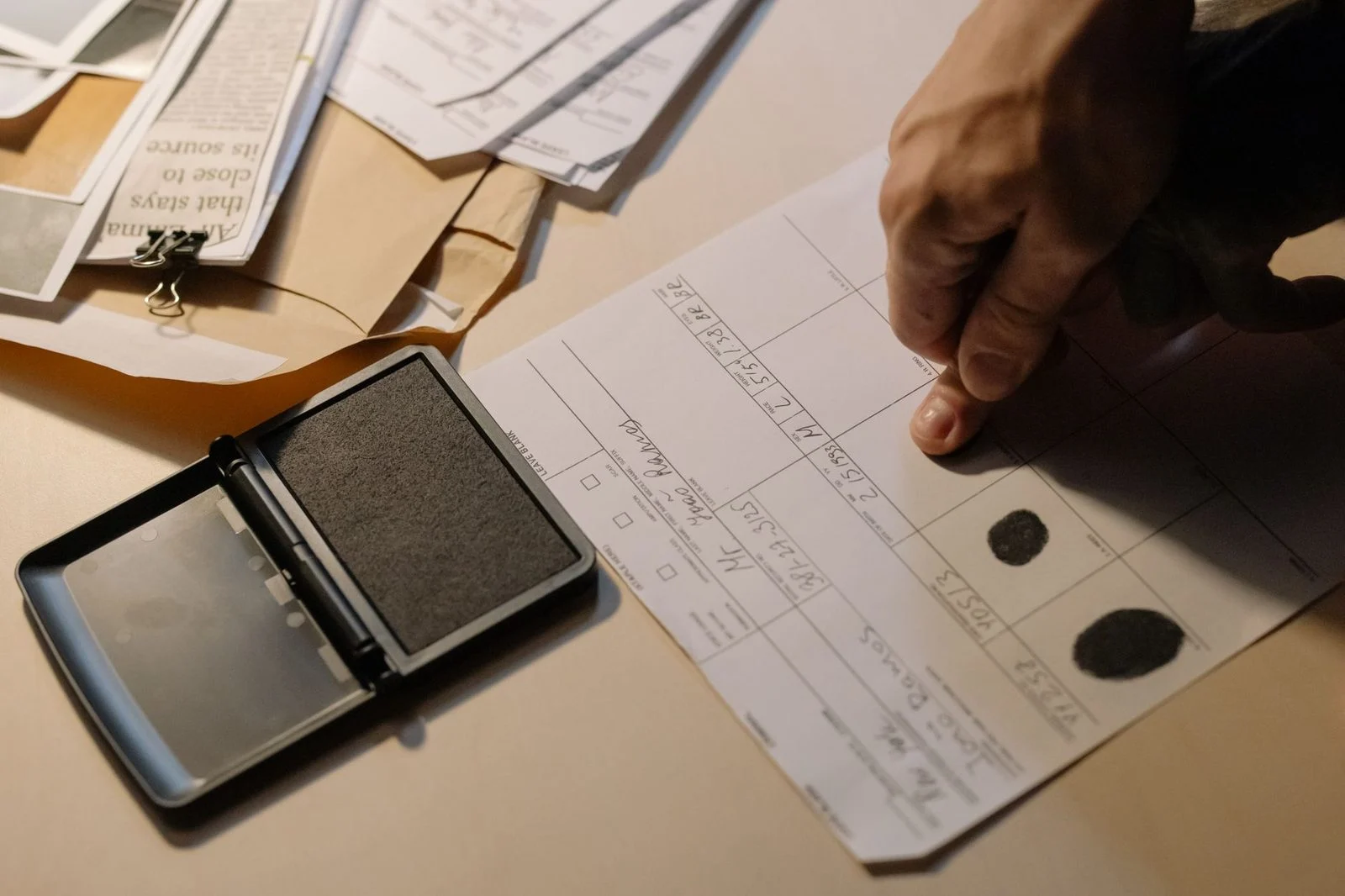
How Do I Check Whether I Have a Criminal Record?
You check a Florida record by reviewing every source that holds part of your case. One arrest can leave traces in more than one place. FDLE keeps state criminal history records. The court file and docket sit with the clerk of the court where the case was filed, which for most Homestead matters is the Miami-Dade County Clerk of Courts.
Review the record tied to each specific arrest. Include arrests where no charge was filed, dismissed cases, and cases that ended in a not guilty verdict or acquittal. Each outcome can affect which route is open. Florida also has automatic sealing for some records, so check whether your record may fall under it. The Fla. Stat. § 943.0595 automatic sealing rule has its own exclusions.
Reviewing the record first matters because a petition has to match it. Our team can go over your record with you during a consultation.
Sealing vs. Expunction: What Each Actually Does
Sealing hides a record from most of the public, but the record still exists. Expunction asks that the record be destroyed.
An expunged criminal history record must be physically destroyed or obliterated by any criminal justice agency that has custody of it, except that a record held by the department must be retained in all cases. The exception is the record FDLE keeps. FDLE must retain that copy, and it stays confidential and available only to the persons the statute lists.
A sealed record stays in place. FDLE still discloses sealed records to certain licensing, access, and employment entities.
So are sealed and expunged records the same? No. Sealing keeps a record out of public view but in place. Expunction removes it, with the FDLE exception. Which one fits your case turns on the record itself, and that’s the question to bring to a consultation.
What Are the Requirements for Expungement or Record Sealing?
The main requirement is that your record fits the statute’s conditions. Some offenses are excluded outright.
For automatic sealing under Fla. Stat. § 943.0595, the department seals a criminal history record that does not result from an indictment, information, or other charging document for a forcible felony as defined in s. 776.08 or for an offense enumerated in s. 943.0435(1)(h)1.a.(I), if no charging document was filed or issued, or one was filed but dismissed or nolle prosequi, or dismissed by a court as to all counts, or ended in a judgment of acquittal or a not guilty verdict as to all counts; a person is not eligible if the dismissal was under s. 916.145 or s. 985.19, or if the defendant was found not guilty by reason of insanity. Sealing has its own eligibility rules under Fla. Stat. § 943.059.
Withheld adjudication surprises many readers. Under Fla. Stat. § 943.0584, a conviction includes a guilty or no contest plea, even when adjudication is withheld. A withheld case can still count as a conviction for these statutes.
That same section makes a record ineligible if it is a conviction for an offense in chapter 794, which covers sexual battery. It also covers homicide under § 782.071 (vehicular homicide), assault or battery of a family or household member, felony battery, domestic battery by strangulation, and aggravated battery.
For felony cases, Fla. Stat. § 775.08435 bars withholding adjudication for capital, life, and first degree felonies. It limits withholding for some second and third degree felonies.
Do I Need a Certificate of Eligibility?
Yes, for most sealing and expunction petitions you need a Certificate of Eligibility from FDLE before you file. The petition must come with a valid certificate and a sworn statement. The court cannot order a record sealed or expunged until you have received the certificate, according to Fla. R. Crim. P. 3.692.
The general sequence works like this:
- Confirm your eligibility under the statute.
- Apply to FDLE and receive the certificate.
- Prepare the petition and your sworn statement.
- File with the clerk and serve the prosecutor and arresting agency.
- Wait for the court’s written order.
The court has the final say. Under Rule 3.692, a request may be denied at the sole discretion of the court. You also pay for certified copies unless you are indigent.
What to Do Before You File in Miami-Dade
Before you file, gather every arrest and disposition paper. List every case number tied to the arrest.
Multiple arrests can complicate a Miami-Dade filing. Under Fla. Stat. § 943.059, a court may seal a record for one arrest or one incident only. Additional arrests can be included only if they directly relate to the original arrest, and the order must say so.
Three common problems can delay a petition. The first is a missing certificate. The second is a sworn statement that doesn’t match the record. The third is a second petition already pending. Your sworn statement says you have no other petition pending, so check that before you sign.
Not sure what your next step is?
Talk it through with our team — the first consultation is free, confidential, and carries no obligation.
What a Sealed or Expunged Record Still Does Not Erase
A cleared record can still be seen by some agencies and for some purposes. Expunged copies that FDLE keeps stay confidential. A criminal justice agency may also retain a notation indicating compliance with an order to expunge.
Licensing and employment entities can still learn about the record through FDLE. Employees of those entities may not reveal that a record exists, except to the person it concerns or to people who make licensing or hiring decisions. Violating that rule is a first degree misdemeanor.
If you are not a U.S. citizen, raise your immigration status before you file. Federal law has its own deportable categories. These include crimes of domestic violence and stalking, and violators of protection orders. Florida’s process and federal immigration law are separate, so review both together.
Is Expunging Your Record Worth It?
Clearing a record makes sense when a background check is the problem you need to solve. Common reasons include job applications, housing applications, professional licenses, and a first offense you want behind you.
Weigh the value against the time, the cost of certified copies, and the eligibility limits. A record that qualifies for sealing but not expunction still gives you a different result than one that qualifies for both. For a deeper look at this question, read our guide on whether expunging is worth it.
Homestead Situations That Lead People to Ask About Record Clearing
Most Homestead readers asking about record clearing face one of a few situations. Someone may have a first-time DUI or misdemeanor from years ago. Another may have an arrest where the case was dropped. Some want to close out a withheld adjudication. Licensed professionals often ask because a career depends on what a background check shows.
Each situation raises different questions about eligibility and timing. The Miami-Dade filing process starts the same way for each one. For context on who can see a cleared record, read can a cop see my expunged record. You can also review our Miami page on record clearing.

Start Your Homestead Record Review With Patrick Wilson Law
If an arrest or conviction from Homestead still shows on your record, the next step is reviewing that record with a lawyer. The first consultation is free, confidential, and comes with no obligation to continue.
Call 786-761-1719 or leave a message through our contact page to set up a consultation. Bring what you have about the case, including any paperwork and case numbers. For the full overview, see our seal and expunge criminal records guide.
Quick Answers
How do I get my record sealed or expunged in Florida?
You file a written petition with the clerk. It must include a valid FDLE Certificate of Eligibility and a sworn statement. The court then decides whether to grant it.
Are sealed and expunged records the same?
No. A sealed record stays in place but out of public view. An expunged record is destroyed, except the copy FDLE keeps.
Does a withheld adjudication count as a conviction?
For these statutes, yes. A guilty or no contest plea counts even when adjudication is withheld.
Can I seal more than one arrest in one petition?
Only if the extra arrests directly relate to the original arrest and the court’s order says so.
How We Approach Your Record Case
Careful Review of Your Record
We look at every charge and disposition on your record before recommending a path, so the request matches your actual situation.
Attention to Filing Detail
Petitions and sworn statements must be complete and accurate. Our team helps prepare them so the court has what it needs.
Support for Professionals and First-Time Offenders
We understand what a old record can mean for a license, a job or a clean start, and we handle these matters with that in mind.
Straight Answers
We explain the difference between sealing and expunging, what each option involves, and what to expect at each step.
Before You File
Sealing and expunging require a court petition and an FDLE Certificate of Eligibility. An incomplete or inaccurate filing can cause delays, so review your options with a lawyer before you submit anything to the clerk.
The Basic Steps
1. Review Your Record
We start by reviewing your criminal history to see which charges and outcomes may be addressed and which remedy fits best.
2. Obtain the Certificate
A valid FDLE Certificate of Eligibility is a required part of the petition, and we help you understand what it requires.
3. File the Petition
A written petition and sworn statement are submitted to the clerk for the court's review.
4. The Court Decides
The court determines whether to grant the petition. We prepare you for each stage and keep you informed throughout.

