

Seal and Expunge Criminal Records | Miami and South Florida
Can My Florida Record Be Sealed? Start With a Free Eligibility Review
Patrick Wilson Law looks at the charge, the case outcome and your prior history to show where your record stands and what to do next.
By Patrick David Wilson · Published November 20, 2026
If a DUI, domestic violence, or sexual battery charge is on your record, you want to know whether it can be kept out of public view. Possibly. Florida law decides eligibility by the charge, how the case ended, and your prior record.
This page explains those tests in plain words, the steps that follow, and what to ask before you decide anything.
What a Florida Record Sealing Eligibility Review Covers
A sealing eligibility review checks whether a Florida arrest or charge can be sealed or expunged, and what steps follow if it can. Sealing and expunction are separate court processes with separate tests. A sealed record is confidential and available only to limited people under § 943.059. An expunction has its own test under § 943.0585.
A review is useful for:
- People with a DUI, domestic violence, or sexual battery arrest or charge
- First-time offenders who want to know their options
- Licensed professionals whose license or job may depend on a background check
- Family members gathering facts for a loved one
You can start a review while you’re still collecting information.
If a DUI, domestic violence or sexual battery charge is affecting your job or license, our team can review your record with you in a free, confidential consultation. Talk it through with our team — the first consultation is free, confidential, and carries no obligation.
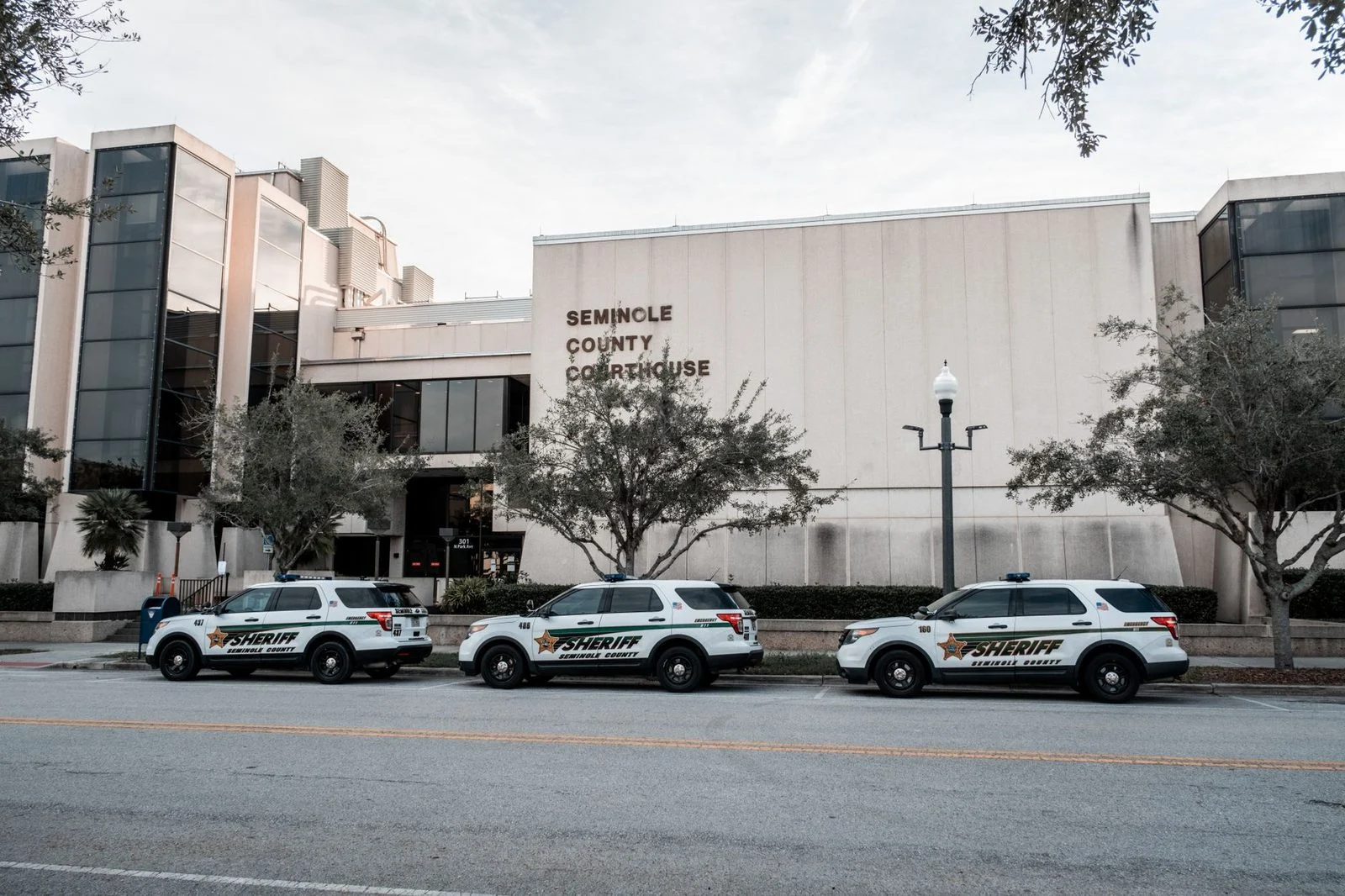
Can a DUI, Domestic Violence or Sexual Battery Record Be Sealed in Florida?
Every case is different, so the facts of the charge are worth reviewing with a lawyer.
- DUI. DUI is defined in § 316.193. The ineligible list in § 943.0584 does not name DUI, so the outcome and your prior record decide eligibility.
- Under Fla. Stat. § 943.0584(2)(f) and (h), a criminal history record is ineligible for sealing or expunction if the record is a conviction for assault or battery of one family or household member by another, or for felony battery, domestic battery by strangulation, or aggravated battery. A domestic violence injunction is a separate civil case under § 741.30.
- Sexual battery. Florida sexual battery statute sits in chapter 794. The ineligible list covers any chapter 794 offense, so a conviction blocks sealing. Dismissed charges can fall under the expunction test instead.
- Prior record. Under § 943.0585, an expunction petition requires the petitioner’s sworn statement that he or she satisfies the eligibility requirements for expunction. Under § 943.0585, a prior court-ordered sealing must generally last a minimum of 10 years before expunction is possible, but only where the sealing was because adjudication was withheld or because all charges were not dismissed before trial, and the section lists exceptions.
Will a Florida Record Still Show Up on a Background Check?
A sealed record is hidden from most public view, but some government and licensing entities can still see it.
Under § 943.059, a sealed record is available only to the subject, the subject’s attorney, criminal justice agencies for their respective criminal justice purposes, certain judges, and listed licensing and employment entities. The subject may lawfully deny or fail to acknowledge the sealed arrests, except when the subject is a candidate for employment with a criminal justice agency or falls under another listed exception. One exception is a job application with a criminal justice agency, because the subject is a candidate for employment there; other listed exceptions also apply, including a person screened through the Care Provider Background Screening Clearinghouse.
Automatic sealing under § 943.0595 does not require other criminal justice agencies to seal the record. The record stays with the state department and other agencies.
Commercial background checks draw from their own sources, so two checks can return different results.
The automatic sealing eligibility tests in these statutes turn on the charge and the outcome; for automatic sealing under § 943.0595 there is no limit on how many times a person may obtain it.
How the Sealing Review and Petition Process Works
The process runs in order: first the state’s certificate of eligibility, then a written petition to the court.
- Gather the facts. Collect the charge, the court, the case number, the outcome, and any prior arrests or sealings.
- Check eligibility. Each record is different, so a consultation with our team can review your particular situation.
- Get the FDLE certificate. A petition must include a valid certificate of eligibility from the Florida Department of Law Enforcement.
- File the petition. File a written petition with the clerk, with a sworn statement and the certificate, under Fla. R. Crim. P. 3.692.
- Serve and respond. The prosecutor and arresting agency are served and may respond. The court may hear evidence on any factual issue.
- Get the order. If the court grants relief, it enters a written order listing the agencies that must act.
The court may deny a request at its sole discretion. Timing turns on court and agency schedules, so we map a likely timeline during your consultation.
What the Process Costs and What Is Included
Your costs include attorney fees, certified copy costs, and government and court costs. Each one is a separate line item.
- Certified copies. The petitioner pays for certified copies unless the petitioner is indigent, under Fla. R. Crim. P. 3.692.
- Government and court costs. Agency and filing costs are not part of attorney fees. Ask about each one before you agree to anything.
- What a review includes. A case-file check, an answer on eligibility for each charge, a written summary of next steps, and a list of the documents you need to file.
The first consultation is free, confidential, and carries no obligation to continue.
Why Patrick Wilson Law Handles These Records
Patrick Wilson Law is a Miami criminal defense firm. Its criminal defense work focuses on DUI, domestic violence, sexual battery, and traffic homicide, and record sealing and expunction fit within that work.
- Lawyers. Patrick David Wilson is the responsible lawyer for this page. Sahara Fonseca is also one of the firm’s lawyers. Our team handles document gathering and scheduling.
- Where we work. Our office is in Miami. We serve clients from Miami-Dade and Broward counties to the Florida Keys.
- First-time offenders and licensed professionals. We review what the record shows, which license or job questions it raises, and which steps fit the case.
Not sure what your next step is?
Talk it through with our team — the first consultation is free, confidential, and carries no obligation.
Frequently Asked Questions About Sealing a Florida Record
Short answers to the questions people ask before they start.
Can my record be sealed in Florida?
It may be. The charge, the case outcome, and your prior record decide eligibility under the statutes.
Can a DUI be sealed in Florida?
DUI is not on the ineligible list in § 943.0584.
Can a sexual battery record be sealed in Florida?
A conviction for any chapter 794 offense blocks sealing. A dismissed charge may fall under the expunction test.
Does a sealed record show up on background checks?
Sealing limits public access. Some government and licensing entities can still see the record.
How long does the process take?
Timing turns on court and agency schedules. The steps above show where each delay can happen.
Do I need a lawyer to file?
A petition needs the FDLE certificate and a sworn statement. A lawyer can review your file before you file.
Can someone file for a family member?
You can gather facts for a family member. Who should sign and file the paperwork is a question to raise during your consultation with our team.

Talk With Our Team About Your Record Before You Decide
You can learn whether your record may qualify before you make any other decision. Bring the charge, the case number, and the disposition to a consultation with our team. Call 786-761-1719, or send us a message online.
How Your Eligibility Review Works
We review your record
We look at the charges, the court outcome and your prior record as they appear in the court file.
We explain the options
You receive a plain-language explanation of whether sealing or expunging may be available in your situation.
Your matter stays confidential
Everything you share with Patrick Wilson Law is handled in confidence.
You decide what comes next
The initial consultation is free, confidential and carries no obligation to continue.
Do not assume your record is already sealed
Have the record reviewed before you apply, rely on it for a job or license application, or answer questions about it.
What to Bring to Your Review
Charging papers
Arrest reports, notices to appear and the charging document help us identify each charge on the record.
Court dispositions
Final orders, judgments and any dismissal or nolle prosequi papers show how each case ended.
Prior record
Any earlier arrests, cases or diversion programs matter, so list them even if you think they were minor.
Your questions
Tell us about your job, license or immigration concerns so the review addresses your goals.
Find out where your Florida record stands. Call 786-761-1719 or leave us a message.
Related practice areas
- Domestic Violence Injunction and Record Sealing in Florida

