

DUI Defense | Miami and Miami-Dade County
Protect Your CDL After a DUI in Miami
By Patrick David Wilson · Published November 11, 2026
If a DUI is on your record and you hold a commercial driver’s license (CDL), you want to know whether sealing it protects your job. A sealed Florida record can limit who sees it, but it does not remove the commercial license rules that follow a conviction.
Short Answer: Can a Sealed DUI Still Affect a CDL in Florida?
Yes, a sealed DUI can still affect a CDL, because the commercial license rules attach to the conviction itself. Sealing is a Florida court process. It works on the state criminal record under Fla. Stat. § 943.059. It does not switch off the separate driving penalties.
Sealed information is protected, but it is not invisible. Information about a sealed record is confidential. The state can still disclose it to certain licensing and employment entities. A driver should plan for that reality instead of assuming the record is gone.
This page covers who may qualify, the difference between sealing and expunging, the commercial license penalties, and what you may still need to disclose. It also explains what the filing process looks like in Florida courts.
Talk it through with our team — the first consultation is free, confidential, and carries no obligation.
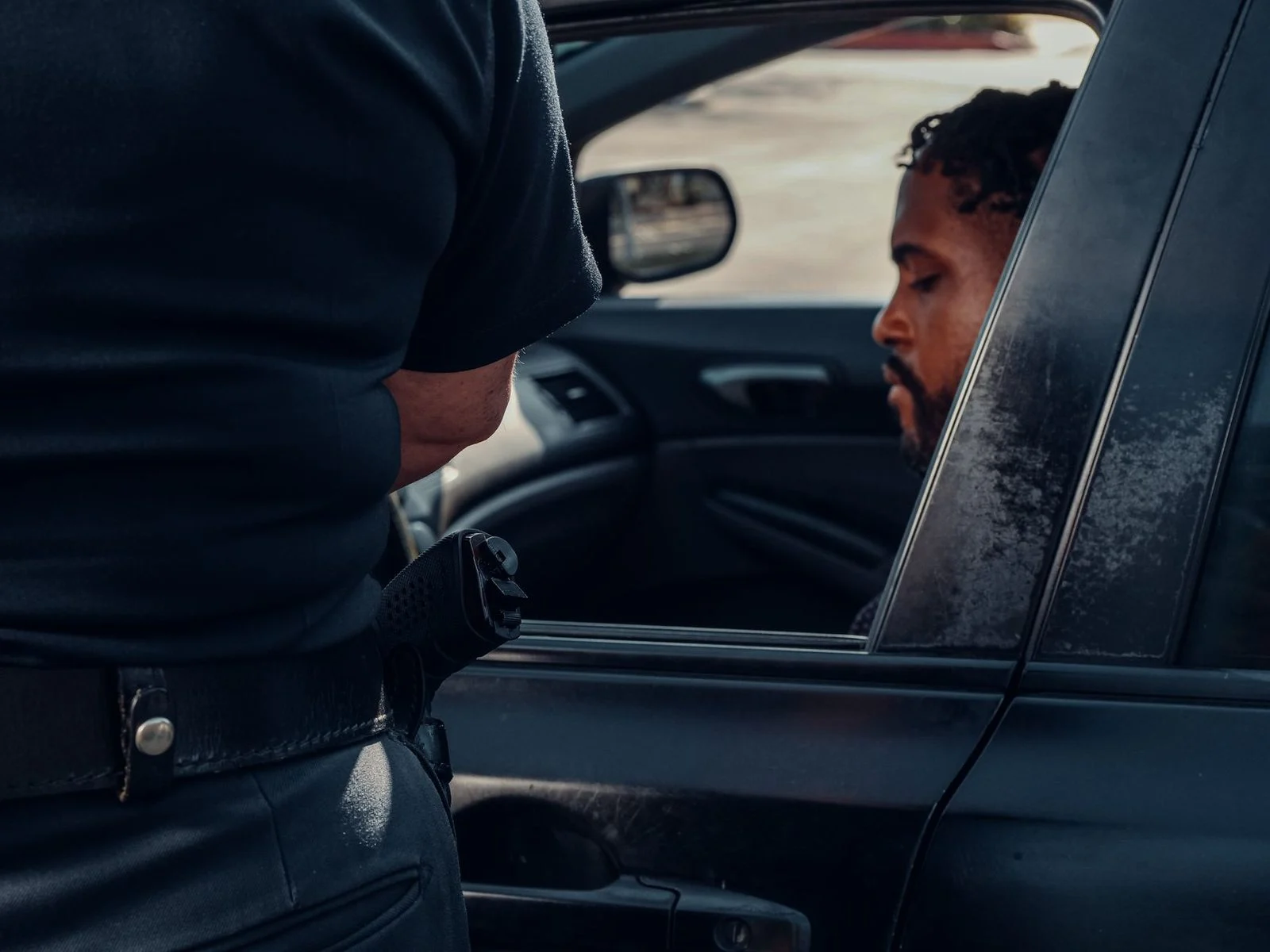
Why a CDL Changes the DUI Picture
A commercial license adds a second set of rules on top of normal DUI penalties. Fla. Stat. § 316.193 provides that a person is guilty of the offense of driving under the influence if the person is driving or in actual physical control of a vehicle within this state and (a) is under the influence of alcoholic beverages, any chemical substance set forth in s. 877.111, or any substance controlled under chapter 893, when affected to the extent that the person’s normal faculties are impaired; (b) has a blood-alcohol level of 0.08 or more grams of alcohol per 100 milliliters of blood; or (c) has a breath-alcohol level of 0.08 or more grams of alcohol per 210 liters of breath. For a CDL holder, the driving privilege carries its own consequences.
Fla. Stat. § 322.61 says a CDL holder convicted of DUI in a noncommercial vehicle is disqualified from operating a commercial motor vehicle for one year. That penalty sits on top of the criminal case.
The rules for commercial drivers are stricter on alcohol. Fla. Stat. § 322.62 says a person with any alcohol in the body may not drive a commercial motor vehicle. A violator is placed out of service for 24 hours.
The state also tracks commercial drivers in a separate file. When a person applies for or renews a CDL, the Department must obtain the driving record from the Commercial Driver’s License Drug and Alcohol Clearinghouse, under Fla. Stat. § 322.591. Your criminal record and your CDL driver record are two different files.
Sealing vs. Expunging a DUI in Florida
Sealing and expunging both take a record out of ordinary view, but they work differently in the court file. Expunging removes the entries. Sealing keeps them in a nonpublic index. Under the clerk’s duties in Fla. R. Crim. P. 3.692, expunged entries come off the official court records, and sealed entries are kept in a nonpublic index.
Florida also treats withheld adjudication differently than many drivers expect.
So “Can I get a DUI off my record in Florida?” has no single yes-or-no answer. The answer depends on how the case ended, what the court entered, and whether any earlier record exists, and even then any request for expunging or sealing may be denied at the sole discretion of the court. A DUI that ended in a conviction faces a much harder path than one that ended without one.
Eligibility: What Determines Whether a DUI Can Be Sealed
Sealing turns mainly on whether the driver was ever adjudicated guilty. Under Fla. Stat. § 943.059, a person may seek sealing only if they have never been adjudicated guilty in Florida of a criminal offense before applying. A DUI conviction with an adjudication of guilt bars sealing under this rule, because a person must never have been adjudicated guilty in this state of a criminal offense before the certificate application is filed.
Sealing turns on whether a person is eligible to petition a court to seal a criminal history record under § 943.059; expunction is governed by a separate statute. Under Fla. Stat. § 943.0585, a person may be eligible when no indictment, information, or other charging document was filed or issued in the case. If a charging document was filed, that route is generally closed unless the charge was dismissed or nolle prosequi by the state attorney or statewide prosecutor, dismissed by a court, or ended in a judgment of acquittal or a verdict of not guilty.
Prior history also matters. A person who has already obtained a sealing or expunction under the listed statutes faces separate limits. Under the same expunction statute, a prior sealing for ten years can change the analysis. Review the full criminal history before any filing.
Some offenses bar relief altogether. A crash case that involved a death needs a separate check.
A non-citizen driver faces added questions. Questions about how a criminal record may affect immigration status deserve their own review before any filing.
The Sealing Process in Florida, Step by Step
The process starts with a certificate of eligibility from the Florida Department of Law Enforcement. The court petition comes after. The sealing statute says a person must apply to the department before petitioning the court, in Fla. Stat. § 943.059.
Here is the typical sequence:
- Apply for the certificate. Submit the application to the Florida Department of Law Enforcement and wait for the certificate of eligibility.
- File the petition. Under Fla. R. Crim. P. 3.692, file a written petition with the clerk. Include the certificate and a sworn statement that you meet the eligibility rules and have no other petition pending.
- Serve the parties. The completed petition must go to the prosecuting attorney and the arresting authority.
- Allow a response. The prosecutor and arresting agency may respond. The court may receive evidence on any factual issue.
- Receive the order. The court enters a written order if the petition is granted. Any request may be denied at the court’s sole discretion.
Gather your case number, the arrest details, and any court papers you have. Certified copies cost money. Under the same rule, the petitioner pays for certified copies unless the petitioner is indigent.
What Must Still Be Disclosed to an Employer or Regulator
A sealed record can still reach some licensing and employment bodies. Under Fla. Stat. § 943.059, the Department discloses sealed records to listed entities for licensing, access authorization, and employment purposes. Employees of those listed entities may not disclose information about the existence of a sealed record of a person seeking employment, access authorization, or licensure with that entity, except to the person involved or to those with direct responsibility for those decisions. An employee who does so commits a misdemeanor.
The CDL file is separate, and it stays active. Upon entry of a final order that downgrades a commercial driver license or temporary commercial instruction permit, the department must record immediately in the person’s driving record that the person is disqualified from operating a commercial motor vehicle. It is not stayed during a review proceeding.
When an application or form asks about past convictions, read the question closely. Answer it based on the facts and the law that apply to your file. Ask how a sealed record fits the exact question being asked.
Not sure what your next step is?
Talk it through with our team — the first consultation is free, confidential, and carries no obligation.
Federal Disqualification and Costs of the Process
A DUI conviction in a personal vehicle can disqualify a CDL holder from commercial driving for one year. Anyone transporting hazardous materials who is convicted of an offense specified in subsection (3) is disqualified from operating a commercial motor vehicle for 3 years under the same section, in addition to any other applicable penalty.
Refusing a test carries its own penalty. Under Fla. Stat. § 322.63, a first refusal brings a one-year disqualification of commercial driving privileges. A second refusal from separate incidents brings permanent disqualification.
Notice does not wait for you to read it. Under Fla. Stat. § 322.251, orders may be delivered by personal delivery, first-class mail, or authorized e-mail. A failure to receive the order does not stay its effective date.
The Florida Department of Highway Safety and Motor Vehicles also publishes guidance on DUI administrative suspension laws, including penalties for repeat offenses. Miami-Dade, Broward, and Monroe county courts each handle filings, so confirm the local steps for the county where your case was filed.
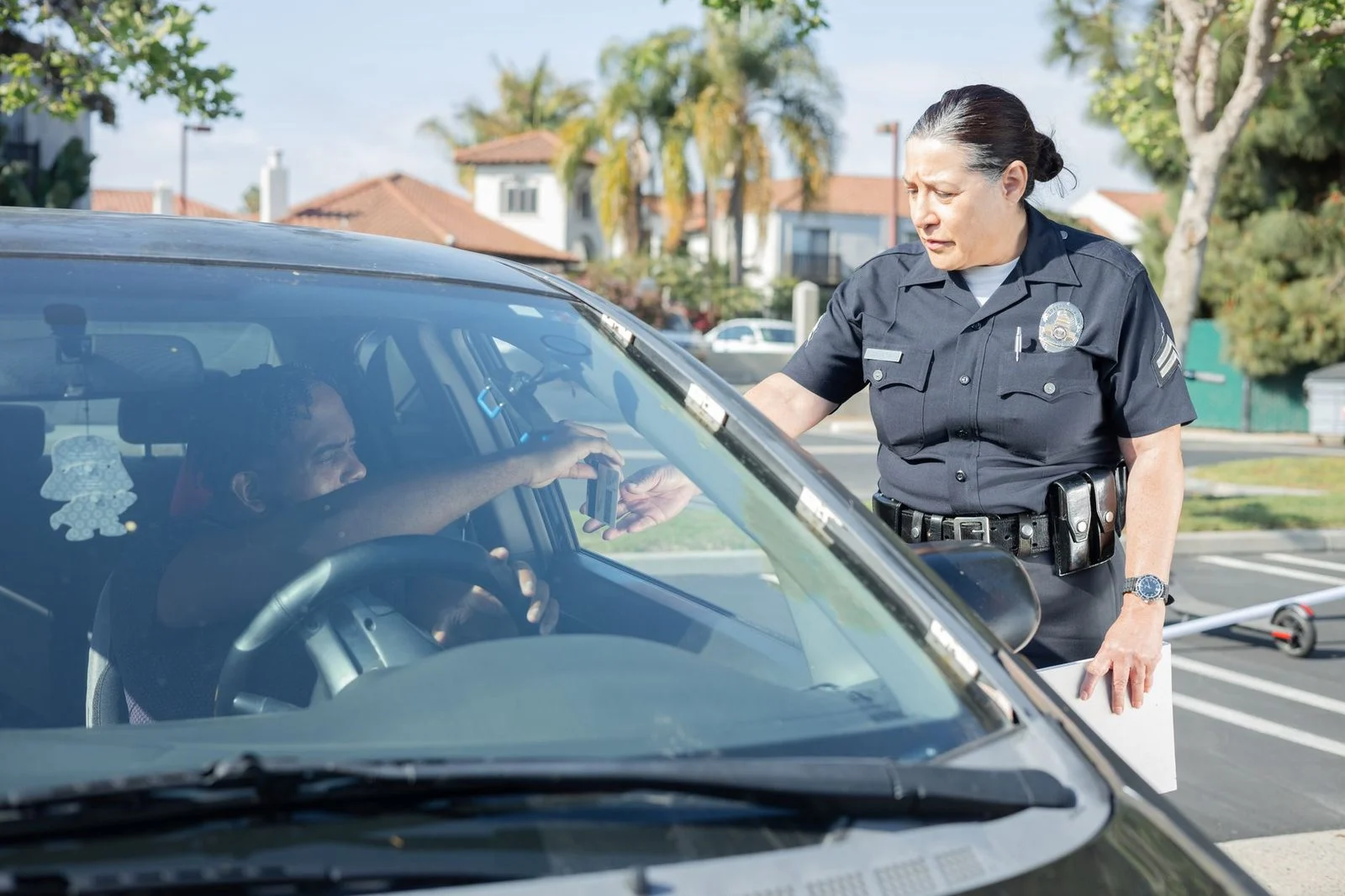
Talk Through Your Situation Before You File
If a DUI could cost you a commercial license, the next step is a clear conversation about sealing and disclosure. You may be deciding whether to seal the record, what to tell an employer, and when to file. Your job may depend on getting those choices right.
Patrick Wilson Law, PLLC is a Miami criminal defense firm. The firm handles DUI cases, criminal defense for licensed professionals, and sealing and expunging of criminal records for clients across Miami-Dade, Broward, and the Florida Keys. Patrick David Wilson is the lawyer responsible for this page.
Call 786-761-1719 or send us a message through our contact page to talk about your file. The first consultation is free, confidential, and carries no obligation to continue. No outcome can be promised, because each file turns on its own facts.
How Patrick Wilson Law Can Help
Defense Focused on Florida Law
Our Miami firm focuses on criminal defense across South Florida, including DUI, domestic violence and traffic homicide cases.
Attention for Licensed Professionals
We represent drivers and licensed professionals whose jobs depend on keeping their license in good standing.
Support for First-Time Offenders
If this is your first criminal matter, we explain each step in plain language so you can make informed decisions.
Do Not Assume Sealing Ends the Issue
Speak with our team before you assume your CDL is unaffected.
Questions to Bring to Your Consultation
Your Charge and Court File
Bring any citations, court notices and paperwork you have received so we can review the exact charge.
Your License Status
Note whether your CDL, medical certificate or employer requirements have changed since the incident.
Your Work and Travel
Tell us about your job, routes and any licenses you need to keep, so we can address how they connect to your case.
Your Record Goals
Let us know whether you are focused on defending the charge, sealing the record or both.

