

DUI Defense | Miami-Dade, Broward and the Keys
Sealed Does Not Always Mean Invisible: Your Florida DUI Record
After a case closes, the questions that follow are often about background checks, licenses and who can still see what. Here is how to think them through with your own file in hand.
By Patrick David Wilson · Published November 19, 2026
You finished your DUI case, and you want it off your record. Before you assume it’s gone, know that Florida keeps more than one record. This page explains whether a sealed DUI still shows on a Florida driving record, and what sealing does and doesn’t change.
A sealed court record and your Florida driving record are governed separately. Sealing limits who can see the criminal history record. If you have questions about how an old charge could still show up on your driving record, our lawyers can review your situation with you during a free, confidential consultation.
The Short Answer: Sealing and the Driving Record Are Separate Systems
Sealing a DUI case changes court and criminal justice records, but your driving record sits in a different system. The Florida Department of Highway Safety and Motor Vehicles (FLHSMV) maintains each licensee’s driver history under Fla. Stat. § 322.20. So a sealed case can still show up when someone checks your driving history.
Many people assume one court order clears everything. It doesn’t work that way. Each system keeps its own file, with its own rules. So answer two questions separately: what the seal covers, and what the driver record shows.
If your DUI case is over but you can't tell what your license history still shows, we can help you sort out both records before you decide on sealing. Talk it through with our team — the first consultation is free, confidential, and carries no obligation.
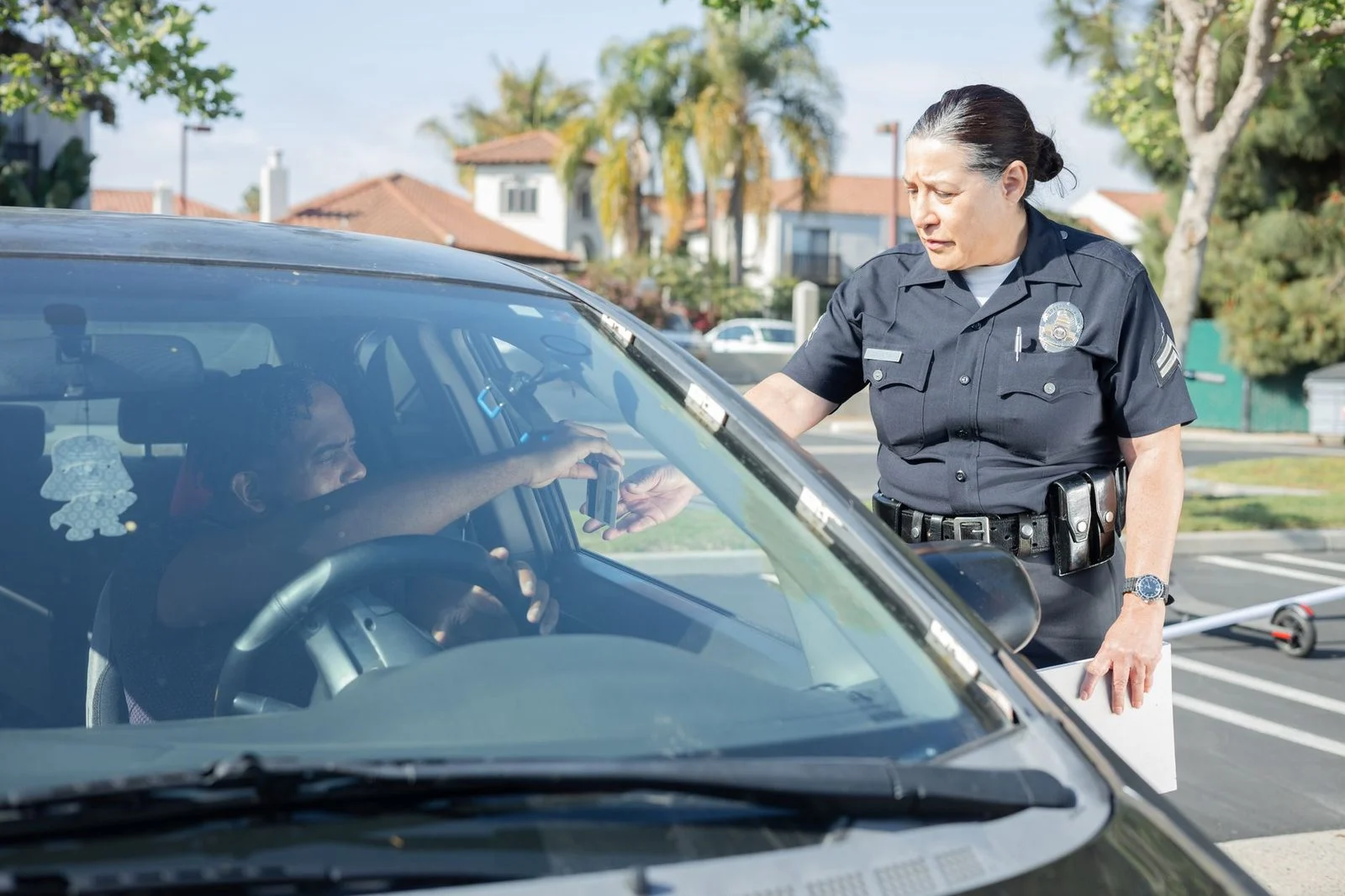
What Sealing Does to Court and Criminal Records
Sealing restricts access to a criminal history record. A petition to a court to seal a criminal history record is complete only when it is accompanied by a valid certificate of eligibility issued by the department.
The petition has a required first step. It must be filed with the clerk, with a valid certificate of eligibility from the Florida Department of Law Enforcement and a sworn statement, under Fla. R. Crim. P. 3.692. The court may deny the request at its sole discretion.
The certificate comes first. A court cannot order a criminal justice agency to seal a record until you have applied for and received that certificate. A common mistake is treating the court order as the finish line. The order must also meet the statute’s requirements, or the state doesn’t have to act on it.
The sealing order names the records and agencies it covers. Sealed court entries go into a nonpublic index, subject to further court order.
What the FLHSMV Driver Record Keeps
The driver record is a separate file that FLHSMV maintains. The state keeps a record of every license application and a driver history for each licensee. That history is available when the license comes up for renewal and at other suitable times.
Courts feed this file too. A court with jurisdiction over traffic laws must forward a conviction record to the department and suspend or revoke the license under chapter 322 (Fla. Stat. § 322.25). The court must also report the disposition on a standard form. That form says whether the court recommends suspension or revocation.
That’s a point many people miss. For purposes of chapter 322, a no-contest plea to a DUI or similar alcohol- or drug-related traffic offense that the court accepts, and under which the court imposes a fine or sentence, is equivalent to a conviction.
The state’s DUI FAQ page covers revocation periods and hardship licenses after a first DUI conviction. Because the criminal and driver records are separate databases, a sealed case can still appear in a driver history check.
How Long a DUI Stays Visible and Who Can See It
The answer to “will it show after 20 years?” turns on which record is checked and who asks for it. A criminal background check draws on criminal history records, where sealing applies. A driver record check goes through FLHSMV, under its own rules and access process.
Sealing changes how the criminal record is handled. The driver file is a separate source, so it needs its own answer. Your question is not only whether the record is sealed. It is also who can still obtain it, and for what purpose.
Licensed professionals should keep the disclosure rule in mind. The statute still discloses sealed records to listed licensing, access and employment entities for their own licensing, access and employment purposes (Fla. Stat. § 943.059). Fla. Stat. § 943.059 reads: “An employee of an entity set forth in subparagraph (b)1., subparagraph (b)4., subparagraph (b)5., subparagraph (b)6., subparagraph (b)8., subparagraph (b)9., subparagraph (b)10., or subparagraph (b)11. may not disclose information relating to the existence of a sealed criminal history record of a person seeking employment, access authorization, or licensure with such entity or contractor, except to the person to whom the criminal history record relates or to persons having direct responsibility for employment, access authorization, or licensure decisions.” That disclosure continues even after a seal.
Sealed Versus Expunged: What Changes for a DUI
Sealing restricts access, while expunction removes the record in most respects. Under Fla. Stat. § 943.0585, an expunged record must be physically destroyed or obliterated by the criminal justice agencies that hold it. The state’s department keeps it in all cases.
Expunction has its own eligibility rule. Under § 943.0585(1), Florida Statutes, the charging-document condition for petitioning to expunge a criminal history record can be met in either of two ways: no indictment, information, or other charging document was filed or issued in the case, or one was filed or issued but was dismissed or nolle prosequi by the state attorney or statewide prosecutor, was dismissed by a court of competent jurisdiction, or ended in a judgment of acquittal by a judge or a verdict of not guilty by a judge or jury.
For a DUI, neither outcome alone settles what the driver file shows. FLHSMV still governs that history under chapter 322. A court order on the criminal record is only one part of the picture.
Both petitions go to the court clerk. Both also require the certificate of eligibility under Fla. R. Crim. P. 3.692.
How License Status Fits Into the Picture
License status is a separate question from whether a court record is sealed. A DUI case can carry license consequences outside the criminal case.
Refusal runs on its own track. Under Fla. Stat. § 322.2615, the disposition of related criminal proceedings does not affect a suspension for refusing a blood, breath or urine test. A common mistake is assuming a criminal ruling ends every license issue.
Ignition interlock is the next question for many people. Before the state issues a permanent or restricted license after a DUI conviction, it requires an interlock device (Fla. Stat. § 322.2715), except that consideration may be given to people with a documented medical condition that would prohibit the device from functioning normally. For a first offense with an unlawful blood- or breath-alcohol level, the device may be installed for at least 6 continuous months. Fla. Stat. § 322.2715 reads: “(3) If the person is convicted of: (a) A first offense of driving under the influence under s. 316.193 and has an unlawful blood-alcohol level or breath-alcohol level as specified in s. 316.193(1), the ignition interlock device may be installed for at least 6 continuous months.”
Whether a hardship license applies depends on the facts of your case and your license history.
Not sure what your next step is?
Talk it through with our team — the first consultation is free, confidential, and carries no obligation.

Talk Through Your DUI Record and License Status With Patrick Wilson Law
If your DUI case is over but you can’t tell what your license history still shows, that is worth working through before you file anything. Patrick David Wilson is the responsible lawyer for this page. Patrick Wilson Law, PLLC focuses on criminal defense from its office in Miami, Florida, and represents clients across South Florida.
Quick Answers
Will a sealed DUI show on a background check?
A sealed criminal record is restricted, but listed licensing, access and employment entities still receive it for their own purposes.
Does sealing affect a DUI on the driver record?
The answer depends on the facts of each case. FLHSMV keeps each licensee’s driver history under chapter 322.
What’s the difference between sealing and expunging?
Sealing restricts access. Expunction requires the agencies holding the record to destroy or obliterate it, and the state keeps it.
Can a no-contest plea reach the driver file?
Yes, if the defendant enters a no-contest plea to a charge of driving while intoxicated, driving under the influence, driving with an unlawful blood-alcohol level, or any other alcohol-related or drug-related traffic offense similar to the offenses specified in s. 316.193, and the court accepts the plea and enters a fine or sentence.
In a consultation, the goal is to compare the court record with the driver history, so you can see what each one shows. The initial consultation is free, confidential, and carries no obligation to continue. Call 786-761-1719 or leave a message through our contact page.
How Patrick Wilson Law Can Help
South Florida Criminal Defense
Patrick Wilson Law focuses on criminal defense across South Florida, from Broward County to the Florida Keys.
Sealing and Expungement
The firm handles requests to seal and expunge criminal records, including questions about what remains visible after a case.
Careers on the Line
Criminal defense for licensed professionals is part of the practice, where a record can affect a license and a livelihood.
A Free, Confidential First Step
The first consultation is free, confidential, and carries no obligation to continue.
Sealing and Clearing Are Not the Same Question
Sealing a record and what appears on a driving history are separate issues. Some agencies with a lawful need can still see sealed information. Bring your case paperwork so these questions can be reviewed against your actual file.
Questions to Bring to Your Consultation
Your Case File
Court paperwork, charging documents and disposition records help show exactly what was filed and how the case closed.
Where the Record Appears
Driver history, background checks and licensing databases each follow different rules, so each one needs its own review.
Licensing and Employment
If you hold a professional license or are applying for one, we can talk through how the record may come up in that process.
Immigration Status
If you are not a U.S. citizen, ask how a sealed or expunged record may still be viewed in immigration matters before you make any decisions.
Talk Through Your DUI Record with Patrick Wilson Law
Related practice areas
- Does Florida Sealing Stop Immigration Harm for Non-Citizens?

