

Sealing and Expunging Criminal Records | Miami-Dade, Broward and the Keys
A Sealed Juvenile Record Can Still Come Up When Someone Asks
Sealing offers real protection, but it has limits, and the way a question is worded can change what you need to say.
By Patrick David Wilson · Published November 18, 2026
If you’re researching this, an old juvenile case may be getting in the way of a job, an apartment application, or a license. Usually, a sealed juvenile record does not appear on a routine background check. Sealing makes the record confidential, and the statute limits access to a short list of people and groups, which does not include the general public.
Sealing usually keeps a juvenile record off routine checks
A sealed record is generally kept out of routine public and private background searches. Florida law makes a sealed criminal history record confidential, and it is available only to the subject, the subject’s attorney, criminal justice agencies, and certain licensing and employment entities (Fla. Stat. § 943.059).
Sealing does not erase the case. The record still exists, and listed bodies can still see it. A common mistake is assuming a sealed case vanishes from every search. The sealing statute covers the record of “a minor or an adult” (§ 943.059).
Three questions decide what a check shows: which record is involved, which agency or company is looking, and why they are looking. Each answer changes the result.
If an old juvenile case is now getting in the way of a job or license, we'd be glad to talk it through with you before you take any next step. Talk it through with our team — the first consultation is free, confidential, and carries no obligation.
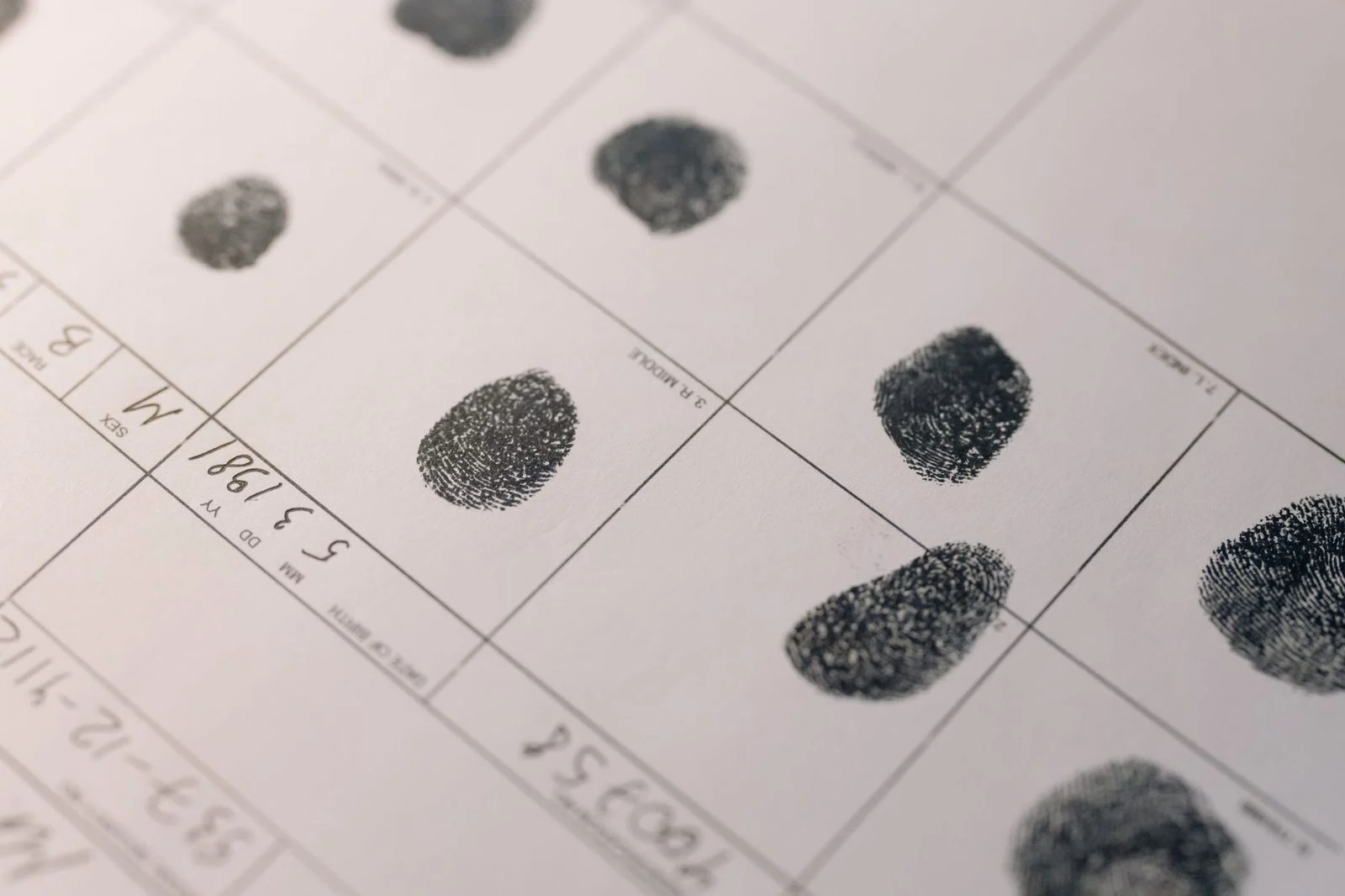
Sealing and expunction produce different results
Sealing hides a record from most people, while expunction goes further. Under the expunction statute, agencies holding an expunged record must physically destroy or obliterate it, though the Florida Department of Law Enforcement must keep the record in its own custody (Fla. Stat. § 943.0585).
Under the automatic sealing rules, a sealed record stays with the state department and other criminal justice agencies (Fla. Stat. § 943.0595). A seal changes who can look at the record, not whether it exists.
Petition-based expunction and sealing both require a written petition, a certificate of eligibility from FDLE, and a sworn statement (Fla. R. Crim. P. 3.692). FDLE runs that certificate process, and its sealing and expunging page explains the steps. Check which result a court order actually grants, because the two outcomes differ.
Who can still see a sealed juvenile record
Listed criminal justice agencies, the subject’s attorney, and the subject can still see a sealed record. The statute names these groups, so access comes from the law, not from an employer’s request.
Criminal justice agencies can use the record for criminal justice purposes, including firearm background checks where state or federal law allows (§ 943.059). The subject can see the record too, which matters when you gather facts for an application. Your attorney can also see it, which is one reason to bring a lawyer into the review early.
For expunged records, a candidate for admission to The Florida Bar cannot lawfully deny the covered arrests (§ 943.0585). Under Fla. Stat. § 943.0585(6)(b), a person whose criminal history record is expunged “may lawfully deny or fail to acknowledge the arrests covered by the expunged record,” except in the situations the statute lists, such as when the person is a candidate for employment with a criminal justice agency or a candidate for admission to The Florida Bar. Every case is different, so it helps to review your specific situation with a lawyer.
What private screening companies and employers typically see
An employer may still ask about past arrests on its own application, though. A question about arrests differs from one about convictions or sealing, so read it closely. A common mistake is answering from memory instead of reading the exact question.
The statute protects a person who doesn’t acknowledge a sealed record from perjury or false-statement liability for that reason (§ 943.059). That protection has exceptions, including when the subject is a candidate for employment with a criminal justice agency. Employees of listed entities may not disclose information relating to the existence of a sealed criminal history record of a person seeking employment, access authorization, or licensure with that entity or contractor, except to the subject or to people with direct responsibility for those decisions. Doing so is a first-degree misdemeanor (§ 943.059).
Licensed professionals need a separate check
A license application asks its own questions, so read each one as written. Sealing changes access to the record, not the form’s question. Ask what the form asks about arrests and charges, and answer each part.
Fla. Stat. § 455.227(1)(g) concerns a licensee who has been found liable in a civil proceeding for knowingly filing a false report or complaint with the department against another licensee. A board can also refuse to certify an application after it finds listed grounds (§ 455.227). Florida also lists misleading representations related to a licensee’s practice as grounds for discipline (§ 456.072).
A wrong answer can turn an old juvenile matter into a new licensing problem. Patrick Wilson Law handles criminal defense for licensed professionals, including petitions to seal or expunge records.
Next steps and a free consultation for South Florida families
Before you talk to anyone, gather the charge name, the county and court, the year, and how the case ended. Bring any court papers you already have, since they show the charge and the outcome. Keep copies of everything you send to the court or an application. Note any job or license deadline too, and raise a close deadline first.
Whether a given case qualifies depends on the facts. Some records seal automatically, without a petition, when no charging document was filed, when charges were dismissed as to all counts, or when a not guilty verdict or judgment of acquittal was entered, unless the record results from an indictment, information, or charging document for a forcible felony as defined in s. 776.08 or for an offense enumerated in s. 943.0435(1)(h)1.a.(I) (§ 943.0595). A conviction for a listed offense, including any offense in chapter 794, can make a record ineligible (§ 943.0584). For a minor, a finding of a delinquent act can count as a conviction for that list. Even an eligible petition can be denied, since a court may deny the request at its sole discretion (Fla. R. Crim. P. 3.692).
Will an employer see a sealed juvenile record?
Routine checks generally will not show it, because access is limited to people and groups the statute names.
Do I have to disclose a sealed record on an application?
Answer the question as written, since the statute’s protection has exceptions.
Does sealing erase the record?
No. The record still exists, and listed agencies can still see it.
If an old juvenile case is now affecting a job or a license, you do not have to work through the process alone. Call 786-761-1719 or send us a message through our contact page. The initial consultation is free, confidential, and carries no obligation to continue.
Patrick Wilson Law, PLLC is a Miami criminal defense firm serving Miami-Dade, Broward, and the Florida Keys. Patrick David Wilson is responsible for this page.
How Patrick Wilson Law Can Help
Review Your Record
We look at what was sealed, what remains visible and where the record may still appear.
Plan Your Answers
We help you understand how a background or employment question is worded before you respond.
Explain Your Options
We discuss sealing, expunging and other steps that may apply to a juvenile or adult record.
Confidential First Step
The first consultation is free, confidential and carries no obligation to continue.
Check Before You Answer
Before you answer an application or screening question about a juvenile matter, read the question closely and talk with a lawyer about how it applies to your record.
Common Questions About Sealed Juvenile Records
Who Can See a Sealed Record?
Access is usually limited to the people and agencies the law names. Whether a particular check reaches the record depends on the check and the record.
Do Applications Ask About It?
Application wording varies. Some questions ask about arrests or records generally, while others are narrower. Small differences in wording can matter.
Does Sealing Erase the Record?
Sealing and expunging are different processes with different effects. Understanding which one applies to your case is an important first step.
What Should I Do Next?
Bring your questions to a lawyer who focuses on criminal record relief in South Florida, so your situation is reviewed with your own facts in mind.

