
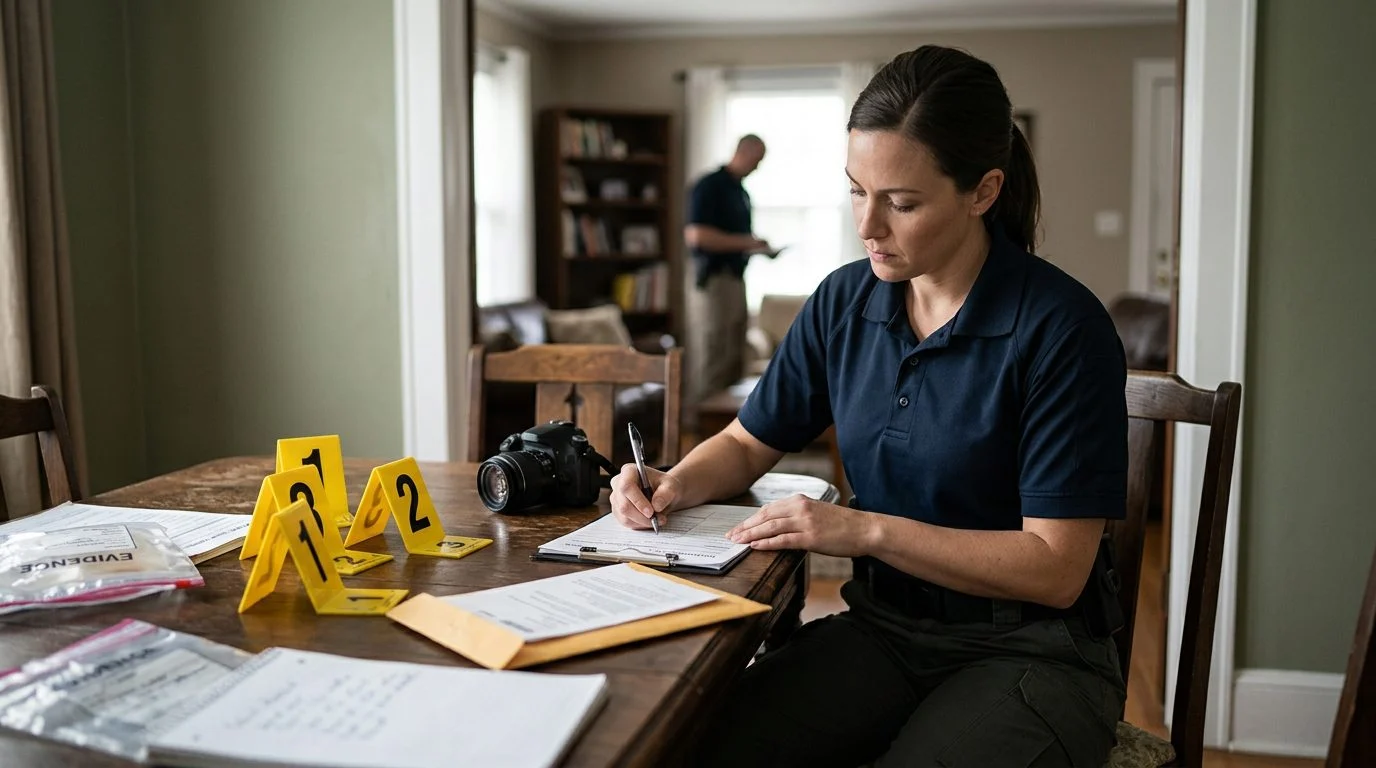
Sexual Battery Defense | Miami, FL
Think Before You Talk to Police About a Sexual Battery Accusation
Patrick Wilson Law, PLLC focuses on criminal defense across Miami-Dade and Broward counties. Learn why speaking with a lawyer can come before any statement to detectives. Your first consultation is free, confidential and comes with no obligation.
By Patrick David Wilson · Published November 3, 2026
Should I Talk to Police About a Sexual Battery Accusation in Florida?
Whether to speak is one of the most important choices in the case, so it deserves a careful answer, not a fast one.
A detective may call, stop by your home or job, or leave a voicemail asking you to come in. The request often sounds routine. It isn’t a small step. Florida lets an officer arrest a person without a warrant when the officer reasonably believes a felony has been or is being committed and that the person to be arrested has committed or is committing it. Many sexual battery offenses are felonies under Fla. Stat. § 794.011.
This page gives general information. It doesn’t replace advice about your own facts, and the right next step depends on what happened.
A detective's call or a letter about an accusation is a hard moment, and you don't have to sort it out alone. Patrick Wilson Law offers a free, confidential first consultation with no obligation to continue. Talk it through with our team — the first consultation is free, confidential, and carries no obligation.
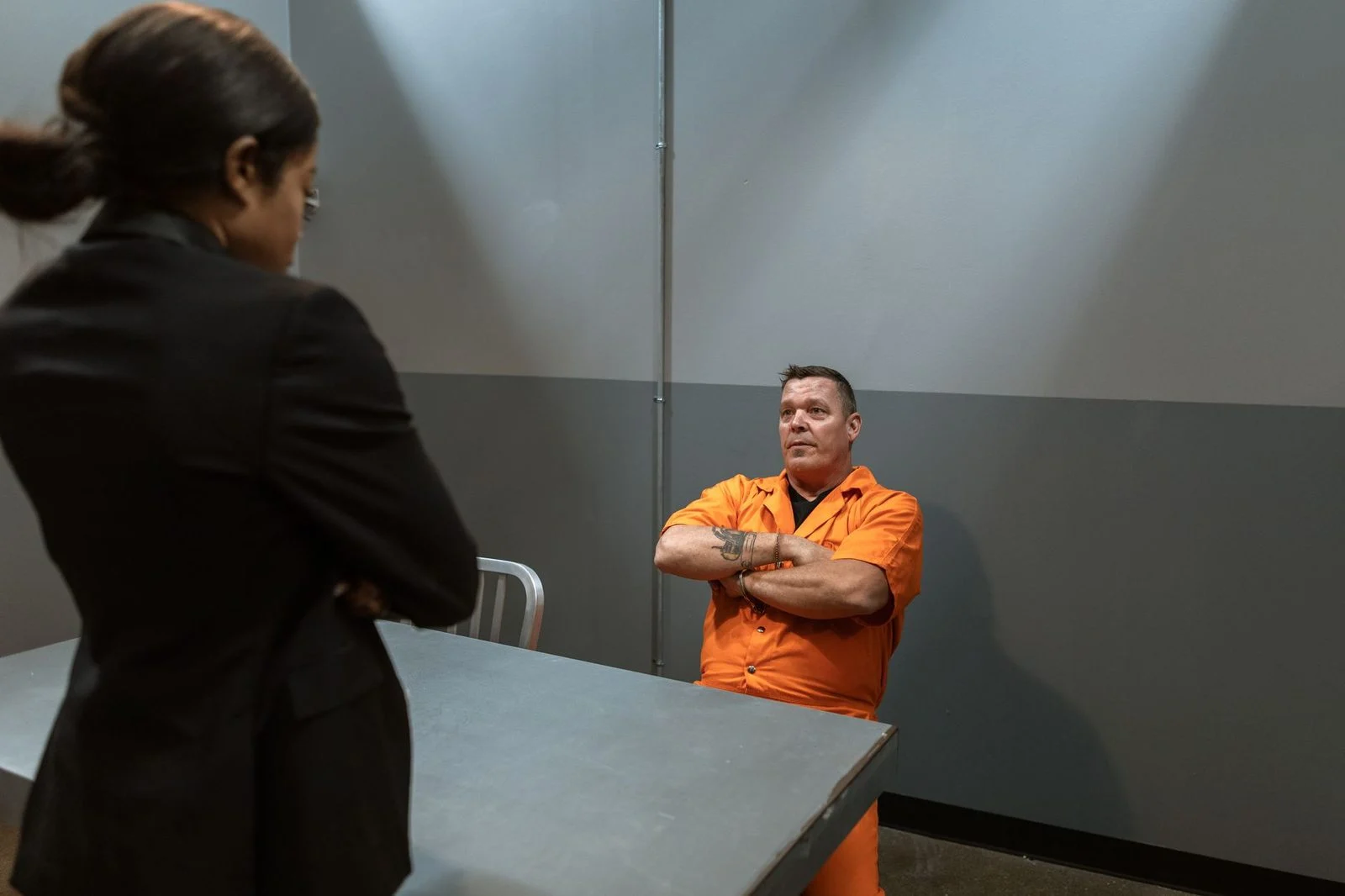
Where Your Right to Stay Silent Comes From
You have a right to stay silent, and Florida’s court rules say so in plain words. At your first court appearance after an arrest, the judge must tell you that you are not required to say anything. The judge must also tell you that anything you say may be used against you. Fla. R. Crim. P. 3.130 sets out that advice.
That advice shows where the power sits. Nobody can force you to answer questions about the accusation. Fla. R. Crim. P. 3.250 says no accused person can be compelled to give testimony against himself or herself. It also bars a prosecutor from commenting before the jury or court on an accused person’s failure to testify.
Silence is a choice you can make, and you can make it with a lawyer’s help.
Voluntary Interview vs. Custodial Interrogation
A voluntary interview and a custodial interview can feel alike, but they are not the same. A detective may call a meeting voluntary. You may be asked to come in without being arrested. The label on the meeting doesn’t decide what happens to your words later. Keep that in mind before you walk in.
If you are arrested, Florida’s timeline moves fast. Under Rule 3.130, every arrested person must go before a judge within 24 hours of arrest. That can happen in person or by audio-video communication, unless the person was previously released in a lawful manner. Your first appearance is not the place to tell your side of the story.
If you are in custody, ask for a lawyer before you answer anything. A lawyer can explain what each question could mean for your case.
Why Talking to Police Can Hurt Your Case
Talking to police can hurt your case because your words become evidence. The court’s advice warns that anything you say may be used against you. Most people who get into trouble this way didn’t mean to. They wanted to clear things up.
Here is how it often goes wrong. You explain your side. Then the detective asks about dates, places, and who said what. Under stress, people mix up times and details. A small gap between the interview and a later text, call, or statement can then be used to question your credibility.
Relationships make it harder. Questions often focus on how well you knew the other person, what you did together, and what was sent afterward. Each answer may look different once it is written down.
Talking to friends, family, or coworkers can also reach investigators. A comment that feels private can travel. Treat every conversation about the accusation as one that may be repeated.
How to Decline an Interview and Invoke Your Right to a Lawyer
You can decline an interview with a short, calm statement. You don’t need to argue or explain. Try words like these: “I’m not going to answer questions right now. I want to speak with a lawyer first.” Say it once, clearly, and then stop discussing the accusation.
Stay polite. Hostility makes a stressful moment worse. Explaining your side to end the conversation is the mistake people make most often.
Write down what happened as soon as you can. Record the date, the time, each officer’s name, any badge or case numbers, and a summary of what was said. Keep the note private and share it with your lawyer.
If you can’t afford a lawyer, Fla. R. Crim. P. 3.111 explains when appointed counsel must be provided. Counsel is appointed for a person entitled to it when the person is formally charged, as soon as feasible after custodial restraint, or at first appearance before a committing judge, whichever occurs earliest.
Do Not Lie or Invent a Story to Police
Silence and a false story are not the same thing. You can decline to answer. An inaccurate account can create new problems, and those problems can be harder to fix than the original accusation. A rushed denial with the wrong date or place can later look like a contradiction, even when the mistake was honest.
Declining to answer is not the same as making a denial in an interview. The two choices carry different risks. Discuss both with your lawyer before any interview, even a short one.
Be careful with phones, passwords, and documents. Don’t hand over devices, accounts, or messages until you have talked with counsel about what they may show. Once you have advice, you can decide what to share.
Rule 3.250 also lets an accused person choose to be sworn as a witness on their own behalf, and if they do, they are subject to examination as other witnesses. That decision belongs with a lawyer, made later, not in a hallway with a detective.
Not sure what your next step is?
Talk it through with our team — the first consultation is free, confidential, and carries no obligation.
Protect Your Position While the Case Is Open
While the case is open, avoid all contact with the alleged victim. Don’t ask friends or family to reach out for you. A message from a relative can look like pressure, even when it is meant kindly.
Don’t post about the accusation or discuss it on social media. Posts and comments can be read by investigators and by the other side.
Keep your records. Save messages, call logs, calendars, and receipts that may show context. Don’t alter or delete anything. A deleted message can be harder to explain than the message itself.
Florida also has a civil process for protective injunctions. Florida’s law on injunctions for protection against repeat violence, sexual violence, and dating violence, Fla. Stat. § 784.046, lists sexual battery within its meaning of “violence” and allows courts to issue sexual violence injunctions. The Florida Courts sexual violence benchbook covers sexual battery definitions, penalties, and procedures.
If you are a family member helping someone, the same rules apply. Don’t confront the accuser or call police to argue the facts. That can create new evidence.
Next Steps: Talk With a Florida Defense Lawyer Before You Decide
Talk with a lawyer before you decide what to say. The right to counsel works best when it starts before the interview, not after. Timing matters too. If a person is in custody, the state must file formal charges within 30 days of arrest. No one may stay in custody beyond 40 days without formal charges. Fla. R. Crim. P. 3.134 sets those limits.
Patrick Wilson Law, PLLC defends people across South Florida, from Broward County to the Florida Keys. Patrick David Wilson is the lawyer responsible for this page. Our team handles sexual battery defense in Miami, Miami-Dade County, and Fort Lauderdale. For related reading, see our sexual battery defense overview, our page on nolle prosequi in Florida sexual battery cases, and our page on sexual battery charges involving a minor.
Common Questions
Do I have to talk to police about a sexual battery accusation in Florida?
No. You are not required to say anything, and you can decline an interview.
Can police question me without arresting me?
Yes.
What should I say if a detective calls?
Say you won’t answer questions without a lawyer, and that you want to speak with one first.
A detective’s call or a letter about an accusation is hard to face alone. You don’t have to decide your next step by yourself. Reach out through our contact page or call 786-761-1719 for a free, confidential first consultation, with no obligation to continue.
Why Early Decisions Matter
The first conversations shape the case
Early questions, reports and interviews often influence how a sexual battery matter develops, which is why a lawyer's input at this stage can help.
Police may reach out quickly
Officers may call, text or visit your home or workplace. You can tell them you want to speak with your attorney before answering questions.
Be careful with friends and family
Well-meaning conversations with friends, coworkers or family members can be repeated later and used in a case.
Key Warning
Avoid contacting the other person, posting about the accusation on social media, or discussing the details with anyone other than your lawyer. Those steps can complicate your defense.
If Police Contact You About a Sexual Battery Allegation
Stay calm and courteous
Keep your tone respectful and avoid arguing with officers. Calm conduct makes the situation easier to manage.
Say you want a lawyer
Tell the officer clearly that you want to speak with an attorney before answering questions, then stop talking about the events.
Do not give a casual explanation
Brief remarks like 'it was a misunderstanding' can be interpreted in ways you did not intend. Let a lawyer review the facts first.
Contact Patrick Wilson Law
Our team can review your situation in a free, confidential consultation and explain your options in plain language, with no obligation to continue.
Talk to Patrick Wilson Law Before You Talk to Police. Your Free Consultation Is Confidential, With No Obligation.
Related practice areas
- Sexual Battery Defense Attorney in South Florida | Patrick Wilson Law
- Sexual Battery Pretrial Diversion Florida | Patrick Wilson

