
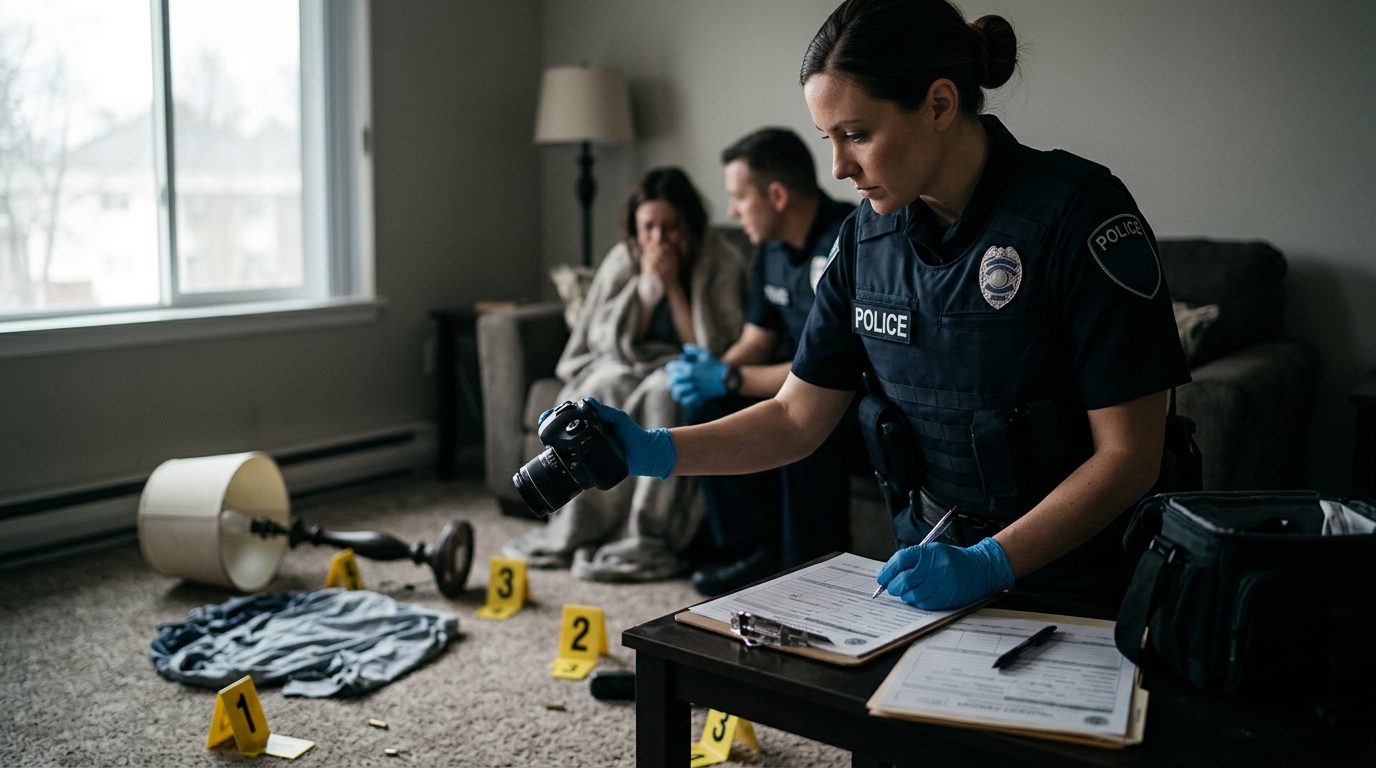
Miami Sexual Battery Defense
Can a Victim Drop Sexual Battery Charges in Florida?
Patrick Wilson Law, PLLC defends clients in Miami and across South Florida. Learn how these cases move forward and how a lawyer can help you understand your situation.
By Patrick David Wilson · Published October 22, 2026
Can an alleged victim drop sexual battery charges in Florida? No. In Florida, the State brings the case, so an alleged victim cannot end it just by saying they no longer want it. The victim’s wishes matter to prosecutors, but they don’t decide the outcome. This page explains who makes that call and how the timelines work across South Florida.
Short Answer: The Alleged Victim Cannot Simply Drop the Charges
An alleged victim cannot simply drop sexual battery charges, because the State is the party prosecuting the case. Florida’s criminal procedure rules say that “state,” “state attorney,” and “prosecutor” refer to the prosecuting authority representing the State of Florida, under Fla. R. Crim. P. 3.025.
Sexual battery is a felony under Florida law, as Fla. Stat. § 794.011 sets out. Under Florida’s criminal procedure rules, all sworn complaints charging the commission of a criminal offense are filed in the office of the clerk of the circuit court and delivered to the state attorney for further proceedings (Fla. R. Crim. P. 3.115).
A victim’s voice still counts. A Florida victims’ rights brochure describes the victim’s role as conferring with the prosecutor about how the case is resolved. Input is not the same as control.
If you or a loved one is facing a sexual battery accusation, we can talk through what comes next in a free, confidential first consultation. Talk it through with our team — the first consultation is free, confidential, and carries no obligation.

Who Decides Whether Sexual Battery Charges Move Forward
The State Attorney’s Office decides whether a sexual battery case moves forward. Police investigate and send their findings on. Prosecutors then review the report and the evidence, and they make the charging call.
Florida’s rules say a sworn complaint is filed with the clerk of the circuit court and delivered to the state attorney for further proceedings, under Fla. R. Crim. P. 3.115. The Florida State Attorney FAQ explains that the State Attorney’s Office conducts criminal prosecutions.
Location matters from the first day. The prosecutor weighs the victim’s views along with the rest of the file. No single input settles it.
Why a Victim’s Request to Stop Does Not End the Case
A request to stop does not end a case on its own, because the State builds its case from more than one source. The complainant’s account is one piece of evidence. Other evidence can exist apart from it.
That evidence can include physical or forensic evidence, text messages, video, and statements from witnesses. Investigators may collect it before or after the complainant says they want the matter over.
A complainant who later changes an account creates a new issue. Earlier statements can be compared with later ones. Those differences can raise questions that both sides have to address.
One mistake causes the most harm: trying to influence the alleged victim. Any contact about dropping the case, even from a family member or partner acting out of good intentions, can create separate legal problems for the accused. Don’t ask anyone to pass along a request on your behalf.
How Charges Can Be Dropped, Reduced, or Dismissed
Charges can be dropped, reduced, or dismissed, but the decision belongs to the prosecutor or the court. The victim’s request is one factor the prosecutor considers. It is not the final word.
A prosecutor can decide not to move forward with a charge, or change it to a lesser one. A court can also dismiss a case in some circumstances. Whether any of these outcomes applies depends on the facts, including the evidence and the exact charge.
Timing also matters. Early reports, early statements, and early evidence collection shape what the prosecutor has to work with. A dismissal is a procedural decision, not a verdict. No lawyer can promise a particular result, so a reader should not assume an ending based on what the complainant says.
Time Limits for Filing Sexual Battery Charges in Florida
Florida sets its general time limits for filing charges in Fla. Stat. § 775.15. The victim’s age and the date of the report can change when the clock starts.
Some serious felonies have no deadline. A prosecution for a capital felony or a life felony may begin at any time. If the victim is under 18, the clock does not start until the victim turns 18 or the violation is reported to a law enforcement or other government agency, whichever comes first. If a first- or second-degree felony violation of sexual battery is reported within 72 hours after it happens, prosecution may begin at any time.
Time to file charges is a separate question from whether the complainant still wants the case. Keep those two questions apart when you read the rules.
Once someone is arrested, a second set of deadlines applies. Under Fla. R. Crim. P. 3.134, the State must file formal charges within 30 days for a person in custody. No one may stay in custody beyond 40 days without formal charges. For a person on pretrial release, the State has 60 days to file formal charges, though the court may continue pretrial release for up to an additional 30 days if good cause is shown. The court must act on day 60, and release on day 63 follows unless charges are filed. If the State shows good cause, the court may instead keep the defendant on pretrial release for up to an additional 30 days unless charges are filed.
What to Do Now If You Are Facing a Sexual Battery Accusation
If you face a sexual battery accusation, avoid contact with the alleged victim. Think carefully before you talk to investigators, because early choices can shape what happens next.
Statements made early can matter. Evidence collection may already be underway by the time you hear about the accusation. A sexual battery charge can also carry consequences that reach well beyond the case itself. Our sexual battery defense overview covers how these cases are handled from start to finish.
Frequently Asked Questions
Can the alleged victim drop sexual battery charges in Florida?
No. The State brings the case, so the complainant cannot end it alone. Their wishes are one factor the prosecutor weighs.
Who decides whether sexual battery charges go forward?
The State Attorney’s Office does, after reviewing the police report and the evidence.
Is there a time limit to file sexual battery charges?
Yes, and § 775.15 sets the general rules. The victim’s age and the reporting date can change the clock.
If you or someone close to you is facing this accusation, you don’t have to work through it alone. Patrick Wilson Law, PLLC, a Miami criminal defense firm, offers a free first consultation that is confidential and comes with no obligation to continue. Call 786-761-1719 or leave a message to start that conversation.
This page is the responsibility of Patrick David Wilson, Patrick Wilson Law, PLLC, Miami, Florida.
How a Sexual Battery Case Moves Forward
The State brings the case
Sexual battery prosecutions are brought by the State, not by the alleged victim.
Many factors are weighed
The complainant's wishes are one factor. Police reports, physical evidence and witness statements are also reviewed before any decision is made.
Early advice can matter
What you say and do in the first stages of an investigation can shape how a case develops. Speaking with a lawyer early helps you understand your options.
Important Warning
Do not discuss the allegations with the complainant, police or prosecutors before speaking with a lawyer.
Common Questions
What if the allegation is untrue?
A defense lawyer can examine the evidence, the timeline and the witnesses to test the allegation.
Where does the firm practice?
Patrick Wilson Law, PLLC represents clients in Miami and across South Florida, from Broward County to the Florida Keys.

