
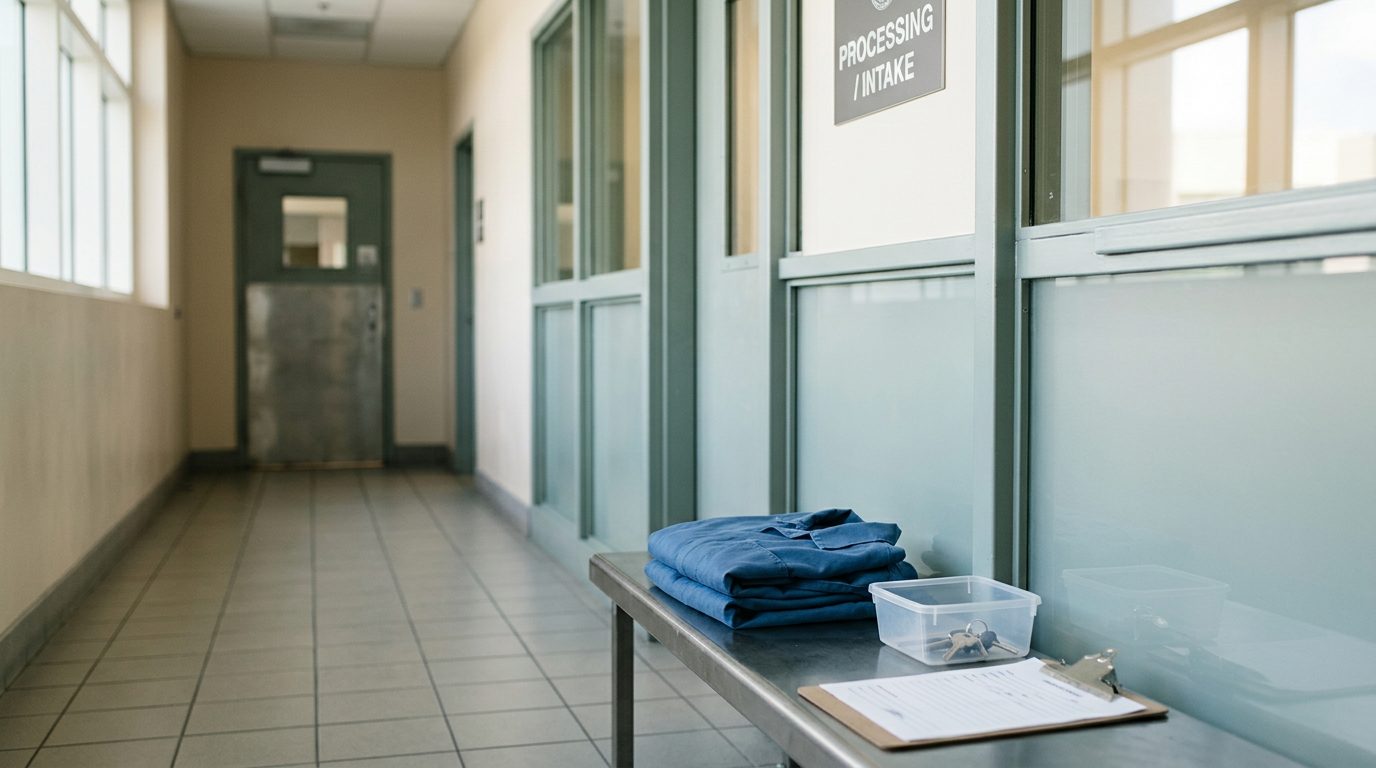
Miami Criminal Defense | Battery Charges
Facing a Battery Charge in Florida? Know What Jail Time Could Involve
Patrick Wilson Law, PLLC defends battery, domestic violence and related charges across Miami-Dade, Broward and the Florida Keys, with a focus on first-time offenders.
By Patrick David Wilson · Published October 24, 2026
How long do you go to jail for battery in Florida? For simple battery, the maximum is up to 1 year in jail and a fine of up to $1,000. Felony battery and aggravated battery carry longer possible penalties, and the facts of the charge decide which tier applies.
Short answer: how much jail time simple battery carries in Florida
Simple battery is a first-degree misdemeanor under Fla. Stat. § 784.03. A first-degree misdemeanor can carry a jail term of up to 1 year. The fine can reach $1,000 under Fla. Stat. § 775.083.
Those numbers are statutory maximums. The Legislature sets them as the outer limit of the law. They are not a prediction of what a judge will impose on any one person. The actual sentence sits somewhere inside that range, and the details of the case and the person’s record shape where.
If a battery charge has someone you love facing court, you don't have to work out the penalties alone. Our Miami team offers a free, confidential first consultation. Talk it through with our team — the first consultation is free, confidential, and carries no obligation.

What counts as battery under Florida law
Battery can happen in two ways. Under Fla. Stat. § 784.03(1)(a), a person commits battery by actually and intentionally touching or striking another person against that person’s will. A person also commits battery by intentionally causing bodily harm to another person.
The first route matters more than most people expect. A shove, a grab of the arm, or a slap can be enough if it was intentional and against the other person’s will. No injury is needed for that route.
Assault is a different charge. Under Fla. Stat. § 784.011(1), assault is an intentional, unlawful threat to do violence. It must come with an apparent ability to carry it out and an act that causes a well-founded fear of imminent violence. Assault can happen with no contact at all. A person who threatens a coworker and raises a fist, without touching him, may face an assault allegation rather than battery. Which charge applies depends on what the reports and witnesses describe.
When a battery charge becomes a felony
A battery becomes a third-degree felony when the person has a prior conviction for battery, aggravated battery, felony battery, or resisting an officer with violence, and then commits another battery. A third-degree felony can bring up to 5 years of imprisonment under § 775.082 and a fine of up to $5,000 under § 775.083.
The prior-conviction rule catches people off guard. The statute counts a plea or trial finding of guilt as a conviction, even if adjudication is withheld or a plea of nolo contendere is entered. An old withheld adjudication can still count.
Felony battery is a separate path. Felony battery requires an intentional touch or strike against another person’s will that causes great bodily harm, permanent disability, or permanent disfigurement. It is also a third-degree felony.
Domestic battery by strangulation is covered by Fla. Stat. § 784.041(2)(a). It involves knowingly and intentionally, against the person’s will, impeding the normal breathing or blood circulation of a family or household member or a person with whom the offender is in a dating relationship, so as to create a risk of or cause great bodily harm. Pressure on the throat or neck, or blocking the nose or mouth, can meet the test. Under Fla. Stat. § 784.041(3), domestic battery by strangulation is a third-degree felony, and the statute does not condition that classification on a prior record, so the court file needs careful review.
Aggravated battery: the higher penalty tier
Aggravated battery is a second-degree felony under Fla. Stat. § 784.045(2). Under § 784.045(1)(a), it happens when a person, while committing battery, intentionally or knowingly causes great bodily harm, permanent disability, or permanent disfigurement. It also applies when the person uses a deadly weapon. The statute says great bodily harm, not serious bodily harm. That exact wording matters when you read a police report.
Section 784.045(1)(b) adds a separate route. It applies when the victim was pregnant and the offender knew or should have known it. A second-degree felony can carry a fine of up to $10,000 under § 775.083, or under § 775.083(1)(f), any higher amount equal to double the pecuniary gain derived from the offense by the offender or double the pecuniary loss suffered by the victim.
The gap between simple battery and aggravated battery comes down to harm, weapons, and pregnancy. The key question is whether the harm reaches the statute’s level or whether a deadly weapon was used. A common mistake is to assume any injury makes a case aggravated. Statutory wording in a criminal charge can matter, so reviewing the exact language of a charge is a useful first step.
Fines, probation, and other penalties beyond jail
Jail is only one part of a possible sentence. Courts can impose fines, and the clerk collects court costs. Under Fla. Stat. § 775.083(2), court costs are $50 for a felony and $20 for any other offense.
Restitution is another cost. Under Fla. Stat. § 775.089(1)(a), in addition to any punishment, the court shall order the defendant to make restitution to the victim for damage or loss caused directly or indirectly by the offense, and for damage or loss related to the criminal episode, unless it finds clear and compelling reasons not to order such restitution. That can include medical bills or property loss.
Probation can come with conditions. Probation conditions may require a probationer to live without violating any law. A conviction is not needed for that violation to count as a violation of probation. Courts can also order a person to stay within a specified place. The judge sets the specific terms.
Protective orders add risk. Violating an injunction for protection against domestic violence can be a separate crime. Under Florida law, a person with one or more prior convictions for domestic violence or for violating an injunction, who violates an injunction against the same victim, commits a third-degree felony.
How a judge decides the actual sentence
The statutory maximum is a ceiling, not the expected sentence. For felonies, except capital felonies committed on or after October 1, 1998, Florida uses the Criminal Punishment Code scoresheet. The lowest permissible sentence is any nonstate prison sanction when total sentence points are 44 or fewer, unless the court decides within its discretion that a prison sentence is appropriate.
The permissible range runs from that lowest sentence up to the statutory maximum. The court can impose sentences concurrently or consecutively.
Some felonies have a further rule. For offenses committed on or after July 1, 2009, a third-degree felony that is not a forcible felony (excluding third-degree felony violations under chapter 810) must receive a nonstate prison sanction if total sentence points are 22 or fewer, unless the court makes written findings that a nonstate prison sanction could present a danger to the public. The exception is written findings that a nonstate sanction could present a danger to the public.
Prior record and the charge itself drive much of the picture. Charging decisions and plea negotiations by the prosecutor can also change the exposure. A common mistake is reading the maximum and assuming it is the likely result.
Not sure what your next step is?
Talk it through with our team — the first consultation is free, confidential, and carries no obligation.
Is battery a misdemeanor, and how is it different from assault?
Yes. Simple battery is a first-degree misdemeanor in most cases. Felony battery and aggravated battery are felonies. A prior qualifying conviction can move a simple battery charge into felony territory.
Assault is a lower-level misdemeanor. Under Fla. Stat. § 784.011(2), assault is a second-degree misdemeanor. That carries a jail term of up to 60 days under § 775.082 and a fine of up to $500 under § 775.083. It is less severe than battery, but it is still a criminal charge.
Many incidents involve both a threat and a touch. One argument can produce both allegations, so the charges can overlap.
Licensing is another concern. Licensed professionals should know that a charge can matter beyond the courtroom.
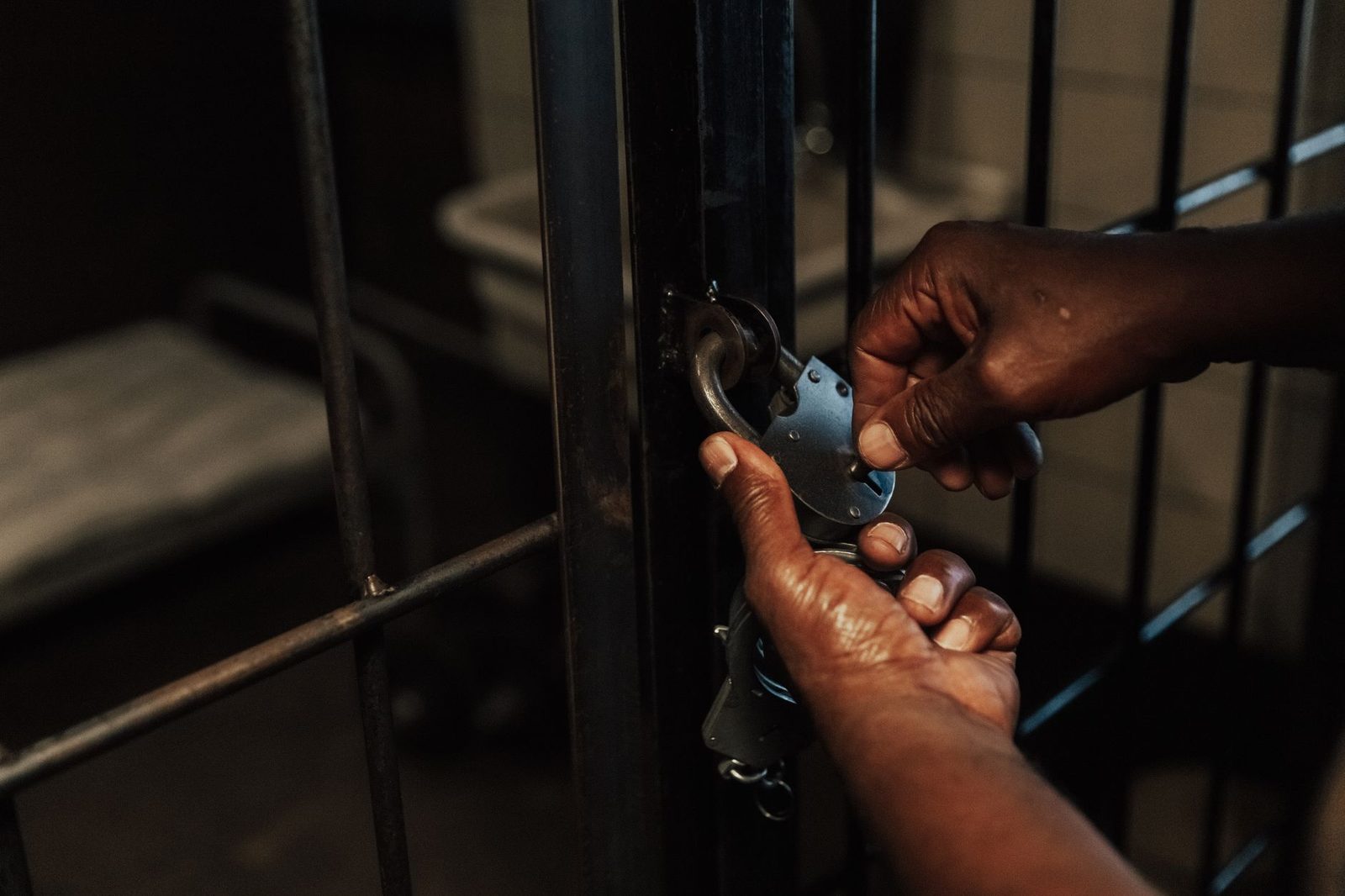
Talking with a criminal defense lawyer about a battery charge
If you’re trying to understand a battery charge against a partner, a child, or another family member, the waiting is hard. You may be reading statutes late at night and still have questions. That is normal.
A criminal defense lawyer usually starts with the arrest report, the charging document, the prior record, and any protective injunction. Those papers show which statute the state is using. They also show whether a prior conviction or a withheld adjudication could change the level of the charge.
Patrick Wilson Law, PLLC concentrates in criminal defense in Miami and across South Florida, from Broward County to the Florida Keys. The practice includes battery, domestic violence, and sexual battery matters. Patrick David Wilson is the responsible attorney for this page. The firm’s office is in Miami.
Common questions about battery penalties in Florida
How long do you go to jail for battery in Florida?
For simple battery, the maximum is up to 1 year. The judge sets the actual sentence within a range.
Is battery a misdemeanor in Florida?
Yes. Simple battery is a first-degree misdemeanor under Fla. Stat. § 784.03.
Does a withheld adjudication count as a prior battery conviction?
For the prior-conviction rule in § 784.03(2), yes. The statute counts a withheld adjudication.
Can a battery case lead to restitution?
Yes. Under Fla. Stat. § 775.089, the court shall order the defendant to make restitution to the victim for damage or loss caused directly or indirectly by the offense or related to the defendant’s criminal episode, unless it finds clear and compelling reasons not to order such restitution, and must state its reasons on the record if it orders less than full restitution.
If a battery charge has someone you care about facing the court, you don’t have to sort through the penalties alone. Call 786-761-1719 or contact Patrick Wilson Law for a free, confidential first consultation, with no obligation to continue.
How We Approach Battery Cases
Clear Explanation of the Penalties
We walk you through the charge, the possible jail and probation exposure, and how a conviction could affect your life beyond the courtroom.
Defense Built Around Your Facts
Every case turns on its own evidence, witnesses and circumstances. We examine each detail before recommending a path forward.
Experience with First-Time Offenders
Our firm focuses on defending people facing their first criminal charge, including licensed professionals whose careers are at stake.
Options Beyond Jail
Depending on the case, we discuss alternatives, negotiated resolutions and steps that can help limit the long-term consequences of a charge.
Protect Your Position Early
Statements you make to police, to the other party or on social media can become evidence. Speak with a criminal defense attorney before you answer questions about a battery allegation.
Questions to Bring to Your First Consultation
Is there a prior record?
Past arrests, convictions, withheld adjudications and pending cases can change how your current charge is handled.
Will this affect my job or immigration status?
Licensing boards, employers and immigration consequences may be affected by a battery or domestic violence charge, even without jail time.
Can the record be sealed or expunged later?
Some cases may qualify for sealing or expungement. We review your eligibility and explain the process when it is appropriate.
Talk to a Miami Criminal Defense Attorney Today
Related practice areas
- Sexual Battery Defense Attorney in South Florida | Patrick Wilson Law

