
Sexual Battery Defense | South Florida
Sexual Battery Case Timeline in Florida: What to Expect Stage by Stage
Patrick David Wilson explains how a sexual battery case moves through each stage, what can change the pace, and why timing depends on the facts and applicable law.
By Patrick David Wilson · Published October 15, 2026
A sexual battery case in Florida has no single timeline. Some cases move in months. Others take a year or longer. The pace depends on the stage, the evidence, and how busy the court calendar is.
If you’re asking how long a sexual battery case takes, the honest answer is that it depends. This guide walks through each stage in order and explains what tends to slow it down. It is general information, not a prediction of how any particular case will go.
The Short Answer: Why Sexual Battery Timelines Vary So Much
Timing varies because each stage depends on different facts, different people, and different court schedules. A case with a clear file can move faster than one that needs lab work, witness interviews, and several rounds of filings.
The charge’s grade also shapes the road ahead. Florida defines sexual battery and sets its penalties in § 794.011. An adult who commits sexual battery on an adult without force likely to cause serious personal injury faces a second-degree felony. Under §§ 775.082 and 775.083, the maximum prison term and fine for an offense of this level may be up to 15 years and up to $10,000, depending on the facts of the case and applicable law. Depending on the listed circumstances and the ages involved, the offense may be classified as a first-degree felony, a life felony, or a capital felony, and the applicable penalty depends on the facts and applicable law.
Florida sorts felonies into capital, life, and first, second, and third degree in § 775.081. A more serious charge can bring more motions and more evidence work. That can add time, but the grade does not set a fixed schedule.
If you're waiting on a sexual battery case and the timeline still feels unclear, reach out to our Miami office for a free consultation . Talk it through with our team — the first consultation is free, confidential, and carries no obligation.
Stage One: Report, Investigation, and Arrest Timing
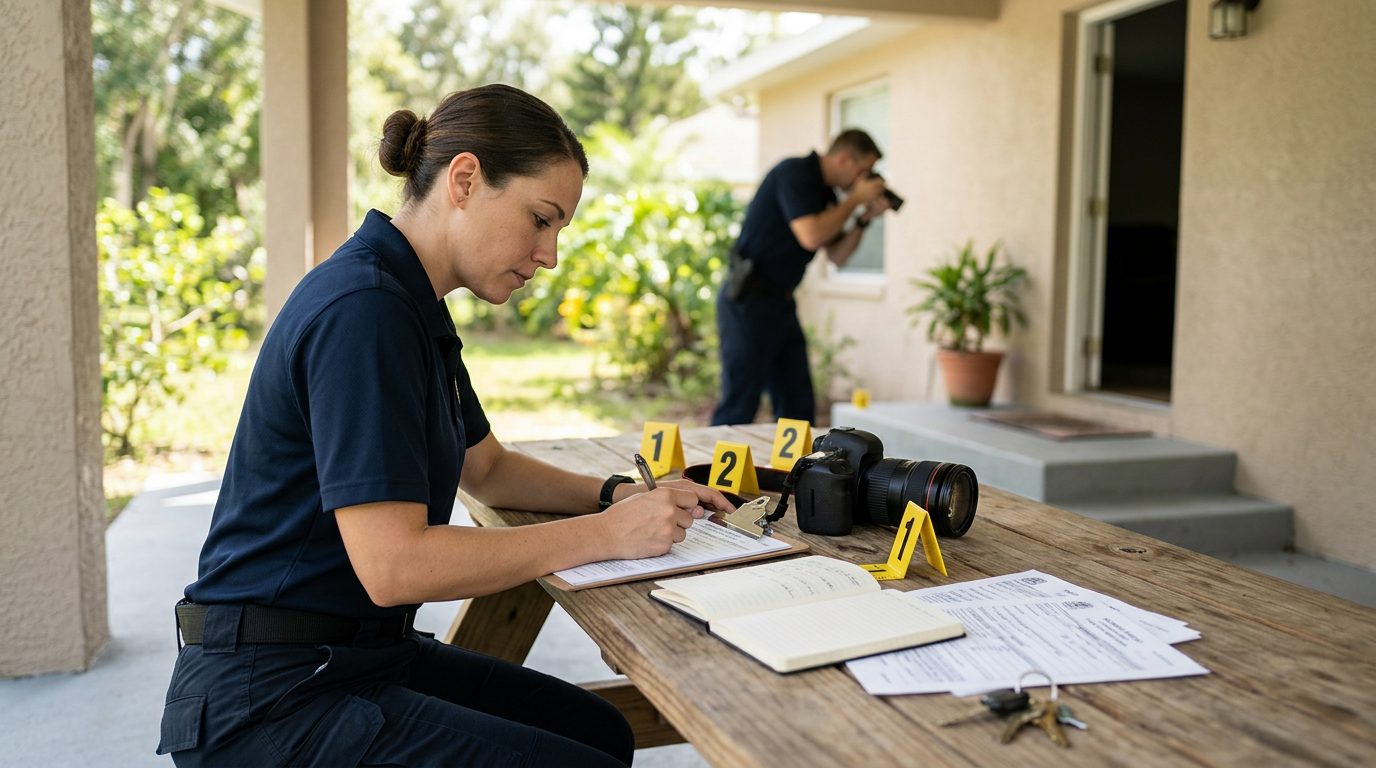
A case may begin with a report rather than an arrest. The report may come from the person who says they were harmed, a family member, a doctor, or a forensic exam. The investigation can run for a long stretch before anyone is charged.
Investigators may gather several kinds of evidence. They interview the people involved and any witnesses. They may pull phone records, messages, and social media. They may also collect medical or forensic records. Each step depends on someone returning a call or sending a document.
Forensic lab results can cause delay. Testing takes scheduled lab time, and a report may not reach the file right away. A slow lab does not mean nothing is happening.
Some people learn of an investigation before any arrest. Others are arrested with little warning. An arrest does not mark the start or the end of the investigation.
One rule can stretch the timeline in a way many people don’t expect. Under § 775.15, when a sexual battery victim is under 18, the limitation period may not start until the victim turns 18 or the violation is reported to a law enforcement or other government agency, whichever comes first. The statute also provides that prosecution for certain sexual battery offenses involving a minor victim may be commenced at any time, so the time limit in a given case depends on the specific offense, its facts and applicable law. A prosecution for a capital or life felony may also begin at any time.
A common mistake is assuming that quiet means the case is closed. Silence can mean the file is still moving.
Stage Two: First Appearance, Bond, and Early Court Dates
After an arrest, the first court hearings set the early conditions of the case. Those conditions can shape daily life right away.
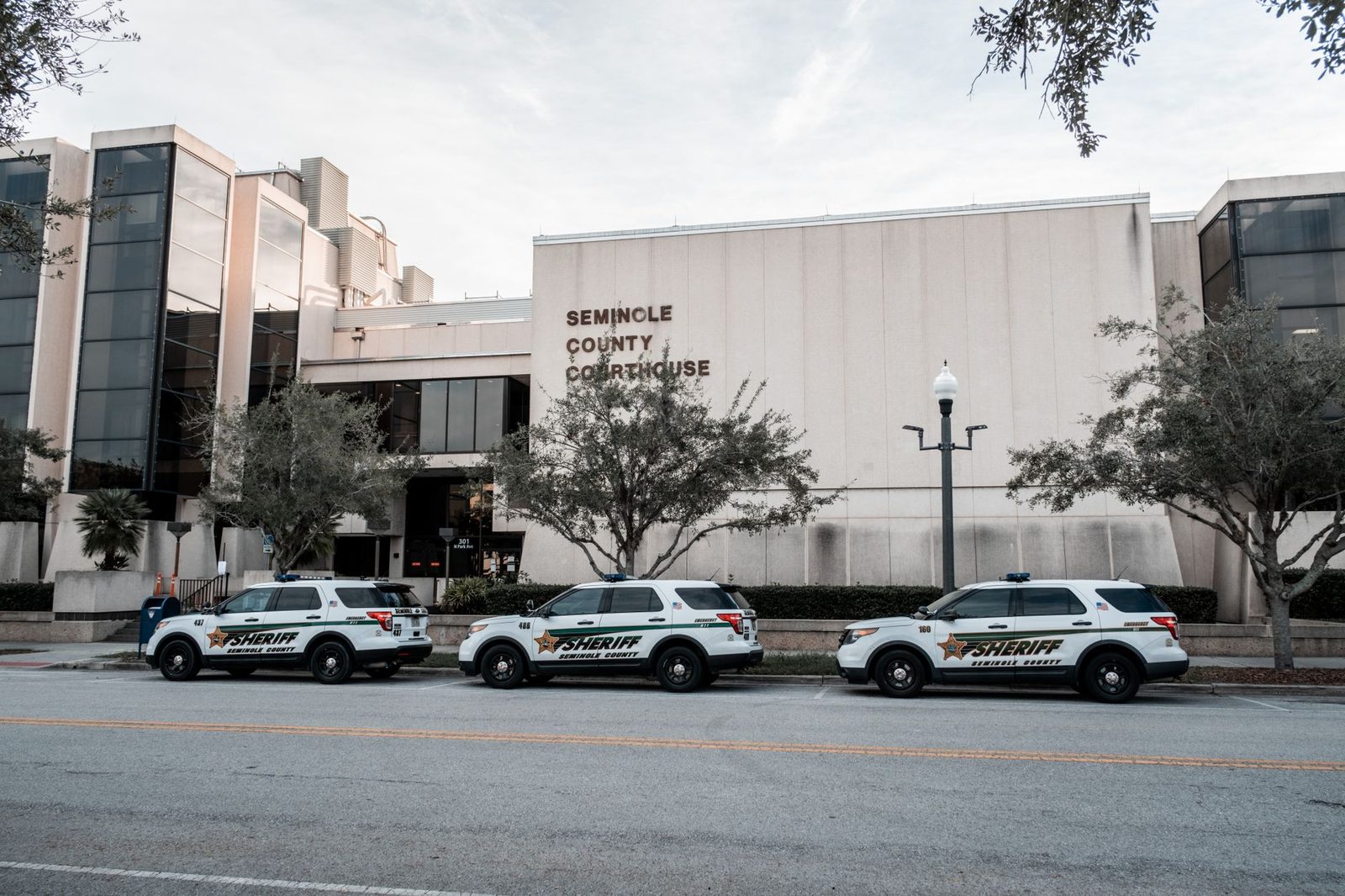
Bond and release terms depend on the judge, the charge, and the court. This guide does not name a schedule for any county, because the sources reviewed don’t set one. Miami-Dade cases fall under the Eleventh Judicial Circuit of Florida. Monroe County, which covers the Keys, falls under a different circuit. Check the notices from the clerk for the exact dates in your case.
Protective injunctions can move fast. Under § 784.046, within 24 hours after a court issues an injunction for protection against sexual violence, the clerk must send the petition, the notice of hearing, and any temporary injunction electronically to the sheriff or a law enforcement agency. That agency may then serve it on the respondent.
Depending on its terms, a no-contact or protective order may limit where a person sleeps or works and who they can see. Either side may ask the court to review or change the order, and whether the court can do so depends on the type of order and applicable law. Don’t assume an order is permanent, and don’t ignore one that has been served.
Stage Three: The State Attorney’s Charging Decision
Before a case becomes a formal court case, the State Attorney’s office reviews the file. That review takes time, especially while evidence is still arriving.
Under § 775.15, a prosecution on a charge the defendant has not yet been arrested or served on begins when a formal charging document is filed. The process must also be carried out without unreasonable delay. If the state cannot find the defendant after a diligent search, the court considers that when judging whether a delay was reasonable.
The statute also pauses the clock in some cases. The limitation period does not run while a defendant is continuously out of Florida or has no reasonably ascertainable home or work in the state. That pause cannot extend the period by more than 3 years.
A charging decision is not a forecast. A case can be filed, changed, or not filed, and the timing of that step does not predict how the case will end.
Stage Four: Discovery, Motions, and Pretrial Litigation
Discovery and pretrial motions can take considerable time, depending on the facts of the case. Each side needs the other side’s material before it can make its next move.
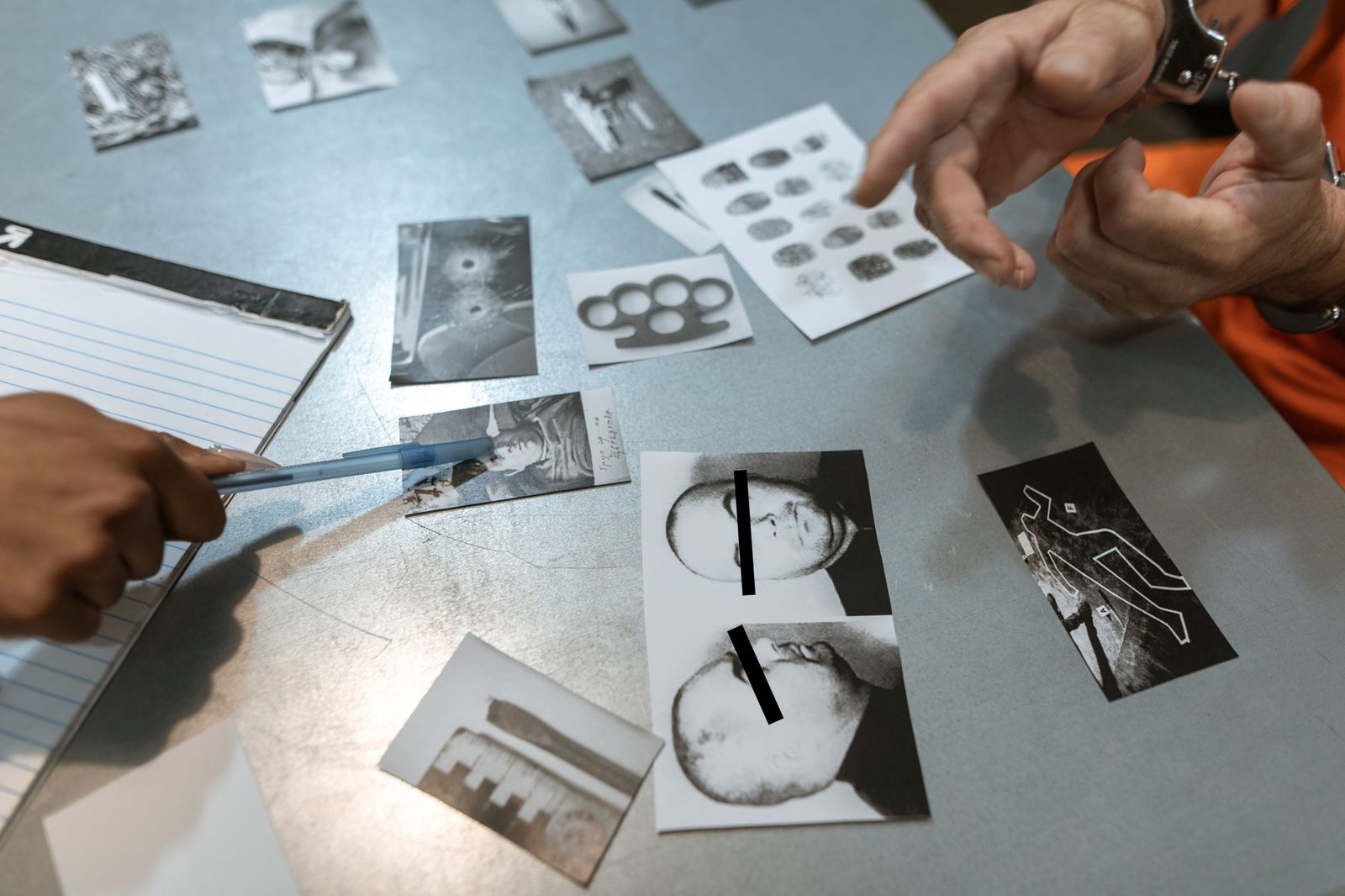
Discovery means the exchange of police reports, recordings, lab reports, and witness information. Each side reviews what it receives. Gaps lead to follow-up requests, and those requests take time.
The defense may file motions asking the court to limit or exclude certain evidence. Each motion needs a hearing date. Questions about forensic testing and witness scheduling can add more time. Witnesses may also be questioned before trial.
Pretrial intervention is a diversion path, but it is not open to every charge. Under § 948.08, the general pretrial intervention program covers a first offender, or a person previously convicted of not more than one nonviolent misdemeanor, who is charged with a misdemeanor or a third-degree felony, and admission remains subject to the statute’s consent and approval requirements and to the facts and applicable law. The defendant must also knowingly and intelligently waive the right to a speedy trial for the diversion period. Eligibility for pretrial intervention depends on the facts of the case and applicable law. Because that charge-level trigger is limited to misdemeanors and third-degree felonies, a person facing a sexual battery charge graded higher than a third-degree felony may fall outside the general program, depending on the specific charge and applicable law.
How the Case Ends: Plea, Dismissal, or Trial
When people ask how long a sexual battery case takes, the end point matters most. Cases usually end in one of three ways: a plea, a dismissal or reduced charge, or a jury trial. Each route moves at its own pace.
Plea talks often happen during pretrial work. They can end a case sooner, or they can stall while both sides exchange evidence. A dismissal or reduction can happen at more than one point, and no single timing applies.
Trial dates slip for many reasons. Court congestion, witness scheduling, forensic testing, large volumes of digital evidence like phone data and video, and issues involving more than one defendant can all push a date back. Once a trial begins, it may take several days.
Pace and result are separate questions. A fast case is not automatically a better or worse case. Don’t rely on any timing estimate you find online, including this one, to predict your case. Each timeline depends on the court and the file in front of it.
Not sure what your next step is?
Talk it through with our team — the first consultation is free, confidential, and carries no obligation.
Questions People Often Ask About Timing and Outcomes
Outcomes depend on the facts, the evidence, and the procedure in each case. The questions below cover common concerns.
Are sexual battery cases hard to win?
No single answer fits every case. The evidence, the procedure, and the facts in each file decide how a case moves, and this page gives no odds or success rates.
Can a sexual battery charge affect a professional license?
Florida’s professional discipline statute, § 455.227, lists grounds for discipline. Those include having a license acted against for a violation that would also violate Florida law. Penalties can include a reprimand, probation, or corrective action. For health professions, § 456.072 lists similar grounds. The text we reviewed does not list a charge alone as a ground. Our page on criminal defense for licensed professionals covers this in more detail.
Can a protective order be changed?
Yes. Under § 784.046, either the petitioner or the respondent may ask the court to modify or dissolve an injunction at any time.
What to Do While You Wait, and Talking With a Sexual Battery Defense Attorney
Waiting on an investigation or a court date is hard, especially when the case involves someone you love. Staying organized can make that stretch easier to manage.
Start by writing down the timeline of events while your memory is fresh. Note dates, names, and what was said. Keep every court notice, bond paper, and injunction in one place, and track each deadline.
Be careful about talking through the case with police or with the other person. Texts, emails, and social media posts can become evidence. If you are helping someone else, remember that the person charged makes the decisions about their own case.
Patrick Wilson Law, PLLC is a Miami criminal defense firm. It defends clients across South Florida, from Broward County to the Keys, including sexual battery matters. A matter may be referred to another lawyer or firm when that makes sense for the client.
If you’re waiting on a sexual battery case and the timeline still feels unclear, reach out to our Miami office for a free consultation. You can call 786-761-1719 or leave a message.
What Can Change the Pace of a Case
The Evidence
The volume and complexity of records, reports, and forensic material can affect how long each stage takes. Every case is different, and the evidence in yours may point to a different timeline.
The Court Calendar
Court dates depend on the court's schedule and on how the case is handled procedurally. Delays and continuances can occur, and their effect on your case depends on the circumstances.
Defense Preparation
Reviewing discovery, investigating the facts, and evaluating motions all take time. How much time is needed depends on what the case requires.
The Charges and Facts
The specific allegations, the stage the case has reached, and the applicable law all shape what happens next and when. General timelines cannot replace a review of your own case.
Timing Is Fact-Dependent
No stage described on this page follows a fixed schedule. Court dates, deadlines, and procedures depend on the facts of your case and applicable law. Read any paperwork you receive carefully and bring it to a consultation so Patrick David Wilson can review it with you.
The Stages at a Glance
1. Investigation
Law enforcement gathers information, statements, and evidence. The length of this stage depends on the complexity of the investigation and the facts involved.
2. Charging Decision
The prosecutor decides whether and what to file. This stage can take time, and its outcome depends on the evidence and applicable law.
3. Arraignment and Early Hearings
The first court appearances address the charges, release conditions, and scheduling. What is addressed at each hearing depends on the case and the court's procedures.
4. Discovery and Pretrial Motions
Both sides exchange evidence, and motions may be filed and argued.
5. Resolution or Trial
A case may be resolved before trial or proceed to trial. Possible outcomes and their timing depend on the facts of the case and applicable law, and no result can be predicted in advance.
Have Questions About Where Your Case Stands?
Related practice areas
- Sexual Battery Defense Attorney in South Florida | Patrick Wilson Law
- Sexual Battery Defense Attorney Cost in Florida

