
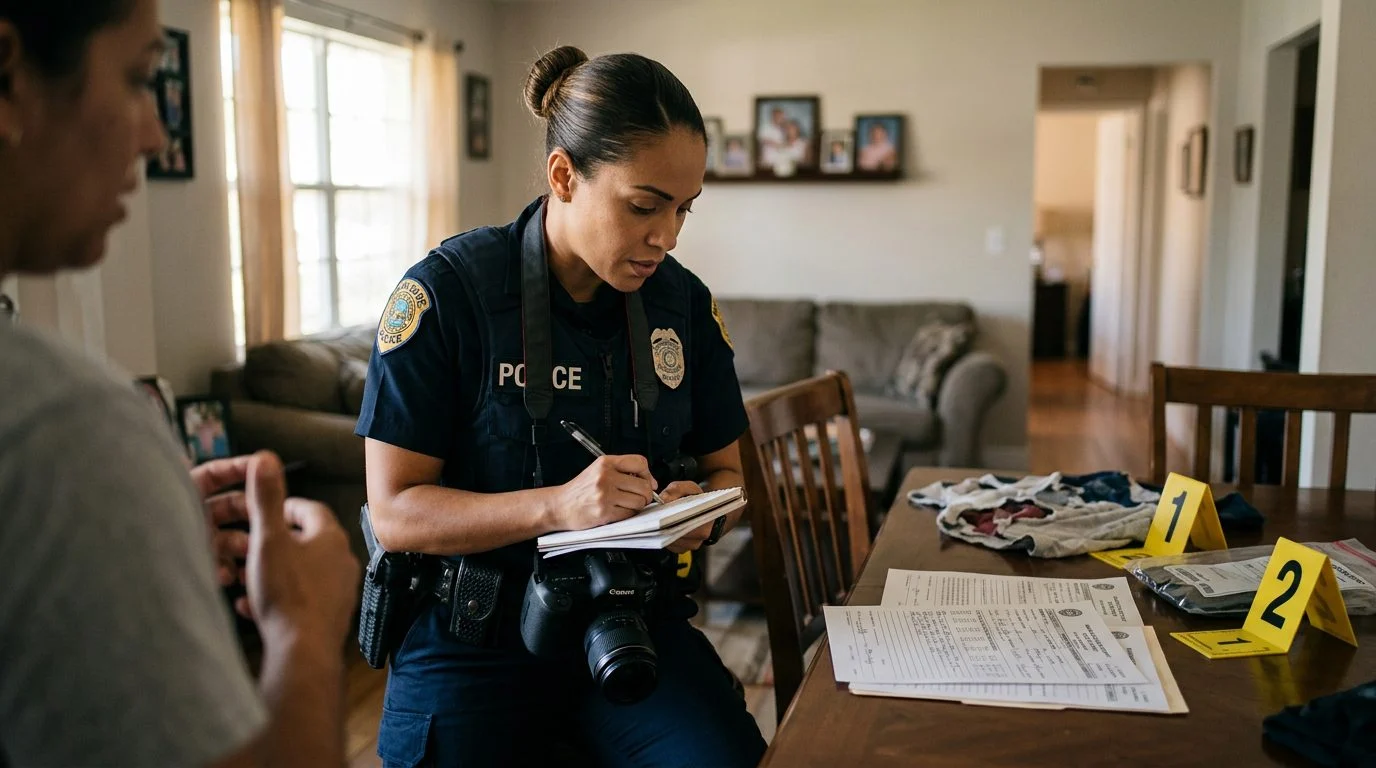
Sexual Battery Defense | Miami-Dade County
Sexual Battery Bond in Miami-Dade: How Release Works
Bond decides whether you can be released while your case is pending. Patrick David Wilson and our team at Patrick Wilson Law, PLLC explain the process in plain terms and help you prepare for the hearing.
Start with a clear picture
Free
First consultation, with no obligation to continue
Confidential
Your first conversation is private
Miami
Serving Miami-Dade, Broward and the Florida Keys
By Patrick David Wilson · Published November 4, 2026
After a sexual battery arrest in Miami-Dade, bond decides whether the person goes home while the case is pending. A judge makes that decision at the first appearance, which Florida rules require within 24 hours of arrest, except when the person was previously released in a lawful manner. This page explains how that hearing works, what a judge weighs, and which conditions often come with release. Patrick Wilson Law, PLLC, a criminal defense firm in Miami, offers a free, confidential first consultation (consulta inicial gratuita, confidencial y sin compromiso) if you are facing this now.
What a Sexual Battery Bond Is and Who It Applies To
A sexual battery bond is the money or set of conditions that lets a person leave jail while the charge is pending. Bail is the amount set for release. A bond is the promise, backed by money or property, that the person will return to court.
Under the Florida pretrial release rule, a person charged with most offenses is entitled to release on reasonable conditions. The exceptions cover capital offenses and offenses punishable by life, where proof of guilt is evident or the presumption is great (Fla. R. Crim. P. 3.131).
Bond is a release decision, not a finding of guilt. Posting bond does not mean the charge is true.
This section is for two readers: the person in custody, and the spouse, parent or adult child trying to understand the next 24 to 48 hours. The sections below put those steps in order.
If you were arrested for sexual battery and your first appearance is still ahead, our team can help you prepare your bond case before that hearing. Talk it through with our team — the first consultation is free, confidential, and carries no obligation.
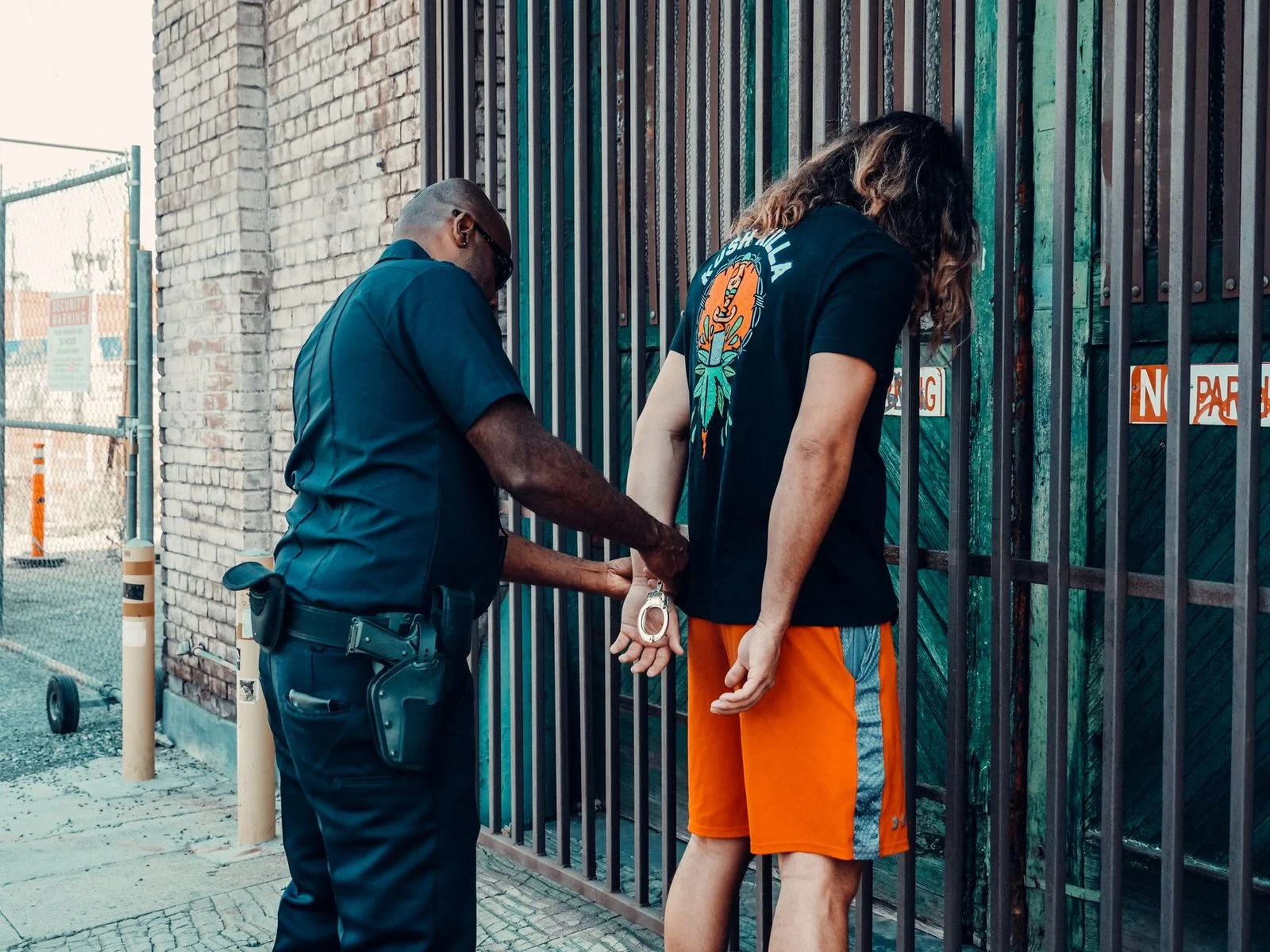
How Is Bond Set in Miami-Dade After an Arrest?
Bond is usually set at the first appearance, a hearing before a judge, but a person may be released on bail before that hearing under a local bond schedule. Florida rules require every arrested person, except one previously released in a lawful manner, to see a judge within 24 hours of arrest, in person or, in the court’s discretion, by audio-video technology (Fla. R. Crim. P. 3.130).
At that hearing, the judge must tell you the charge and give you a copy of the complaint. The judge must also say you do not have to speak, and that anything you say may be used against you. Keep that in mind before you talk to anyone at the jail.
Sometimes release happens before that hearing. A judge at first appearance can review that amount and set conditions.
If a judge sets monetary bond on several charges, the judge must set a separate and specific bail amount for each crime charged (Fla. R. Crim. P. 3.131).
Some charges carry a stricter rule. Under Fla. Stat. § 903.046, a defendant other than one whose only criminal charge is a misdemeanor offense under chapter 316, who must register as a sexual offender or sexual predator, is not eligible for release on bail or surety bond until the first appearance.
The Miami-Dade Clerk of the Court and Comptroller publishes information on how felony bond hearings are scheduled, including virtual formats. Check that information for your case’s hearing details.
Factors Judges Weigh in Sexual Battery Bond Decisions
A judge weighs the purpose of bond, the charge, the evidence, and your ties to the community. Under Florida law, the purpose of a bail determination is to ensure the defendant appears at later court proceedings and to protect the community against unreasonable danger from the defendant.
The court must consider the nature of the offense, family ties, length of residence, employment history, financial resources, and mental condition. In determining whether to release a defendant on bail or other conditions, the court must also consider the defendant’s past conduct and present conduct, including any record of convictions, previous flight to avoid prosecution, or failure to appear at court proceedings.
Failure to appear matters a great deal. A defendant who missed a required court date and later surrendered is not eligible for a recognizance bond, which is release on a promise to return with no money posted, unless the defendant proves circumstances beyond his or her control for the failure to appear, in which case the court has discretion over release conditions (§ 903.046).
Florida law also makes protecting the community the primary consideration. The Legislature states that intent in its pretrial detention statute (Fla. Stat. § 907.041).
A prosecutor may raise the alleged victim’s safety, prior arrests, or pending cases at the hearing. Records that show a stable address, steady work, and family support can help show ties to the community. The outcome depends on the specific charge and what the court hears.
Bond Conditions That Often Come With Release
Release often comes with conditions you must follow every day, not only at court. As a condition of pretrial release, a court may impose nonmonetary conditions such as requiring a defendant to maintain employment or, if unemployed, actively seek employment, to abide by restrictions on personal associations, place of residence, or travel, to comply with a specified curfew, and to refrain from excessive use of alcohol or any use of a narcotic drug or other controlled substance without a prescription from a licensed medical practitioner.
No-contact orders need close attention in sexual battery cases. When a court issues one, you cannot have contact of any kind with the alleged victim, except through pretrial discovery under the Florida Rules of Criminal Procedure. That includes contact through another person, including texts, social media, or a message passed along by a friend.
You also cannot come within 500 feet of the victim’s residence, vehicle, or workplace, even if you share a home. Your lawyer may still communicate with that person for lawful purposes, consistent with rules regulating The Florida Bar (§ 903.047).
The no-contact order takes effect right away. You must be told about it in writing before you leave custody. Ask a lawyer to go through your release order with you before you walk out of jail.
A violation can cost you your release. A court may revoke pretrial release and order detention if it finds probable cause of a new crime or a material violation of a condition (Fla. Stat. § 903.0471).
Conditions can change later. The court may modify a no-contact condition on the defendant’s motion if good cause is shown and the interests of justice so require, and the victim is permitted to be heard (§ 903.047).
What Patrick Wilson Law Does at the Bond Stage
Patrick Wilson Law works on the bond record early, so the court has accurate facts and workable conditions. Once the firm is retained, the work starts with the arrest report and the charging papers.
- Review the arrest report and charging documents with the client.
- Gather proof of ties to the community, such as employment letters, residence documents, family support, and records of past compliance with court orders.
- Prepare written arguments and proposed release conditions for the first appearance or a later bond hearing.
- Explain the next court date at every stage.
Our lawyers include Patrick David Wilson, the responsible lawyer for this page, and Sahara Fonseca. Our team also includes support staff who help with court paperwork and scheduling.
The firm is based in Miami and serves clients across Miami-Dade, Broward County, Fort Lauderdale, Hialeah, Kendall, Miami Beach, Homestead, and the Florida Keys. Bond work is one part of a broader sexual battery defense. No lawyer can promise a particular release decision.
Step-by-Step: From Arrest to Release
Most sexual battery bond cases move through five stages, and each has its own timing.
- Arrest and booking. Officers take the person into custody and the jail processes the paperwork.
- First appearance. Unless the person was previously released in a lawful manner, a judge sees the person within 24 hours of arrest, reviews bond, and states conditions (Fla. R. Crim. P. 3.130). Pretrial detention in Florida is governed by Fla. R. Crim. P. 3.132.
- Release happens once bond is posted or conditions are arranged, but at first appearance a judge must not grant nonmonetary pretrial release if there is probable cause to believe the defendant committed a dangerous crime listed in section 907.041, Florida Statutes.
- Pretrial release. Court dates and conditions stay in effect until the case ends.
- Modification or revocation. Hearings happen if circumstances change or a violation is alleged.
Ask about the next court date at every stage.
Not sure what your next step is?
Talk it through with our team — the first consultation is free, confidential, and carries no obligation.
Why Work With Patrick Wilson Law on a Sexual Battery Bond
Patrick Wilson Law is a Miami criminal defense firm. It focuses on criminal cases across South Florida, including sexual battery, DUI, domestic violence, and vehicular homicide.
The firm’s approach is clear communication. We give direct answers about the next court date. We start early on the bond record, because the first days after an arrest often shape the options that follow.
The firm has more than one lawyer and support staff. Patrick David Wilson is the responsible lawyer for this page, and Sahara Fonseca is also among the firm’s lawyers.
If your first appearance is still ahead, you can reach our team at 786-761-1719 or through our contact page.

Frequently Asked Questions About Sexual Battery Bond in Miami-Dade
Does posting bond mean the charge is true?
Bond is a decision about whether a person may be released while a charge is pending.
Can a judge deny bond for sexual battery?
Florida rules start from release on reasonable conditions. A judge can still deny or restrict release in some cases.
Can bond change after the first appearance?
Yes. A lawyer can ask the court to modify bond or conditions. The court may modify the no-contact condition only if good cause is shown and the interests of justice so require, and the victim is permitted to be heard on that change.
Call a lawyer before you respond.
What should I bring to a bond hearing?
Bring proof of employment, a residence record, family contact information, and any court papers you already received.
If you were arrested for sexual battery and your first appearance is still ahead, call 786-761-1719 or send us a message through our contact page. We can review your bond options before that hearing.
How we help with bond in a sexual battery case
Review the charging papers
We look at the arrest report, the charge and any bond paperwork so you understand exactly what is being decided.
Prepare for the bond hearing
We explain what the judge will ask, what information matters and how to present your ties to the community.
Address conditions of release
We discuss the conditions that may be set, such as contact limits, and help you plan to follow them.
Keep you informed
We explain each step in plain language so you know what to expect while your case is pending.
Bond is not a finding of guilt
Contact a lawyer early so the bond process is handled with your defense in mind.
Questions people ask about bond
What does bond decide?
Bond is a decision about whether a person may be released while a charge is pending. It is separate from the question of whether the charge is proven.
Can bond be denied?
A judge can deny or restrict release in some cases. Every case turns on its own facts, so the details of your situation matter.
Can bond change later?
Bond terms can be revisited as a case moves forward. Our team can review your options with you at a free consultation.
Why talk to a lawyer first?
Early advice helps you understand the hearing, avoid conduct that could cause problems and prepare the information that matters most.
Talk with Patrick Wilson Law about your bond questions. Your first consultation is free, confidential and comes with no obligation to continue.
Related practice areas
- Sexual Battery Defense Attorney in South Florida | Patrick Wilson Law
- Juvenile Sexual Battery Charge Miami-Dade: A Guide

