
Sexual Battery Defense · Miami-Dade County
Fighting for a Fair Bond in Sexual Battery Cases
Patrick Wilson Law represents clients in Miami-Dade, Broward and the Florida Keys facing sexual battery charges. Call 786-761-1719 for a free, confidential first consultation, with no obligation to continue.
By Patrick David Wilson · Published October 28, 2026
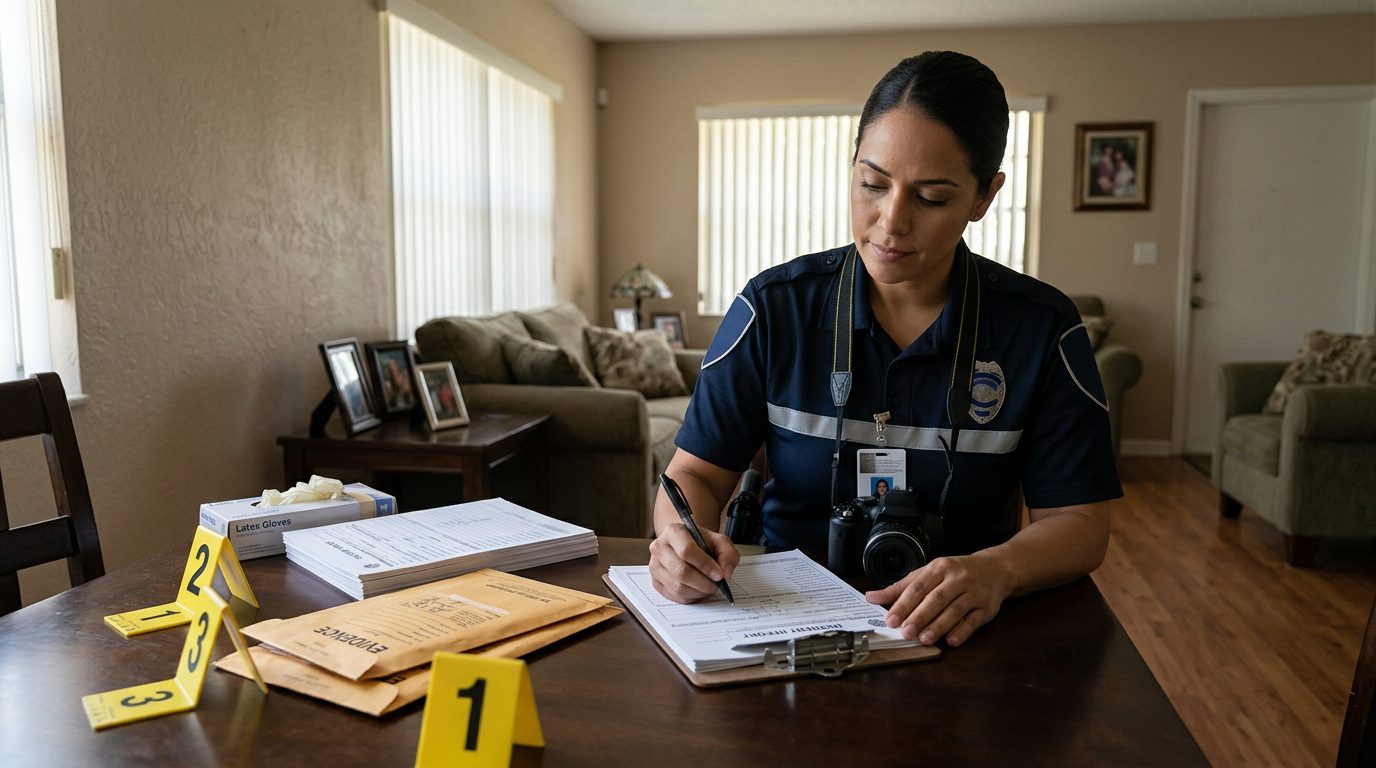
A sexual battery bond reduction is a request asking a Florida judge to lower the money needed for release, or to ease the conditions attached to it, while the case is pending. In Miami-Dade, bond is usually first addressed at the first appearance, which must happen within 24 hours of arrest. For a sexual battery bond reduction Miami-Dade case, this guide explains how judges decide, how a motion works, and what the timeline looks like.
What Bond Reduction Means in a Sexual Battery Case
Bond reduction means asking the court to lower the money required for release. It can also mean asking the court to change the conditions the defendant must follow.
- Bond amount: the sum the judge sets for each charge.
- Bond reduction: a request to lower that sum.
- Modification: a request to change release conditions, such as contact limits or travel rules.
This page is for two kinds of readers. The first is the person who was arrested. The second is a spouse, parent, or adult child who is coordinating the next steps.
Sexual battery is a felony in Florida. Fla. Stat. § 794.011 sets out the degrees. An adult who commits sexual battery on a child under 12 faces a capital felony charge, the most serious category. Some other sexual battery counts are first-degree felonies. Those carry a term of years up to life.
Bond questions often come up early. At the first appearance, the judge may know only the arrest report and the charge. The seriousness of the charge shapes everything that follows.
If someone you love is waiting on a bond hearing after a sexual battery arrest, we can talk through the options with you in a confidential conversation. Talk it through with our team — the first consultation is free, confidential, and carries no obligation.
How Judges Set Bond in Sexual Battery Cases
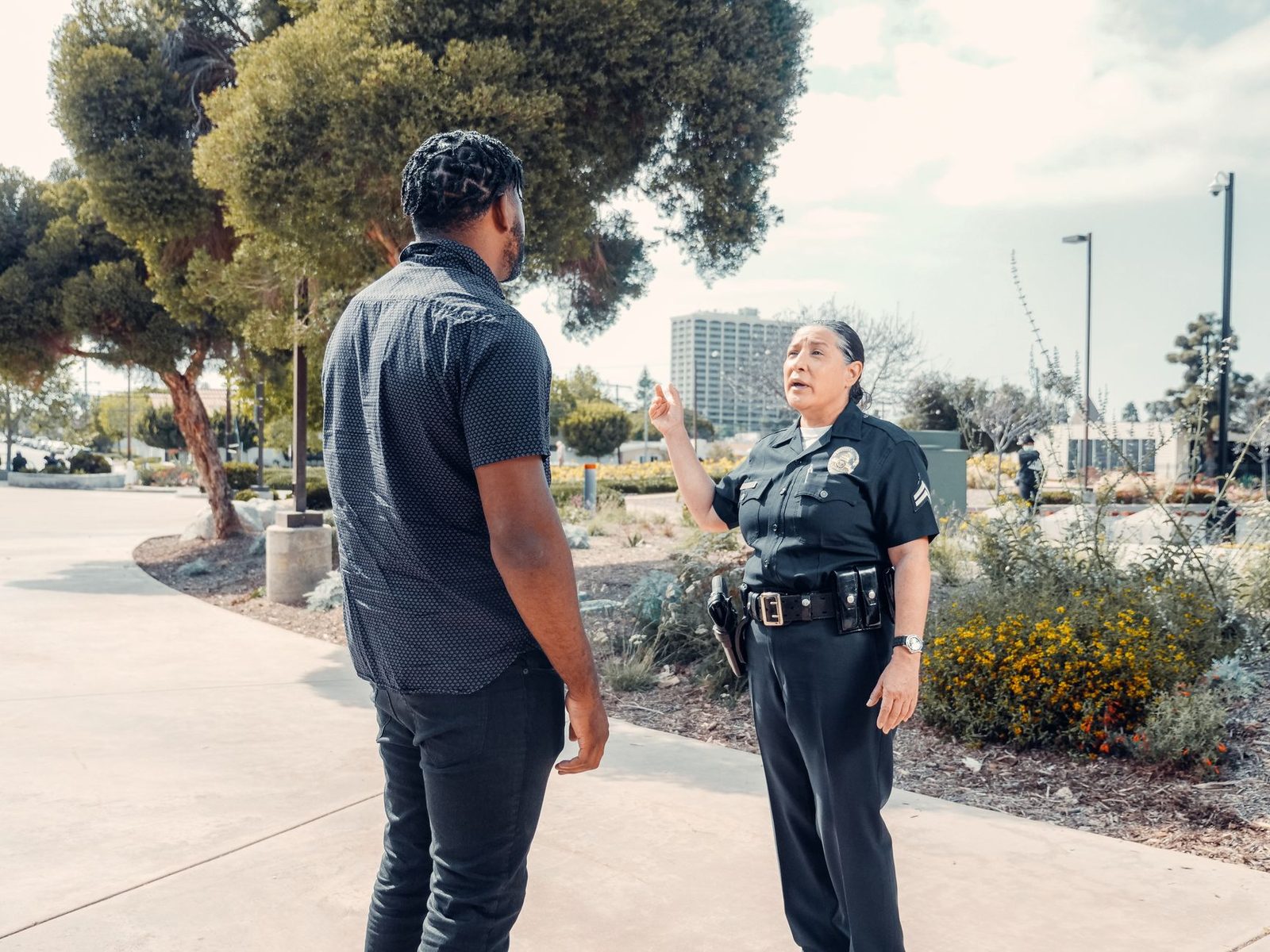
Judges weigh the danger to the community, the seriousness of the charge, and the defendant’s ties to home and work. Fla. Stat. § 903.046 lists the factors the court must consider. They include:
- The nature and circumstances of the offense
- The weight of the evidence
- Family ties, length of residence, and employment history
- Financial resources and mental condition
- Past and present conduct, including any prior convictions
- The nature and probability of danger to the community
- The nature and probability of intimidation and danger to victims
The last factor matters in sexual battery cases. The court pays close attention to any risk to the alleged victim. That is why a judge may set release conditions alongside money bond, or in place of it.
A judge at a first appearance is not bound by a bond schedule. The judge must set a separate and specific bail amount for each crime charged. Fla. R. Crim. P. 3.131 sets out these rules.
A first-time offender’s record can help. Stable housing, steady work, and family ties are facts a judge can check. Documents make those facts real. Outcomes depend on the facts of each case and the judge assigned.
Motions and Hearings to Reduce or Modify Bond
A bond reduction motion asks the judge to set a lower bail amount. A modification motion asks the judge to change conditions. Both start with the first appearance.
Fla. R. Crim. P. 3.130 requires every arrested person to be taken before a judge within 24 hours, except when previously released in a lawful manner. The hearing can be in person or by audio-video technology, at the court’s discretion. The judge must tell the defendant the charge.
Rule 3.131 also says a defendant’s application to modify bail on any felony charge must be heard by a court in person. Rule 3.131 requires that such an application be determined promptly.
Defense teams usually gather the same core papers before a hearing:
- Pay stubs or a letter from the employer
- A lease, deed, or other proof of residence
- Records of family ties and the home where the defendant would stay
- A written release plan that answers each condition the state requests
- Records showing any prior record, or the lack of one
Each paper answers a factor the judge must weigh. Clear proposals are easier for a judge to act on.
No-Contact Orders and Other Release Conditions
A no-contact order bars all contact with the alleged victim. That includes contact through other people. If a court issues an order of no contact, the defendant must refrain from any contact of any type with the victim, except through pretrial discovery under the Florida Rules of Criminal Procedure. Under the statute, no contact includes:
- Calling, texting, messaging, or posting online, directly or through a third person
- Physical or violent contact with the victim or the victim’s property
- If a court issues an order of no contact as a condition of pretrial release, the defendant must not be within 500 feet of the victim’s or other named person’s residence, even if the defendant and that person share the residence (Fla. Stat. § 903.047).
- Being within 500 feet of the victim’s or other named person’s vehicle, place of employment, or a specified place frequented regularly by such person.
The order takes effect immediately. It stays in force for the duration of the pretrial release or until the court modifies it. The statute also lets the defendant’s attorney communicate with the protected person for lawful purposes, consistent with rules regulating The Florida Bar.
Under Fla. Stat. § 784.046, a victim of sexual violence may petition the circuit court for an injunction if one of the listed conditions applies, such as having reported the sexual violence to law enforcement and cooperating in any criminal proceeding, whether or not charges were filed, reduced, or dismissed.
The court can change a no-contact condition. On the defendant’s motion, the court may modify it if good cause is shown and the interests of justice require. The victim must be allowed to be heard.
What to Expect: Step-by-Step Timeline
- Arrest and booking. Police take the person into custody and book them into jail.
- First appearance. A judge sees the defendant within 24 hours. Bond is first addressed here.
- Detention question. If the state informs the judge at first appearance that it intends to file a motion for pretrial detention, the defendant may be held for up to 4 days while the state files that motion. Fla. R. Crim. P. 3.132 sets out the first-appearance requirement for a person arrested for a dangerous crime listed in section 907.041, Florida Statutes, or an unauthorized alien arrested for a forcible felony, who must not be released from jail before first appearance.
- Motion and hearing. The defense files a reduction or modification motion with supporting papers. The court holds a hearing and rules.
- Compliance and review. The defendant must follow every condition. A court may revoke release if it finds probable cause of a new crime or a material violation of a condition.
Timing varies with court calendars. Families should plan for delays.
Why Patrick Wilson Law for Bond Work in Miami-Dade
Patrick Wilson Law, PLLC is a Miami criminal defense firm. It serves clients across South Florida, from Broward County to the Florida Keys.
Patrick David Wilson is the responsible lawyer for this page. The firm’s lawyers include Patrick David Wilson and Sahara Fonseca. Our team includes assistants and office staff who help with scheduling and paperwork.
The firm handles DUI, domestic violence, sexual battery, and traffic homicide defense. It focuses on first-time offenders and licensed professionals whose careers are affected by an arrest.
Our approach to bond work is practical:
- Early review of the charging papers and the reasons the state gives for conditions
- A focus on ties the court can verify, such as work, housing, and family
- Clear, specific release proposals the judge can act on
- Close attention to the no-contact terms, so the client knows exactly what is allowed
Not sure what your next step is?
Talk it through with our team — the first consultation is free, confidential, and carries no obligation.

Frequently Asked Questions About Sexual Battery Bond Reduction
Can bond be reduced for a first-time offender in Miami-Dade?
Yes, a request can be made in a sexual battery bond reduction Miami-Dade matter. The judge decides using the factors in § 903.046. No outcome can be promised.
Can a no-contact order be changed before trial?
Yes. The defendant can move to modify it. The court may modify the no-contact condition if good cause is shown and the interests of justice require it.
Do I need a lawyer at the first appearance?
The defendant can hire counsel. The judge must allow reasonable time to send for counsel before going forward.
What happens if a release condition is violated?
The court may revoke pretrial release and order detention. This can follow a finding of probable cause of a new crime or a material violation.
Is the first consultation free?
Yes. The first consultation is free, confidential, and carries no obligation to continue.
Waiting for a bond hearing after a sexual battery arrest is stressful. You don’t have to work through the steps alone. Call Patrick Wilson Law at 786-761-1719, or leave a message on our contact page.
How We Approach a Bond Reduction Request
Early Review of the Charges
We review the arrest report, the charging documents and your background early, so a bond request is built on the facts of your case.
Focused Advocacy at the Hearing
We present your ties to the community, your employment and your record to the judge, and we address the State's concerns directly.
Prompt Action
Time in custody matters. We move quickly to request a hearing and to keep you informed at every step.
Support for Your Family
We explain each step to you and your family in plain language, so everyone knows what to expect.
Do Not Discuss Your Case Before Speaking With a Lawyer
Statements made to police, to the alleged victim or on social media can be used in court. Speak with a defense attorney before you answer questions or contact anyone involved in the case.
What to Expect From Our Firm
Free First Consultation
Your first consultation is free, confidential and without obligation to continue.
Responsible Lawyer
Patrick David Wilson is responsible for this page. Our team supports every client's case from intake through court.
Miami-Dade and Beyond
We represent clients in Miami, Broward County, Fort Lauderdale, Miami Beach, Hialeah, Homestead, Kendall and the Florida Keys.
Leave Us a Message
If you cannot call right away, you can leave us a message and our team will respond as promptly as possible.

