
Sexual Battery Defense · Miami, Miami-Dade & Broward
Text Messages in a Florida Sexual Battery Case: How They Get Used
Patrick Wilson Law, PLLC focuses on criminal defense across South Florida. Text messages can help or hurt a sexual battery case, and how they were collected and what they say both matter.
By Patrick David Wilson · Published October 28, 2026
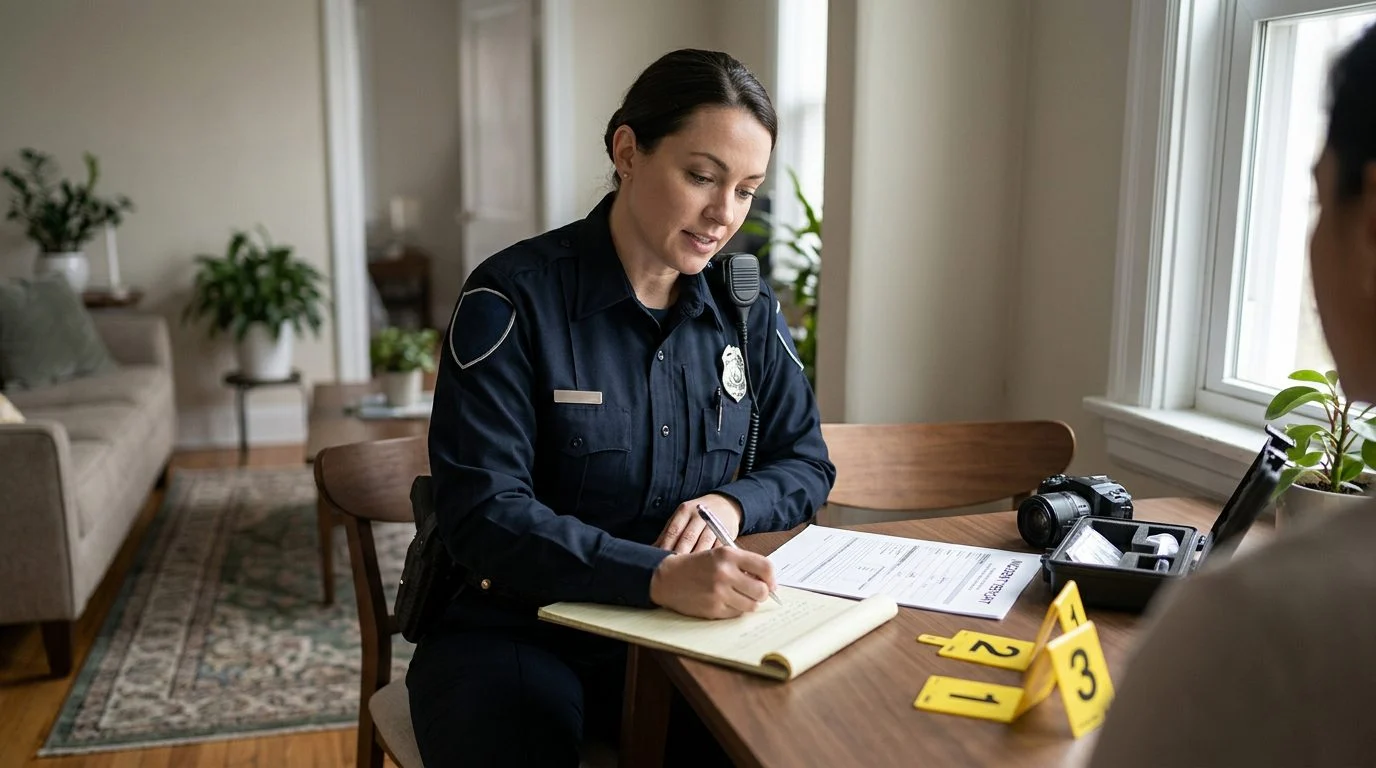
Texts and social media posts often sit at the center of a Florida sexual battery case. Investigators read them to build a timeline, and prosecutors use them to argue what happened. This page explains how digital evidence is collected, how it’s reviewed, and why acting early matters.
What Counts as Digital Evidence in a Florida Sexual Battery Case
Digital evidence is any information stored on a phone or online account that records communication or movement. The main types are text and messaging app content, social media posts, direct messages, photos and videos, call logs, and location data.
A single phone or account can hold a timeline of contact between the people involved. That’s why investigators treat it as central. They can see who reached out first, how often, and what happened before and after an event.
Sexual battery turns on consent. Florida law defines consent as “intelligent, knowing, and voluntary consent” and says it “does not include coerced submission” (Fla. Stat. § 794.011). So messages before and after a contact often get read closely. Tone, invitations, and replies can be used to argue whether the contact was wanted.
If police have asked for your phone or a message from that period is now being questioned, you don't have to face it alone; our team can talk it through at 786-761-1719. Talk it through with our team — the first consultation is free, confidential, and carries no obligation.
How Police Obtain Phones, Messages and Accounts
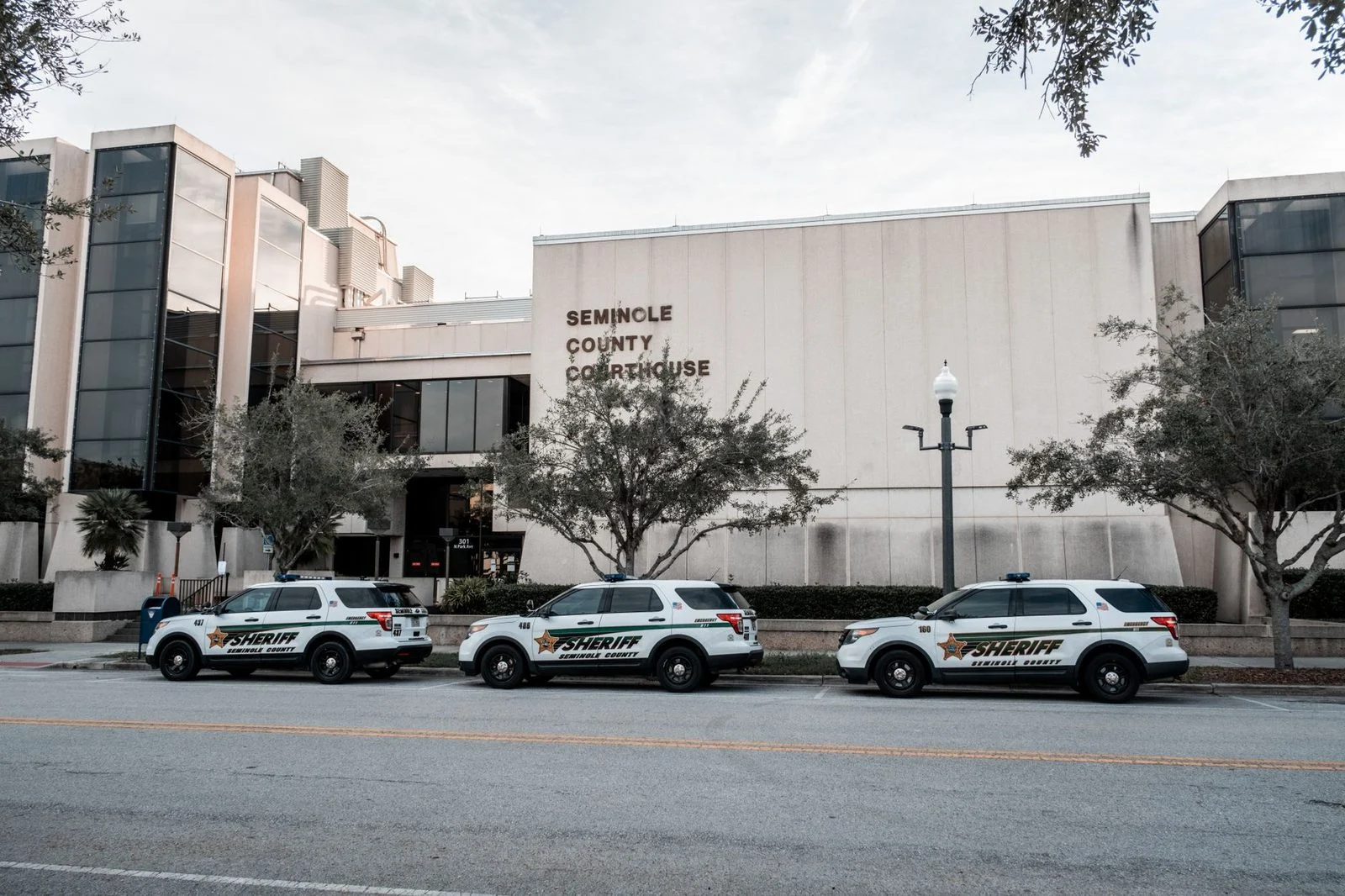
Police usually get phones and accounts through consent, a search warrant, or a request to a phone company or app provider. The route matters because it shapes what can be searched later.
When officers ask for a phone, you can ask whether they are requesting consent and whether they have a warrant. The answers affect what happens to the device next. Note who was present and what was said, as close to the moment as you can.
A defendant who believes evidence came from an unlawful search or seizure can challenge it. Under Florida Rules of Criminal Procedure 3.190, a motion to suppress must be in writing and signed, but the court may waive this requirement for good cause shown. It must state clearly the particular evidence or statements to be suppressed, the reasons for suppression, and the facts it rests on. If the judge grants it, the judge must, on request by either party, issue a written order.
Records held by a phone company or app provider are reached through formal legal process. That process can be reviewed too.
How Prosecutors Use Texts and Social Media
Prosecutors use messages to show a timeline. They look at prior contact, invitations, plans, and what happened around the alleged incident.
In any text messages sexual battery case Florida prosecutors bring, wording and frequency matter. A short reply can be read as friendly or as cold, depending on the argument. Sudden changes in how two people write to each other can also become a point of focus.
Social media adds more. Posts, tags, check-ins, and comments can place people together. They can also show what was said in public before or after an incident.
The same messages often support more than one reading. That’s why context becomes a central fight. A full conversation can tell a different story than a single screenshot.
Discovery is how the defense learns what the state has. Under Florida Rules of Criminal Procedure 3.220, once the defendant serves a Notice of Discovery, the prosecutor must, within 15 days, list the names and addresses of people known to have relevant information. Electing discovery also triggers a reciprocal obligation for the defendant.
What Phone Records and Location Data Can and Cannot Show
Call and text logs show who contacted whom and when. They usually don’t show what was said. The message content is a separate record, and it has to be reviewed on its own.
Location data is an estimate. Cell-site and location records can place a phone near a place at a given time. That is not proof that a particular person was there. A phone can be in a home, a car, or a friend’s apartment, and the person carrying it may not be its owner.
Records can mislead when read alone. Timestamps can reflect time zones or sync settings. Gaps can come from deleted items, device changes, or how data was saved. The full data set shows the pattern.
Contact can be proven without showing its meaning. A log can prove two numbers talked. It cannot show whether a conversation was welcome.
Whether Text Messages Can Be Used in Court
Text messages can be offered as evidence in court. A judge decides each question on the record in that case. Admission is not automatic.
Judges look at whether a message really came from the person the state says sent it. They also look at why it is offered. Using a message for its truth is different from using it to show a person’s state of mind. These questions are often argued before trial.
Consent is central, as the first section explained. The meaning of messages is argued, not assumed. Both sides may point to the same exchange to support opposite conclusions.
Pretrial challenges are raised by motion. Under Florida Rules of Criminal Procedure 3.190, every pretrial motion must be in writing and signed by the party or the attorney for the party, but the court may waive this requirement for good cause shown.
Why Preserving Digital Evidence Early Matters
Keeping the phone, accounts, and backups as they are is the first practical step. Content can change or disappear without anyone intending it.
Auto-delete settings, disappearing messages, device upgrades, and cloud sync can alter what a phone holds over time. A new phone may not carry older threads. A cloud backup may keep a version the phone no longer shows.
Avoid posting, editing, or deleting anything about the other person or the events. Deleting messages can make it harder to explain what was said. Don’t wipe or reset a device to “clean it up.”
Early preservation lets a defense team request and compare the same data the state uses. Rules like Florida Rules of Criminal Procedure 3.220 govern what the state must share. The full thread matters more than selected screenshots.
Not sure what your next step is?
Talk it through with our team — the first consultation is free, confidential, and carries no obligation.
Why Early Review of the Messages and Data Matters
Early review builds a timeline before interviews or charging decisions shape the story. A full thread, with dates and platforms, shows what came before and after the messages the state quotes.
Early review also shows what’s missing. Screenshots often leave out context. A question, a reply, and a sudden change of subject can change the meaning of the whole exchange.
It also checks how the evidence was gathered. The review asks whether a search stayed within a warrant or consent. If it didn’t, a written motion may be the next step.
The Florida Courts sexual violence benchbook covers sexual battery definitions, offenses, penalties, procedures, and jury issues in Florida court practice. It’s a helpful reference for how these cases move through court.
Talking about messages before a lawyer reviews them carries risk. Statements to police and posts on social media can be used later. Pause before explaining the messages to anyone.
How a Defense Team Responds to Digital Evidence
A defense team typically asks for full extraction reports, tests whether messages are authentic and complete, and reviews whether the search was lawful. Each step builds the record the judge will see.
Subpoenas for records and tangible items can also be challenged. Under Florida Rules of Criminal Procedure 3.361, a person served with a subpoena for books, papers, documents, or tangible things may move to quash or modify it before the compliance time. The court may quash or modify a subpoena that is unreasonable and oppressive.
Motions to limit or exclude digital evidence are decided by the judge on the record. No result can be promised in advance. How a defense responds depends on the facts, the charges, and the evidence the state has.
A defense team tests the state’s version of events. That work starts with the device and the accounts, which is why early contact helps.
Talk With Patrick Wilson Law About Your Phone and Messages
If your phone, messages, or posts are part of a sexual battery investigation, you don’t have to sort out the timeline alone. Patrick Wilson Law, PLLC is a Miami criminal defense firm. It defends people across South Florida, including Miami-Dade County, Broward County, and the Florida Keys. Our sexual battery defense attorney page covers the firm’s work in this area.
Maybe police have asked for your phone. Maybe a message can be read two ways. Maybe a post from that period is now part of the case. These are the points where early review and preservation matter most.
Common Questions
Are text messages in a Florida sexual battery case always admitted?
Not automatically. A judge decides whether each message can be used, based on the record in that case.
Can police search my phone in a Florida sexual battery case?
Police may ask for consent or seek a warrant. How they got access can matter later in the case.
Can deleted texts be used in a Florida criminal case?
Deleted texts may sometimes be recovered from a device or backup. Keep devices and accounts as they are.
The firm offers a free first consultation. It is confidential and carries no obligation to continue. Call 786-761-1719 or send a message through our contact page.
This page is the responsibility of Patrick David Wilson, Patrick Wilson Law, PLLC, Miami, Florida.
How Our Firm Approaches Text Message Evidence
Reviewing the full thread
We look at the entire conversation, including the messages before and after the ones the other side is relying on, so the context is clear.
Questioning how phone data was obtained
We examine whether a phone was searched with consent or under a warrant, and whether that process followed the law.
Testing authenticity
We check who sent each message, when it was sent, and whether the copy presented in court matches the original device data.
Serving South Florida clients
Our criminal defense work covers Miami, Miami-Dade, Broward, Fort Lauderdale, the Florida Keys and surrounding communities.
Important: Be Careful With Your Phone
Do not delete messages, change your phone settings, or reply to the other person about the accusation. Anything you send can become evidence. Talk with a criminal defense lawyer before you respond to police or anyone involved.
Common Ways Text Messages Enter a Case
Screenshots from the complainant
Prosecutors often rely on screenshots provided by the other party. We review whether these images are complete and accurate.
Phone extraction by police
Investigators may download data from a phone. The method, the scope of the search and the legal authority behind it can all be challenged.
Carrier and cloud records
Some messages are stored by phone carriers or cloud services. Records from these sources raise their own questions about accuracy and access.
Messages from your own phone
Your messages can support your account of events, but they can also be taken out of context. We help show the full picture.
Facing a Sexual Battery Charge in South Florida? Your First Consultation Is Free.
Related practice areas
- Sexual Battery Defense Attorney in South Florida | Patrick Wilson Law
- Sexual Battery Defense Attorney in Miami-Dade County
- Sexual Battery Defense Attorney in Broward County
- Miami Sexual Battery: What Mentally Incapacitated Means

