
Elements of Battery in Florida: What the State Must Prove
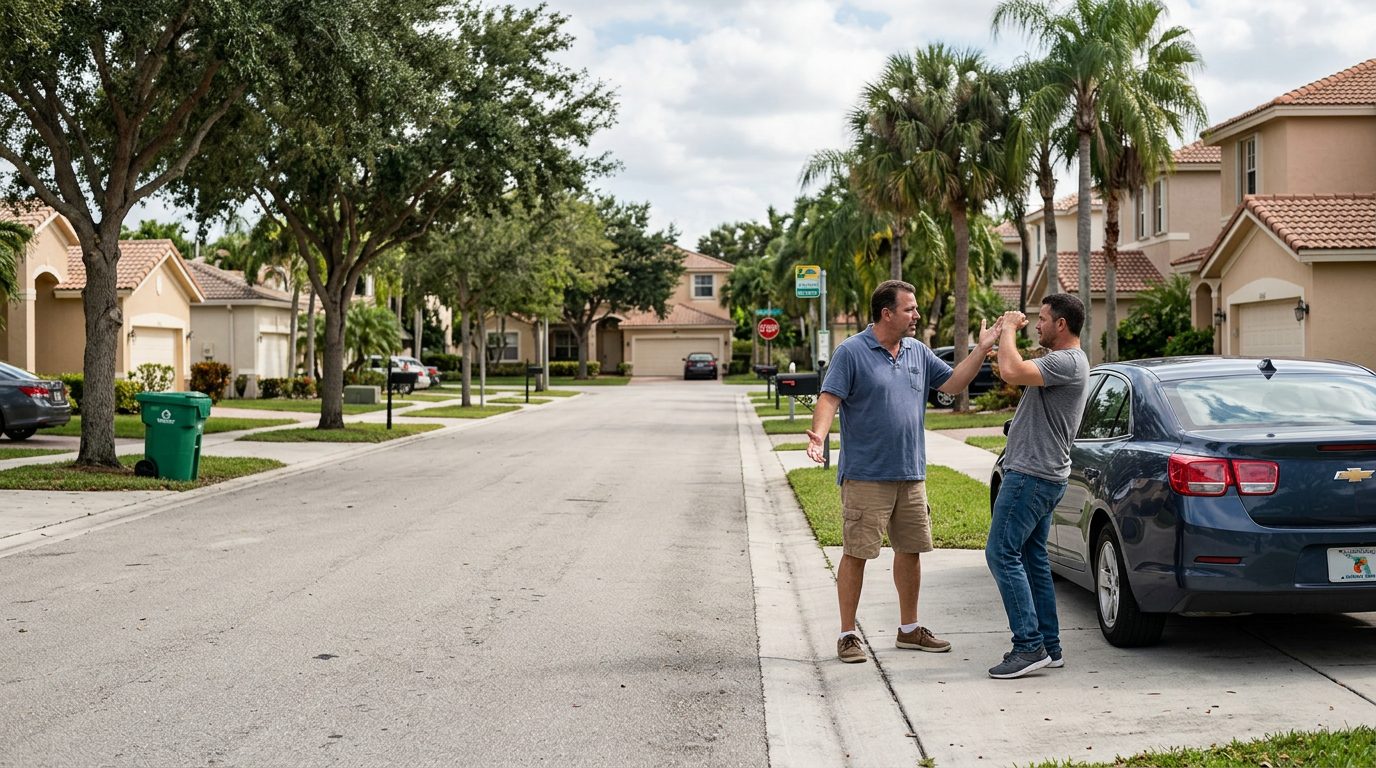
Here is how Florida law frames that moment, and how Miami-Dade, Broward and Keys cases are often built.
By Patrick David Wilson · Published November 21, 2026
If you are facing a domestic violence charge, the first question is what the law actually covers. Under Fla. Stat. § 741.28(2), domestic violence means any assault, aggravated assault, battery, aggravated battery, sexual assault, sexual battery, stalking, aggravated stalking, kidnapping, false imprisonment, or any criminal offense resulting in physical injury or death of one family or household member by another family or household member. Battery itself, whether or not it is charged as domestic violence, is defined in Florida Statute 784.03. Under that section, battery occurs when a person actually and intentionally touches or strikes another person against the will of the other, or intentionally causes bodily harm to another person, and these are the core elements the state must prove in a battery case.
This page walks through each element in plain words. It also explains how battery differs from assault and sexual battery, what penalties apply, and how family relationships can change the picture. If you’re dealing with a charge in Miami-Dade, Broward County, or the Florida Keys, the same statute applies.
What Florida law means by battery
Florida defines battery in Chapter 784 of the Florida Statutes, in Section 784.03. The statute describes specific conduct, not a general idea of wrongdoing.
When a charge doesn’t match the statutory words, the question becomes whether the facts fit one of the two routes.
Sexual battery is a separate crime. The firm’s sexual battery defense overview is a good starting point if that’s the charge you’re reading about.
The two ways the statute defines battery
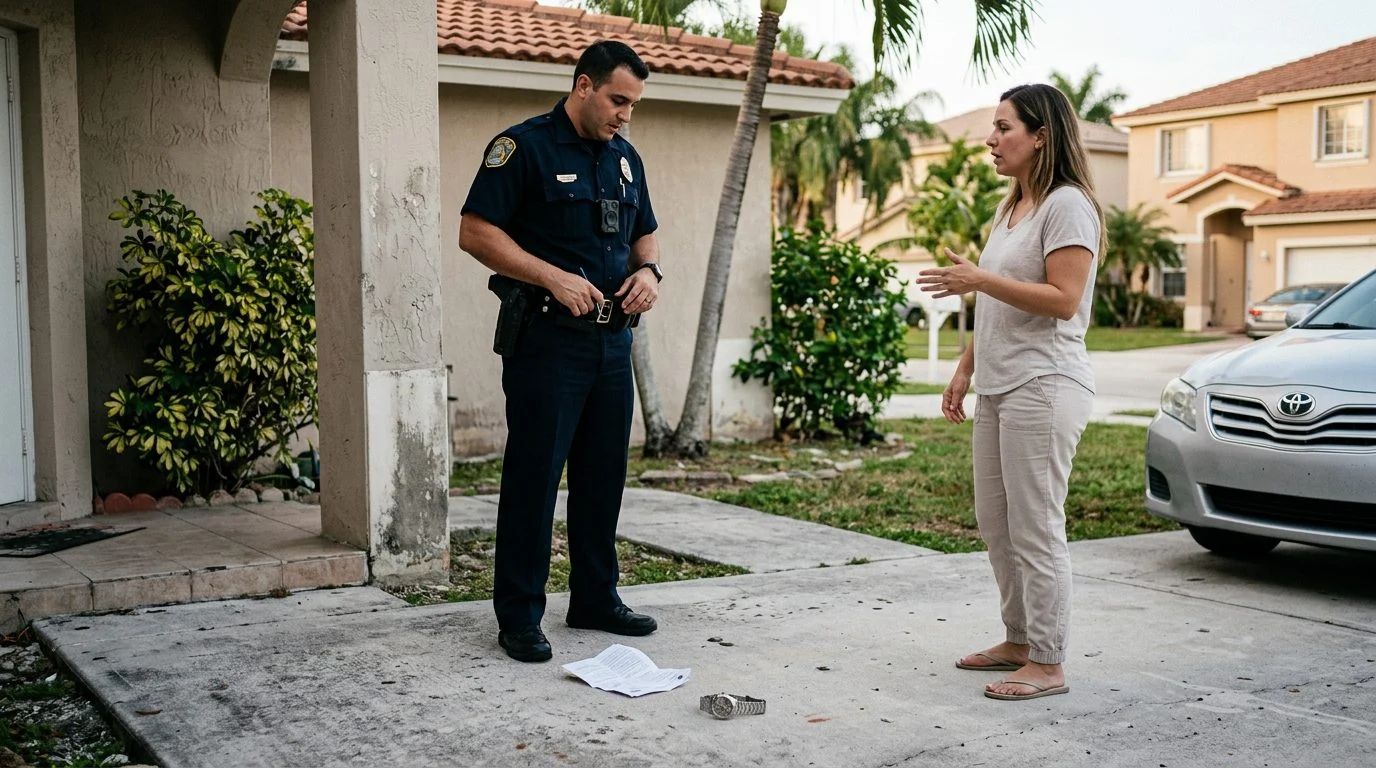
Battery can happen in two ways, and either one is enough. Section 784.03 lists both routes.
The first route is actually and intentionally touching or striking another person against that person’s will. A touch can meet this route with no injury at all. A shove or an unwanted grab can qualify even if nobody gets hurt.
The second route is intentionally causing bodily harm to another person. This route doesn’t depend on a touch or strike. It focuses on the harm itself.
The word “intentionally” describes the conduct. The state must show the person meant to make the contact or cause the harm. A common mistake is assuming that a brief, unplanned contact falls outside the law. Under the first route, the question is whether the contact was intentional and against the other person’s will.
Who counts as “another person” and what “against the will” means
The conduct must be directed at another person.
“Against the will of the other” means the contact happened without that person’s agreement. Agreement can be central to the question. Who said what, and whether anyone agreed, often matters a great deal.
Context often decides these questions. Who the people are, where the event happened, and what led up to it can all shape how the facts are read. A related statute, Florida Statute 794.011, defines consent as intelligent, knowing, and voluntary. It says consent does not include coerced submission. That definition applies to sexual battery, but it shows how Florida law treats agreement.
Battery, assault, and sexual battery: how they differ
Battery requires actual touching, striking, or bodily harm. Assault works differently.
- Battery: actually and intentionally touching or striking another person against that person’s will, or intentionally causing bodily harm to another person. (Florida Statute 784.03) (Florida Statute 784.03)
- Assault: an intentional, unlawful threat by word or act, with an apparent ability to carry it out and a well-founded fear that violence is imminent. (Florida Statute 784.011)
- Sexual battery: a separate offense in Chapter 794, built around sexual conduct and consent. (Florida Statute 794.011)
Assault is a misdemeanor of the second degree under the assault statute. Police reports and charging papers sometimes use these words loosely.
Is battery a misdemeanor, and what are the penalties?
Yes. Basic battery is generally a misdemeanor of the first degree. A misdemeanor can carry a term of up to one year in a county correctional facility, under Florida Statute 775.08. Under Fla. Stat. § 775.08(2), a misdemeanor is any criminal offense punishable under Florida law by a term of imprisonment in a county correctional facility, except an extended term, not in excess of 1 year. Under Florida Statute 775.083, the fine for a first-degree misdemeanor cannot exceed $1,000 unless a higher amount is specifically authorized by statute or equals double the pecuniary gain or loss.
A second or later battery after one prior conviction for battery, aggravated battery, felony battery, or resisting an officer with violence is a third-degree felony.
Here’s a point many people miss. The statute defines “conviction” to include a withheld adjudication or a plea of nolo contendere. A withhold doesn’t erase a prior plea for purposes of this rule.
Under Florida Statute 784.045, aggravated battery is a second-degree felony.
Can you get probation for misdemeanor battery in Florida?
Yes, a court can impose probation, but the judge decides. A state court may hear and decide the question of probation for a defendant found guilty by verdict, plea, or bench trial, under Florida Statute 948.01. Fla. Stat. § 948.01 reads: “(1) Any state court having original jurisdiction of criminal actions may at a time to be determined by the court, with or without an adjudication of the guilt of the defendant, hear and determine the question of the probation of a defendant in a criminal case, except for an offense punishable by death, who has been found guilty by the verdict of a jury, has entered a plea of guilty or a plea of nolo contendere, or has been found guilty by the court trying the case without a jury.”
Judges look at the whole case. A first offense with no prior record, and the details of the incident, are part of what the court weighs. The statute gives the court the decision, so the outcome is never automatic.
Not sure what your next step is?
Talk it through with our team — the first consultation is free, confidential, and carries no obligation.
Battery charges within families and households
When the people involved are family or household members, the same conduct can be charged as domestic violence. Florida’s domestic violence definition includes battery between family or household members.
A family or household member includes spouses, former spouses, and people related by blood or marriage. It also includes people who live or have lived together as a family, and parents of a child in common. Most of these people must live or have lived in the same home. Parents of a child in common don’t need to share a home.
The relationship can change how a case is filed and handled. Patrick Wilson Law also handles domestic violence defense, which is a separate practice area from the basic battery rules on this page.
Frequently asked questions
What are the elements of battery in Florida?
Battery has two routes. The first is actually and intentionally touching or striking another person against their will. The second is intentionally causing bodily harm to another person.
Does battery require an injury in Florida?
No. Touching or striking another person against their will is enough under the first route.
Is battery a misdemeanor in Florida?
Basic battery is generally a first-degree misdemeanor. It carries up to one year in county jail and a fine up to $1,000.
The FDLE DNA database page explains the process.

Talk with a Miami criminal defense firm about your situation
A battery allegation can arrive without warning. A police report, an arrest, a protective order, or a court date can leave you trying to understand what the state must prove while you’re still reeling. You may be reading this for yourself, or for a partner, relative, or friend.
The facts decide how each element applies to a particular situation.
Patrick Wilson Law, PLLC is a Miami criminal defense firm. Patrick David Wilson is the responsible lawyer for this page. A free first consultation is confidential and carries no obligation to continue. Call 786-761-1719 or leave a message through our contact page.
Why Clients Contact Patrick Wilson Law
South Florida Focus
Our criminal defense practice serves Miami, Miami-Dade County, Broward County, Fort Lauderdale, the Florida Keys and surrounding communities.
Attention for First-Time Offenders
We regularly defend people facing their first criminal charge and licensed professionals whose careers are at stake.
Confidential Conversations
Your first consultation is free and confidential, and you can speak with our team about what happened before you decide anything.
Before You Talk to Anyone About the Incident
Statements to police, messages to the other person and social media posts can all become evidence. Speak with a criminal defense lawyer before you give a formal statement or contact the person involved.
Information That Helps Your Defense
Write Down Your Account
Record what you remember while it is fresh, including who was present, where you were and what was said. Share it only with your lawyer.
Preserve Evidence
Photos, video, text messages and call logs can show the nature and context of any contact. Do not delete anything.
Identify Witnesses
Names and contact details of people who saw the incident can matter as much as the physical facts.
Keep Records of Injuries
Medical records, photographs and treatment notes can help show how much physical harm, if any, was involved.

