
Miami Criminal Defense | Battery Charges
Miami Battery Charge Evidence: What Prosecutors Must Prove
Knowing which elements the State has to establish can help you understand where a charge is strong, where it is weak, and what questions to raise with your lawyer.
By Patrick David Wilson · Published November 20, 2026
If you are asking what evidence is needed for a battery, the short answer is evidence that proves each element of the charge. For simple battery, that means an intentional touch or strike against another person’s will, or intentional bodily harm. For sexual battery, it means oral, anal, or female genital penetration by, or union with, the sexual organ of another, or anal or female genital penetration by any other object, without consent; however, it does not include an act done for a bona fide medical purpose. This guide explains the common types of evidence and what each one tends to show. It is general information, not legal advice. Patrick Wilson Law, PLLC focuses on criminal defense in Miami and across South Florida.
What a battery charge means under Florida law
A battery charge in Florida requires proof of an intentional touch or strike against the other person’s will, or an act that intentionally causes bodily harm, as set out in Fla. Stat. § 784.03. A first battery is generally a first-degree misdemeanor. A later battery can become a third-degree felony if the person has one prior conviction for battery, aggravated battery, felony battery, or resisting an officer with violence. The statute counts a withheld adjudication or a no-contest plea as a conviction for that purpose.
Sexual battery is a separate offense under Fla. Stat. § 794.011. It involves oral, anal, or female genital penetration by, or union with, another person’s sexual organ. It also covers penetration by another object. The statute excludes acts done for a bona fide medical purpose.
The two offenses rest on different proof. This page focuses on the evidence used in both kinds of cases. For the broader framework, see the sexual battery defense page on this site.
Your first consultation is free, confidential, and carries no obligation to continue. Talk it through with our team — the first consultation is free, confidential, and carries no obligation.
The elements the evidence has to prove
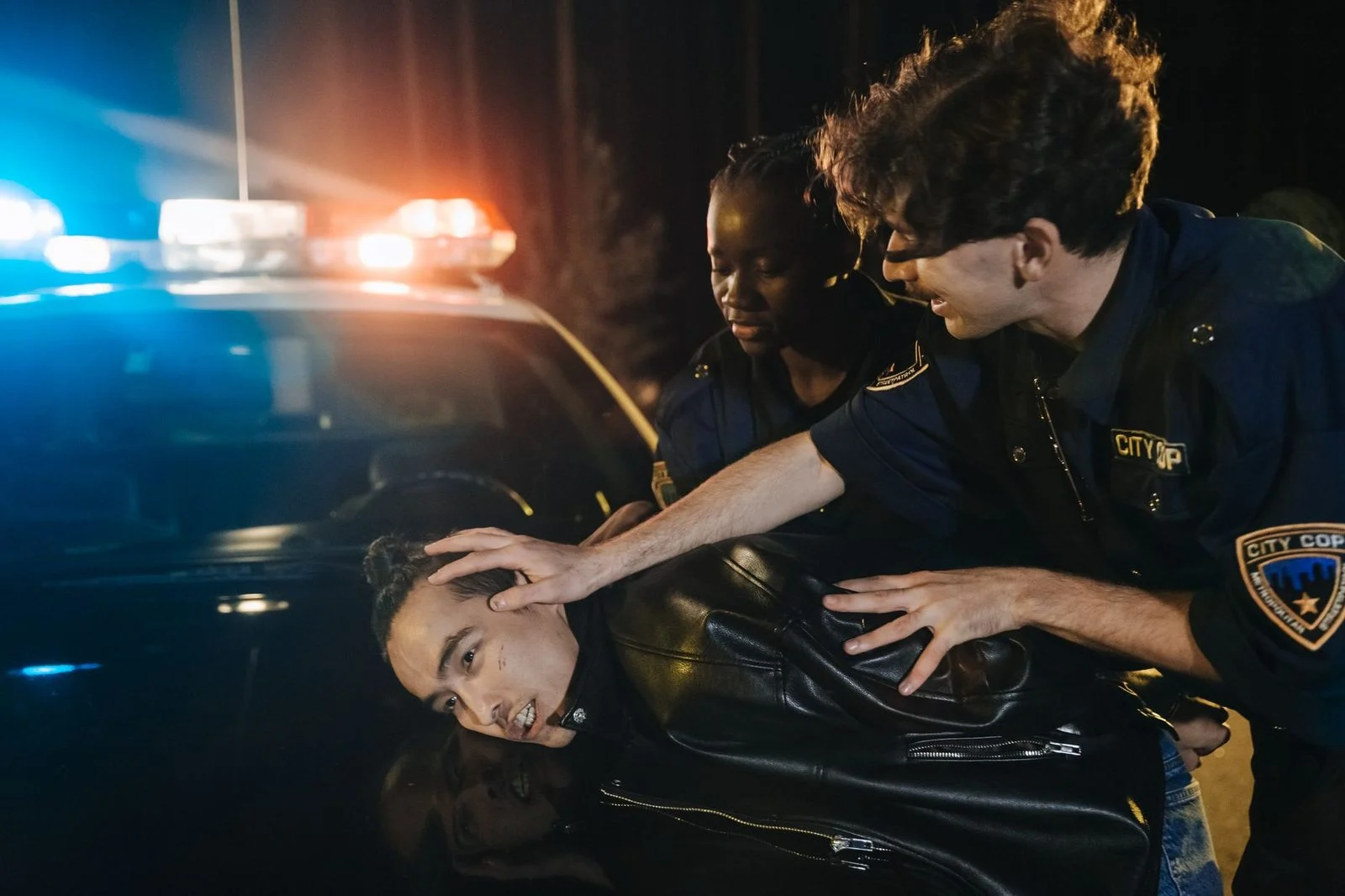
Elements are the parts the State must prove. For simple battery, the first option is an actual and intentional touch or strike against another person’s will. The second option is intentionally causing bodily harm. A simple touch does not need serious injury to fit the first option.
For sexual battery, the core elements are the sexual act, the absence of consent, and any force, threat, or helplessness the statute requires. Under § 794.011, consent means intelligent, knowing, and voluntary consent. It does not include coerced submission. The statute also says a failure to physically resist is not the same as consent.
The statute lists circumstances the State may rely on. One is a victim who is physically helpless to resist. Another is coercion through a threat of serious harm the victim reasonably believes can happen now. A third is coercion through a threat to retaliate against the victim or any other person, which the victim reasonably believes the offender can carry out in the future.
Each type of evidence below tends to support or challenge one of these elements. A gap in one element can matter as much as strength in another.
Witness testimony and the complainant’s account
The complainant’s account is often where a case starts. When officers investigate alleged dating violence, Florida law requires a written police report that identifies the incident as dating violence. Officers obtain written statements from the victim and witnesses whenever possible, under Fla. Stat. § 784.046.
Consistency matters. Reviewers compare what was said to police, to medical staff, and to a forensic interviewer. They also look at when each statement was made.
The accused’s own statements matter too. A recorded interview shows exactly what was said and when. The accused may choose to testify but cannot be forced to. The prosecutor cannot comment before the jury on a failure to testify, under Fla. R. Crim. P. 3.250. Many people who are questioned say more than they meant to, so the timing of any statement gets close attention.
Independent eyewitnesses can help, but their view has limits. A witness may hear a raised voice from another room or see a scene for only a moment. Prior statements and changes in an account are reviewed in both directions. A change can reflect new memory, pressure, or confusion.
Physical, forensic, and medical evidence
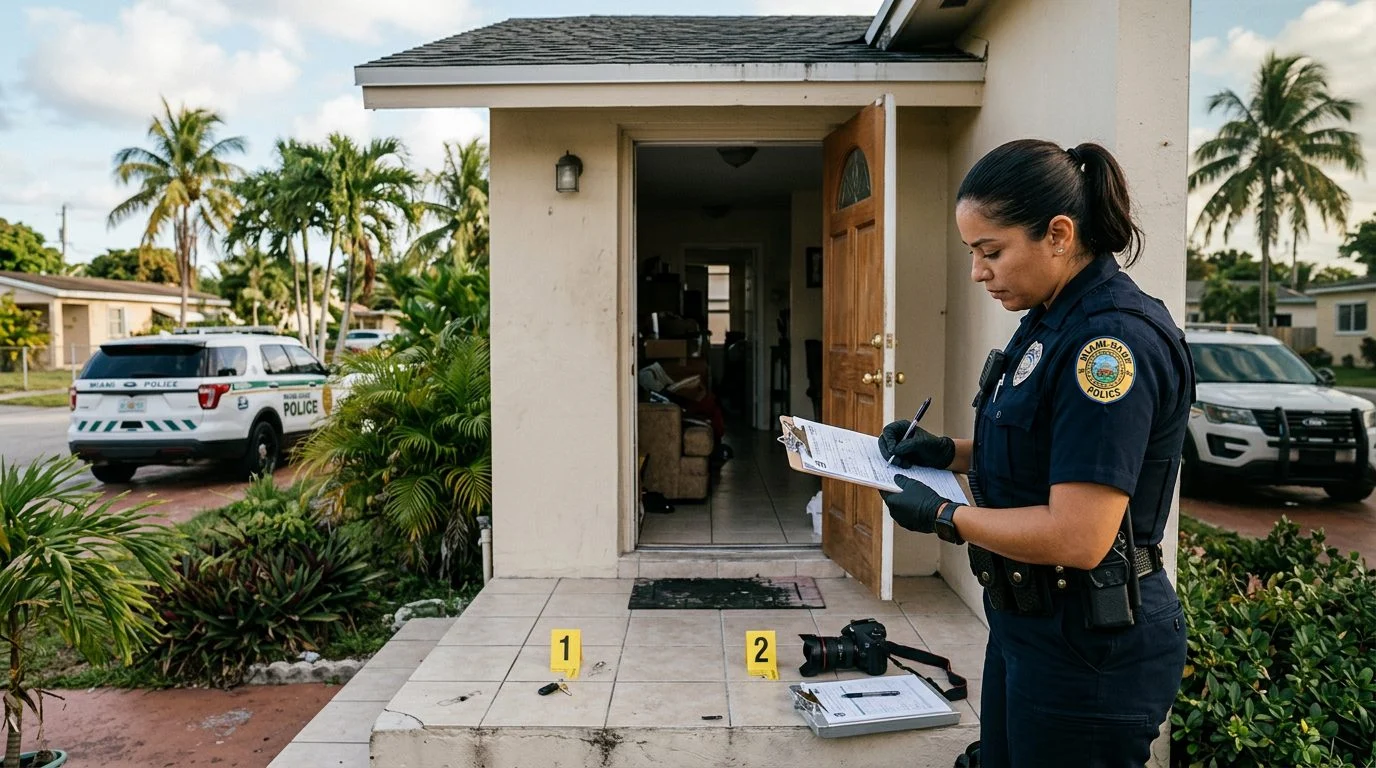
Medical records and photographs document injuries, when there are any. Emergency room notes, clinic records, and photos taken soon after an event are common examples. Visible injury is not required for every battery, because a touch against someone’s will can be enough. The absence of injury does not end the inquiry.
In a sexual battery case, investigators may request a sexual assault forensic examination. Staff collect samples and swabs, and sometimes clothing. Each item is labeled and logged for analysis. How those items were collected and stored becomes part of the record.
DNA testing can show that genetic material came from a particular person. It does not, by itself, show whether contact was consensual or when it happened. A match answers one question. The other elements still need other proof.
The same reasoning applies to a lack of physical findings. It is one fact to weigh, not proof either way.
Digital communications, recordings, and location data
Text messages, call logs, social media messages, and app data can show a timeline. They can show who contacted whom and when. They can also show the tone of a relationship. A single message rarely tells the whole story, so context matters.
Security camera footage, doorbell video, and business surveillance can confirm where people were. Many systems overwrite old recordings on a schedule. Footage that was never saved may be gone. Timestamps can also be off by minutes or hours, and that difference can matter.
911 recordings, dispatch logs, and body-worn camera footage often capture statements made close to the event. Those early words are less shaped by later events. Digital records are only as reliable as the way they were collected. Metadata can be incomplete or misread. A careful review checks the original file, not only a screenshot.
Police reports, interviews, and the investigation record
A police report is a summary written by an officer. It is not a full transcript. It reflects what the officer saw, heard, and chose to write down.
An officer may arrest without a warrant when there is probable cause to believe a person committed an act of domestic violence. The decision to arrest does not require the victim’s consent, under Fla. Stat. § 901.15. The report and the facts behind it matter, so the underlying record needs review.
If the defendant elects to participate in discovery by filing a Notice of Discovery, which binds both the prosecution and the defendant, the prosecutor must serve a written Discovery Exhibit within 15 days after service of that notice, and the exhibit includes any tangible papers or objects the prosecutor intends to use at a hearing or trial that were not obtained from or did not belong to the defendant, under Fla. R. Crim. P. 3.220. Reviewing that file is how the defense learns what the State actually has.
Investigators also choose which witnesses to interview and which evidence to collect. Those choices shape the record a prosecutor presents. A witness never interviewed, or a phone never searched, leaves a gap someone should examine.
Not sure what your next step is?
Talk it through with our team — the first consultation is free, confidential, and carries no obligation.
Consent and context in sexual battery cases
Consent is an element the State must address. Florida law defines consent as intelligent, knowing, and voluntary consent, and it excludes coerced submission, under § 794.011. Evidence about the relationship, prior communications, and conduct before and after the event can bear on consent. Its weight depends on the particular facts and the evidence rules that apply.
Intoxication is often central in these cases. Florida law says voluntary intoxication from alcohol or a controlled substance is not a defense to any offense, under Fla. Stat. § 775.051. The same statute says evidence of voluntary intoxication is not admissible to show a lack of specific intent. An exception applies to a controlled substance used under a lawful prescription issued to the defendant by a practitioner. Many people assume intoxication changes the outcome. This statute limits how that evidence can be used.
Where the evidence can be challenged
Chain of custody is the paper trail for physical evidence. It records who collected an item, how it was labeled, where it was stored, and who handled it next. A gap in that record can raise questions about whether the item is what the State says it is. Contamination, testing limits, and how samples were collected or analyzed are also examined.
Inconsistencies between a witness account, a document, and a recording can be checked on a timeline. Missing video, deleted messages, or unrecorded interviews leave gaps. Those gaps are examined in the case. They do not automatically favor either side.
If the State’s evidence does not support a conviction, the defense may ask the court for a judgment of acquittal.
Sexual battery is one form of “sexual violence” under the injunction statute. That law lets a victim seek a protective injunction, as set out in § 784.046.
How South Florida cases are handled locally
Battery and sexual battery cases in Miami-Dade County and Broward County are handled in the circuit courts that serve those counties. Local practice can affect scheduling and how quickly records arrive. The sexual battery defense page for Miami-Dade County has more local context.
The questions in this guide apply to cases in Miami, Hialeah, Kendall, Homestead, and Fort Lauderdale alike. The county, the arresting agency, and the records requested change how the file arrives.
If you are facing this situation, talk with a Miami defense attorney
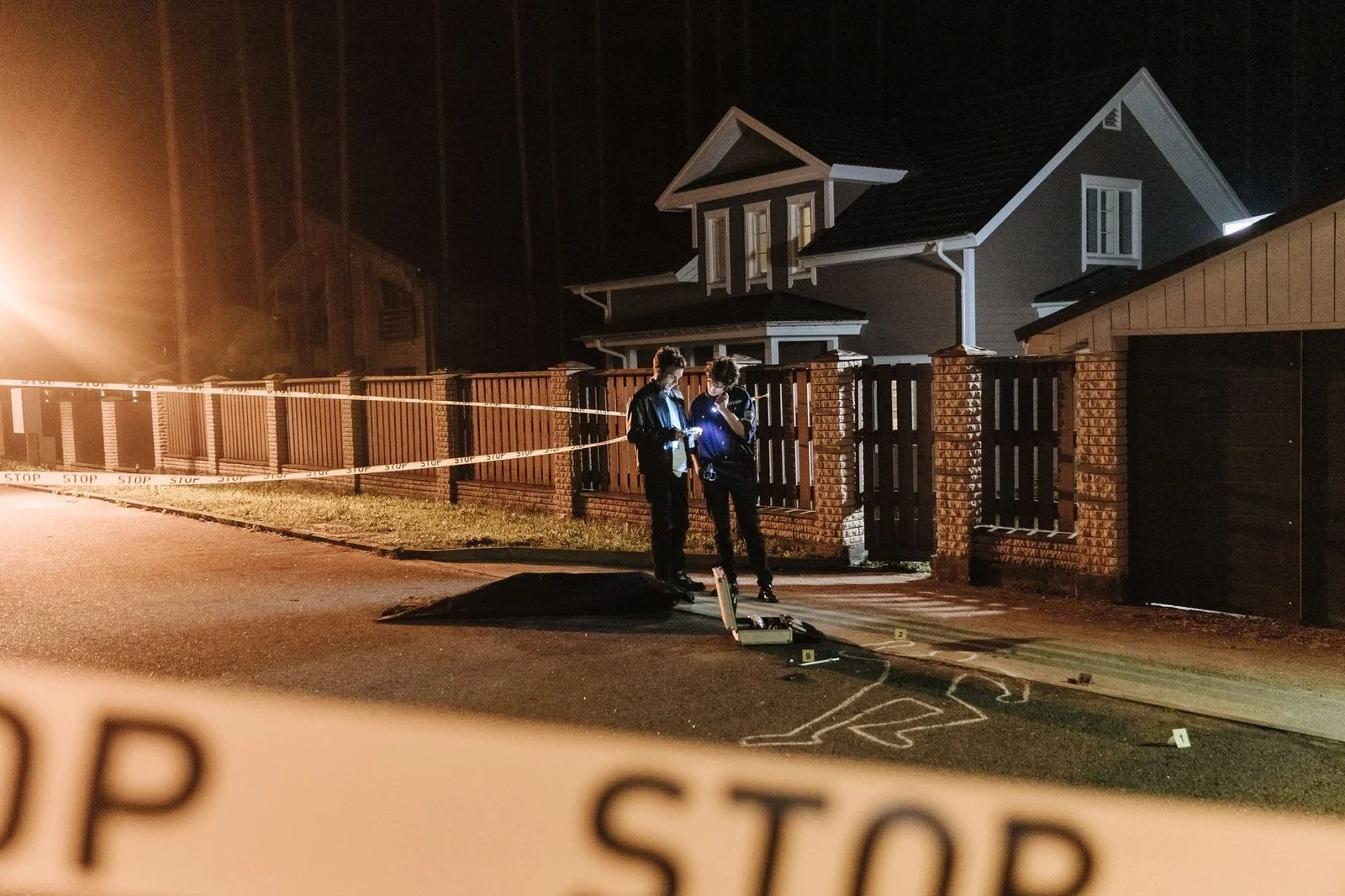
Maybe you are trying to make sense of a police report after a family member was arrested. Maybe a protective order arrived, and you don’t know what the State already has. Or maybe you are the accused, and you want to know what evidence exists before you say anything else. Each situation starts with the same question: what does the file actually contain?
What evidence is needed for a battery charge in Florida?
The State must prove an intentional touch or strike against another person’s will, or intentional bodily harm, under § 784.03. Sexual battery requires proof of the act, the absence of consent, and the circumstances the statute lists.
Is a battery charge always a misdemeanor?
No. A first battery is generally a first-degree misdemeanor, but one prior qualifying conviction can raise a later battery to a third-degree felony.
Does a sexual battery case always need DNA?
No. DNA is one type of evidence. A sexual battery case turns on the act, consent, and the circumstances listed in § 794.011.
Reading the police report, recordings, and medical records with a lawyer who focuses on Florida criminal defense can show which elements the evidence supports and which it leaves open. Patrick Wilson Law, PLLC focuses on criminal defense across South Florida. Your first consultation is free and confidential, with no obligation to continue. Call 786-761-1719 or send us a message.
This page is general information, not legal advice. Responsible lawyer: Patrick David Wilson, Patrick Wilson Law, PLLC, Miami, Florida.
Elements the State Typically Has to Establish
An Intentional Act
Accidental contact is often a central issue in these cases.
Lack of Consent
Consent, its limits and the surrounding circumstances are frequently disputed.
The Evidence Itself
Police reports, witness statements, medical records, photographs, video and digital messages all need to be examined for accuracy, completeness and consistency.
Context and Credibility
The history between the parties, motives, prior statements and timing can shape how a judge or jury reads the State's version of events.
How Patrick Wilson Law Approaches These Cases
Close Review of the Evidence
Our team examines how each element of the charge is supported and identifies gaps, conflicts and procedural issues in the State's case.
A Confidential First Step
The initial consultation is free, confidential and comes with no obligation to continue.
Important: Speak With a Lawyer Before Giving a Statement
Statements to police, messages to the other person and posts on social media can become evidence.

