
Super Speeder Defense | Miami-Dade County
Facing a Super Speeder Charge in Miami-Dade? Defend Your Record and Your Future
Patrick Wilson Law, PLLC is a Miami criminal defense firm that defends drivers charged with excessive speeding across Miami-Dade, Broward County and the Florida Keys. Our free first consultation is confidential and comes with no obligation to continue.
How We Approach Your Case
Criminal defense focus
Our practice focuses on criminal defense, so a super speeder charge is handled as the criminal matter it is, not as an ordinary traffic ticket.
Serving South Florida
We represent clients in Miami, Miami Beach, Hialeah, Kendall, Homestead, Fort Lauderdale and throughout Miami-Dade and Broward Counties.
Free, confidential first consultation
Your first consultation is free, confidential and comes with no obligation to continue. We will review what you are facing and explain your options.
Attention for first-time offenders
Many of our clients have never been in trouble with the law before. We take the time to explain each step so you understand what is happening.
By Patrick David Wilson · Published November 4, 2026
A super speeder charge is a criminal case for extreme speeding in Florida. Super speeder is the everyday name for dangerous excessive speeding. This guide explains what the charge means in Miami-Dade County, how speed gets recorded, what is at stake, and how a defense attorney reviews the case. Patrick Wilson Law is a Miami criminal defense firm. Patrick David Wilson is the responsible lawyer for this page.
What a Super Speeder Charge Means in Miami-Dade County
A super speeder charge is a criminal case for extreme speeding. Super speeder is the everyday name for dangerous excessive speeding under Florida’s dangerous excessive speeding statute. The 2025 amendment in chapter 2025-77 sets the current text.
A driver commits the offense by going 50 mph or more over the speed limit. A driver also commits it by going 100 mph or more in a way that threatens people or property, or that interferes with other vehicles.
Ordinary speeding is handled differently. Florida’s general speed law requires a speed that is reasonable and prudent for the conditions. It also sets default limits of 30 mph in business or residence districts and 55 mph at other locations. A violation of that general law is a noncriminal traffic infraction. That is why a super speeder charge carries far more weight than a regular ticket.
Miami-Dade cases move through the county court system. Stops can happen on city streets, county roads or expressways. Each stop creates paperwork, and that paperwork is where the case starts.
If you have a super speeder citation or a license notice in hand, call 786-761-1719 or leave us a message, and we'll review your papers with you. Talk it through with our team — the first consultation is free, confidential, and carries no obligation.
How the Speed Is Measured and Recorded
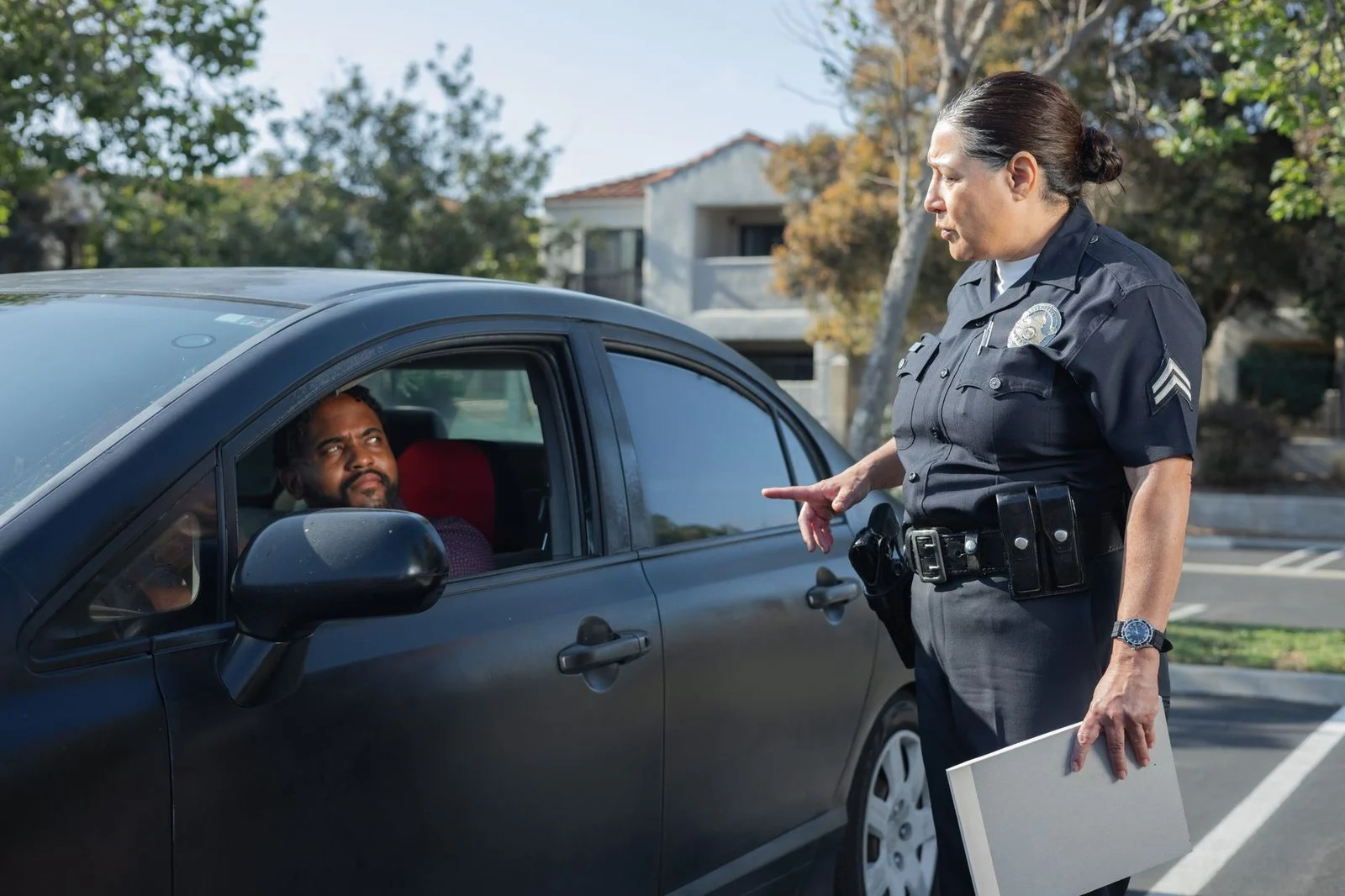
Speed is usually measured by radar, by laser or microwave systems, or by an officer’s visual judgment. Florida sets strict rules for when a radar reading can be used as evidence. Under the radar speed-measuring rules, the officer must have finished the state radar training course. Fla. Stat. § 316.1906 reads: “(2) Evidence of the speed of a vehicle measured by any radar speed-measuring device shall be inadmissible in any proceeding with respect to an alleged violation of provisions of law regulating the lawful speed of vehicles, unless such evidence of speed is obtained by an officer who: (a) Has satisfactorily completed the radar training course established by the Criminal Justice Standards and Training Commission pursuant to s. 943.17(1)(b).” The officer must also have made an independent visual determination that the car was speeding.
The officer must also write the citation based on the radar reading when conditions let the speed be tied to one vehicle. Fla. Stat. § 316.1906 reads: “(d) Is using radar which has no automatic speed locks and no audio alarms, unless disconnected or deactivated.” The radar unit must meet the state’s minimum design criteria.
The agency must run a self-test at least once every 30 days and keep a log of the results. It must also run an independent calibration test at least once every 12 months. Under the speed-calculating device rules, a signed and witnessed certificate showing the device was tested within the required period and working properly creates a presumption that the device was working, unless the contrary is established by competent evidence. Someone accused under that law can ask the officer who ran the device to appear and testify.
A defense attorney typically reviews the citation, the officer’s report, the speed reading, the posted limit at that spot and any video from the stop. Each item can show whether the numbers hold up. A speed reading alone does not settle a case. Weather, traffic, sign placement and equipment records all matter.
Penalties, License Consequences and Your Driving Record
A first conviction can bring up to 30 days in jail, a $500 fine, or both. A second or later conviction can bring up to 90 days in jail, a $1,000 fine, or both. These penalties come from the dangerous excessive speeding statute.
The driving privilege must be revoked for at least 180 days but no more than 1 year.
License paperwork moves on its own clock. Under Florida’s license notice rules, a notice is complete 20 days after e-mail or mailing, except for notices issued under chapter 324 or ss. 627.732–627.734, which are complete 15 days after e-mail or mailing. A failure to receive the notice does not stop the order from taking effect. An order can take effect even if the envelope stays unopened.
A conviction can also stay on your driving record. That record can affect car insurance, jobs that require driving and any future charge. Court deadlines are counted under the rule on computing time. Act on every notice as soon as it arrives.
How a Miami-Dade Super Speeder Case Moves Through Court
A super speeder case often starts with a citation or a notice to appear. A notice to appear is a written order issued in place of physical arrest. It requires the accused to appear in a designated court. The officer must also get the citation to the court. Under the traffic citation rules, the officer deposits the original, or sends an electronic copy, within 5 business days.
The Miami-Dade Clerk publishes information on Miami-Dade Clerk suspension information. That page covers license suspensions for unpaid citations and fines, including payment plans. It also explains that a license can be suspended again if payment terms are not kept.
The clerk also posts details on Miami-Dade criminal court information, including how hearings and arraignments are scheduled.
After the first court date, a case may move through pretrial conferences and talks with the prosecutor. If it is not resolved, it can go to a hearing or trial. The pace changes from case to case. Missing a scheduled court date can create new problems, so keep every date on your calendar.
Defense Steps a Criminal Defense Attorney Reviews
A defense attorney checks whether the stop, the speed reading and the paperwork meet Florida’s rules. The right approach depends on the facts, so each file gets its own review.
The attorney looks at the speed evidence first. The attorney also asks whether the officer who ran the device can testify.
Next, the attorney checks the charging documents. The date, location, posted limit and recorded speed must all be accurate. Small errors in these details can matter.
Plea talks are part of the review. Under Florida’s plea rule, prosecutors and defense attorneys are encouraged to discuss and agree on pleas. Defense counsel must tell the client about every plea offer. Counsel cannot finish a plea agreement without the client’s full and complete consent.
Where the facts and the law support it, talks may lead to a reduced charge. No outcome can be predicted from a speed reading alone. Each option needs a careful look at your goals and your record.
What First-Time Offenders and Licensed Professionals Should Know
A first charge often raises different questions than a repeat charge. The penalty ranges for a first conviction are lower, as noted above. That difference often shapes early talks with the prosecutor.
Licensed professionals face added concerns. A pending speeding charge can raise questions with an employer or a licensing body. Timing and documents matter here. Bring any letter, form or notice that asks about the charge to your consultation. The attorney can review how it may connect to the case.
Bring these items to your first call: the citation, any notice to appear, court date papers, any license notice, any plea offer, and notes about where and when the stop happened.
Our lawyers, including Patrick David Wilson, the responsible lawyer for this page, handle criminal defense matters in Miami-Dade County.
Not sure what your next step is?
Talk it through with our team — the first consultation is free, confidential, and carries no obligation.
Serving Miami-Dade and Nearby South Florida Communities
This page focuses on Miami-Dade County, including Miami, Kendall, Hialeah, Miami Beach and Homestead. Patrick Wilson Law, PLLC is based in Miami. Miami-Dade cases run through the county court system and the Eleventh Judicial Circuit.
Drivers in Broward County, Fort Lauderdale and the Florida Keys face the same state statutes. The firm’s lawyers review those cases as the facts require. Our statewide guide to Florida super speeder charges gives the broader framework.
Talk to a Miami Super Speeder Defense Attorney Today
A super speeder citation or license notice calls for a quick response. Short timelines can start right away.
What is a super speeder charge in Florida?
It is the everyday name for dangerous excessive speeding. It means 50 mph or more over the limit, or 100 mph or more in a dangerous way.
Is a super speeder charge criminal?
Yes. The traffic citation statute requires the Department to supply an appropriate form traffic citation that contains a notice to appear; the penalties for the offense itself are set out in a separate statute, § 316.1922.
Can a repeat violation affect my license?
Yes.
Can I challenge a radar reading?
Yes. The radar and device rules can be reviewed in your case.
If you have a super speeder citation or license notice in hand, call 786-761-1719 or leave us a message. Bring every page with you. Contact us for a free consultation. The first consultation is free, confidential and without obligation to continue.
Ways We Can Help
Speeding charges in Miami-Dade
We defend drivers accused of excessive speeding on Miami-Dade roads, highways and local streets.
Protecting your driving record
We look at how a charge could affect your license, your insurance and your daily life, and we plan the defense with those concerns in mind.
Licensed professionals
If your career depends on your license or your reputation, we take that into account from the first call.
Non-citizens
A criminal charge can carry immigration consequences. We consider those risks when we advise you on your case.
Do Not Wait
Court dates and deadlines should not be missed, and early decisions often shape how a case develops. Talk with a criminal defense attorney as soon as possible.

