
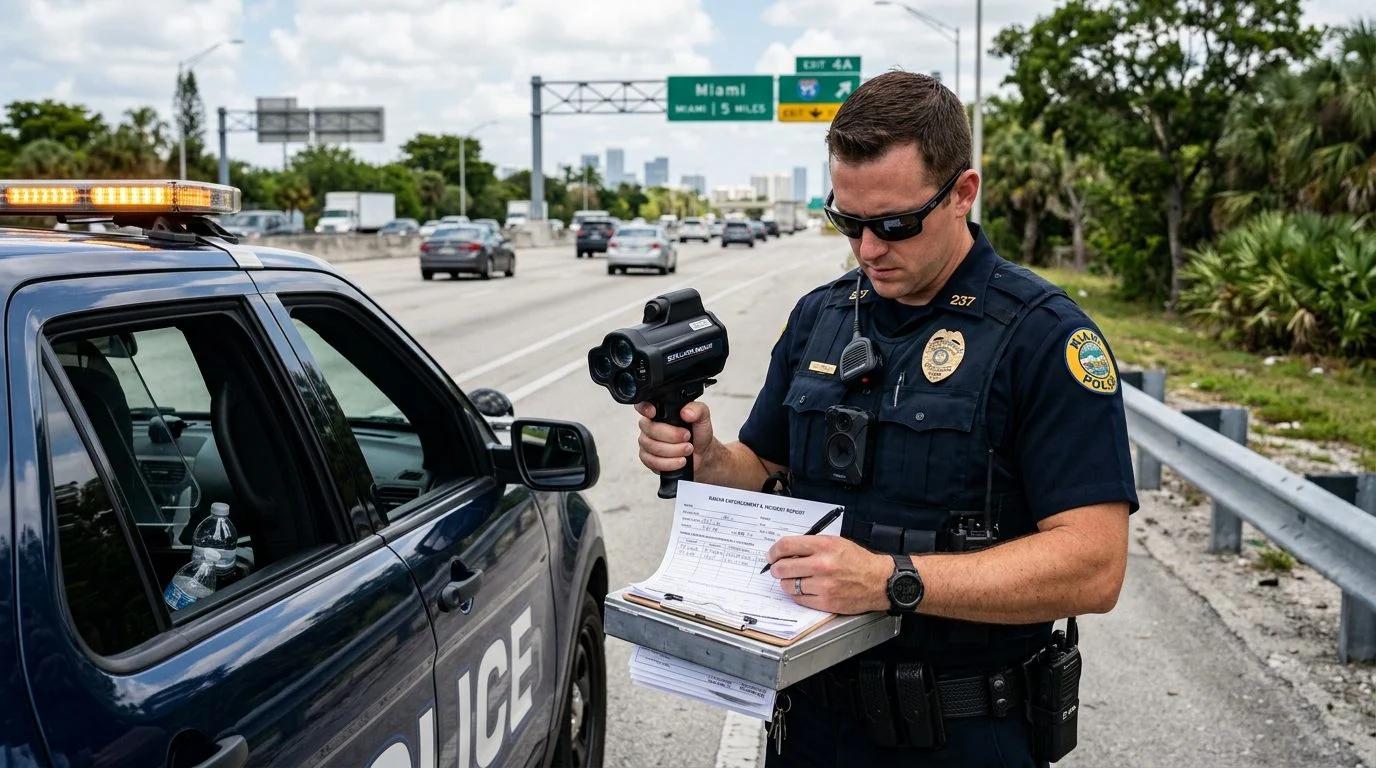
Super Speeder Defense | Miami, Florida
Facing a super speeder charge in Miami? Get a clear defense plan from the start.
Patrick Wilson Law focuses on criminal defense for drivers across Miami-Dade and Broward Counties, the Florida Keys and beyond, including dangerous excessive speeding charges.
By Patrick David Wilson · Published November 4, 2026
A super speeder charge in Florida means driving 50 mph or more over the posted speed limit. It can also apply at 100 mph or more when that driving threatens other people or property. Florida calls it dangerous excessive speeding, and it can bring jail time, fines and license trouble. If you were cited in Miami or elsewhere in Miami-Dade County, here is what the charge means and what comes next.
What a Super Speeder Charge Means in Miami
Florida’s dangerous excessive speeding law is codified at Fla. Stat. § 316.1922. The law applies when you drive 50 mph or more over the speed limit. It also applies at 100 mph or more when that driving threatens safety or interferes with other vehicles, under § 316.1922. Under Fla. Stat. § 316.1922, a person commits dangerous excessive speeding by operating a motor vehicle in excess of the speed limit by 50 mph or more, or at 100 mph or more in a manner that threatens the safety of other persons or property or interferes with the operation of any vehicle.
Regular speeding works differently. Under § 316.183, a general speeding violation is a noncriminal traffic infraction. That means it is not a criminal case. The speed recorded on the citation and the posted limit at that spot are the first facts anyone will check.
Patrick Wilson Law is a criminal defense firm based in Miami. The firm focuses on criminal defense across South Florida, and super speeder cases are part of that work. Patrick David Wilson is the responsible lawyer for this page.
Not sure what your next step is?
Talk it through with our team — the first consultation is free, confidential, and carries no obligation.
Where These Stops Happen Across Miami-Dade
A super speeder case in Miami-Dade often turns on the posted limit at the exact spot where the speed was recorded. Limits can change from one stretch of road to the next, so the location matters.
Miami drivers move between fast highways and busy city streets every day. The Dolphin Expressway, the Palmetto Expressway, I-95 and the Florida Turnpike carry long, fast stretches. Surface streets in Kendall, Hialeah and Miami Beach can change limits block by block. A reading taken on one part of a corridor may not match the limit on another.
Work zones add another layer. Under § 316.183, a driver may not exceed the posted speed limit in a work zone. Speed also has to be reasonable. The same statute bars driving faster than is reasonable and prudent for the conditions, even when you are under the posted limit.
Drivers stopped in Broward County, Fort Lauderdale, Homestead or the Florida Keys can also reach out. The firm focuses on criminal defense across South Florida, including those areas.
Penalties and Records That Can Follow a Super Speeder Case
A first conviction carries up to 30 days in jail, a $500 fine, or both, under § 316.1922. A second or later conviction carries up to 90 days, a $1,000 fine, or both. If it happens within 5 years after a prior conviction under that section, the driving privilege is revoked for at least 180 days, but no more than 1 year.
Points can add to the picture. Florida uses a point system to evaluate convictions for motor vehicle violations under Fla. Stat. § 322.27. Twelve points within a 12-month period can bring a suspension of up to 30 days. The state uses the offense date of each conviction when it counts points.
If you hold a professional license, a conviction can raise questions with a licensing board or an employer. Those questions are separate from the criminal case, so they need attention early.
First-time offenders often ask about sealing or expunging a record later. Under § 943.0585, a person may petition a court to expunge a record when eligibility rules are met. A petition needs a certificate of eligibility from the Florida Department of Law Enforcement. Under Fla. R. Crim. P. 3.692, the court may deny the request at its sole discretion.
How a Miami Super Speeder Defense Is Built
A defense starts with the speed evidence, and Florida sets rules for that evidence. Review begins with the citation, the officer’s report and the device records.
Radar evidence has conditions. Under § 316.1906, radar evidence is inadmissible unless the officer completed the state radar training course. Under Fla. Stat. § 316.1906, evidence of a vehicle’s speed measured by any radar speed-measuring device is inadmissible in a proceeding on an alleged speed-limit violation unless the officer has satisfactorily completed the radar training course established by the Criminal Justice Standards and Training Commission pursuant to s. 943.17(1)(b), has made an independent visual determination that the vehicle is operating in excess of the applicable speed limit, and is using a radar unit that meets the minimum design criteria established by the Department of Highway Safety and Motor Vehicles, among the other conditions the section lists. The radar must have no automatic speed locks or audio alarms unless they are disconnected, and it must run with audio Doppler engaged.
Speed detection systems follow a different schedule. The same statute requires a self-test at least once every 30 days, a log of those results, and an independent calibration test at least once every 12 months.
Device testing also matters. Under § 316.1905, a speed-determining device must be tested at intervals of not less than once each 6 months. A certificate showing the device was tested within the required period and working properly creates a presumption that the device was working, unless the contrary is established by competent evidence. The accused is entitled to have the officer who operated the device testify upon oral or written motion.
Dash camera video, photos of the road and witness names can also matter. Their value depends on what they show, so the defense plan is set after the file is reviewed.
Court Dates, Deadlines and What to Bring
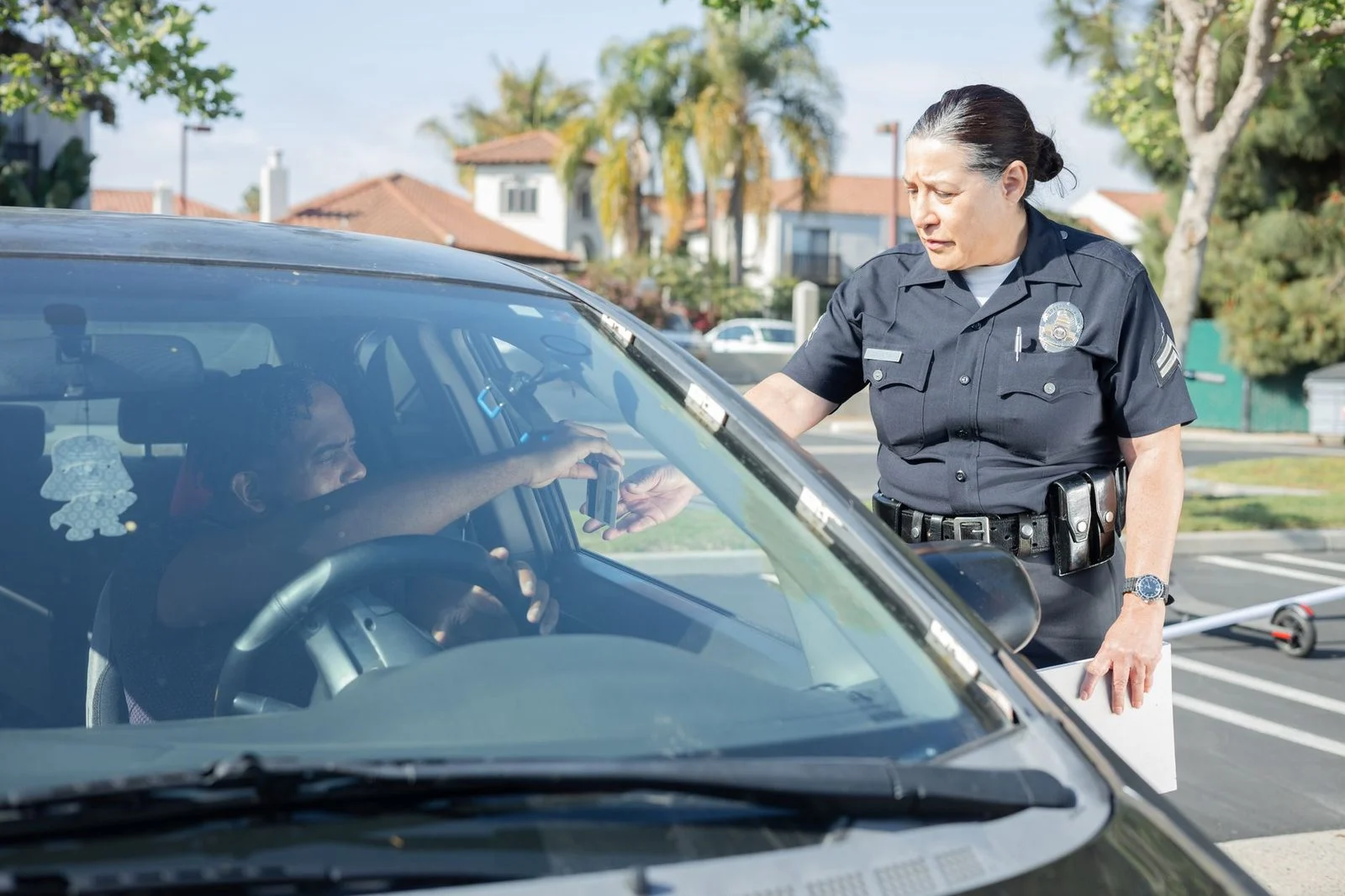
Bring your citation, your driver license and any notice to appear to your first meeting. The citation sets out the charge and the court date.
Under § 316.650, a traffic citation contains a notice to appear. Once the original citation is deposited with a court, it can be disposed of only by trial, other official action by a judge, or payment of the required bail or fine. A citation does not go away on its own.
Gather any records of prior tickets or convictions, since a record is kept of how each citation was resolved by the court or its traffic violations bureau. Keep any photos, dash camera video, and the names of witnesses. Paperwork from a licensing board or employer belongs in the file too.
Write down your own notes while they are fresh. Include where you were stopped, what the officer said, the posted signs you noticed and who was in the car. Do not ignore a written notice or a court date, because a missed date can create a second problem.
Why Drivers Across South Florida Work With Patrick Wilson Law
Patrick David Wilson is the responsible lawyer for this page. The firm’s lawyers include Sahara Fonseca, and our team handles the paperwork, court dates and speed records in each file.
Patrick Wilson Law focuses on criminal defense in Miami, Miami-Dade County, Broward County, Fort Lauderdale, Hialeah, Kendall, Miami Beach, Homestead and the Florida Keys. The firm’s other practice areas overlap with traffic-related charges. These include DUI, vehicular homicide, and leaving the scene of an accident.
The firm also defends licensed professionals and first-time offenders. It handles sealing and expunction of criminal records, which can matter after a case ends.
Not sure what your next step is?
Talk it through with our team — the first consultation is free, confidential, and carries no obligation.
Your Free Consultation on a Miami Super Speeder Citation
Your first consultation with Patrick Wilson Law is free, confidential and carries no obligation to continue. You can talk through the citation before you decide anything.
Is a super speeder charge a criminal case in Florida?
Yes. Florida punishes dangerous excessive speeding with possible jail time, as set out in § 316.1922.
Can a super speeder record be sealed or expunged?
Possibly.
If you were cited for super speeding and a court date is coming up, call 786-761-1719 or send us a message to talk through your next step with a Miami lawyer.
How we approach super speeder cases
Careful review of the charge
We examine the citation, the speed reading, the stop and the paperwork to understand what the state must prove.
Defense focused on your record and license
We keep your driving privileges, employment and future in mind at every step of the case.
Attention to first-time drivers
Many of our clients have never been in trouble with the law before, and we explain each option in plain language.
Direct communication
Our team keeps you informed about court dates, filings and what comes next, so you are never left guessing.
Before you talk about the stop
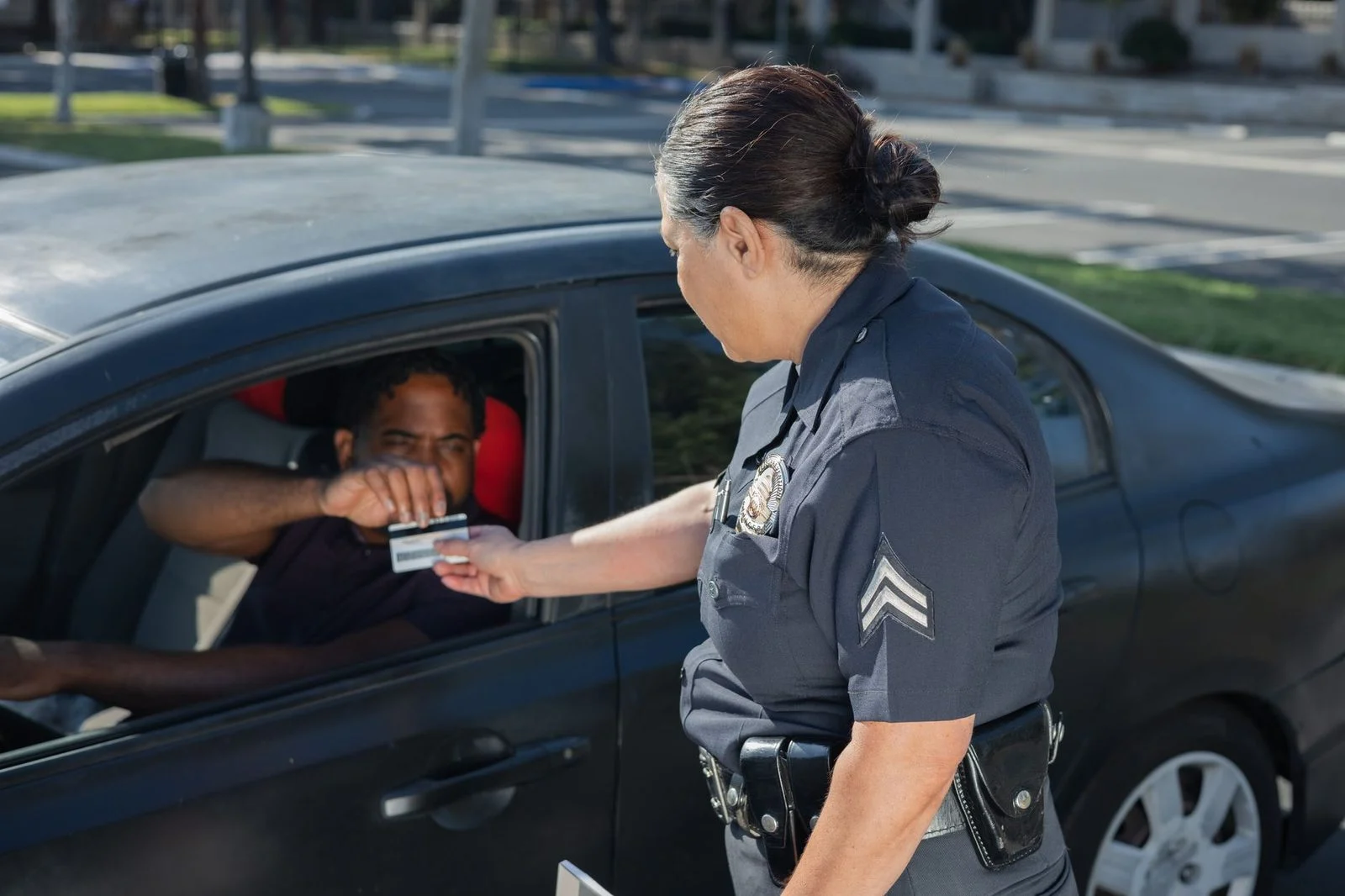
Be polite and provide your license, registration and insurance when asked. Avoid discussing how fast you were driving, where you were headed or what happened with the officer until you have spoken with a lawyer.
Common questions about super speeder charges
What happens after the citation?
The case moves through the court process, and the steps depend on how the charge was filed. Our lawyers explain each stage so you know what to expect.
Can this affect my license?
A speeding conviction can carry consequences for your driving privileges. We review the possible impact on your license and work to address it in your defense.
Is this a criminal case?
Dangerous excessive speeding is treated seriously under Florida law and can involve potential jail time. Having a criminal defense lawyer involved early matters.
Can the record be sealed or expunged later?
Eligibility to seal or expunge a criminal record depends on the facts of each case. We discuss the options available to you during your consultation.

