
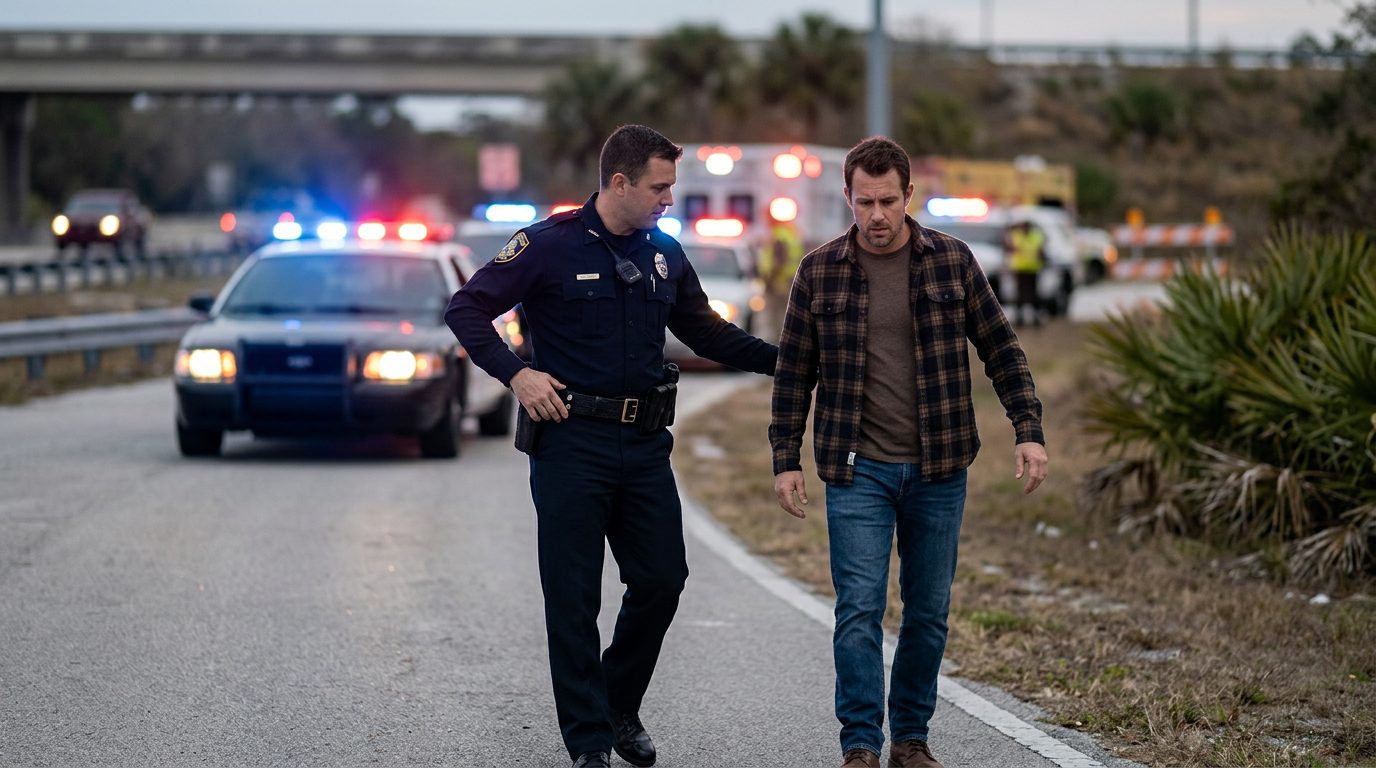
Vehicular Homicide Defense | Miami, FL
Talking to Police After a Fatal Crash in Florida? Know Your Options Before You Speak
Patrick Wilson Law, PLLC defends drivers across Miami-Dade, Broward and the Florida Keys facing vehicular homicide and related charges. Call us before you answer questions.
By Patrick David Wilson · Published October 22, 2026
Do I Have to Talk to Police After a Fatal Car Accident in Florida?
No, not about how the crash happened. You can decline to answer those questions and ask for a lawyer. Florida law still requires you to stop, identify yourself and help anyone who is hurt. This page explains where those lines fall, so you know what to say and what to hold back.
If you were just in a fatal crash and aren't sure what to tell officers when they return with questions, you don't have to face that decision alone, and our team can talk it through with you. Talk it through with our team — the first consultation is free, confidential, and carries no obligation.
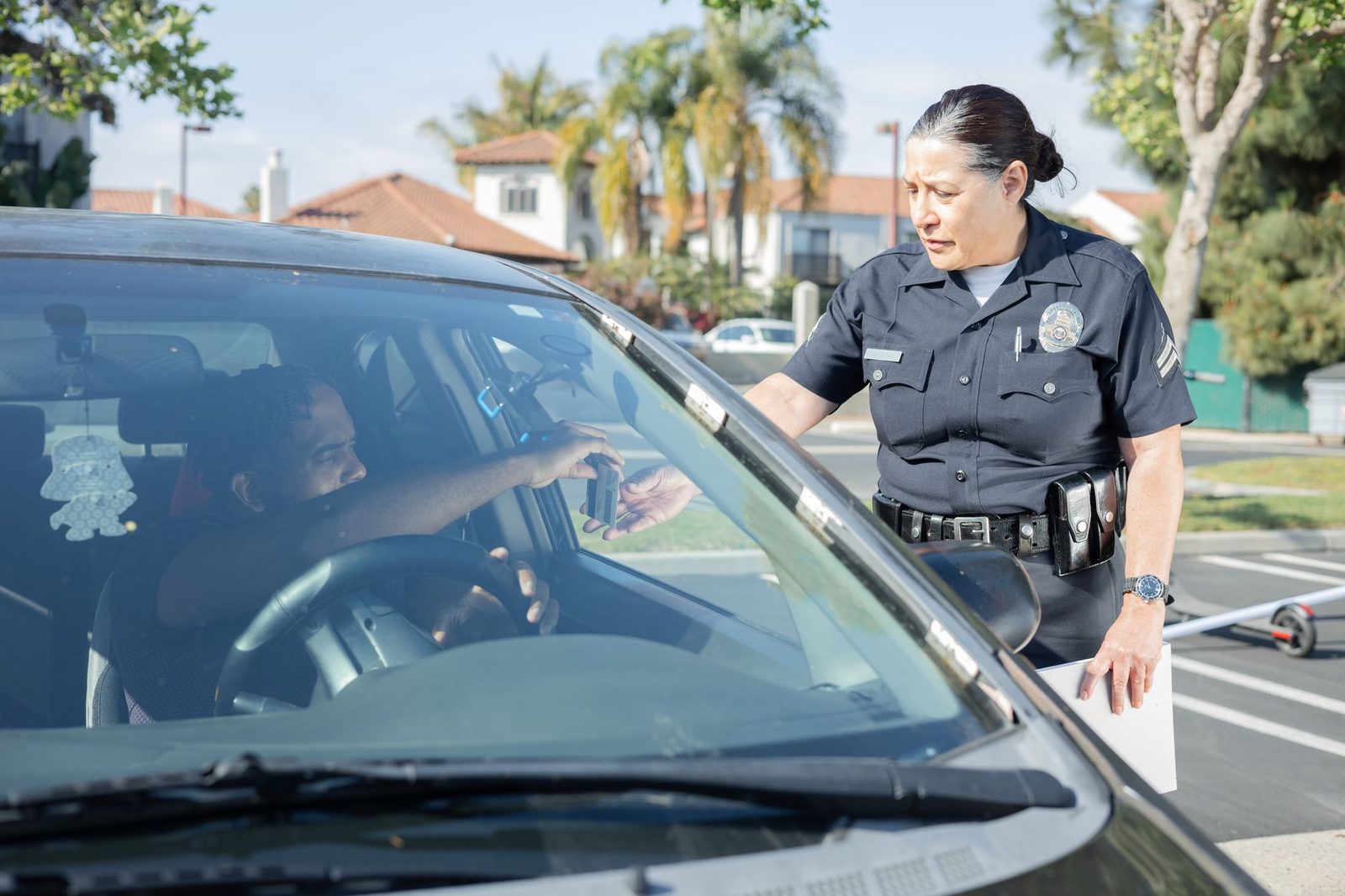
You May Decline to Make a Statement
No, you do not have to answer police questions about how a fatal crash happened. You may decline to give a statement, and you may ask for a lawyer before any interview. Florida law protects both your right to remain silent and your right to a lawyer.
These rights work in the moment. A short, clear sentence works best: “I’m not going to answer questions right now. I want a lawyer.” A calm tone helps, because a steady request is easier to understand than an angry one. Then stop talking about the crash.
Clear wording matters. Vague replies like “maybe I should talk to someone” can leave room for more questions.
What Florida Law Requires of You at the Scene
Florida requires a driver in a crash involving injury or death to stop, identify themselves and help anyone who is hurt. The driver must stay at the scene until those duties are done. Failing to give the required information or render aid after a crash is, by itself, a noncriminal traffic infraction under Fla. Stat. § 316.062. However, vehicular homicide (a killing caused by operating a motor vehicle in a reckless manner likely to cause death or great bodily harm) becomes a felony of the first degree under Fla. Stat. § 782.071(1)(b) if, at the time of the accident, the person knew, or should have known, that the accident occurred and failed to give information and render aid as required by § 316.062, even if the person did not know that the accident resulted in injury or death. If a driver whose reckless operation of a motor vehicle, in a manner likely to cause death or great bodily harm, causes a death knew or should have known that the crash occurred and then did not provide the information and reasonable assistance that § 316.062 requires, § 782.071(1)(b) raises the vehicular homicide charge to a first-degree felony, even if the driver did not know the crash caused injury or death. Under Fla. Stat. § 782.071(1)(a), vehicular homicide, the killing of a human being caused by the operation of a motor vehicle by another in a reckless manner likely to cause death or great bodily harm, is a felony of the second degree, and under § 782.071(1)(b) it is a felony of the first degree if the person knew or should have known the accident occurred and failed to give information and render aid as required by § 316.062.
Under Fla. Stat. § 316.062, if you are involved in a crash resulting in injury to or death of any person or damage to any vehicle or other property, you must give your name, address, and vehicle registration number. You must also show your license on request and give reasonable aid. That aid can include arranging transport to a hospital when treatment is apparent or requested.
Here is the key distinction. The same statute says its duty to give information to an officer writing a crash report does not reach information that would violate your privilege against self-incrimination. Showing your license is not the same as explaining how the crash happened. Many people think it is.
What Officers Can and Cannot Do at the Scene
Officers can investigate the crash and ask questions. An officer who investigates at the scene may arrest a driver when the officer has reasonable and probable grounds to believe that driver committed a traffic offense connected with the crash, under Fla. Stat. § 316.645.
Officers also handle the exchange of information. Under Fla. Stat. § 316.070, the officer tells each driver to report the owner and driver’s name and address, the license number, and the name of the liability carrier to all other parties suffering injury or property damage as an apparent result of the crash.
Officers often separate drivers and witnesses while they work the scene. Keep your comments to basic information. Don’t debate the crash with anyone, including other drivers, while you wait.
Questioning at the Hospital and Afterward
You can still say you want a lawyer. Hospital blood draws raise a separate point. Under Fla. Stat. § 316.1933, a blood test taken for medical purposes is not kept out just because an officer never requested it. The same statute lets a health care provider notify police when a medical blood test shows an alcohol level at or above the statutory level for a person injured in a motor vehicle crash. Fla. Stat. § 316.1933 reads: “Notwithstanding any provision of law pertaining to the confidentiality of hospital records or other medical records, if a health care provider, who is providing medical care in a health care facility to a person injured in a motor vehicle crash, becomes aware, as a result of any blood test performed in the course of that medical treatment, that the person’s blood-alcohol level meets or exceeds the blood-alcohol level specified in s. 316.193(1)(b), the health care provider may notify any law enforcement officer or law enforcement agency.”
Investigators can also come back days or weeks later and ask for a formal interview. The same choice applies at every stage. You can decline, and you can ask for a lawyer before you agree to talk.
How a Statement Is Used in a Fatal Crash Investigation
Anything you say to officers can be written into the crash file. Later, it can be used to question your speed, attention, impairment or fault. Even casual comments at the scene can matter. Inconsistencies between an early account and a later one can be used to challenge your credibility. That is why an early statement made without a lawyer carries real risk.
The stakes rise with the charge. Under Fla. Stat. § 782.071, vehicular homicide is killing someone by operating a motor vehicle in a reckless manner likely to cause death or great bodily harm. The first-degree version applies if the driver knew or should have known the accident occurred and failed to give information and render aid. A first-degree charge also applies if the person has a prior conviction under this section, s. 316.193(3)(c)3., s. 327.35(3)(a)3.c., or s. 782.072. That version does not require proof that the driver knew anyone was injured or killed.
Whether a case fits either version depends on the facts of each crash. Witnesses, physical evidence and the driver’s own words all matter. A statement is one piece of that evidence, but it is a piece the driver controls.
Not sure what your next step is?
Talk it through with our team — the first consultation is free, confidential, and carries no obligation.
Blood Tests, Consent and Other Requests After a Fatal Crash
Some tests are required by law, so know which request you are facing. Under Fla. Stat. § 316.1933, an officer with probable cause that an impaired driver caused a death or serious bodily injury shall require a blood test. Fla. Stat. § 316.1933 reads: “If a law enforcement officer has probable cause to believe that a motor vehicle driven by or in the actual physical control of a person under the influence of alcoholic beverages, any chemical substances, or any controlled substances has caused the death or serious bodily injury of a human being.” The officer may use reasonable force if needed. Only certain trained personnel, such as a physician, registered nurse or licensed clinical laboratory staff, may draw that blood at an officer’s request.
Refusing a lawful breath or urine test carries its own penalty. Under Fla. Stat. § 316.1939, a first refusal is a second-degree misdemeanor when the statutory elements are met, but it is a first-degree misdemeanor if the driver’s driving privilege has been previously suspended or the driver has previously been fined under s. 327.35215 for a prior refusal. A required test is different from a voluntary interview.
Other requests follow a simpler rule. Ask for a lawyer before you sign a written statement or agree to a recorded interview. Don’t sign papers you haven’t reviewed with counsel.
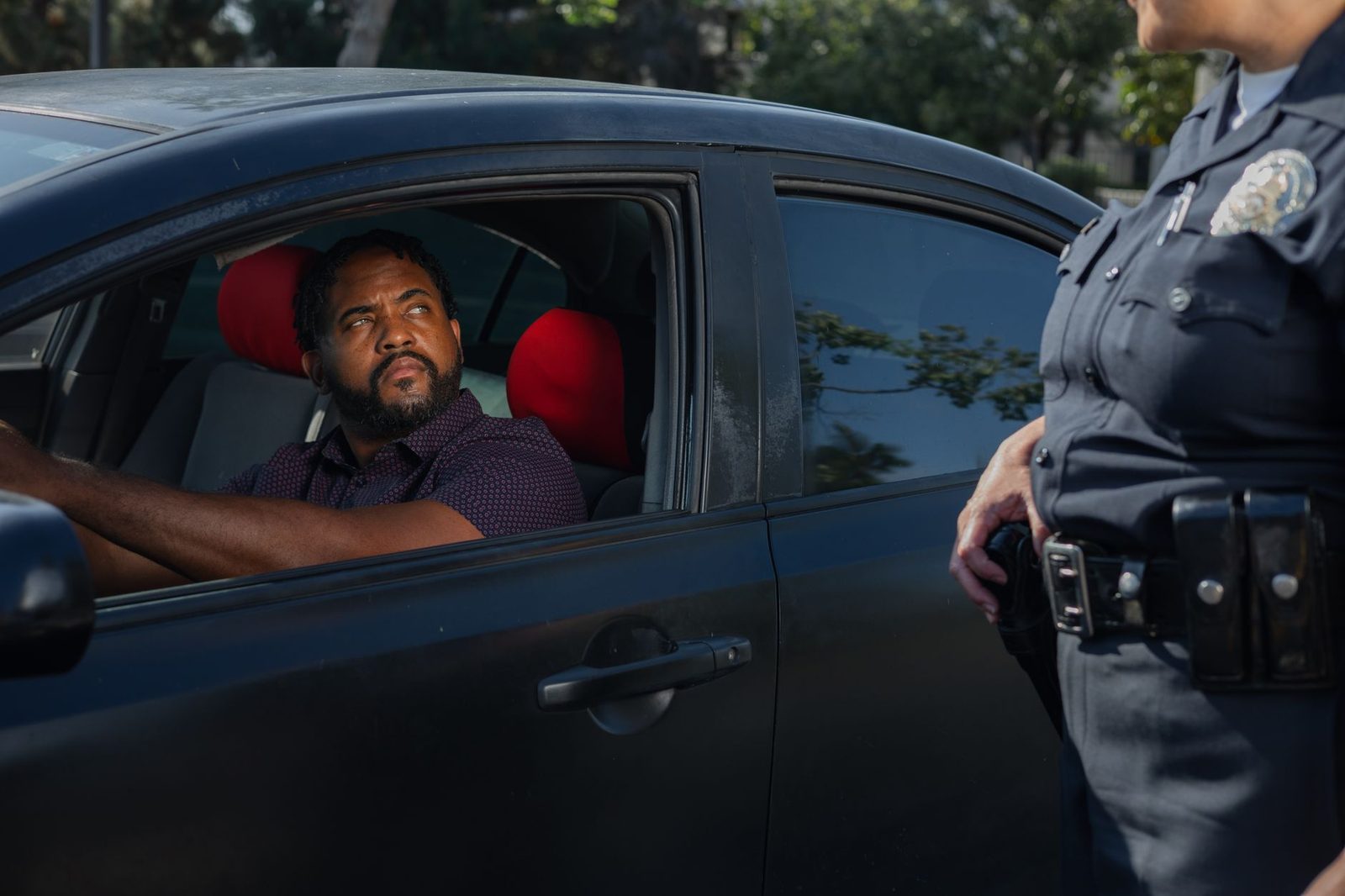
Why Calling a Defense Lawyer Before Any Interview Matters
A defense lawyer can tell you which questions to answer, which to decline and how to speak with investigators. That guidance matters most in the first hours and days after a crash. Patrick Wilson Law, PLLC is a Miami criminal defense firm. It concentrates in vehicular homicide defense across South Florida, from Broward County to the Keys. Patrick David Wilson is the responsible lawyer for this page, and the firm’s lawyers handle these matters.
Our first consultation is free, confidential, and carries no obligation to continue.
Quick answers
Can I refuse to answer police questions after a fatal crash in Florida?
Yes. You can decline questions about how the crash happened and ask for a lawyer.
Do I have to show my license at the scene?
Yes. Florida law requires a licensed driver to present it when an officer asks.
Can what I say be used against me?
Yes. Statements can become evidence, so speaking early without counsel carries real risk.
If you were just involved in a fatal crash and aren’t sure what to say when officers come back with questions, call 786-761-1719 or leave us a message to set up your free consultation.
What to Do at the Scene of a Fatal Crash
Stay at the scene
Leaving the scene can bring its own serious charge. Stay where you are until officers arrive and tell them you are safe.
Provide your license when asked
Florida law requires a licensed driver to show their license when an officer asks for it. Keep your answers short and factual.
Decline questions about the crash
You can decline to answer questions about how the crash happened. Saying little at the scene protects you.
Ask for a lawyer
Say clearly that you want to speak with a lawyer before answering more questions. Then call our office.
Why Call Patrick Wilson Law Early
Speak with us before any interview
A lawyer can review what happened and advise you before you give a statement.
Defense focused on vehicular homicide
Our firm concentrates in criminal defense for serious driving cases, including vehicular homicide and leaving the scene of an accident.
Built for drivers facing career risk
We represent first-time offenders and licensed professionals whose careers are on the line.
Serving South Florida
We work with clients from Broward County to the Florida Keys, including Miami, Fort Lauderdale, Hialeah and Homestead.
Important: Do Not Give a Written or Recorded Statement First
Anything you say at the scene or afterward can be used in the investigation. Before you give a statement, write one, or sign anything, talk with a lawyer about your situation.

