
Vehicular Homicide Defense | Miami-Dade County
Arrested After a Fatal Crash? The First 72 Hours Matter.
Patrick Wilson Law, PLLC defends drivers charged in fatal crashes across Miami-Dade County, from our Miami office. Speak with us about your case in a free, confidential first consultation with no obligation to continue.
By Patrick David Wilson · Published October 24, 2026
The fatal crash arrest first 72 hours Miami-Dade timeline is mostly about deadlines. Florida’s rules set when you see a judge, when formal charges must be filed, and what your release conditions require. This guide walks through each step in plain language.
Short answer: Unless you were previously released in a lawful manner, you must be brought before a judge within 24 hours of arrest. For someone held in custody, the State has 30 days to file formal charges.
What Happens at Booking After a Fatal Crash Arrest?
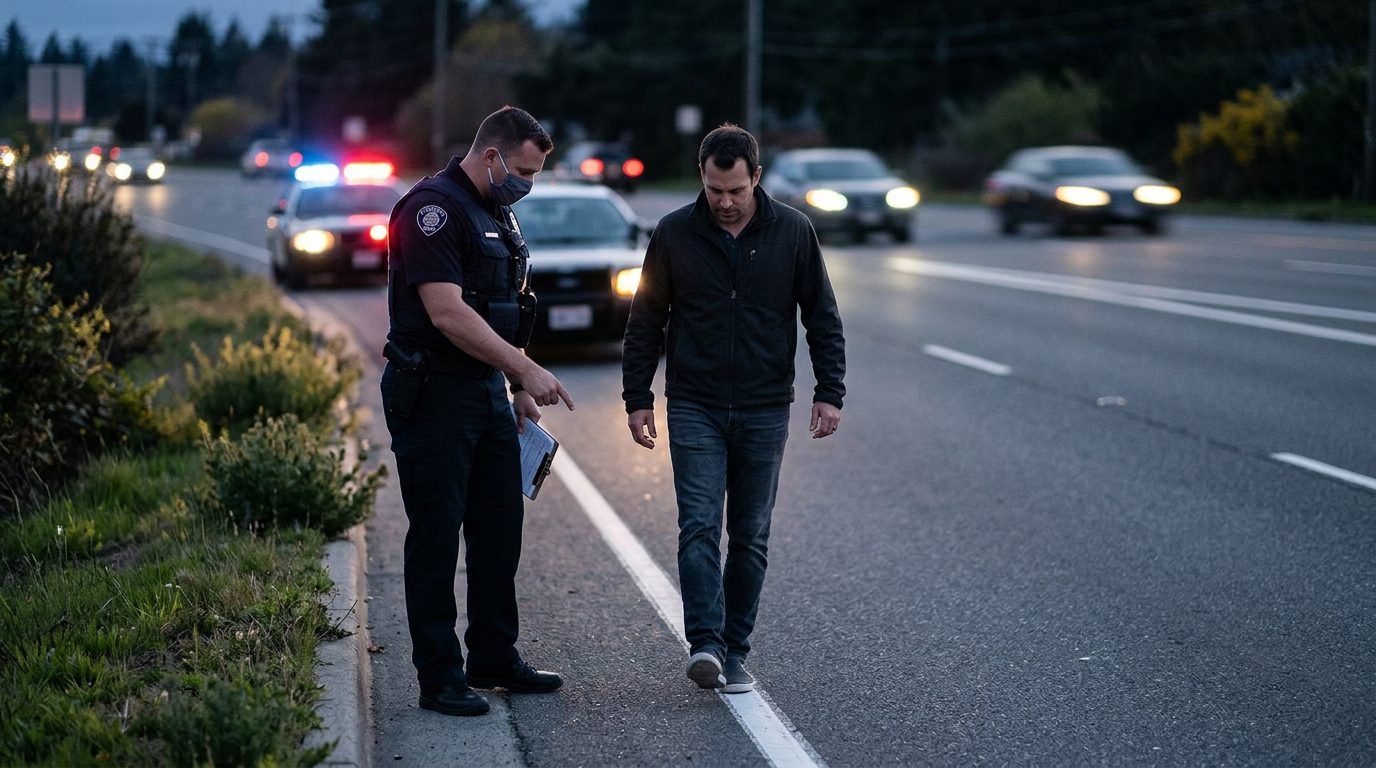
Booking is the step where the arresting agency records who you are, what you’re charged with, and what you have on you. It usually includes fingerprints, photographs, an inventory of your property, and a medical screening.
Booking is also when the officer must tell you about your right to a lawyer. Under Fla. R. Crim. P. 3.111, the officer must immediately advise you of that right. If you can’t pay a lawyer, one will be provided at no charge.
Your statements matter here. Florida’s duty to give information and render aid requires your name, address, and registration number, and help for an injured person. That duty does not reach information that would violate your privilege against self-incrimination when you give information to a law enforcement officer making a written report about a crash. Booking may also list a charge of leaving the scene involving a death under Fla. Stat. § 316.027 or vehicular homicide under Fla. Stat. § 782.071.
If you were just arrested after a crash that killed someone, you don't have to sort out bond, charges, and your first court date alone. Talk it through with our team — the first consultation is free, confidential, and carries no obligation.
What Happens at the First Appearance Within 24 Hours?
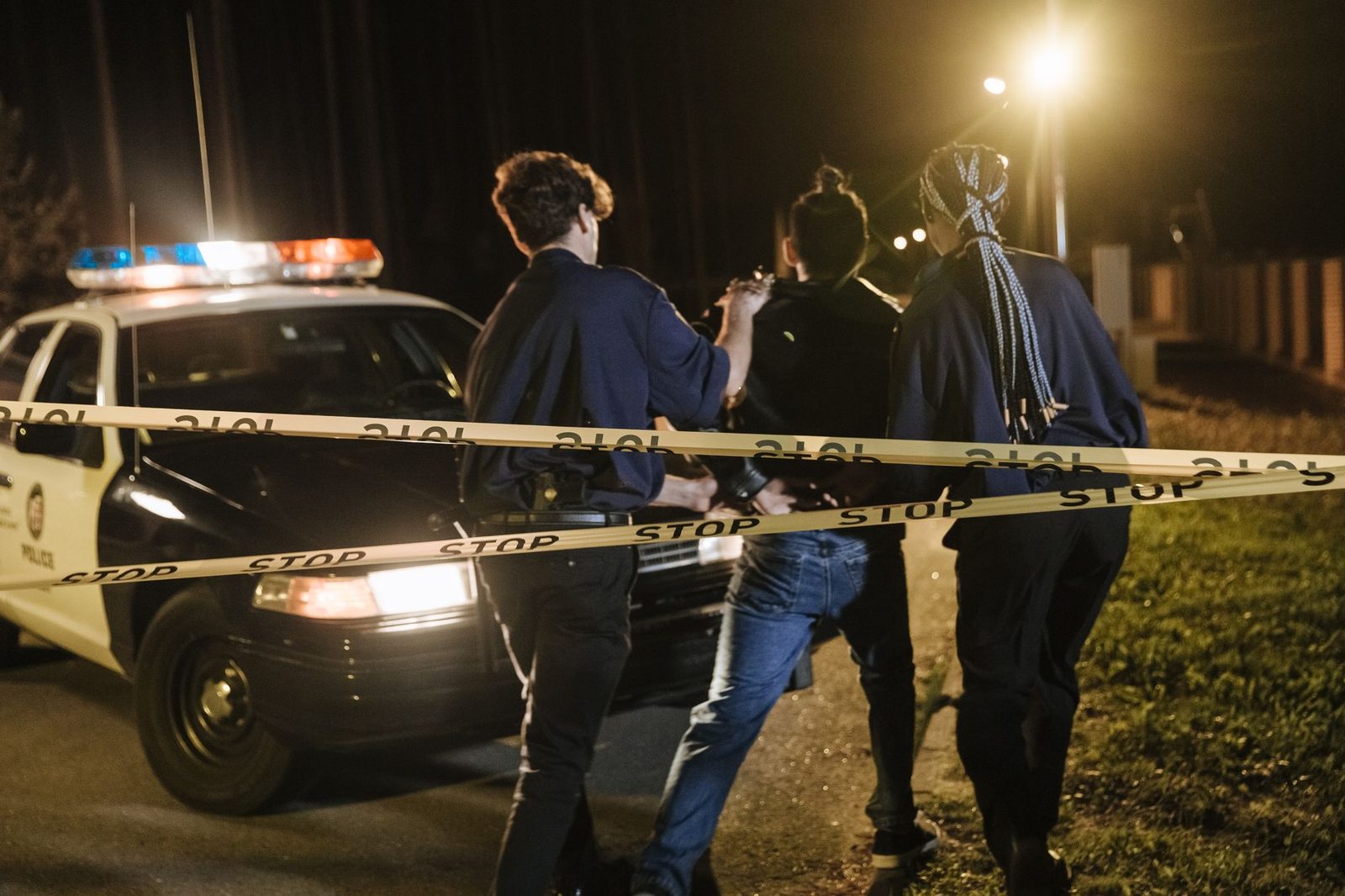
The first appearance is the hearing where a judge states the charge and addresses release. Florida’s rules require it within 24 hours of arrest, except when the person was previously released in a lawful manner.
Under Fla. R. Crim. P. 3.130, every arrested person must be taken before a judge within 24 hours, unless previously released in a lawful manner. The judge must tell you the charge and that you are not required to say anything, that anything you say may be used against you, that if you are unrepresented you have a right to counsel and, if you cannot afford counsel, that counsel will be appointed, and that you have a right to communicate with counsel, family, or friends.
If you’re entitled to appointed counsel and want one, the judge must appoint counsel no later than this hearing. No further steps should be taken until you and your lawyer have had an adequate chance to confer, unless you have intelligently waived the right to be represented by counsel. A waiver of counsel at this stage must be in writing, signed, dated, and limited to the first appearance.
Release terms are set here too. Under Fla. R. Crim. P. 3.131, a defendant is entitled to pretrial release on reasonable conditions. Under Fla. Stat. § 903.046, the court weighs your likelihood of appearing and any danger to the community. It also considers family ties, residence, immigration status, employment history, financial resources, and mental condition.
Is Leaving the Scene of a Fatal Crash a Felony in Florida?
Yes.
Vehicular homicide is a separate charge. Under Fla. Stat. § 782.071, it is killing a person by operating a motor vehicle in a reckless manner likely to cause death or great bodily harm. The basic version is a second-degree felony. It becomes a first-degree felony if the person knew or should have known the accident occurred and failed to give information and render aid. That version does not require knowing that anyone was injured or killed.
The information-and-aid duty is not the same as the duty to stay. Florida’s hit-and-run guidance from the Department of Highway Safety and Motor Vehicles covers the duty to remain at the scene. Because these charges turn on what you knew and did, the early facts matter a great deal.
What Bond Conditions Apply After a Fatal Crash Arrest?
Bond conditions are the rules you must follow while your case is pending. A judge can revoke release if you break them.
Under Fla. Stat. § 903.047, every pretrial release requires you to refrain from criminal activity of any kind. Fla. Stat. § 903.047 reads: “(b) If the court issues an order of no contact, refrain from any contact of any type with the victim, except through pretrial discovery pursuant to the Florida Rules of Criminal Procedure.” If you request it and the victim and you have children in common, the court may designate a third person to contact the victim solely to facilitate your contact with the children; your lawyer may still communicate for lawful purposes. You must receive that order in writing before release. It can also bar you from coming within 500 feet of that person’s home, vehicle, or workplace.
Other conditions can include avoiding excessive alcohol, avoiding drugs without a prescription, and completing any evaluation the court orders. Under Fla. Stat. § 903.0471, a judge may revoke release and order detention if there is probable cause of a new crime or a material violation of a condition. Treat every condition as binding from the moment you walk out.
How Do Driving Papers and Crash Reports Fit In?
Your court paperwork and the crash file are two records you need to track early. Both can shape what happens next.
Keep every court document and any notice from the Department of Highway Safety and Motor Vehicles. Read the dates and conditions on each one. The crash report and arrest report describe what officers recorded at the scene. Ask the investigating agency for copies so you can compare them with your own account.
Evidence is the other side of the record. Scene photos, vehicle damage, and witness names are often gathered early. Once charges are filed, Florida’s discovery rule governs what the State must share. Under this release rule, a no-contact order does not bar contact through pretrial discovery under the Florida Rules of Criminal Procedure.
What Happens Between Hours 24 and 72?
Under Fla. R. Crim. P. 3.134, the state must file formal charges on defendants in custody within 30 days from the date they are arrested, and on defendants on pretrial release within 60 days. For someone held in custody, the State has 30 days.
Under Fla. R. Crim. P. 3.134, the State must file formal charges on a defendant in custody within 30 days of arrest. In no event may a person stay in custody beyond 40 days without formal charges.
Once charged, a lawyer can file a written plea of not guilty at or before arraignment. Under Fla. R. Crim. P. 3.160, arraignment is then deemed waived. After a not-guilty plea, you’re entitled to a reasonable time to prepare for trial.
In the first days, keep the crash off social media. Talk about it only with your lawyer. Anything you say to friends, family, or the other driver’s relatives can be repeated later.
Not sure what your next step is?
Talk it through with our team — the first consultation is free, confidential, and carries no obligation.
How Do a Job or Immigration Status Change the Next 72 Hours?
For licensed professionals and non-citizens, the first days after arrest can carry consequences beyond the courtroom. Plan ahead for both.
Employers and licensing boards may ask about an arrest. Decide in advance who you will tell and what you will say. Your lawyer can help you think through those questions before you answer them.
For non-citizens, immigration status is one of the factors a court weighs at bond under Fla. Stat. § 903.046. Tell your lawyer about your status at the start, before any plea discussion.
Patrick Wilson Law focuses its criminal defense practice on licensed professionals, non-citizens, and first-time offenders across Miami-Dade and Broward County.
Talk to Patrick Wilson Law About Your Arrest
If you’re waiting on a court date after a crash that killed someone, you don’t have to work through it alone.
How soon must a judge see me?
Within 24 hours of arrest, unless you were released earlier in a lawful way.
Does a public defender get appointed?
If you’re entitled to appointed counsel and want one, the judge must appoint counsel no later than the first appearance.
Patrick David Wilson is the responsible lawyer for this page, and the firm’s office is in Miami, Florida. If you were arrested after a fatal crash and need to talk through bond, charges, and your next court date, call 786-761-1719 or use the contact page. The first consultation is free, confidential, and carries no obligation to continue.
How We Help in the First 72 Hours
Protecting your statements
Anything you say to investigators can be used later. We advise you on what to say and what to leave unsaid.
Early contact with counsel
Bringing a criminal defense lawyer in at the start gives your case the earliest possible attention.
Reviewing the charges
We examine the arrest report, the charging documents and the facts of the crash to understand what the state must prove.
Guidance for your family
We explain the process clearly to you and to the people who depend on you, so no one is left guessing.
Warning: Think Before You Talk
Do not discuss the crash with police, insurance adjusters, coworkers or anyone on social media until you have spoken with a lawyer.
Common Concerns After a Fatal Crash Arrest
What happens at the jail?
Your arrest is only the beginning. Knowing what to expect at booking and first court proceedings helps you make calm, informed decisions.
Can I still work?
A charge involving a fatal crash can affect your job and your license. We discuss how the case may affect your livelihood and what steps can protect it.
Will I need a public defender?
Some people qualify for appointed counsel. We can explain your options and how a privately retained lawyer differs from appointed counsel.
What about the victim's family?
Grief and anger run high after a fatal crash. We handle every contact with the other side so you do not have to.

