
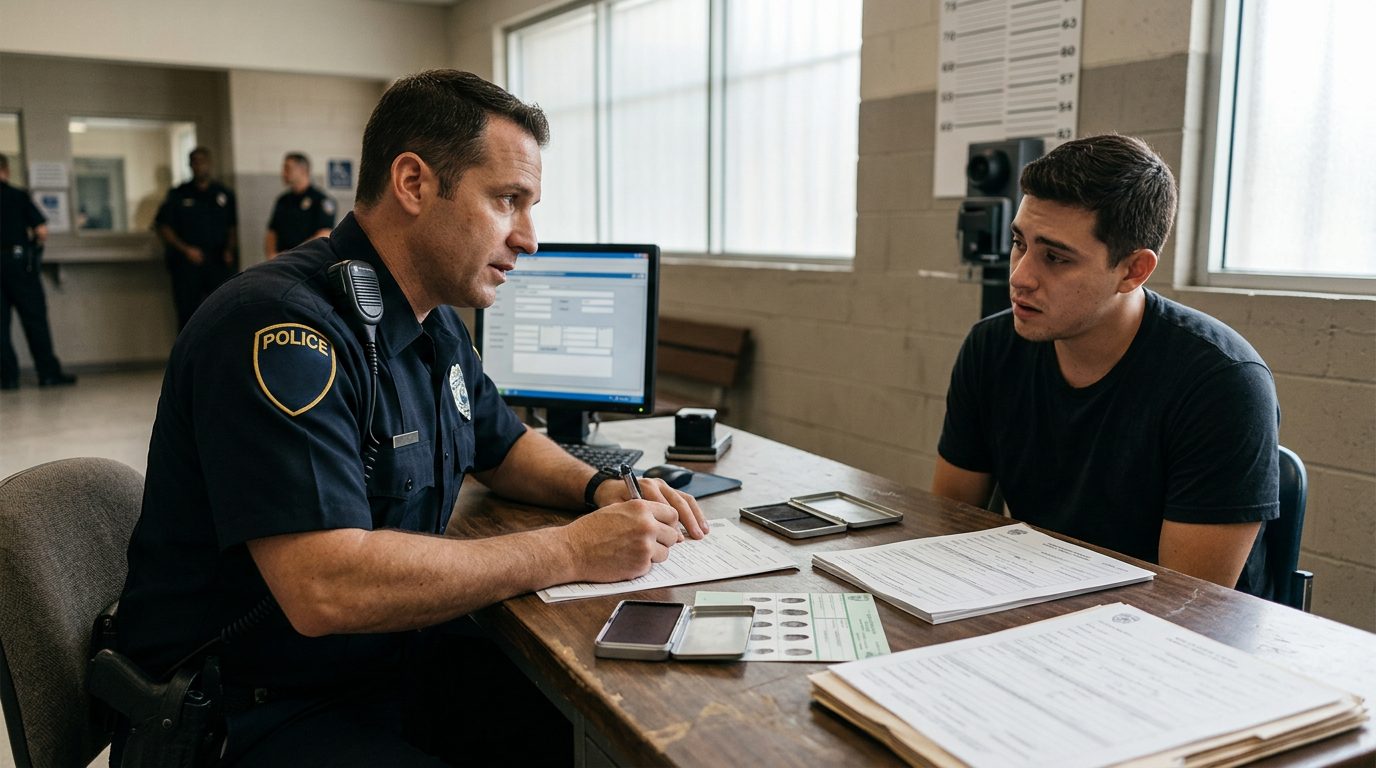
Miami & Miami-Dade County | Vehicular Homicide Defense
Charged with Vehicular Homicide as a First-Time Offender? Talk to a Miami Defense Lawyer Now
Patrick Wilson Law, PLLC focuses on criminal defense for first-time offenders facing serious charges across Miami-Dade, Broward County and the Florida Keys. Your first consultation is free, confidential and without obligation.
By Patrick David Wilson · Published October 22, 2026
A first time offender vehicular homicide Florida charge is frightening, but a clean record still matters. It shapes how a prosecutor and judge look at a case before trial. It does not decide the case on its own. This page explains the factors that matter, what a defense includes, and how sealing works later. Patrick Wilson Law is a Miami criminal defense firm that focuses on these cases across Miami-Dade, Broward, and the Florida Keys.
Who This Page Is For, and Why Patrick Wilson Law Focuses Here
This page is for people with no prior criminal record who face a charge after a crash that caused a death. Patrick Wilson Law focuses on defending first-time offenders in fatal crash cases in Miami-Dade and Broward Counties. The firm serves clients across South Florida.
Maybe you were arrested at the scene. Maybe police told you an investigation is open. Maybe a family member is trying to understand a court notice. Your first question is likely whether a clean record changes anything. It does, though not always in the way people expect.
The firm’s office is in Miami. Patrick David Wilson is the responsible lawyer for this page. Sahara Fonseca is also a lawyer at the firm. The firm has support staff, including assistants and office staff. The firm also handles criminal defense for licensed professionals and for non-citizens, who often face added consequences.
If a crash that killed someone has led to your arrest or an open investigation, you don't have to face the next steps alone. Call 786-761-1719 or leave us a message to talk about your case. Talk it through with our team — the first consultation is free, confidential, and carries no obligation.
What a First-Time Vehicular Homicide Charge Involves
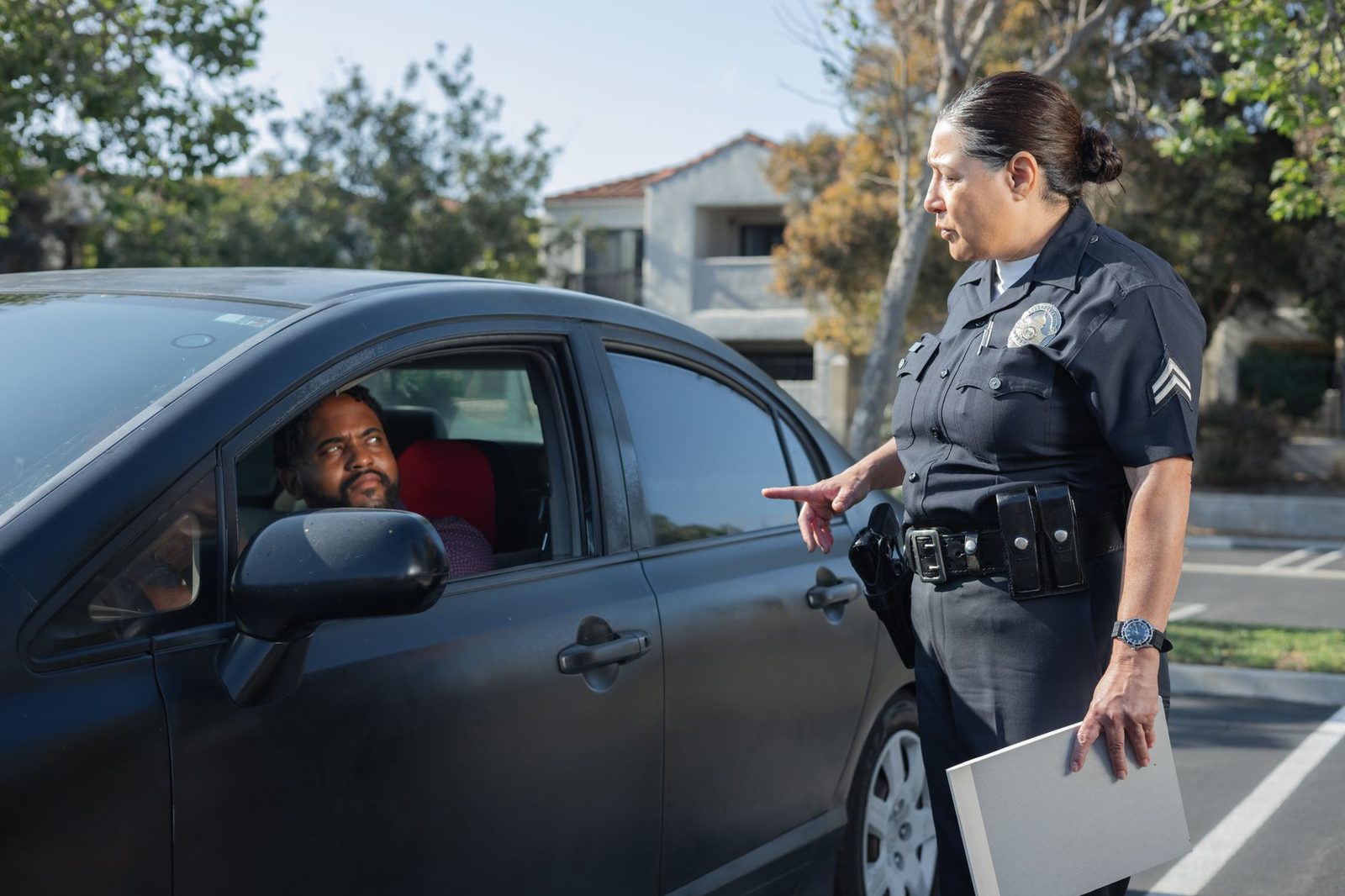
Vehicular homicide in Florida is a killing caused by operating a motor vehicle in a reckless manner likely to cause death or great bodily harm. The Florida vehicular homicide statute sets out that rule. The state must prove the driving was reckless, not just that a crash happened.
The charge level can rise. The basic offense is a second-degree felony. It becomes a first-degree felony if the driver knew or should have known the accident occurred and did not give information and render aid as the law requires. It also becomes a first-degree felony if the driver has a prior conviction under the listed statutes.
That last point shows why a clean record matters. A clean record is not a defense to the elements. It is a fact that can shape talks with the prosecutor.
Related charges often arrive with the same crash:
- Leaving the scene. Florida’s crash statute makes it a first-degree felony to willfully leave the scene of a crash that results in death.
- Driving under the influence. Florida’s DUI statute covers impaired driving.
Factors That Shape Negotiation Before Trial
Negotiation before trial turns on the record, the crash facts, what happened afterward, and the mitigation available. Plea talks happen between the prosecutor and defense counsel. The judge makes the final sentencing decision under Florida’s plea rule.
- Prior record. No prior conviction is a fact the defense can present. It is one factor among several.
- Crash facts. Speed, road and weather conditions, visibility, signals, and vehicle data all matter. So do video and witness accounts.
- Conduct after the crash. Whether the driver stayed at the scene, and how statements were given, both count.
- Mitigation. Florida’s mitigation statute lists factors such as an uncoerced plea bargain and an isolated, unsophisticated offense with real remorse. Documented work, family duties, and community ties can support a request. Present them without overstating them.
- Impairment. Intoxication at the time of the offense is not a mitigating factor under the same statute, except for one drug court path. Families often hope impairment will help.
- Collateral consequences. License status, employment, and professional licensing all shape which terms are workable. Non-citizens face a separate issue. Federal immigration law lists certain convictions as grounds for deportation, so review immigration effects before any plea.
Defense counsel must advise you of all plea offers and their likely results. Counsel cannot agree to a plea without your full consent. These factors vary by case, and no particular result can be promised from them.
What Our Defense Covers, Step by Step
Our defense covers a full review of the evidence, early contact with the prosecutor, motions when the evidence supports them, and negotiation or trial. Our team reviews:
- The police report and crash reconstruction materials
- Scene photos, vehicle data, and toxicology results
- Witness statements, 911 recordings, and dashcam or surveillance footage
Discovery is the formal exchange of evidence. Under Florida’s discovery rule, the prosecutor must serve a written Discovery Exhibit within 15 days after the Notice of Discovery. The rules also require disclosure of police and investigative reports.
When the evidence supports it, we file motions. These can challenge the stop, statements taken, or testing procedures. We negotiate charges and terms, and we review each offer with you before any decision. If a fair resolution isn’t available, we prepare for trial. That includes witness preparation and qualified outside witnesses where the facts call for them.
How the Process Runs: What to Expect
The process starts with a first consultation and moves through evidence review, negotiation, and then either an agreement or a trial. Here is the typical sequence.
- First consultation. We review the charge, the arrest or investigation status, and any court dates.
- Protective steps. We contact the prosecutor and advise you on statements to police.
- Evidence review. We work through discovery. This often takes several weeks to months, depending on how much material exists.
- Negotiation and motions. We keep you informed at each stage.
- Resolution. The case ends by agreement or trial. You make the final decision on any plea.
Each stage opens different options: before charges are filed, after an arrest, and after the case is in court. Timelines vary with court calendars and how complex the evidence is.
Sealing and Expunction After the Case Ends
Sealing and expunction are separate steps that come later. Florida law makes a vehicular homicide conviction ineligible for both.
Under Florida’s ineligibility statute, a record is ineligible if it is a conviction for homicide as defined in the vehicular homicide statute. A “conviction” includes a guilty or no contest plea, even when adjudication is withheld.
Some cases follow a different path.
Any petition needs a certificate of eligibility from the Florida Department of Law Enforcement. The petition must also include a sworn statement, and the court may not order expunction until the person has applied for and received a certificate of eligibility. Fla. Stat. § 943.0585 reads: “(c) The court may order expunction of a criminal history record pertaining to one arrest or one incident of alleged criminal activity only, except that the court may order the expunction of a criminal history record pertaining to more than one arrest if the additional arrests directly relate to the original arrest.” Timing matters for licensing, employment, and immigration questions. We review eligibility once the case result is known.
Not sure what your next step is?
Talk it through with our team — the first consultation is free, confidential, and carries no obligation.
Common Questions About First-Time Offender Fatal Crash Cases
A clean record helps in negotiation, but no particular result can be promised.
Does having no prior record change a vehicular homicide case?
It is one factor in negotiation. It does not remove the elements the state must prove.
Will I go to jail if I’m charged?
The judge decides the sentence. The charge, your record, and the facts of the crash all matter.
Should I talk to police after a fatal crash?
Many people want advice before giving a statement. We can advise you on that during a first consultation.
How much does the first consultation cost?
The first consultation is free, confidential, and carries no obligation to continue.
Can the record be sealed or expunged later?
A vehicular homicide conviction is ineligible under Florida law. Other outcomes may allow a petition, which we review once the result is known.

Talk With Us About Your Fatal Crash Charge
If a crash that someone died in has led to your arrest, a court date, or an open investigation, the next steps can feel overwhelming. You don’t have to sort out statements, court dates, and your license alone. Call 786-761-1719 or send us a message through our contact form to start the conversation.
How We Approach a First-Time Vehicular Homicide Case
Review the Facts of the Crash
We examine the crash scene, reports, witness accounts and any available evidence to understand what happened and what the state must prove.
Weigh Your Clean Record
A first-time offender's history is one factor we raise in discussions with prosecutors. We explain how it fits into your case without overstating its effect.
Protect Your Statements
Before you speak with investigators or insurers about a fatal crash, talk with a lawyer. We help you understand what to say and what to hold back.
Plan Your Defense Together
We keep you informed at every stage, explain each option in plain language and make decisions with you, not for you.
Why First-Time Offenders Contact Patrick Wilson Law
Criminal Defense Focus
Patrick Wilson Law, PLLC focuses on criminal defense, including vehicular homicide, DUI and other serious charges in South Florida.
Serving South Florida
We represent clients in Miami, Miami-Dade County, Broward County, Fort Lauderdale, Kendall, Hialeah, Miami Beach, Homestead and the Florida Keys.
Attorneys Who Take Your Case Personally
Patrick David Wilson, Sahara Fonseca and our team work to understand your background, your work and your family before any decisions are made.
Support for Licensed Professionals
If your license or career is at risk, we consider how a charge could affect your livelihood and plan your defense with that in mind.
Important: Do Not Give a Statement Alone
Speaking with police, insurers or others about a fatal crash without legal guidance can create problems for your case. Contact a lawyer before you give any written or recorded statement.

