

DUI Defense | Miami, FL
What to Ask About Your DUI Blood Test Results
A blood test number is a measurement, not a full record of how you were acting behind the wheel. Learn how results are produced and which questions can help you review them with Patrick David Wilson.
By Patrick David Wilson · Published October 17, 2026
A DUI blood test measures how much alcohol, or how much of a listed drug, is in a sample of your blood. The lab number is a measurement. It is not a direct record of how you were acting behind the wheel. That gap is the first thing to understand about DUI blood test results.
This guide explains how a result is produced, how it reaches a case, and which dates to watch. Some points link to a source, and not every point has a link, so you may want to check the cited statute text yourself. Patrick Wilson Law, PLLC, in Miami, FL, focuses on DUI defense and related criminal matters. Your outcome depends on the facts and applicable law.
What a DUI Blood Test Measures
A DUI blood test reports a blood alcohol concentration (BAC) or the presence of certain drugs. BAC is the amount of alcohol in your blood, often written as a percentage such as 0.08.
Under Florida law, the impaired-driving offense is set out in Fla. Stat. § 316.193. Evidence that is prima facie is treated as starting evidence, and that evidence can be challenged. Under § 316.1934(2), a BAC of 0.05 or less creates a presumption that you were not impaired, and a reading between 0.05 and 0.08 creates no presumption either way. It is weighed with everything else.
Drug results work differently. A lab can show that a substance was present, or how much was there. That alone does not show the substance affected your normal faculties. Whether the offense requires impairment depends on the facts and applicable law. For the wider picture, see our DUI defense guide.
Waiting on a lab result while a license deadline runs can feel hard to track alone. Reach out to Patrick Wilson Law for a free consultation and we can review your paperwork with you. Talk it through with our team — the first consultation is free, confidential, and carries no obligation.
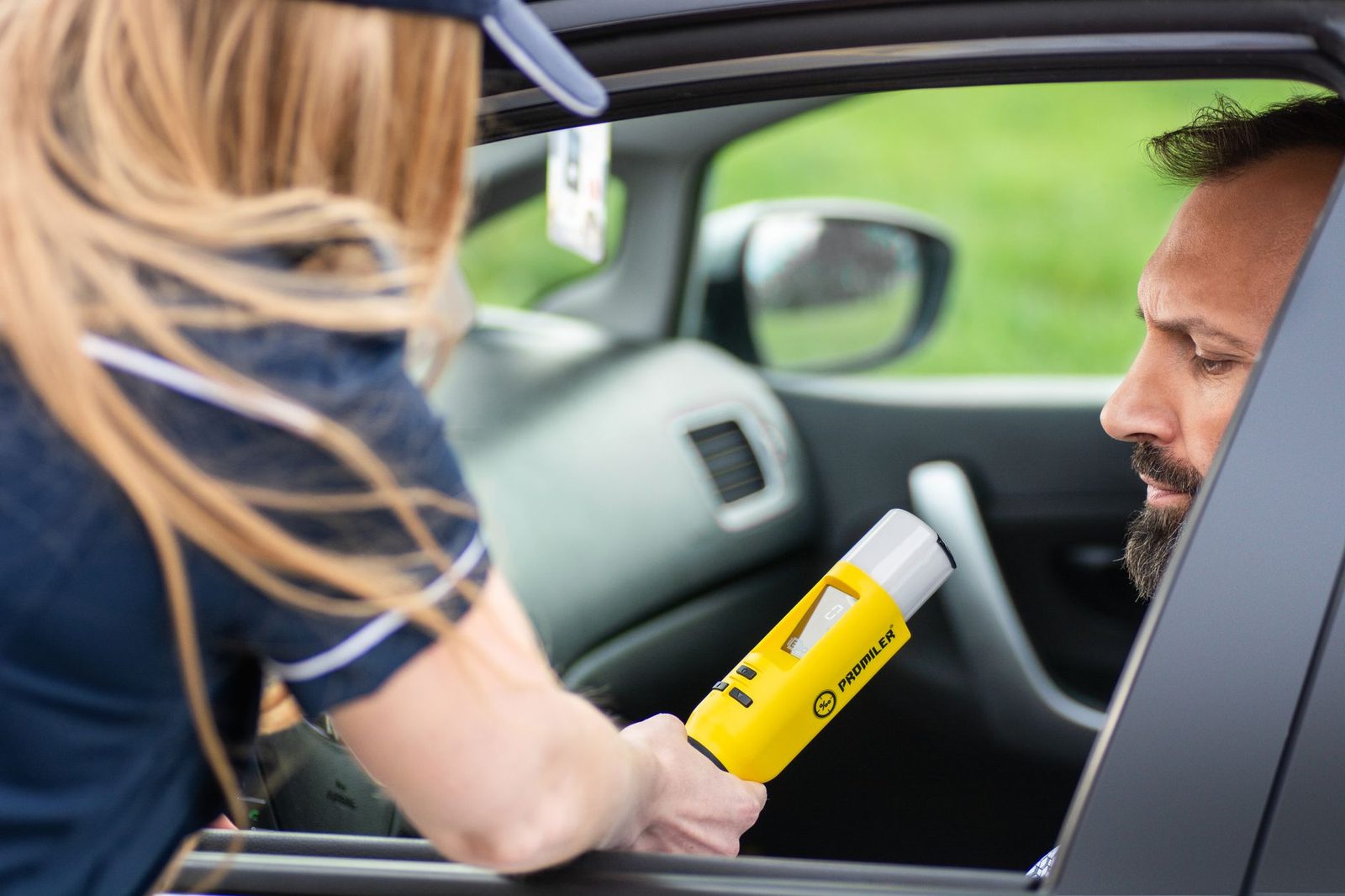
How Blood Test Results Enter a DUI Case
A blood result enters a case in stages: a draw, a lab analysis, and a report that reaches both sides. Implied consent is the rule that often starts this process.
Whether a driver is deemed to consent to an approved blood test depends on the facts and applicable law. That applies when an officer has reasonable cause to believe the driver was impaired, the driver goes to a hospital or other medical facility, and a breath or urine test is impractical or impossible. You may also get your own test at your own expense. Depending on the facts and applicable law, you may be able to request timely phone access to arrange an independent test.
Persons who may draw blood at an officer’s request include physicians, registered nurses, and licensed lab technicians, among others, under Fla. Stat. § 316.1933. The analysis must follow methods approved by the state’s lab agency. The report then moves into the case. The state’s criminal discovery rule, Rule 3.220, governs what each side receives. How and when a result is used depends on the facts and applicable law.
Voluntary Consent Versus Forced Blood Draws
A blood draw looks different when a person agrees than when officers require one. Each situation follows different rules.
Consent can be voluntary, deemed by statute, or required by law. Section 316.1932 covers the medical-facility situation described above. Section 316.1933 goes further in serious cases. If an officer has probable cause to believe a DUI driver caused death or serious bodily injury, a blood test may be required, depending on the facts and applicable law, under Fla. Stat. § 316.1933. The officer may use reasonable force if necessary.
Refusing a breath or urine test has its own penalty. Under Fla. Stat. § 316.1939, a refusal may be charged as a first-degree misdemeanor when the statutory requirements are met, which include probable cause, a lawful arrest, being informed of the consequences, and a prior predicate such as an earlier refusal-related suspension or fine. Any penalty depends on the facts and applicable law. Depending on the facts and applicable law, a refusal may not stay out of the case. Whether a refusal to take a chemical test is admissible in a criminal proceeding depends on the facts and applicable law.
Whether a particular draw was lawful depends on its circumstances and on current court decisions. Those questions need the actual records and facts.
How Long Blood Test Results Take
There is no fixed timeline that fits every case. General information cannot give you a reliable date for your result.
A lab usually moves a sample through several stages: receipt and logging, testing, technical review, and reporting. Each stage can take a different amount of time. Delays may come from lab backlogs, retesting when a value looks unusual, and missing or incorrect paperwork, depending on the facts of the case.
Timing matters for two reasons. First, depending on the facts and applicable law, the duty to send blood results to the state may fall on the officer or the officer’s agency, under Fla. Stat. § 322.2615. Second, the license process can move on dates that do not wait for the lab report. Whether a slow lab report affects the administrative notice that can accompany an arrest depends on the facts and applicable law, including the test result. Write down the date of the arrest and the date of each notice you receive.
License Suspension and the 10-Day Period
A DUI arrest can start a license action that runs apart from the criminal case. The first deadline can be short.
Where a refusal or an unlawful BAC result applies, the officer may take your license and issue a 10-day temporary permit, depending on the facts and applicable law. The officer also issues a notice of suspension. Whether notice is complete, and whether a suspension date applies when notice is not received, depends on the facts and applicable law.
You can request a formal review before a hearing officer. If you fail to appear without just cause, you lose the right to that hearing, and the suspension stands. Read your notice the day you receive it. It should state how to request review and when.
The length of any suspension depends on the facts, the test result or refusal, and applicable law. Under Fla. Stat. § 322.28, the department generally cannot suspend a license for more than 1 year, unless the statute provides otherwise. The two tracks run separately. The outcome of one proceeding does not automatically decide the other.
Questions That Can Affect How a Result Is Challenged
A blood result can be questioned on who handled it, how it was stored, and whether the lab followed approved methods.
Chain of custody is the paper trail of a sample. It shows who drew it, how it was labeled, where it was stored, and who carried it to the lab. Gaps or errors in that trail are a common subject of questions.
The test must follow approved methods, under Fla. Stat. § 316.1934. The statute also says insubstantial differences do not render results invalid.
Calibration records, quality-control logs, and the lab’s written procedures are the kinds of records to request in the case. Some cases also use a toxicologist, a scientist who studies alcohol and drugs in the body, to explain the numbers. Whether that helps depends on the facts.
Not sure what your next step is?
Talk it through with our team — the first consultation is free, confidential, and carries no obligation.
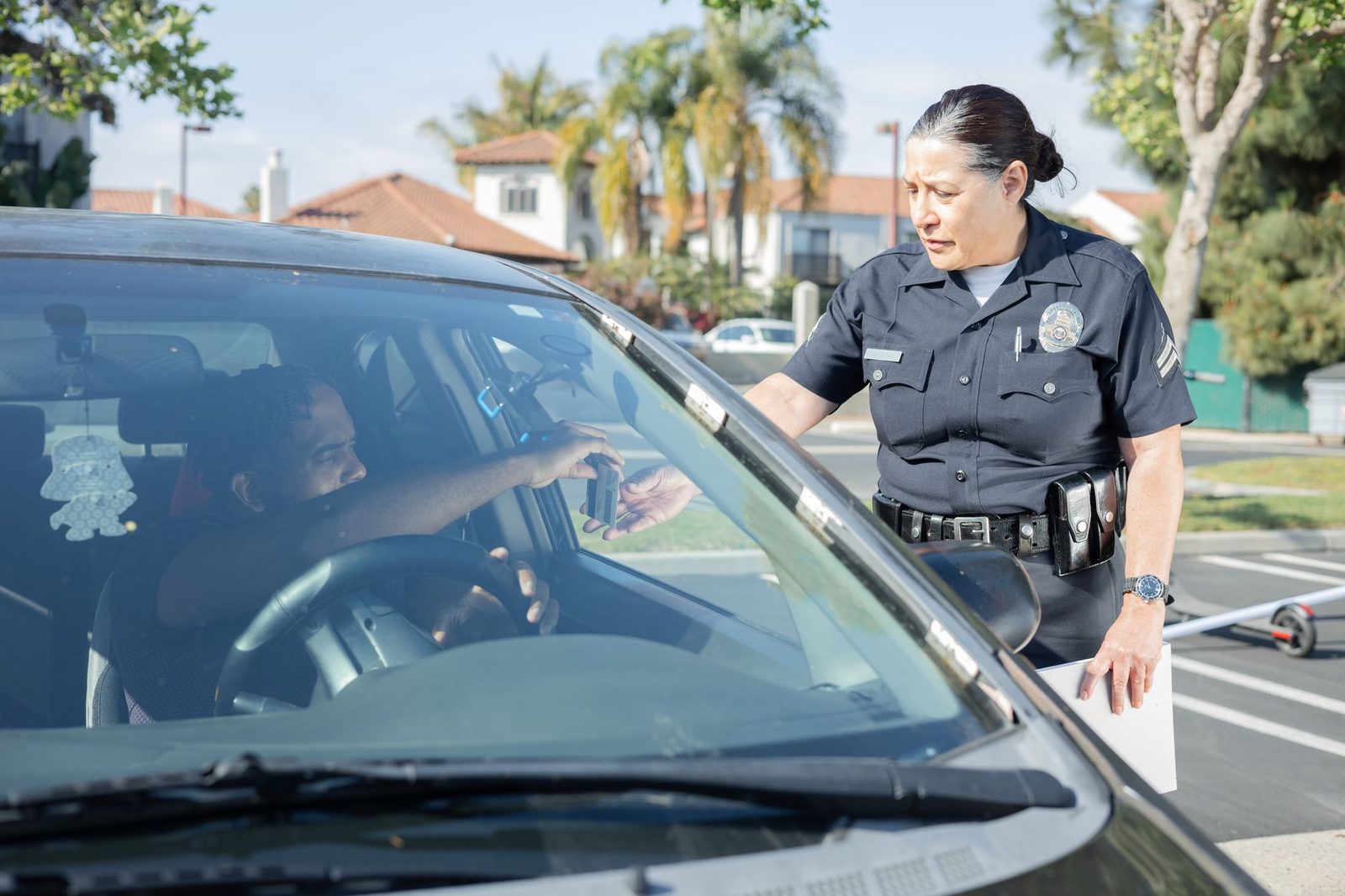
What to Do Next If a Result Is Pending
If a result is still pending, write down your timeline, keep every document, and mark each date you find.
- Write the time of the stop, the time of arrest, where the draw happened, and who was present.
- Keep the citation, any temporary permit, and every notice of license action.
- Note the date of each notice and any deadline it states.
- Do not guess at a result. No one can predict it without reviewing the records.
Quick Answers
How long does a DUI blood test take? There is no fixed timeline for every case. Your own dates and records matter most.
Does a test reading prove impairment? Under Fla. Stat. § 316.1934, a specified test result is prima facie evidence that the person was under the influence of alcoholic beverages to the extent that his or her normal faculties were impaired. Whether that applies, and how it can be challenged, depends on the facts and applicable law.
Can a license be suspended after a blood result? It can, depending on the result, any refusal, and applicable law.
Waiting on a lab result while a license deadline runs can feel hard to track alone. If you have your arrest paperwork, reach out to Patrick Wilson Law for a free consultation or call 786-761-1719 to walk through your specific documents.
Questions to Ask About a Blood Test Result
Collection
Who drew the blood, when was it drawn in relation to driving, and what records show how the sample was collected and labeled?
Handling and Custody
Can the chain of custody be traced from collection to the lab? How was the sample stored, and were any gaps or irregularities documented?
Laboratory Testing
Which laboratory tested the sample, what method was used, and what quality-control and calibration records exist? What does the reported measurement uncertainty mean?
Your Paperwork
Which notices, reports and receipts have you received? Check your own documents and ask what dates or deadlines apply to your case, since these depend on the facts and applicable law.
Keep Every Document
Keep every notice, lab report, collection record and receipt you receive. These documents may matter when a result is reviewed. How they affect your case depends on the facts and applicable law.
How a Consultation Works
Record Review
Patrick David Wilson reviews the lab report, collection records and chain-of-custody documents that relate to your case.
Plain-Language Explanation
Patrick David Wilson explains what the reported numbers measure and what they do not measure, in terms you can follow.
Confidential First Meeting
The first consultation is free, confidential and comes with no obligation to continue.
Direct Attention
Your questions go to Patrick David Wilson, the lawyer responsible for this practice, who focuses on DUI defense in Miami and across South Florida.
Have Questions About a Blood Test Result? Call 786-761-1719
Related practice areas
- DUI Defense in Miami-Dade & Broward County | Patrick Wilson Law
- Plea Bargains in Florida DUI Cases: What You Should Know
- How Much Does a Defense Attorney Cost in Miami-Dade?

