

DUI Defense
DUI Lawyer Miami | Defense in Miami-Dade & Broward County
Patrick Wilson Law defends people facing DUI charges across South Florida. First-time offenders, licensed professionals, and those with prior records—we handle the administrative and criminal sides of your case.
By Patrick David Wilson · Published September 30, 2026
DUI Defense in Miami-Dade & Broward County
A DUI arrest in South Florida triggers immediate consequences: your driver’s license is suspended on the spot, criminal charges follow, and the stakes extend far beyond the courtroom—your job, your professional license, and your record are all at risk. Patrick Wilson Law defends people across Miami-Dade, Broward County, and the Keys against DUI charges, with particular focus on first-time offenders and licensed professionals whose careers hang in the balance. This page walks you through what a DUI arrest means, how the process unfolds, what you face, and why immediate legal representation protects your rights and your future.
Not sure what your next step is?
Talk it through with our team — the first consultation is free, confidential, and carries no obligation.
DUI Defense in Miami-Dade and Broward County
Patrick Wilson Law has defended people facing DUI charges across South Florida for years, from Miami Beach to Hialeah, Kendall to Fort Lauderdale, and throughout the Florida Keys. DUI charges carry serious consequences that reach into every part of your life: criminal penalties (jail, fines, probation), immediate license suspension, mandatory education programs, and a permanent criminal record that affects employment, housing, professional licensing, and background checks. First-time offenders and licensed professionals face particular stakes—a conviction can derail a medical career, end a legal practice, disqualify a pilot, or cost a nurse their license, independent of criminal penalties. The arrest process, evidence collection, police procedures, and prosecution strategy all present opportunities for defense. This page covers the landscape of DUI defense in the region; linked pages address specific charges, defenses, and local jurisdictions where you may be facing charges.
What Happens After a DUI Arrest in Florida
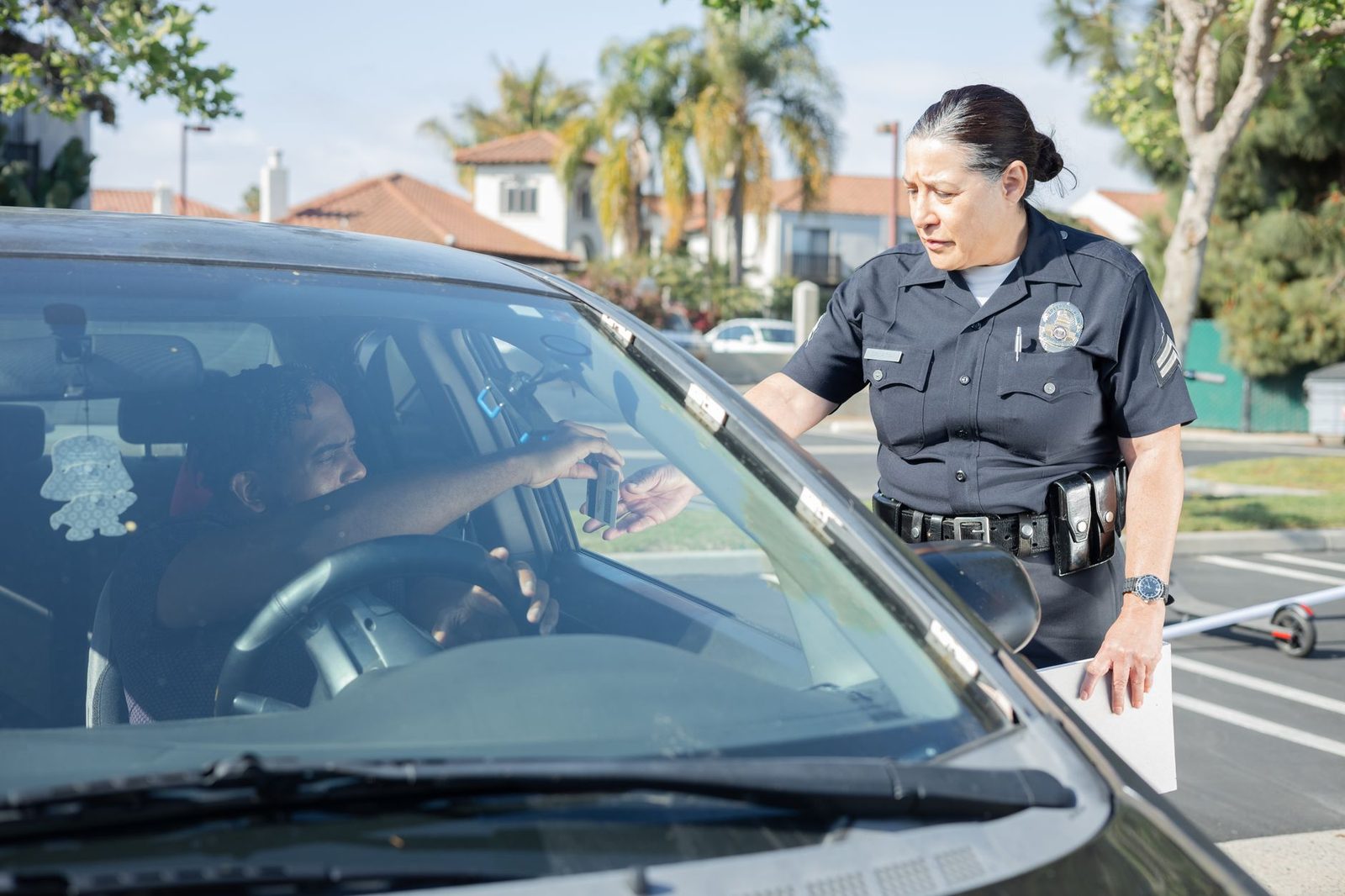
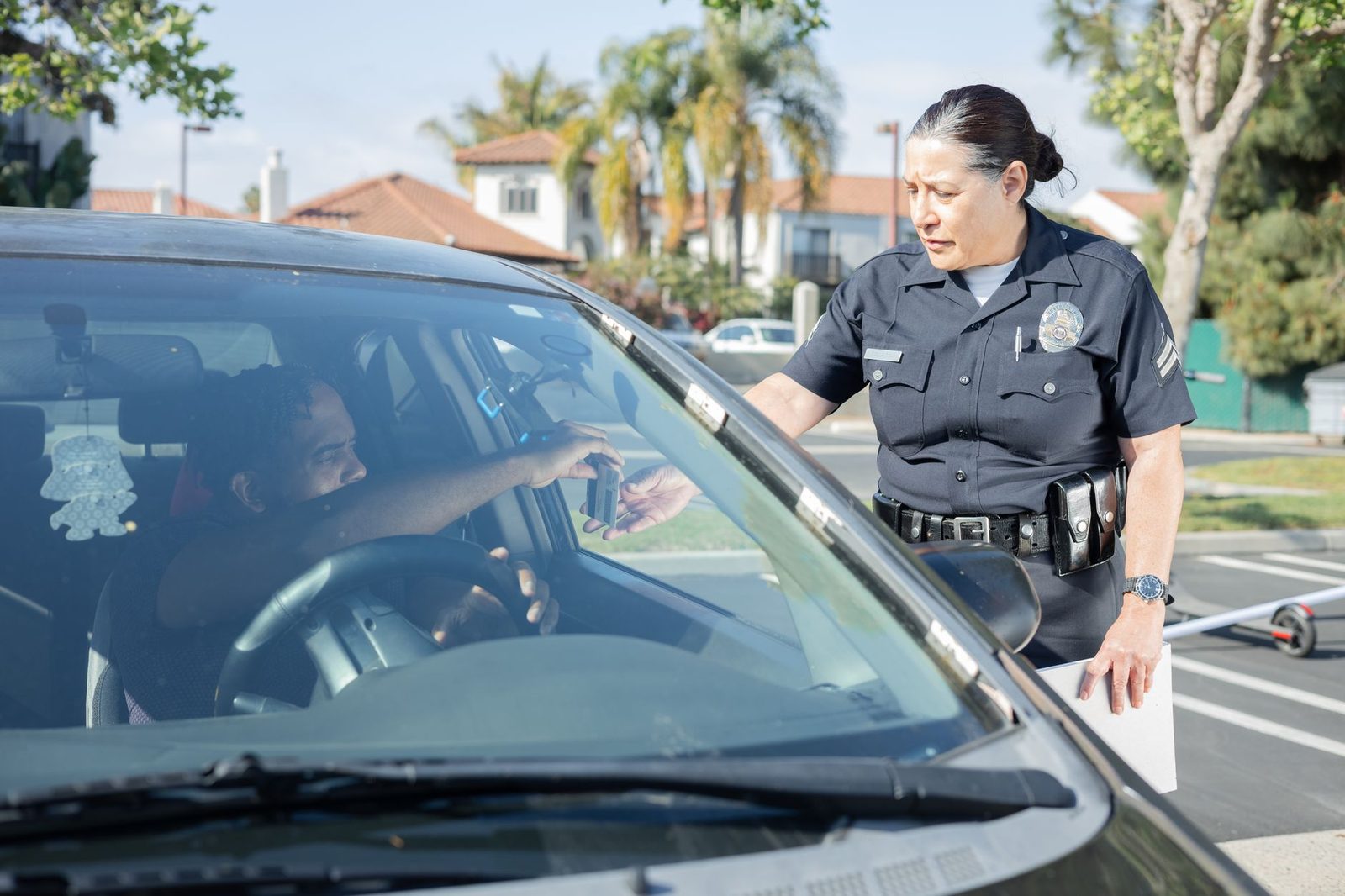
Understanding the process helps you make informed decisions immediately. When police stop your vehicle and suspect DUI, they conduct field sobriety tests (walk-and-turn, one-leg stand, horizontal gaze nystagmus), observe your appearance and behavior, and typically request a breath or blood test. If you’re arrested, you’re taken to the police station for booking, where your observations are documented and a breath or blood test is usually requested again. Simultaneously, an administrative license suspension begins—your driver’s license is suspended immediately upon arrest, separate from any criminal court proceeding. This suspension happens regardless of whether you’re ultimately convicted; it’s a civil administrative action, not a criminal penalty. Criminal charges are filed by the state based on arrest evidence; the charges vary depending on whether this is your first offense, whether anyone was injured, or whether property was damaged. Your case then moves through the court system: arraignment (initial appearance), discovery (exchange of evidence), potential plea negotiations, and trial if the case proceeds. Timeline matters enormously. Early legal representation protects your constitutional rights during questioning, testing, and booking, allows investigation of police procedures and evidence quality before charges are finalized, and opens negotiation opportunities with prosecutors. The longer you wait, the more evidence may be lost, witnesses may become unavailable, and opportunities for favorable resolution may close.
DUI Penalties and Consequences in Florida
Penalties depend on whether this is your first offense, whether prior DUI convictions exist within the past 5 or 10 years, and whether the offense involved property damage, injury, or death.
First-offense DUI carries up to 6 months in jail, a $500–$1,000 fine, 6-month driver’s license suspension, and mandatory completion of DUI school. A criminal record is created and remains public unless later sealed or expunged.
Subsequent offenses escalate significantly. A second DUI within 5 years carries up to 9 months jail, $1,000–$2,000 fine, and 5-year license suspension. A third or fourth DUI within 10 years becomes a felony with 2–5 years prison and longer suspension periods.
Enhanced charges—DUI with property damage, injury, or death—move into felony territory with mandatory minimum prison sentences. DUI causing injury is a felony with mandatory minimum prison time. Vehicular homicide (DUI causing death) carries substantial prison sentences, often 10+ years depending on circumstances.
Beyond criminal penalties, consequences ripple through your life. Your driver’s license suspension begins immediately and lasts 6 months minimum for a first offense (longer if you refused the breath or blood test, or if you have prior convictions). License reinstatement requires completion of DUI school, payment of fees, and proof of insurance. A criminal conviction can trigger disciplinary action through professional licensing boards—doctors, nurses, lawyers, pilots, and other licensed professionals may face suspension or revocation of their license independent of criminal penalties. Employment becomes difficult; many employers conduct background checks and won’t hire someone with a DUI conviction. Housing applications, loans, and insurance rates are affected. For non-citizens, a DUI conviction can trigger immigration consequences including deportation.
How DUI Evidence Is Gathered and Challenged
The state’s case rests on evidence collected during the arrest. Understanding how that evidence is gathered and what weaknesses it may contain is central to defense strategy.
Field sobriety tests are standardized but subjective. The walk-and-turn test, one-leg stand, and horizontal gaze nystagmus (eye movement) test are designed to measure impairment, but they’re administered in real-world conditions—on a roadside, in poor lighting, in traffic, often in cold or wet weather. Officer training, test administration, and interpretation vary. Medical conditions, medications, fatigue, and even shoes affect performance. These tests are subject to procedural challenge and reliability questions; improper administration or deviation from standardized procedures can undermine their weight.
Breath tests measure blood alcohol content (BAC) through a breathalyzer device. Accuracy depends entirely on equipment calibration, maintenance records, operator certification, and proper test administration. If the device wasn’t calibrated recently, wasn’t maintained properly, or the operator wasn’t certified, the result is unreliable. Rising blood alcohol (alcohol still being absorbed into your bloodstream) can also affect results.
Blood tests are collected, stored, and transported according to strict procedures. Chain-of-custody errors, improper storage, contamination, or lab mistakes can introduce unreliability. Blood tests are generally more accurate than breath tests, but procedural failures compromise their reliability.
Police observations of your driving, appearance, and behavior are recorded in the arrest report. These observations are subjective and may be inaccurate or influenced by officer bias or expectation.
Your right to refuse a breath or blood test exists under Florida law, though refusal carries separate administrative consequences (automatic 12-month license suspension for a first refusal). Refusal doesn’t prevent prosecution, but it does eliminate breath or blood evidence, forcing the state to rely on field sobriety tests, police observations, and other evidence.
Defense strategy focuses on evidence quality. Was the traffic stop lawful? Did police have reasonable suspicion to stop your vehicle? Were field sobriety tests administered correctly? Was the breathalyzer or blood test equipment properly maintained and calibrated? Was the operator certified? Was the chain of custody preserved? Can the state prove guilt beyond reasonable doubt without reliable evidence? These questions shape the defense.
DUI Defense Strategies
Defense approaches vary based on the specific facts of your arrest and the evidence the state has gathered.
Challenging the traffic stop is often the starting point. Police must have reasonable suspicion (a specific articulable fact suggesting criminal activity) to stop your vehicle. If the stop was unlawful—the officer had no valid reason—all evidence obtained after the stop may be excluded from trial, potentially ending the prosecution.
Questioning field sobriety test administration focuses on whether tests were conducted according to standardized procedures. Deviations from the standard undermine reliability and can be challenged at trial or in pretrial motions.
Examining breath and blood test accuracy involves requesting maintenance records, calibration logs, operator certification, and chain-of-custody documentation. Equipment failures, maintenance lapses, or operator error can render results unreliable.
Investigating police conduct includes reviewing whether you were properly advised of your rights, whether questioning was coercive, and whether any statements you made were obtained in violation of your constitutional rights.
Medical and physiological factors may explain test results. Certain medical conditions, medications, foods, or mouth alcohol can affect breath test results. These factors may be presented as alternative explanations.
Negotiating plea options may be appropriate depending on circumstances. Diversion programs, reduced charges, or plea agreements to lesser offenses may be available, particularly for first-time offenders.
Preparing for trial means presenting evidence and cross-examining prosecution witnesses to challenge the state’s case and create reasonable doubt.
DUI License Suspension and Driving Privileges
Your driver’s license suspension begins immediately upon arrest—before any criminal conviction. This is an administrative action, separate from criminal court.
Administrative suspension typically lasts 6 months for a first offense. If you refused the breath or blood test, the suspension is 12 months. If you have prior DUI convictions, suspension periods are longer.
Hardship licenses may be available to restore limited driving privileges for work, school, medical appointments, or DUI school attendance. Eligibility depends on circumstances, but many people qualify. A hardship license allows you to drive to and from specific locations during specified hours.
Reinstatement requires completion of DUI school, payment of reinstatement fees (typically $100–$200), and proof of insurance. After reinstatement, you may be required to install an ignition interlock device (a breathalyzer installed in your vehicle) as a condition of driving.
Early legal action can preserve your ability to request a hardship license and protect your driving privileges during the suspension period.
Have questions about what happened?
Ask our team directly. The first conversation is free, confidential, and there is no obligation to continue.
Special Circumstances: First-Time Offenders and Licensed Professionals
First-time offenders often have options unavailable to repeat offenders. Diversion programs allow eligible first offenders to avoid a criminal conviction by completing probation, DUI school, and other requirements. After successful completion, charges may be dismissed. Early legal representation maximizes the likelihood of diversion eligibility and improves negotiation outcomes.
Licensed professionals—doctors, nurses, lawyers, pilots, accountants, and others—face dual consequences. A criminal DUI conviction triggers not only criminal penalties but also separate disciplinary action through the professional licensing board. A doctor may lose their medical license; a lawyer may face bar discipline; a pilot’s license may be revoked. These professional consequences are often more devastating than criminal penalties. Defense strategy must address both the criminal case and the professional licensing implications. Early engagement with an attorney who understands both criminal law and professional licensing consequences is critical.
Record sealing and expungement may be available after successful completion of diversion, probation, or a sentence. Sealing or expunging your record limits public access and allows you to answer “no” to questions about criminal history in many contexts (though some employers and licensing boards can still access sealed records). For licensed professionals, a sealed record can prevent career-ending consequences.
DUI Charges in Specific South Florida Locations
DUI charges in different South Florida jurisdictions involve distinct local court rules, prosecutor policies, and judge practices that affect defense strategy.
Miami Beach is a high-traffic area with frequent DUI enforcement, particularly in entertainment districts. Local court procedures and prosecutor practices differ from other Miami-Dade locations.
Hialeah has its own municipal court system with separate procedures and local rules.
Kendall, Coral Gables, and Doral are suburban Miami-Dade areas with specific enforcement patterns and court practices.
Broward County includes Fort Lauderdale and other municipalities, with county-level procedures and practices distinct from Miami-Dade.
Florida Keys involve a different judicial circuit with unique local considerations.
Each jurisdiction’s local rules, prosecutor tendencies, and judge practices shape defense strategy. An attorney familiar with your specific jurisdiction has a significant advantage.
Enhanced DUI Charges: Property Damage, Injury, and Death
If your DUI involved property damage, injury, or death, charges escalate substantially.
DUI with property damage may be charged as a misdemeanor or felony depending on damage value and your prior record.
DUI causing injury is a felony with mandatory minimum prison time. Penalties increase based on the severity of injury and whether the victim was a child.
Vehicular homicide (DUI causing death) is a serious felony with substantial prison sentences, often 10+ years or more depending on circumstances and prior record.
Aggravating factors—high blood alcohol level, prior DUI convictions, refusal to test, accident severity—increase penalties. Defense becomes more complex, requiring investigation of accident circumstances, causation, and evidence quality.
Why Early Legal Representation Matters
The first days after a DUI arrest are critical. Decisions made immediately—whether to speak to police, whether to consent to testing, whether to request an attorney—significantly affect your case.
Immediate rights protection begins when an attorney is present during questioning, testing, and booking. Your constitutional rights are protected; you’re not pressured into incriminating statements or consent to searches.
Evidence preservation through early investigation can identify problems with police procedures, equipment maintenance, witness statements, or other evidence before it’s lost or destroyed.
Administrative action can be addressed immediately. An attorney can challenge the license suspension and request a hardship license, restoring your ability to drive for essential purposes.
Negotiation timing matters. Early engagement allows an attorney to negotiate with prosecutors before charges are finalized, potentially securing reduced charges or diversion eligibility.
Case strategy develops from thorough review of arrest circumstances, evidence, and applicable law. A comprehensive strategy is far more effective than reacting to prosecution moves later.
Delay increases risk. The longer you wait, the more evidence may be lost, witnesses may become unavailable, and opportunities for negotiation may close. Early representation is an investment in your future.
What to Expect When You Contact Patrick Wilson Law
When you reach out, you’ll have a free consultation to discuss your arrest, charges, and circumstances without obligation. An attorney will review police reports, test results, and arrest procedures. You’ll receive a plain-language explanation of the charges you face, potential consequences, and available options—not legal jargon, but clear information you can understand and act on. Defense strategy is tailored to your specific situation, not a one-size-fits-all response. Throughout the process, you stay informed; your attorney answers questions and explains next steps. Patrick Wilson Law handles cases across Miami-Dade, Broward County, and surrounding areas, with deep familiarity with local court procedures, prosecutor practices, and judge tendencies in each jurisdiction.
Next Steps: Protecting Your Rights and Your Future
A DUI arrest demands immediate attention. The consequences extend far beyond criminal penalties—your license, your job, your professional standing, and your record are all at stake. You have the right to legal representation, and early engagement with an attorney protects your rights during investigation and negotiation, preserves evidence, and opens opportunities for favorable resolution that may not be available if you wait.
If you’ve been arrested for DUI in Miami-Dade, Broward County, or anywhere across South Florida, the decisions you make in the first days matter enormously. People in your situation—facing criminal charges, worried about their license, concerned about their job or professional license—can contact Patrick Wilson Law to understand their rights and protect their future. Reach out now for a free consultation. Call 786-761-1719 or visit us online to leave a message.
Want to know where you stand?
Tell us what happened and our team will walk you through the options available to you, at no cost.
FAQ
What is the difference between administrative license suspension and criminal DUI penalties?
Administrative suspension is a civil action by the Department of Highway Safety and Motor Vehicles that suspends your license immediately upon arrest, separate from criminal court. Criminal penalties (jail, fines, probation) are imposed by a criminal court only after conviction.
Can I get a hardship license while my license is suspended?
Yes, hardship licenses are often available to restore limited driving privileges for work, school, medical appointments, and DUI school during the suspension period. Eligibility depends on your circumstances; an attorney can help you request one.
What happens if I refuse a breath or blood test?
Refusal doesn’t prevent prosecution, but it triggers automatic 12-month license suspension and eliminates breath or blood evidence, forcing the state to rely on field sobriety tests and police observations. Refusal can be challenged in some circumstances.
How does a DUI conviction affect my professional license?
A criminal DUI conviction triggers separate disciplinary action through your professional licensing board. Doctors, nurses, lawyers, pilots, and other licensed professionals may face suspension or revocation of their license independent of criminal penalties.
Can a DUI record be sealed or expunged?
Yes, after successful completion of diversion, probation, or a sentence, your record may be sealed or expunged, limiting public access and allowing you to answer “no” to criminal history questions in many contexts.
What defenses are available against field sobriety tests?
Field sobriety tests are subjective and subject to challenge. Improper administration, deviation from standardized procedures, medical conditions, medications, fatigue, and environmental factors (poor lighting, roadside conditions) can undermine reliability and be challenged at trial.
How accurate are breathalyzer tests?
Breathalyzer accuracy depends on equipment calibration, maintenance records, operator certification, and proper test administration. If the device wasn’t maintained or calibrated properly, or the operator wasn’t certified, results are unreliable and subject to challenge.
How We Defend DUI Cases
Administrative & Criminal Defense
We address both the civil license suspension from the Department of Highway Safety and Motor Vehicles and the criminal charges in court.
Field Sobriety & Breath Test Challenges
We examine the procedures, calibration records, and administration of roadside tests and breathalyzer results.
Arrest & Stop Legality
We review whether the initial traffic stop and arrest followed proper legal procedures.
First-Time Offender Focus
We work to minimize consequences for those facing their first DUI charge, including exploring diversion and mitigation options.
Act Quickly on License Suspension
After a DUI arrest, you have a limited window to request a hearing to challenge the administrative suspension of your license. Delay can result in an automatic suspension.
DUI Defense for Your Situation
Licensed Professionals
Doctors, nurses, pilots, and other licensed professionals face career-ending consequences from a DUI conviction. We work to protect your professional standing.
Non-Citizens
A DUI conviction can trigger immigration consequences. We understand how criminal charges affect visa status and residency.
Repeat Offenders
Prior DUI convictions increase penalties significantly. We examine all defenses and mitigation strategies available to you.
Hardship License & Reinstatement
We help you navigate the process of obtaining a hardship license and working toward license reinstatement.
Common DUI Questions
What is the difference between administrative license suspension and criminal DUI penalties?
Administrative suspension is a civil action by the Department of Highway Safety and Motor Vehicles that suspends your license immediately upon arrest, separate from criminal court. Criminal penalties—jail, fines, probation—are imposed by a criminal court only after conviction.
Can I get a hardship license while my license is suspended?
In many cases, yes. A hardship license allows limited driving for work, school, or medical purposes during a suspension. We can help you apply and present your case to the court.
What happens if I refuse a breath or blood test?
Refusal carries its own penalties under Florida law, including automatic license suspension. However, refusal also means the state has no chemical evidence of impairment, which affects the prosecution's case.
Can a DUI conviction be sealed or expunged?
Eligibility depends on the outcome of your case and Florida's sealing and expungement laws. We evaluate whether your record can be sealed or expunged to limit its impact on employment and housing.
Serving South Florida
Miami & Miami-Dade County
Local defense for DUI charges in Miami, Kendall, Hialeah, Homestead, and throughout Miami-Dade.
Broward County & Fort Lauderdale
We defend DUI cases in Fort Lauderdale and across Broward County.
Florida Keys
We represent clients facing DUI charges in the Keys and surrounding areas.

