
DUI Defense in Miami-Dade and Broward
Can a Lawyer Beat a DUI? A Defense Built on Your Facts
Patrick Wilson Law reviews the traffic encounter, the breath or blood testing, and the state's proof in your case, serving Miami, Fort Lauderdale, the Keys and surrounding South Florida communities.
By Patrick David Wilson · Published October 18, 2026
A lawyer cannot promise that a DUI case will end a certain way. A DUI defense attorney can, however, test the traffic stop, the field sobriety tests, the breath or blood results, and the state’s proof. Whether that review leads to a dismissal, a lower charge, or a trial result depends on those facts and the law that applies.
This page explains what a DUI defense review looks like, where cases get weak, and what to check before your deadlines pass. Patrick Wilson Law, PLLC focuses on criminal defense from its Miami office. The firm serves Miami-Dade County, Broward County, Fort Lauderdale, Kendall, Hialeah, Miami Beach, Homestead, and the Keys.
What “Beating” a DUI Case Really Means
Beating a DUI case usually means avoiding a DUI conviction. That can happen in several ways, and each path depends on the facts and the law.
- Dismissal: The state stops the case because its proof does not hold up.
- Reduced charge: The case ends with a lesser offense through negotiation.
- Acquittal at trial: The judge or jury finds the state did not prove the charge.
- Negotiated resolution: The parties agree on terms short of a DUI conviction, where the law allows it.
No lawyer can promise which path a case will take. Every arrest has its own video, paperwork, and driver history. An arrest is also not a conviction. The state may proceed on impairment, meaning the driver’s normal faculties were impaired, on an unlawful blood or breath alcohol level of 0.08 or higher, or on both, under Fla. Stat. § 316.193. Impairment is one route the state may use, but a per se alcohol-level theory does not require proof of impairment, so the two routes need to be evaluated separately.
Facing a DUI arrest or a license hearing date you can't ignore? Request a free consultation, and we'll review your arrest facts with you. Talk it through with our team — the first consultation is free, confidential, and carries no obligation.
Ways a DUI Defense Attorney Reviews the Case
A review usually starts at the traffic stop and moves through the testing and the license paperwork. Each step can raise questions.
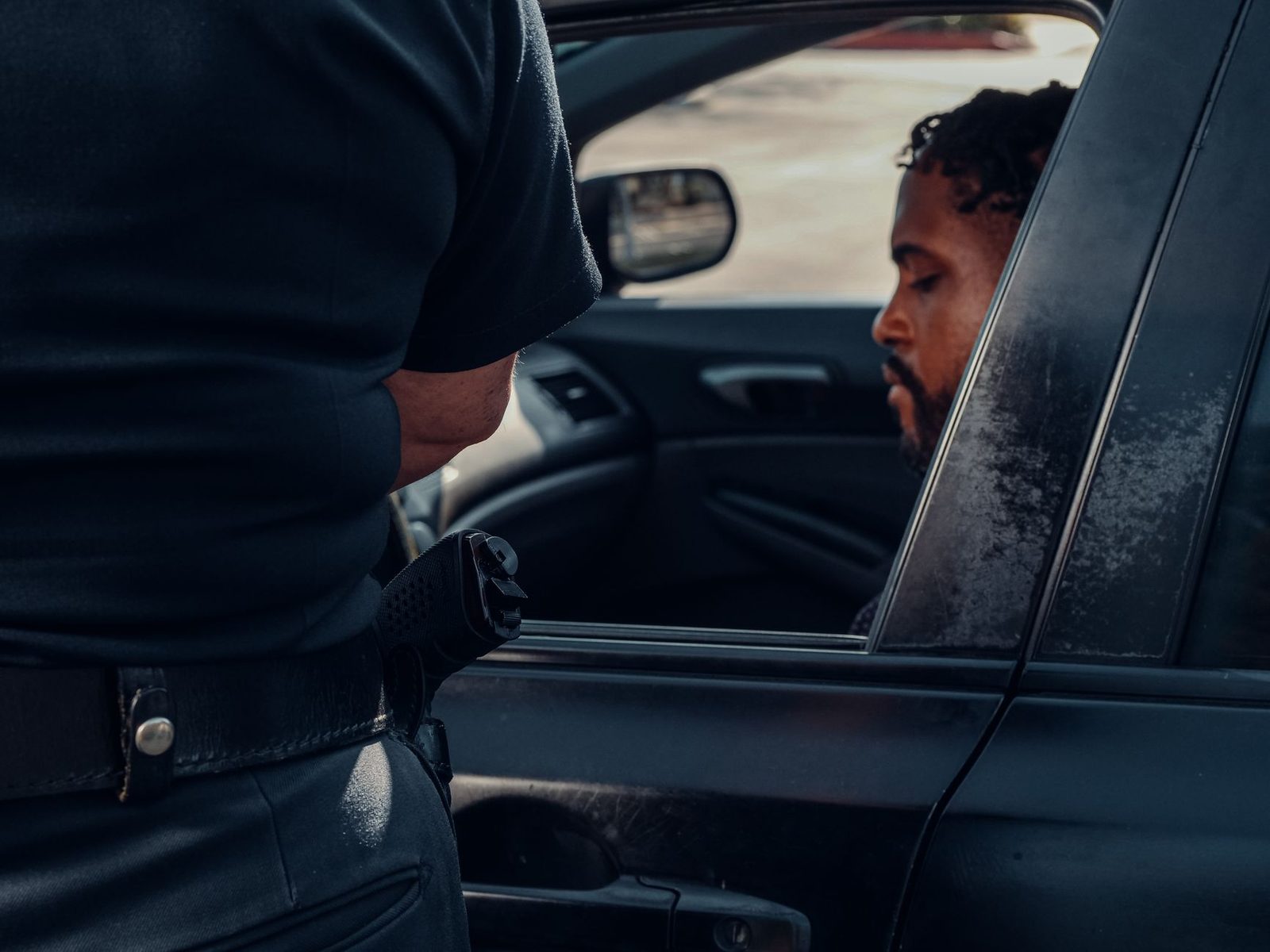
- The stop: Did the officer have a lawful reason to pull the vehicle over? A stop without a valid basis can be challenged.
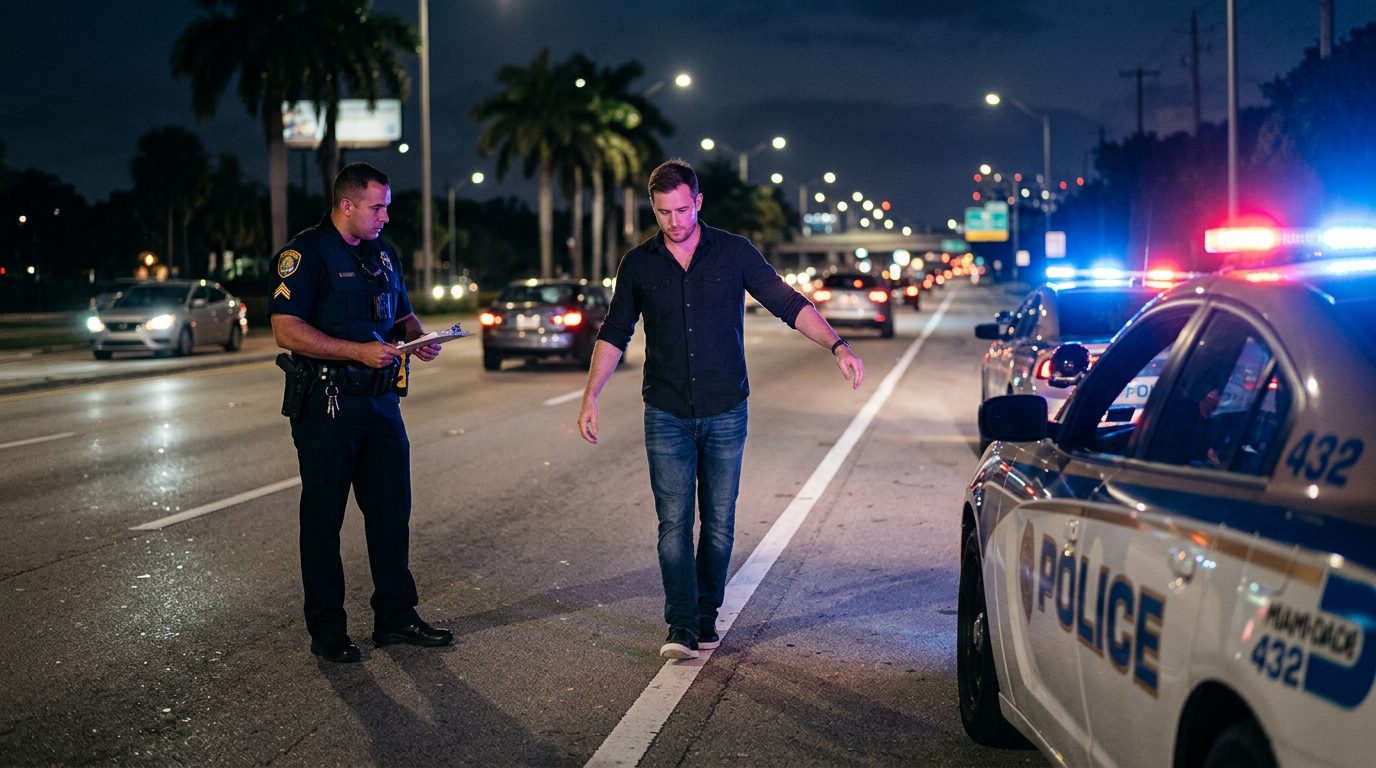
- Field sobriety exercises: Were the tests given fairly? Footing, lighting, weather, and medical limits can all affect how a person performs.
- Breath and blood testing: Was the instrument maintained, and was the operator properly permitted? The rules for valid tests appear in Fla. Stat. § 316.1934.
- Blood draws: In cases involving death or serious injury, only specified personnel may draw blood under Fla. Stat. § 316.1933. Who drew the sample is a point to review.
- Timing: A test taken later may not reflect the level at the time of driving, so the testing time is part of the review.
- License paperwork: Suspension and refusal issues carry their own deadlines under Fla. Stat. § 322.2615.
The statute sets presumptions. A level of 0.05 or less creates a presumption the person was not impaired. A level of 0.08 or higher is prima facie evidence of impairment. How those presumptions apply depends on the facts of your case.
How Prosecutors Try to Prove a DUI, and Where Cases Get Weak
Prosecutors usually build a DUI case from officer observations, video, test results, and witness statements. Each piece can have gaps.
Common weak spots include missing or short video, reports that conflict, and test affidavits that leave out required details. A prior-record claim also needs checking.
Independent third parties can matter too. A toxicology reviewer or a witness who understands testing methods may explain a result the state’s witnesses cannot. Whether that helps depends on the case.
The charge also shapes the defense. Property damage, injury, a minor in the car, and prior convictions each raise different issues under the same statute. Each charge needs its own review.
Possible Outcomes in a DUI Case
The realistic paths are dismissal, a reduced charge, trial, or a negotiated resolution. Each one depends on the evidence and the law.
- Dismissal: Yes, DUI charges can be dropped. This happens when the state’s evidence is weak or incomplete. It is fact-dependent, not assured.
- Plea limits: Test results affect what a plea can look like. Under Fla. Stat. § 316.656, no trial judge may accept a plea to a lesser offense from a person whose breath or blood test showed 0.15 percent or more.
- First-time offenders: The same statute says no court may withhold adjudication for a violation of § 316.193. A first DUI therefore follows different rules than many other first charges.
- Trial: A trial is possible, but no outcome can be predicted in advance.
What to Expect After You Hire a DUI Defense Attorney
After you hire a DUI defense attorney, the first work is a records review and a deadline check. The timeline depends on your case and the court.
- Consultation and document review. You share the arrest report, citation, and any license notice.
- Deadline check. The license case and the court case run on separate tracks.
- Discovery requests. Your lawyer asks for video, test records, calibration logs, and officer reports.
- Evaluation. Possible motions and defenses are weighed against what the evidence shows.
- Resolution or trial preparation. The case moves toward negotiation or trial. Timing varies by case and court, and no specific speed is promised.
A refusal to take a breath or urine test brings its own exposure. Under Fla. Stat. § 316.1939, refusing for the first time to give a breath, urine or blood sample is not, by itself, a separate criminal offense. It can still lead to an administrative suspension of the driving privilege, and under Fla. Stat. § 316.1932(1)(a) the refusal is admissible as evidence in the criminal DUI case. A refusal made after the privilege was previously suspended for a prior refusal is a first-degree misdemeanor. The criminal and license outcomes are separate.
Why Readers Contact Patrick Wilson Law
Readers contact Patrick Wilson Law because the firm focuses on criminal defense from its Miami office, with DUI defense as one of its core practice areas. The firm also handles first-time offender defense and criminal defense for licensed professionals.
For a nurse, teacher, or other licensed worker, the criminal case and any license concern are reviewed together. The firm does not claim any particular result for any client.
What you get is a direct review of your own arrest facts before you decide your next step. That review covers the stop, the testing, the paperwork, and the deadlines in your case. The firm will also point out the facts that may hurt your case, so you know what you’re dealing with.
Not sure what your next step is?
Talk it through with our team — the first consultation is free, confidential, and carries no obligation.
Common Questions About DUI Cases
Most DUI questions depend on the facts, the prior record, and the license status. The answers below are general.
Can a lawyer beat a DUI case?
A lawyer cannot promise that. A defense review tests the stop, the tests, and the state’s proof, and the result depends on those facts and applicable law.
Will one DUI ruin my life?
Not automatically. Consequences depend on the facts, your record, your license status, and the law that applies.
What not to tell a DUI attorney?
Don’t post about the arrest online or discuss it with anyone except your lawyer. Share the full story, including facts that seem harmful, because a defense depends on accurate facts.
How much is a lawyer for hit and run?
Fees depend on the charge and how complex the case is. Under Fla. Stat. § 316.027, a driver involved in a crash on public or private property that results in a person’s death must immediately stop the vehicle at the scene, or as close as possible, and remain there until the requirements of s. 316.062 are fulfilled. The firm discusses cost and any fees you may owe during the consultation.
Can a DUI be combined with leaving the scene of an accident?
Related charges can arise from the same crash. They are reviewed together with the facts.
Talk to a Miami DUI Defense Attorney About Your Arrest
If you were arrested for DUI and have a court date or license hearing ahead, a review of your arrest facts should come first. Because license and court deadlines run on their own schedules, waiting can shorten the time you have to act. Request a free consultation at the Patrick Wilson Law contact page, or call 786-761-1719. If you’d rather write first, you can leave a message on the same page.
How a DUI Case Review Works
Reviewing the Police Report
We examine the officer's report, body camera or dash camera footage when available, and the reasons given for the initial contact.
Testing the Evidence
We look at how breath or blood samples were collected, handled, and calibrated, and whether the state's proof holds together.
Tracking Every Deadline
Court dates, license hearings and paperwork move quickly. Our team keeps your case calendar organized so nothing is missed.
Focused on First-Time Offenders
Many clients facing a first DUI are worried about their jobs, families and records. We take those concerns into account from the first call.
Protect Your Case From the Start
Avoid discussing the arrest with anyone other than your lawyer, and do not post about it on social media.
Questions Clients Ask Us
Will one DUI ruin my life?
Not automatically. Consequences depend on the facts of your case, your record, your license status, and the law that applies to you.
Do I have to talk to police?
Call us so we can explain what that means for your situation.
What happens at the first meeting?
Your free initial consultation is confidential and carries no obligation to continue. We listen to what happened and explain the options that may apply.
Do you handle cases outside Miami?
Yes. Patrick Wilson Law represents clients across Miami-Dade, Broward County, Fort Lauderdale, Hialeah, Kendall, Miami Beach, Homestead and the Florida Keys.

