

DUI Defense in Miami and South Florida
Facing a DUI? Understand Your Driving Options Right Away
Patrick Wilson Law, PLLC defends DUI charges across Miami-Dade, Broward and the Florida Keys. Get clear answers about driving after a DUI arrest.
By Patrick David Wilson · Published October 23, 2026
Can you drive for 10 days after a DUI in Florida? Whether that permit lets you drive, and for how long, turns on the paperwork you receive and the facts of your stop. This guide explains how the 10-day clock works, what it controls, and which early steps protect your record. It’s written for people in Miami, Broward County and across South Florida, and for family members helping them.
What the 10-Day Rule Means After a Florida DUI Arrest
The 10-day rule covers the driver’s license side of a DUI arrest. It is separate from the criminal charge. Under Fla. Stat. § 322.2615, an officer must suspend driving privileges of a person who is driving or in actual physical control of a motor vehicle when a breath or blood alcohol level is 0.08 or higher, or when a person refuses a lawful test. The officer takes your license and issues a 10-day temporary permit if you’re otherwise eligible. The officer also gives you a notice of suspension. Read the dates on both documents. They start the license track. If a blood test was taken, the agency must send the results to the Department within 5 days after it receives them. Keep every page you’re handed, because each one matters later.
If a DUI notice has you counting days, you don't have to sort out the timeline alone, and our team can review those dates with you. Talk it through with our team — the first consultation is free, confidential, and carries no obligation.
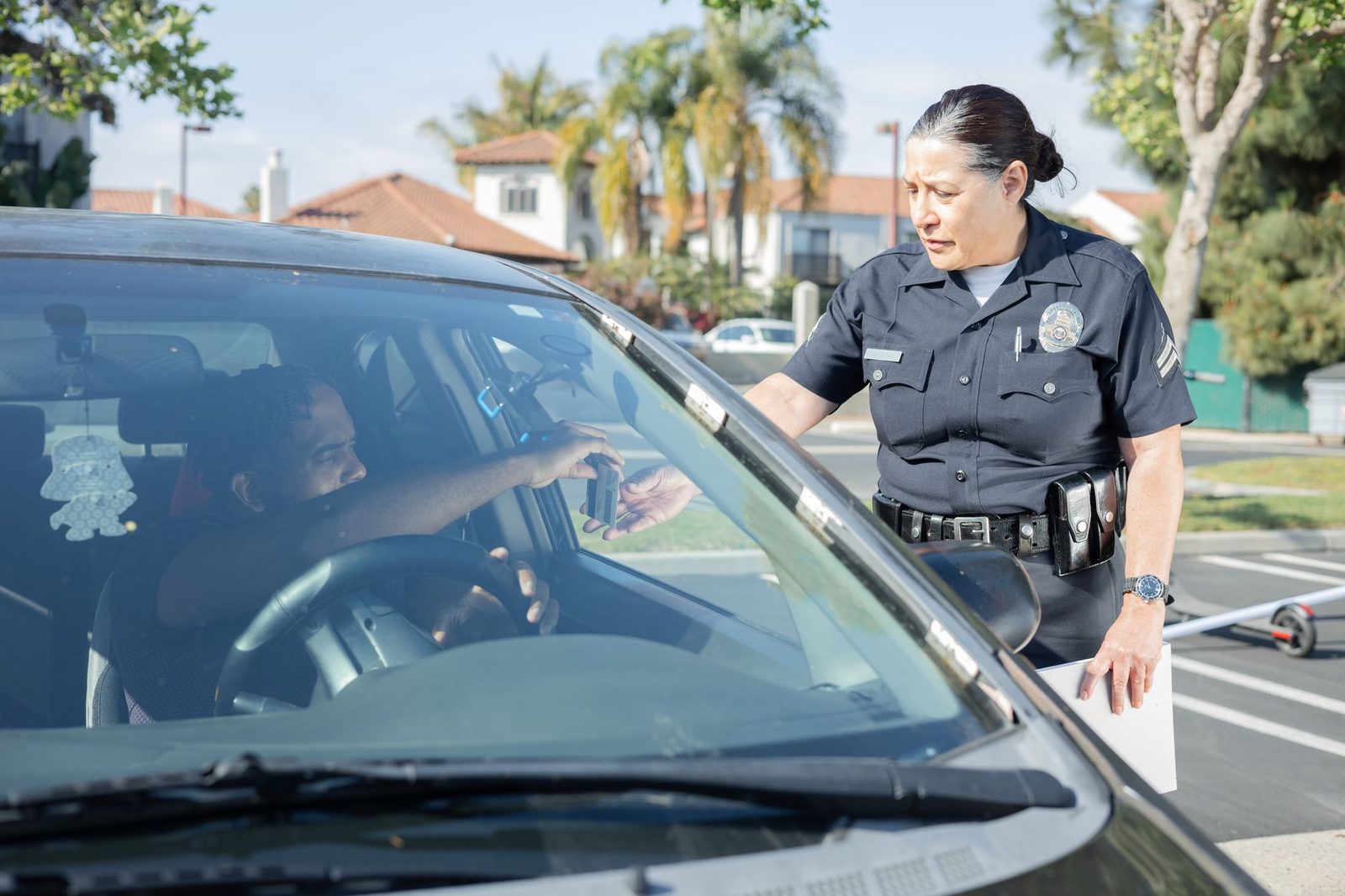
Can You Drive During Those 10 Days?
Whether you can drive during those ten days depends on the facts of your arrest and the paperwork you were given. A temporary permit is not the same as a valid license, and the limits on it matter. Driving on a suspended license is a crime. Under Fla. Stat. § 322.34, a person whose driver license or driving privilege is suspended or revoked, and who drives on Florida highways without knowing of that status, is guilty of a moving violation. A driver also cannot use a license from another state to drive in Florida during a Florida suspension, under Fla. Stat. § 322.30. Treat the 10 days as a deadline to act, not a break from the process.
What Happens If the Suspension Stands
A suspension does not pause because you didn’t open your mail. Under Fla. Stat. § 322.251, a failure to receive an order does not affect or stay its effective date. For a refusal, § 322.2615 sets a suspension of 1 year for a first refusal, or 18 months if the driving privilege was previously suspended for a refusal. That period starts on the date the notice of suspension is issued. If the suspension for refusing a breath, urine, or blood test is sustained, you are not eligible for a business or employment-only license until 90 days have elapsed after the expiration of the last temporary permit issued, under § 322.2615(10)(a), Florida Statutes. Plan your rides to work, school and appointments now.
How a Timely Hearing Request Affects the Timeline
Asking for a review is the step that puts the suspension in front of a hearing officer. The review looks at the stop, the arrest and the testing. The driver may submit materials relevant to the suspension to the Department, as Fla. Stat. § 322.2615 allows. The Department also reviews the officer’s materials and must tell the officer about any deficiency so it can be fixed before the hearing, under Fla. Stat. § 322.26151. The Department publishes DUI FAQs on its website that cover these procedures. Bring your notice, your citation and any receipts to a consultation so the dates can be checked together.
Two Separate Proceedings: The License Case and the Criminal Case
A DUI arrest can start two tracks at the same time. One is the administrative license action run by the Department. The other is the criminal case in court. Fla. Stat. § 316.1939 provides that the disposition of any administrative proceeding that relates to the suspension of a person’s driving privilege does not affect a criminal action under that section for refusing to submit to a breath or urine test, and that the disposition of such a criminal action does not affect any administrative proceeding that relates to the suspension of a person’s driving privilege. A missed hearing does not decide the criminal charge. A favorable license ruling does not close the criminal case either. The criminal case has its own court dates and steps. Keep track of both calendars separately.
Documents and Notes to Keep From the First Days
Gather everything in one folder. Keep the citation, the notice of suspension, the temporary permit, receipts for any towing or storage, bond paperwork and any letters from the state. Keep the originals safe and make copies for your lawyer. Next, write down what you remember while it’s fresh. Record the time of the stop, where the car was parked, who was with you, what the officer said, and how the field tests were described to you. Note any medical conditions or medications that day. Memory fades quickly. Notes written within days are usually more reliable than notes written weeks later. Dated notes give a defense something concrete to compare against the officer’s paperwork.
Not sure what your next step is?
Talk it through with our team — the first consultation is free, confidential, and carries no obligation.
Evidence That May Disappear Early
Some evidence is easy to lose. Dashcam and body camera footage, nearby business video, traffic camera images, and the location and condition of your vehicle can all change or vanish. Many recording systems overwrite old files, so the sooner a request goes out, the better the chance the footage still exists. Witness names and phone numbers also go stale. That includes the type of test and the procedures followed. Flag these items with your lawyer as early as you can.
A Breath Result or Refusal Does Not End the Case
A breath reading or a refusal is one piece of evidence. It is not the final word. A refusal has its own consequences. Under Fla. Stat. § 316.1932, a refusal to submit to a chemical or physical breath test requested by a law enforcement officer is admissible into evidence in any criminal proceeding. Each fact needs its own review.
Related Questions: CDL, Out-of-State Licenses and Non-Citizens
Commercial drivers face a stricter rule. Under Fla. Stat. § 322.64, an officer must disqualify a commercial driver from operating a commercial motor vehicle after a DUI arrest involving an unlawful alcohol level or a refused test. Fla. Stat. § 322.64 reads: “Upon disqualification of the person, the officer shall take the person’s driver license and issue the person a 10-day temporary permit for the operation of noncommercial vehicles only if the person is otherwise eligible for the driving privilege and shall issue the person a notice of disqualification.” The 10-day temporary permit in that case covers noncommercial vehicles only. Fla. Stat. § 322.64 reads: “Upon disqualification of the person, the officer shall take the person’s driver license and issue the person a 10-day temporary permit for the operation of noncommercial vehicles only if the person is otherwise eligible for the driving privilege and shall issue the person a notice of disqualification.” Drivers with out-of-state licenses face the Florida suspension limits in § 322.30. If you are not a U.S. citizen, raise immigration questions early. They need separate attention from the license timeline.
Frequently Asked Questions
Can you drive for 10 days after a DUI in Florida?
You may receive a 10-day temporary permit if you’re otherwise eligible. Ask us about your specific permit and dates.
Does a DUI arrest suspend your license right away?
Under Florida law, the officer must suspend the driving privilege when the alcohol level is 0.08 or higher or a test is refused. You receive a notice of suspension at the stop.
How long is a refusal suspension?
A first refusal carries a 1-year suspension. A refusal after a prior refusal suspension carries 18 months.
Talk With a Miami DUI Defense Lawyer Before the Deadline
You may be holding a notice you didn’t expect. You may be reading this for a spouse, a child, an employee or a friend who is trying to keep driving to work. The dates feel urgent, and the paperwork can be hard to read in the first days. Patrick Wilson Law, PLLC is based in Miami and serves clients across South Florida, from Broward County to the Florida Keys. Patrick David Wilson is the responsible lawyer for this page. Call 786-761-1719 or reach out through the contact page to talk through the dates on your notice. Your first consultation is free, confidential and carries no obligation to continue.
How We Can Help After a DUI Arrest
We Review Your Paperwork
The documents you received at the scene or afterward often contain important details about your driving status. We review them with you line by line.
We Defend the Charge
Driving questions are only one part of a DUI case. Patrick David Wilson and our team look at the arrest, the testing and the charge itself.
We Explain Your Options Plainly
You will leave the consultation knowing what the paperwork means, what questions remain and what steps may come next.
We Work for First-Time Offenders
Our practice gives close attention to clients facing a DUI for the first time, including licensed professionals whose careers are on the line.
Do Not Assume You Can Drive
Driving privileges after a DUI arrest depend on the specific facts of your case and the paperwork you were given. Do not drive until you have reviewed those documents with a lawyer.
What to Bring to Your Consultation
Every Document You Were Given
Bring the arrest paperwork, citations, notices and any receipts from the scene or the station.
Your Driving Record
Gather your current license information and any prior traffic or criminal history you have.
Your Timeline
Write down when you were stopped, tested and released, and any court or DMV dates you know about.
Your Questions
Note what worries you most, whether it is driving to work, caring for family or keeping a professional license.

