

DUI Defense | Miami-Dade, Broward and the Florida Keys
Can My Wife Drive My Car With an Interlock in Florida?
An ignition interlock checks the person who starts the vehicle, not the car alone. Here is how the device works, what counts as a violation, and what to raise with a lawyer.
By Patrick David Wilson · Published October 27, 2026
An ignition interlock checks the person who starts the vehicle, not the car by itself. This page explains how that works in Florida, what counts as a violation, and what to raise with a lawyer.
The short answer: can your wife drive a car that has an interlock?
Can my wife drive my car with interlock? The device is built around the restricted driver. Whether the household can keep sharing the car depends on the facts of the case and the terms of the court’s order.
A DUI case can land on a family that has only one car. The car may be the only way to get to work, school, or the doctor. Everyone wants a clear answer right away.
A court may require an interlock after a DUI conviction. Under Fla. Stat. § 316.1937, the court may require an approved device for at least six continuous months. The court must order one in the circumstances that the DUI statute requires. So the key question is always who is blowing into the device.
If a DUI case has your household wondering what the shared car allows, our team can review your order and facts in a free first consultation that is confidential and has no obligation to continue. Talk it through with our team — the first consultation is free, confidential, and carries no obligation.
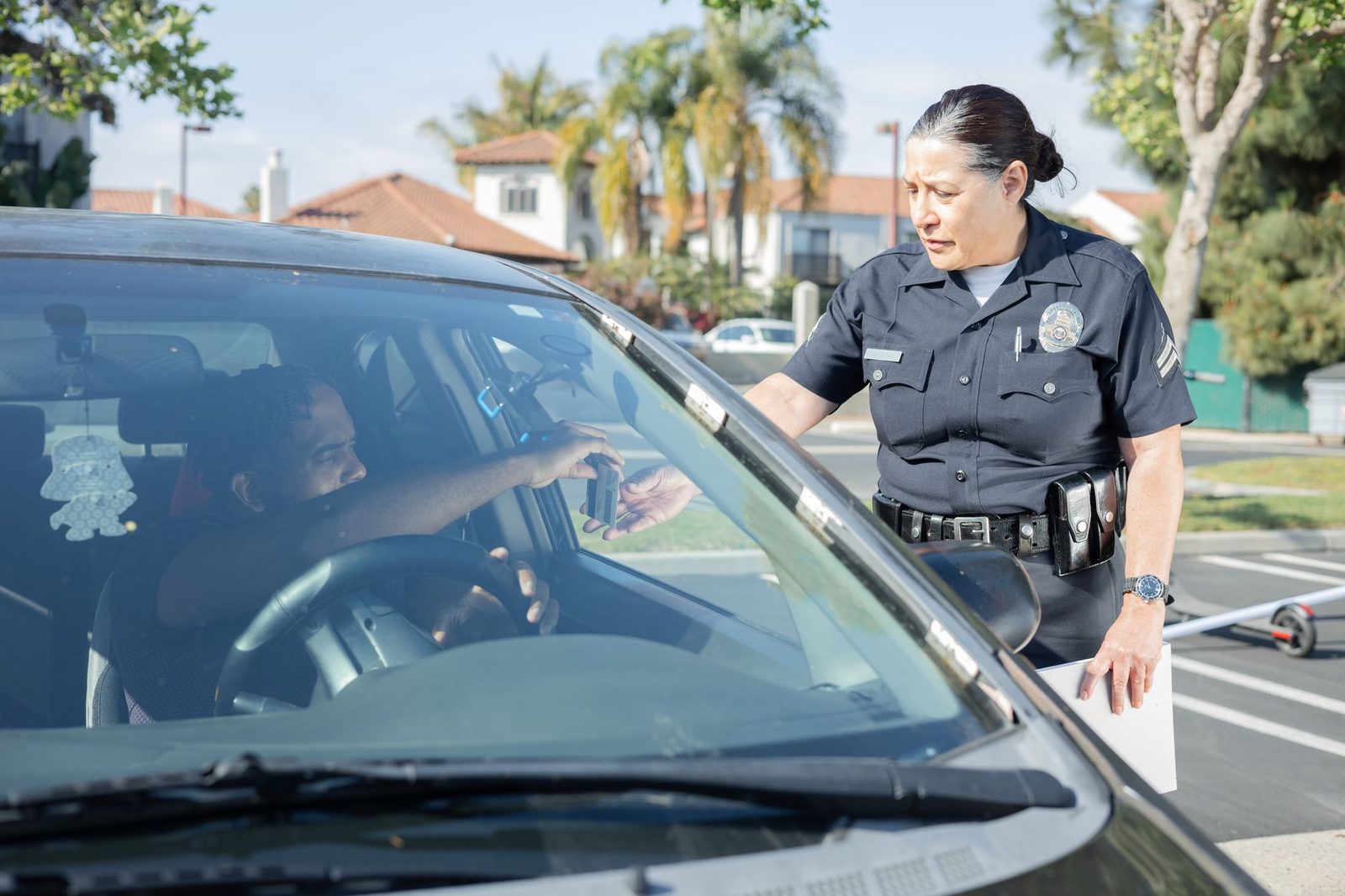
How an ignition interlock device checks who is driving
An interlock is a breath-alcohol test wired to the car’s ignition. The person starting the car must blow into it. The engine will not start if the reading is above the limit.
Under Fla. Stat. § 316.1937, that limit is 0.025 percent, unless the court specifies otherwise. Florida also certifies these devices before use. The state publishes a list of approved devices, according to Fla. Stat. § 316.1938.
The device also keeps a record. Florida’s device contract requires each unit to record each event. It must also show visual evidence of tampering, bypass, or circumvention. Each device carries a warning that tampering is a violation of law.
A common mistake is treating the interlock like a lock on the car. It is really a test on the person behind the wheel. Every start is a logged event.
Can someone else drive the car if it has an interlock installed?
No one may blow into the device so the restricted driver can start the car. It also bars anyone from blowing in or starting the car to give the restricted person a working vehicle.
A sober spouse who drives for her own needs, using her own breath, is in a different position. The statute targets a restricted driver who requests or solicits another person to blow into the device or start the car for the purpose of providing them an operable vehicle. The order’s wording and how the device is set up in your vehicle still matter.
Keep a simple written record of who drives the car and when. Keep the device paperwork in the glove box. Clear records help if questions come up later.
Insurance, the spouse’s name on the policy, and the household car
Who is named on the policy and who may drive the car are separate questions. Review the policy with your insurer before anything changes.
Florida’s device rule also matters here. Under Fla. Stat. § 322.2715, a device must go on all vehicles that are individually or jointly leased or owned and routinely operated by the convicted person. A car in a spouse’s name can still need a device if the restricted driver routinely drives it.
A work vehicle may be treated differently.
Moving titles or policies to avoid an order is not a safe fix. Check any change with counsel first.
What can turn a shared-car arrangement into a violation
The most serious problems involve tampering, circumvention, or letting someone else blow for the driver. Florida makes it unlawful to tamper with or circumvent a court-ordered device, under Fla. Stat. § 316.1937.
A conviction for violating that section carries a license penalty. The department revokes the driving privilege for 1 year from the date of conviction. It revokes for 5 years if a separate violation happens during the same required use period.
The required installation period also depends on the offense. Under Fla. Stat. § 322.2715, a third offense within 10 years requires at least 2 continuous years. Read the order closely.
Owners face risk too. Under Fla. Stat. § 322.36, no one may authorize or knowingly permit a motor vehicle that they own, or that is under their dominion or control, to be operated on any highway or public street by anyone other than a person duly authorized to operate a motor vehicle under Chapter 322. Doing so is a second-degree misdemeanor. If the person knowingly loaned the vehicle to a driver whose license is suspended and the vehicle is involved in an accident resulting in bodily injury or death, the lender’s own driver license must be suspended for 1 year. For what follows a violation, read our page on interlock violations. Florida’s interlock FAQs also explain what the state treats as a violation.

Talk through your household’s situation with Patrick Wilson Law
A DUI case can put a family’s routine on hold while everyone works out what the car allows. You don’t need every answer before you reach out. Patrick David Wilson, the responsible lawyer for this page, handles DUI defense in Miami and across South Florida, from Broward County to the Keys. Our team can review the order, the device terms, and your vehicle and insurance facts with you.
To talk it through, call 786-761-1719 or use our contact page. The first consultation is free, confidential, and carries no obligation to continue.
Related reading: DUI defense in South Florida and DUI defense in Miami.
Quick answers
She must never blow into the device so the restricted driver can use the car.
Can someone else blow into the device for me? Section 316.1937 bars a restricted driver from asking someone to do it.
How Patrick Wilson Law can help
Confidential first consultation
Your free first consultation is confidential and comes with no obligation to continue.
Review of your court order
We look at the terms of your order and your device requirements so you know what applies to your household.
Planning for a shared car
We help you think through who may drive, how the device is used, and what to avoid so the car does not create new problems.
Easy ways to reach us
Call 786-761-1719 or leave us a message to start the conversation.
Do not assume the car can be shared
Before anyone else drives a vehicle with an interlock device, check the court's order and the device terms. A violation can affect the driver whose license is restricted, and it can create a problem for the whole household.
Questions to bring to your lawyer
Who will start the car?
The device tests the person breathing into it. Ask how the other driver's use would be recorded and what that could mean for your case.
What counts as a violation?
A failed test, a missed rolling retest, or tampering can each cause trouble. Ask what each one would mean for your situation.
Does the household have other options?
Every family's facts are different. Ask what alternatives may be available for getting to work, school and appointments.

